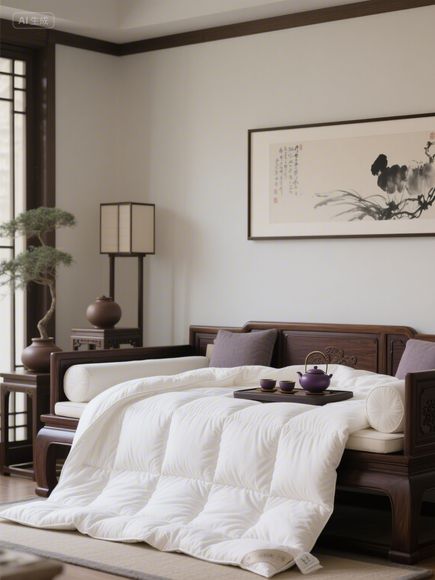
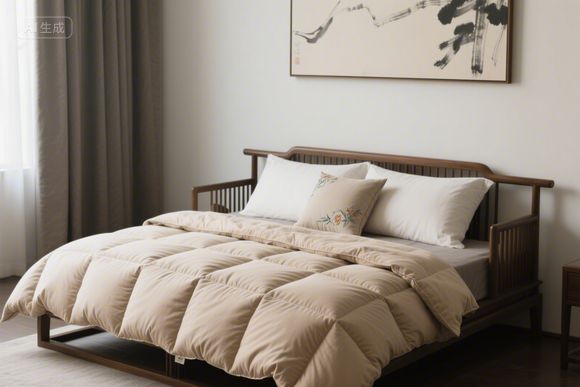
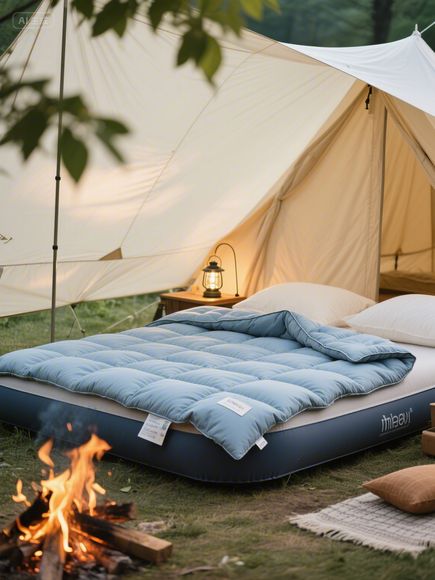
How to Choose the Perfect Down Comforter:Your Ultimate Guide
This guide helps you select the ideal down comforter. Key factors include fill power (aim for 500+), tog rating (choose based on climate), size (exact fit or extra length/width), and shell material (breathable cotton or synthetic). Consider your climate, desired warmth level, and ethical concerns regarding down sourcing. Proper care is essential for longevity. Choose wisely for optimal comfort and value.
本文目录导读:
Okay, let's talk about something cozy and essential for many of us: the perfect down comforter! Choosing one can feel overwhelming with so many options out there. Don't worry, we're here to break it down. Think of this guide as your friendly expert, helping you navigate the world of down comforters to find the one that keeps you warm, comfortable, and happy all night long.
Why Down Comforters Deserve a Special Place in Your Wardrobe
Before we dive into the nitty-gritty of selection, let's quickly appreciate why down comforters are a popular choice:
- Exceptional Warmth: Down feathers are nature's excellent insulators. They trap air, creating a warm layer between you and the cold air. A high-quality down comforter can keep you warm even in chilly winter nights.
- Lightweight & Fluffy: Despite packing a punch when it comes to warmth, down is incredibly light. This means your comforter won't feel like a heavy blanket, and its natural fluffiness adds a luxurious feel.
- Breathability: Unlike synthetic fills that can sometimes feel stuffy, down allows for better air circulation, helping you sleep cooler during warmer months or if you tend to sleep hot.
- Durability (With Care): A good quality down comforter, properly cared for, can last for many years, providing consistent warmth season after season.
Now, let's get into how to pick the best one for you.
Key Factor 1: Understanding Fill Power
This is arguably the most important number to look at. Fill power measures the "fluffiness" or "loft" of the down feathers. Think of it like this: the higher the fill power, the more warm air the down can trap, meaning the comforter is warmer and potentially lighter for its warmth.
- What's a Good Range?
- Fill Power 500-600: This is a decent starting point, offering good warmth for the price. Suitable for milder climates or as a second layer.
- Fill Power 650-800: This is the sweet spot for most people. Offers excellent warmth, lightness, and fluffiness. Great for colder climates or those who feel cold easily.
- Fill Power 850+: This is the premium category. These are the softest, lightest, and warmest comforters. They are often made from the finest down, usually from young ducks. They come with a higher price tag but offer superior quality and longevity.
Think of it like buying coffee beans: Lower fill power is like economy coffee; it gets the job done but might not be as premium. Higher fill power is like single-origin, high-altitude beans – exceptional quality and performance.
How to Find Fill Power
Look for the fill power rating clearly stated on the comforter's tag or packaging. It's usually given in the number (e.g., "Fill Power 800").
Key Factor 2: Material Quality Matters
Not all down is created equal. The source of the down and the quality of the comforter itself play a huge role in its performance and lifespan.
Down vs. Feather
- Down: Refers specifically to the soft, fluffy clusters (clusters of filaments growing from a duck's skin) used for insulation. It's the part we want for warmth and fluffiness. High-quality comforters are filled with down clusters.
- Feathers: These are the structural parts of the bird. While sometimes used in comforters (often in budget options), they don't provide the same level of warmth and loft as down clusters. They can also sometimes feel scratchy.
Pro Tip: Always look for comforters made from pure down. Avoid those that explicitly mention feathers, as they are generally a lower-quality option for filling.
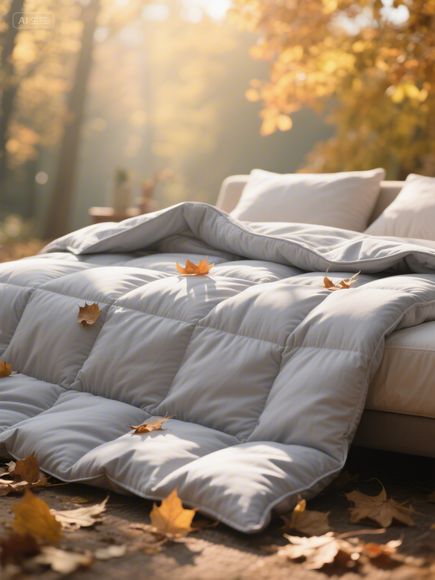
The Role of Duck vs. Goose Down
- Duck Down: More common, often less expensive, and still offers excellent quality, especially at higher fill powers (like 800+). Ducks are typically harvested multiple times, allowing for the collection of finer down from younger birds.
- Goose Down: Often considered slightly superior due to its natural fluffiness and resilience. Goose down clusters are generally larger and can feel softer. It's often more expensive than duck down of the same fill power.
Bottom Line: Both duck and goose down can be excellent. Higher fill power is key, but premium goose down can offer exceptional quality. Don't automatically assume goose down is always better than duck down; focus primarily on the fill power rating.
The Importance of Tolerance
This is a crucial aspect, especially for people with allergies or sensitivities.
- What is Tolerance? Tolerance refers to the percentage of down clusters that are free from feathers. A higher tolerance percentage means fewer feathers are mixed in with the down, resulting in a fluffier, warmer, and less likely-to-clump comforter.
- What Should You Look For?
- High Tolerance (80% or higher): This is the standard for quality comforters. It ensures the comforter stays fluffy and performs well.
- Ultra-High Tolerance (90% or higher): This is the premium category, offering the best performance and feel, with very few feathers present.
Why Does Tolerance Matter? Feathers are denser and don't trap air as well as down clusters. They can also cause clumping, reducing the comforter's effectiveness and potentially leading to uneven warmth. High tolerance ensures a smoother, fluffier sleep experience.
Key Factor 3: Weaving and Construction
How the down is contained within the comforter shell affects its performance.
Shell Weave
- Tight Weave: Creates a barrier that prevents down from escaping. This is generally preferred for down comforters as it keeps the fill contained and prevents the "sack" effect where the comforter loses its shape and volume over time.
- Loose Weave: Allows down to escape more easily, which can lead to the comforter feeling less full and potentially losing its warmth over time.
Baffle Box Construction
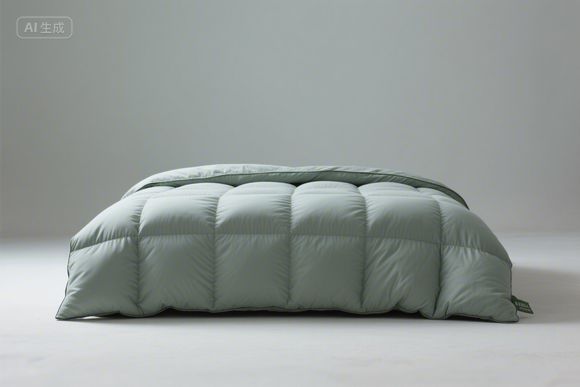
This is a popular and effective construction method. The comforter shell is divided into sections (usually vertical columns) by vertical baffles. This forces the down to fill each section evenly, preventing shifting and clumping, and ensuring consistent warmth across the entire comforter. It also helps the comforter maintain its shape.
Box Spring Construction
The entire comforter is encased in one large shell. This is the most basic construction method. While cheaper, it can lead to down shifting and clumping over time, especially if the tolerance isn't high enough.
Envelope Construction
Similar to box spring, but the comforter is folded into the shell rather than sewn in place. This can sometimes allow down to escape more easily than baffle box construction.
Recommendation: Look for a baffle box construction for the best performance and longevity. Ensure the shell has a tight weave fabric.

Key Factor 4: Size and Weight
Choosing the right size is straightforward – pick the size that fits your bed. But weight is about how much down is used and how densely it's packed.
- Standard Weight: Usually contains about 3 lbs (1.36 kg) of down per Twin/Full/Queen comforter. This is a good all-around weight for most people.
- Extra Weight: Contains more down (e.g., 5 lbs or more for a Queen). This is warmer and fluffier, ideal for colder climates or people who feel cold easily.
Consider: Your bedroom temperature, your personal warmth preference, and the climate where you live. If you live somewhere with very cold winters, an extra weight comforter might be a better investment.
Key Factor 5: Care and Maintenance
Down comforters need proper care to maintain their quality and prevent clumping or matting.
- Washability: Most quality down comforters are machine washable, but always check the care label first. Some high-end or antique-looking ones might require professional dry cleaning.
- Drying: This is critical! Down comforters need to be dried thoroughly to fluff up completely and expel any moisture. Air drying alone takes too long and can lead to mildew. Using a large capacity dryer with clean tennis balls (they help break up clumps) and plenty of time (often 3-4 loads of dryers) is essential. Ensure it's completely dry before storing.
- Pillowcases: Consider using pillowcases designed for down comforters. These often have a mesh window that allows you to see if the down is fluffed and prevent crushing the clusters during washing and drying.
Key Factor 6: Value for Money
You get what you pay for, generally. Higher fill power, higher tolerance, better construction (baffle box), and quality materials (duck or goose down) all contribute to a more expensive comforter.
- Budget Options: Lower fill power (500-600), lower tolerance, box spring construction, often made from recycled or lower-grade down. These are fine for warmer climates or as a budget-friendly option, but they may not last as long or provide the same level of warmth and fluffiness.
- Mid-Range Options: Fill power 650-800, higher tolerance (70-80%), possibly baffle box construction. A good balance between quality and price.
- Premium Options: Fill power 850+, ultra-high tolerance (90%+), high-quality down (often goose), advanced baffle box construction. These offer the best performance, longevity, and comfort but come with a higher price tag.
Tip: Read reviews for specific models if possible. Look for feedback on warmth, fluff retention, and ease of care.
Putting It All Together: A Simple Checklist
Okay, let's summarize with a quick checklist you can refer to when shopping:
- Fill Power: Aim for 800 or higher for the best warmth-to-weight ratio. 650-800 is still good for many.
- Material: Ensure it's pure down (duck or goose is fine, but higher fill power is key).
- Tolerance: Look for 80% tolerance or higher for better performance and less clumping.
- Construction: Choose baffle box construction for even filling and shape retention.
- Shell Weave: Check for a tight weave fabric to contain the down.
- Size & Weight: Pick the right size for your bed. Consider extra weight if you're cold or in a cold climate.
- Care: Verify it's machine washable (check label!) and understand the drying process (needs thorough, machine drying).
- Value: Set a budget and look for a comforter that offers good quality within that range.
Case Study: The Right Choice for Sarah
Sarah lives in a region with harsh winters and always felt too cold sleeping under her standard synthetic comforter. She decided to invest in a down comforter.
- Her Needs: Maximum warmth, light weight, durability for long winters.
- Her Research:
- She looked for a fill power of 850+.
- She chose goose down for its natural fluffiness.
- She selected a baffle box construction with 95% tolerance.
- The size was Queen to fit her bed.
- She ensured it was machine washable and understood the drying requirements.
- The Result: Sarah purchased a high-quality down comforter. It was incredibly warm, light, and maintained its fluffiness throughout the winter. It felt luxurious and provided the consistent warmth she needed, making her sleep much more comfortable. The initial investment was higher, but it lasted longer and performed better than cheaper alternatives.
The Verdict: Finding Your Cozy Comfort
Choosing a down comforter doesn't have to be daunting. By focusing on key factors like fill power, material quality, tolerance, construction, and care, you can make an informed decision. Remember, a higher fill power generally means better performance, but always consider your specific needs (warmth required, budget, climate) before buying.
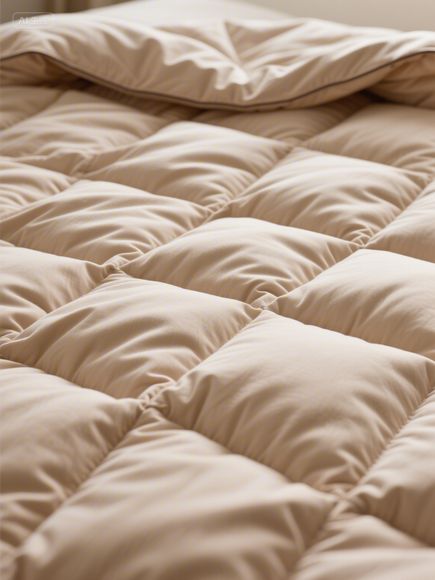
Don't be afraid to try out different brands and models if possible, or read detailed reviews. Ultimately, the best comforter is one that provides you with warmth, comfort, and a good night's sleep for years to come.
Introduction to Jia Yu Textile Factory and Our Down Comforter Excellence
At Jia Yu Textile Factory, we pride ourselves on crafting down comforters that embody the highest standards of quality and comfort. We understand that finding the perfect down comforter is crucial for a restful sleep. That's why we meticulously source premium down feathers, ensuring exceptional warmth and lightness. Our commitment shines through in our rigorous quality control processes, guaranteeing that every comforter meets stringent standards for fill power (often exceeding 800) and tolerance (typically 90% or higher). We utilize advanced baffle box construction with tight-weave shells to maintain shape and prevent clumping, delivering consistent warmth and a plush feel. Choosing a Jia Yu Textile comforter means investing in a product built to last, combining superior materials with expert craftsmanship for enduring performance and unparalleled coziness.
Expanded Knowledge:
English Verbal Content for挑选鸭绒被
I hope this English-speaking content will guide you in your quest for the perfect duck-down bed sheet. Let's dive into the process.
How to Choose a Duck-Down Bed Sheet
To choose a quality duck-down bed sheet, you need to consider several factors. Here's a breakdown of the process:
Table: Product Selection Criteria
| Criteria | Importance |
|---|---|
| Brand Reputation | Quality assurance and customer service |
| Materials Used | High-quality鸭绒, cotton or polyester blend |
| Thread Count | Thickness and comfort level |
| Manufacturer Reputation | How closely the manufacturer follows quality standards and product safety measures |
| Case Study: How about Jiangyu Textile Factory? | To illustrate the process and highlight the advantages of their products. |
产品优势介绍
佳羽纺织厂挑选鸭绒被的优势主要体现在以下几个方面:
产品优势一:高品质鸭绒
佳羽厂使用的鸭绒来自优质养殖场,经过严格筛选和处理,确保其保暖性和舒适度,这些鸭绒具有高密度、高保暖性能,能够为被褥提供出色的保暖效果。
产品优势二:优质材料组合
他们采用高质量的鸭绒和棉、涤纶等天然或合成材料进行混合,确保被褥的柔软度和透气性,这种材料组合能够提供最佳的舒适度和睡眠质量。
产品优势三:精细工艺和细节处理
佳羽厂注重细节,从被褥的缝制到填充物的均匀分布,都经过精心设计和处理,确保被褥在使用过程中始终保持最佳状态。
选购建议
在选择鸭绒被时,你可以考虑以下几点:
- 品牌信誉:选择知名品牌的产品,确保产品质量和售后服务的可靠性。
- 材料质量:关注鸭绒的来源和质量,以及被褥材料的组合。
- 工艺细节:注意被褥的缝制和填充物的均匀分布,确保使用体验。
- 案例参考:可以参考佳羽纺织厂或其他类似品牌的案例,了解他们的产品特点和优势。 能帮助你挑选到心仪的鸭绒被,如果你还有其他问题或需要更多帮助,请随时告诉我。