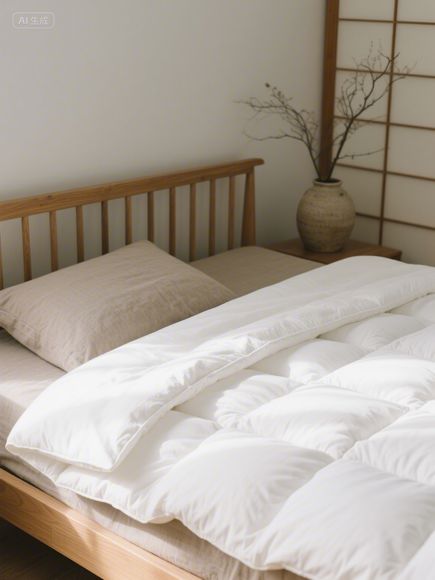
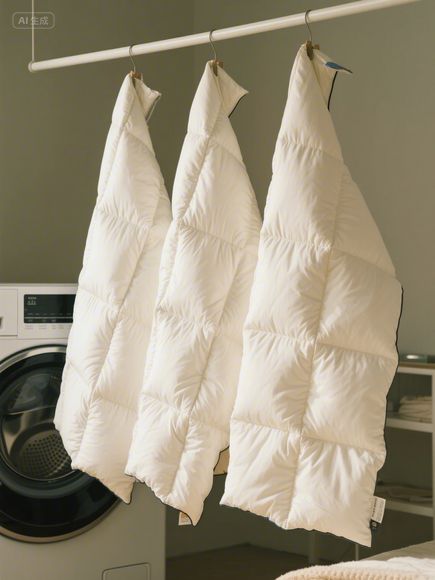
Transform Your Down Comforter into a Custom Sleeping Bag:A Guide to Eco-Friendly Upcycling
Turn an old down comforter into a personalized sleeping bag with this eco-friendly upcycling guide. Instead of discarding worn bedding, salvage the high-quality down filling, a sustainable alternative to synthetic insulation. By carefully disassembling the comforter and repurposing the fabric, you create a unique, warm sleeping bag while significantly reducing textile waste. This DIY project is not only budget-friendly but also promotes resourcefulness and environmental responsibility, offering a practical way to give new life to textiles.
Hello everyone! Today, we're diving into a fun and practical DIY project: turning an old down comforter into a personalized sleeping bag. This isn't just about decluttering; it's about reimagining your belongings and creating something new from the old. Whether you're a minimalist, an eco-conscious individual, or just someone looking to save some cash, this guide is for you. Let's get started!
What Exactly Are We Talking About?

First things first, let's clarify what we mean by "down comforter to sleeping bag." Essentially, we're taking the filling (usually synthetic or down feathers) and the outer shell from an old comforter and repurposing them into the core and shell of a sleeping bag. This can be a straightforward process if you have the right tools and a bit of patience, or it can be a complex one if you're aiming for something that closely resembles a store-bought sleeping bag.
DIY vs. Professional Conversion: Which Path Should You Take?
Before we jump into the nitty-gritty, it's important to consider whether you want to tackle this project yourself or seek professional help. Let's break it down:
-
DIY Approach:
- Pros: Cost-effective (you only pay for materials if needed), creative freedom (design your own bag!), sense of accomplishment, great for sentimental items.
- Cons: Requires time and effort, sewing skills are necessary, may not be as durable or weather-resistant as store-bought bags, potential for mistakes leading to leaks or poor insulation.
-
Professional Conversion (e.g., via a service like Jia Yu Textile Factory):
- Pros: Often results in higher quality construction (especially if they specialize), better weather resistance, professional finish, saves you the hassle of sewing, potentially more durable due to specialized techniques and materials.
- Cons: Costs money (though often less than buying a new bag), less creative control over the final product, less personal connection to the making process.
Let's Get Crafting! A Step-by-Step Guide (Simplified)
Okay, assuming you've decided to go the DIY route or are just curious about the process, here’s a simplified overview of the steps involved. Remember, this is a basic guide; actual construction can be much more complex depending on the desired sleeping bag design.
| DIY Conversion Steps | Key Considerations |
|---|---|
| Select Your Comforter | Choose one in good condition with minimal damage. Consider synthetic fill for better performance. |
| Prepare the Comforter | Wash thoroughly, dry completely, remove clumps, cut into desired size. |
| Create the Core | For synthetic fill, cut the comforter into strips and braid or twist. For down, use baffled box quilting technique. |
| Construct the Shell | Cut outer fabric pieces, create baffles or sew flat sections, attach hood and zipper opening. |
| Assemble the Sleeping Bag | Combine core and shell, add baffles, insert core, sew remaining seams, install zipper. |
| Finishing Touches | Add labels, test insulation, ensure durability. |
Step 1: Select Your Comforter
- Condition: Choose a comforter that's still structurally sound but perhaps too large, worn out, or just not needed anymore. Avoid those with significant rips, stains, or broken zippers.
- Fill Type: While down feathers work, synthetic fill (often polyester) is generally more effective at trapping heat when wet and doesn't attract pests. For this guide, we'll often refer to synthetic fill unless specified otherwise.
- Size: Consider the size of the sleeping bag you want. A twin-sized comforter can make a large sleeping bag, while a full or queen might be too big.
Step 2: Prepare the Comforter
- Wash & Dry: Clean the comforter thoroughly to remove any dirt, oils, or allergens. Dry it completely, preferably in a dryer with clean tennis balls to help fluff the fill.
- Inspect: Check for any remaining damage or tears.
- Cut: Decide on the final size of your sleeping bag. Cut off any excess fabric from the edges. If you want a specific shape (like a mummy bag), you'll need to cut the comforter accordingly. This is where a service like Jia Yu Textile Factory might take over, ensuring precise cuts for optimal performance.
Step 3: Create the Core (The Insulation)
This is arguably the most crucial part. The core needs to be well-insulated and maintain its shape.

- Synthetic Fill (Common Method): Cut the comforter filling into strips (about 1-2 inches wide). Then, braid these strips together (like making rope) or twist them tightly. This creates a core that can be packed into the shell. You can also use a method called "baffled box quilting," where you cut the comforter into smaller sections and sew baffles (vertical walls) to create air pockets.
- Down Fill: Working with down requires more care to prevent clumping. The baffled box method is often used. Cut the comforter into sections, then sew vertical seams (baffles) to create compartments. Fill these compartments evenly with down. Down needs to be shaken and fluffed regularly to maintain loft.
Step 4: Construct the Shell
The shell is the outer covering of your sleeping bag. You'll need durable, breathable fabric (like ripstop nylon or polyester ripstop) and appropriate lining (like ripstop nylon or polycotton).
- Cutting: Cut the outer fabric and lining according to your pattern. This usually involves pieces for the main body, baffles (if using the box method), hood, and zipper opening.
- Baffles (Box Method): Sew the vertical seams to create the baffled sections. This helps maintain the shape of the core and prevents shifting.
- Hood: Cut and sew the hood piece, often including a baffle or draft collar.
- Zipper Opening: Cut out the piece for the zipper opening in both the outer shell and the lining. This requires precise matching.
Step 5: Assemble the Sleeping Bag
- Combine Core & Shell: Once the core is ready and the shell pieces are cut and prepared, it's time to put them together. This involves sewing the main body, attaching the hood, and inserting the core into the shell.
- Add Baffles: If you didn't pre-sew baffles into the shell, you'll need to stuff them now – essentially filling the vertical channels.
- Sew Remaining Seams: Sew up the remaining seams, being careful not to trap too much fill.
- Install Zipper: This is often the trickiest part. You need to match the zipper to the opening and ensure it glides smoothly.
Step 6: Finishing Touches
- Labels: Add care instructions or personalize it.
- Test: Shake the bag to check for clumping (especially with down) and test the zipper.
- Durability: Consider reinforcing stress points like the bottom and seams if you're concerned about longevity.
Why Bother? The Advantages of Your DIY (or Professionally Converted) Sleeping Bag
Converting a comforter into a sleeping bag offers several compelling advantages:
- Eco-Friendly: You're giving new life to an old item, reducing textile waste that ends up in landfills. This aligns perfectly with the principles of a circular economy, promoting sustainability in textile use. Companies like Jia Yu Textile Factory often emphasize their commitment to sustainable practices in their manufacturing processes.
- Cost-Effective: While you might pay for professional service or specific fabrics, the core material (the comforter) is essentially free. This can be significantly cheaper than buying a comparable new sleeping bag, especially for specialized sizes or temperature ratings.
- Personalization: You can choose the size, shape, and even the colors and patterns. This level of customization is rarely possible with mass-market sleeping bags.
- Sentimental Value: Transforming a cherished comforter into a new item can be a deeply satisfying experience.
- Practicality: Sleeping bags are often used for camping, travel, or as emergency blankets. Having a custom-made one means you have a unique solution for these needs.
Addressing Common Concerns
Q: Won't the insulation be less effective than a store-bought bag? A: This depends heavily on the quality of your work and the fill. If you take your time, use proper techniques (like baffling), and choose quality fill, you can achieve surprisingly good insulation. Store-bought bags often have factory automation and specialized materials for maximum performance, especially regarding waterproofing and wind resistance. However, a well-made DIY bag can be perfectly adequate for many uses, like car camping or cool nights in the backyard.
Q: What if I don't know how to sew? A: Fear not! Basic sewing skills are needed, but you don't need to be a fashion designer. There are countless online tutorials demonstrating every step, from cutting fabric to installing zippers. Patience and practice are key. Alternatively, you can seek help from a friend or hire someone to do the sewing part. Or, consider using a professional service like Jia Yu Textile Factory, which handles the entire process for you.
Q: Is synthetic fill okay? A: Absolutely! Synthetic fill is perfectly fine for sleeping bags. It dries quickly if it gets wet, retains insulation even when damp, and is generally less expensive than down. It's a great choice for DIY projects, especially if you're concerned about moisture.
Q: How do I know if the comforter is suitable? A: Look for a comforter in good condition, without major rips or excessive wear. The filling should be relatively intact. Avoid comforters known for attracting pests (like moths) unless you clean them thoroughly beforehand. The size should be appropriate for the sleeping bag you envision.

Real-World Example: Sarah's Cozy Camping Companion
Sarah, an avid hiker from Colorado, had an old, oversized synthetic comforter that she rarely used. She decided to convert it into a sleeping bag for her weekend backpacking trips. She found a tutorial online, gathered some basic sewing supplies, and spent a weekend meticulously cutting the comforter, creating a synthetic core using the strip-and-braid method, and assembling the shell from durable ripstop fabric she purchased. The result? A perfectly sized, uniquely colored sleeping bag that cost her only the price of the new fabric. It provided excellent warmth during her cool mountain nights, and she felt great knowing she'd diverted the comforter from landfill. She even took it camping and showed it off at her next outdoor gear sale!
Conclusion
Converting a down comforter into a sleeping bag is a rewarding project that combines practicality with creativity. While DIY requires effort and skill, the end result can be incredibly satisfying and useful. For those seeking a higher level of quality, durability, and convenience, professional services like Jia Yu Textile Factory offer a fantastic alternative, ensuring your old comforter is transformed into a high-performance sleeping bag. Whichever path you choose, you're embracing a more sustainable and resourceful way of living. Happy crafting, or happy shopping with the pros!
Expanded Knowledge:
In the realm of home furnishings, the quest for comfort and warmth is ever-evolving. One innovative approach to this quest is the transformation of a duck down blanket into a sleep bag. This unconventional yet practical conversion not only showcases the versatility of materials but also highlights the craftsmanship and attention to detail that go into creating high-quality products.
The Concept of a Duck Down Blanket as a Sleep袋
A duck down blanket, often used for its softness and warmth, can be repurposed into a sleep bag through a simple yet effective process. This transformation involves removing the outer fabric of the blanket and reinforcing the inner lining with additional padding or a waterproof barrier. The result is a sleeping bag that retains the comfort and insulating properties of the original duck down, while also providing the functionality of a traditional sleep bag.
Advantages of Using Duck Down for a Sleep袋
There are several advantages to using duck down for a sleep bag:
-
Superior Insulation: Duck down is renowned for its excellent insulating properties, which help regulate body temperature and keep you warm during sleep. It provides a cozy and comfortable sleeping environment.

-
Lightweight and Portable: Unlike other insulating materials, duck down is lightweight and easy to pack. This makes it an ideal choice for outdoor adventures or travel.
-
Breathable: Duck down is a natural material that allows for some breathability, which helps regulate temperature and keeps you cool during sleep. This is particularly important in hot climates or during the summer months.
-
Durability: Duck down is a durable material that can withstand wear and tear over time. This makes it a long-lasting choice for a sleep bag that will be used repeatedly.
-
Environmental友好: The use of duck down as a raw material is environmentally friendly, as it is a natural material that can be recycled and reused. This aligns with the growing emphasis on sustainability and eco-friendly products.
Case Study: A Family's Experience with Duck Down Sleep袋
Let's take a look at a real-life example of how a family successfully transformed a duck down blanket into a sleep bag and how it impacted their sleeping experience.
The Smith family had been using a traditional down comforter for years, but they wanted to reduce their carbon footprint and invest in a more sustainable sleeping solution. They decided to repurpose an old duck down blanket by removing the outer fabric and reinforcing the inner lining with additional padding. After a few hours of work, they had created a functional sleep bag that they were excited to use.
The transformation was a success! The family found that the sleep bag provided excellent insulation and comfort, keeping them warm throughout the night. They also appreciated the fact that it was lightweight and easy to pack, making it perfect for their weekend adventures.
Moreover, the family was impressed by the breathability of the duck down material, which allowed for a comfortable sleeping experience even on hot summer nights. They also noticed that the duck down was durable and had held up well over time.
Overall, the Smith family's experience with the duck down sleep bag demonstrated the versatility and benefits of repurposing materials. It was a practical and eco-friendly solution that provided them with a comfortable and sustainable sleeping experience.
How to Make a Duck Down Sleep Bag: A Step-by-Step Guide
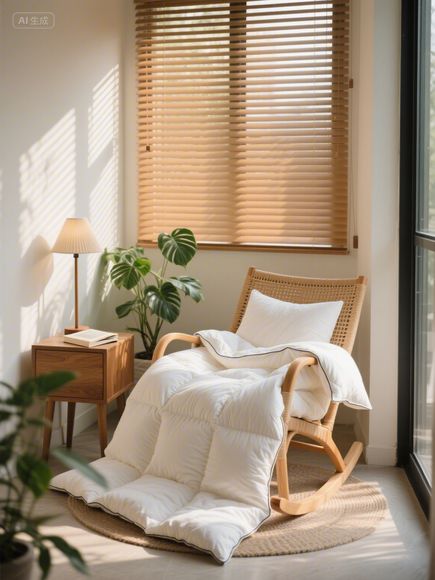
Making a duck down sleep bag can seem daunting at first, but with a few simple steps and the right tools, you can create a comfortable and functional sleeping bag. Here's a step-by-step guide to help you through the process:
Step 1: Gather Your Materials
To create a duck down sleep bag, you will need the following materials:
- A duck down blanket with outer fabric
- A sewing kit or other sewing tools
- Padding or a waterproof barrier (optional)
- A sewing needle and thread
- Scissors or a rotary cutter
Step 2: Remove the Outer Fabric
Start by cutting off the outer fabric of the duck down blanket. You can do this using scissors or a rotary cutter. Make sure to cut carefully to avoid damaging the delicate down material inside.
Step 3: Reinforce the Inner Lining
Once the outer fabric is removed, you will need to reinforce the inner lining with additional padding or a waterproof barrier. This will help protect the down from moisture and keep you warm. You can use a fabric pad or a waterproof membrane to achieve this. Make sure to cut the padding or membrane to fit the inside dimensions of the blanket.
Step 4: Sew the Linings Together
Now it's time to sew the inner linings together. Place the two reinforced linings face-to-face and pin them in place. Use a sewing machine or a needle and thread to sew them together along the perimeter. Make sure to leave a small opening in the back for filling the sleep bag later.
Step 5: Fill the Sleep Bag
Once the linings are sewn together, fill the sleep bag with the duck down. You can use a vacuum-sealed bag or a ziplock bag to help contain the down and prevent it from spilling out. Make sure to leave some air space in the bag to ensure proper insulation.

Step 6: Sew the Opening Closed
After filling the sleep bag with the down, sew the small opening in the back closed using a sewing machine or a needle and thread. Make sure to sew slowly and carefully to avoid tearing the fabric.
Step 7: Test the Sleep Bag
Finally, it's time to test the sleep bag to make sure it's comfortable and functional. Lay out in the desired sleeping position and make any necessary adjustments to the padding or waterproof barrier. Enjoy a good night's sleep with your newly created duck down sleep bag!
Conclusion
The transformation of a duck down blanket into a sleep bag is a creative and practical solution that offers numerous advantages. From its superior insulation properties to its lightweight and portable design, duck down is an ideal material for a sleeping bag. By repurposing this natural material, consumers can create a comfortable and sustainable sleeping solution that meets their needs and reduces their environmental impact.
In conclusion, the versatility of duck down for a sleep bag is a testament to the creativity and resourcefulness of individuals who are always on the lookout for new ways to improve their living spaces. Whether you're looking to enhance your comfort or reduce your carbon footprint, consider repurposing materials like duck down into innovative sleeping solutions. Your home will thank you!