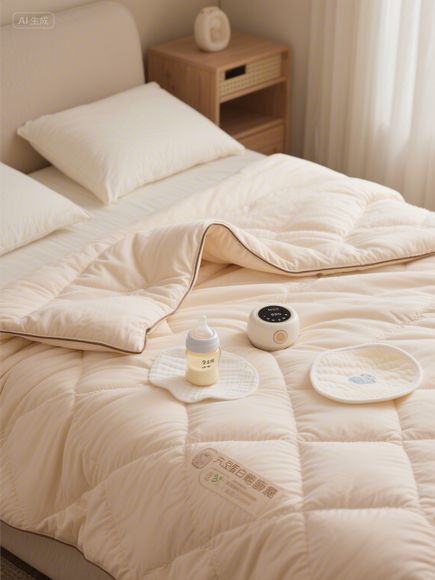
How Many Pounds Should Your Goose Down Quilt Weigh?A Comprehensive Guide
This guide addresses the question of ideal weight for goose down quilts, typically ranging from 3 to 8 pounds. The appropriate weight depends on the bed size, desired warmth level, and personal preference. A heavier quilt provides more warmth and body hugging, suitable for colder climates or colder sleepers, while a lighter quilt offers less warmth and a fluffier feel. Consider your room temperature, body type, and how warm you like to sleep to determine the right weight for your goose down comfort quilt.
Okay, let's talk about something cozy and essential for a good night's sleep: the perfect goose down quilt! You've probably seen them advertised with weight specifications like "4 lbs," "6 lbs," or even "8 lbs," and you might be scratching your head wondering, "How many pounds is the right amount?" It's a fair question. The weight of a down quilt, measured in pounds or kilograms, directly impacts its warmth, feel, and overall value. So, how many pounds should your goose down quilt be? It depends, but we're here to break it down for you.
First off, what does the weight actually mean? Think of it like this: a higher weight quilt has more down clusters packed into the same size quilt. More down generally means more warmth potential, but it also means the quilt might feel a bit heavier when you're snuggling up. A lower weight quilt has fewer down clusters, which can make it lighter and feel fluffier initially, but it might not provide as much warmth on its own.
So, what's the magic number? There's no single "right" answer because everyone's needs are different. Let's explore the factors that influence the ideal weight for you.

Factors Influencing the Ideal Down Weight
-
Body Weight & Temperature Regulation: This is a big one. If you're a larger person, or if you naturally sleep quite warm, you'll likely need a heavier quilt (e.g., 6 lbs or 8 lbs) to maintain your desired sleeping temperature throughout the night. Conversely, if you're smaller-framed or tend to feel cold easily, a lighter quilt (e.g., 4 lbs or 5 lbs) might be more comfortable. Remember, body weight isn't just about size; metabolism and how you regulate body heat also play a role.
-
Climate & Season: Where you live and the time of year matter significantly.
- Cold Climates / Winter: In very cold environments, or if you live somewhere with harsh winters, a heavier quilt (7 lbs or 8 lbs) is often necessary to combat the cold effectively. Layering can also be a strategy here.
- Mild Climates / Transitional Seasons: For moderate temperatures, a medium-weight quilt (around 5 lbs or 6 lbs) is often a versatile choice. It provides good warmth without excessive bulk.
- Warm Climates / Summer: In hot or humid climates, a lighter quilt (4 lbs or even 3 lbs) is usually preferred. Some people even opt for quilts filled with breathable materials like bamboo viscose or Tencel alongside or instead of down for summer.
-
Bed Size & Quilt Cover: The weight recommendation often assumes a standard quilt size (like a Twin, Full, or Queen). A heavier quilt on a smaller bed might feel overwhelmingly warm for some. Conversely, a lighter quilt on a larger bed might feel insufficient. Consider the weight relative to the bed size.
-
Personal Preference: Ultimately, comfort is subjective. Some people love the feeling of a substantial, heavy quilt ("weight therapy"), while others prefer something light and airy. Don't be afraid to experiment if possible, or choose a weight that aligns with your known preferences.
A Quick Reference Guide: Weight Ranges & Ideal For
Here’s a general guide to help you navigate the different weight categories. Keep in mind this is a starting point, and personal factors will shift the ideal:
| Weight Category | Typical Pound Range | Best Suited For | Key Characteristics |
|---|---|---|---|
| Lightweight | 3 lbs - 4 lbs | Smaller individuals, warm sleepers, hot climates, summer use | Fluffy feel, less warmth, ideal for staying cool |
| Standard/Moderate | 5 lbs - 6 lbs | Average individuals, moderate climates, year-round use (with adjustment) | Good balance of warmth and weight, versatile choice |
| Heavyweight | 7 lbs - 8 lbs | Larger individuals, cold climates, cool sleepers, winter use | More warmth, substantial feel, provides extra security |
Let's Answer Some Common Questions:
Q: What is the absolute minimum weight I should get? A: Well, you can get a quilt as low as 3 lbs, but be aware that this offers less warmth. It's great if you sleep very warm or live in a consistently warm environment, but it might not be sufficient for colder nights or if you're prone to feeling chilly. Aim for at least 4-5 lbs for general comfort unless your specific circumstances dictate otherwise.
Q: Does a heavier quilt automatically mean it's warmer? A: Generally, yes, because more down provides more insulation. However, the quality of the down is just as important. A high-quality, well-insulated 4 lb quilt can feel warmer than a poorly made 6 lb quilt. The fill power (measured in PCF - Pounds per Cubic Foot) indicates the quality; higher fill power means more warmth for less weight. Look for quilts with fill power of 600 PCF or higher for genuine warmth.
Q: How do I know if my current quilt needs replacing? A: Besides checking the weight (if it's significantly lower than you remember, the down might have lost its loft), look for signs of poor performance: does it clump? Does it feel compressed or lumpy? Does it fail to keep you warm anymore? If the down has lost its ability to fluff and insulate, it's time for a new one. Also, check the care label – down quilts require specific care to maintain their quality.
Q: Can I use a heavier quilt in warmer months? A: Yes, you can, but it might feel too warm. Some people layer a lighter quilt over a heavier one and remove the top layer if they get too hot. Alternatively, consider quilts made with temperature-regulating materials for warmer months, or simply use a lighter weight quilt designed for year-round use if available.
Case Study: Choosing the Right Weight for Different Needs
- Scenario 1: Sarah in Minnesota: Sarah is an average-sized woman who tends to feel cold easily. She lives in a cold climate with long winters. She opts for an 8 lb goose down quilt with high fill power (800 PCF). The extra weight provides the warmth she needs to stay cozy through the winter without needing extra blankets.
- Scenario 2: David in Florida: David is a large man who sleeps very warm. He lives in a warm, humid climate. He chooses a 4 lb, high-quality (700 PCF) goose down quilt for year-round use. While it might feel a bit light in the dead of winter, it keeps him cool and comfortable during the hot Florida summers and is sufficient enough for mild winter nights with perhaps a light blanket.
- Scenario 3: Emma in the UK: Emma is of average build and sleeps comfortably in moderate temperatures. She lives in a region with four distinct seasons. She selects a versatile 6 lb (650 PCF) down quilt. This weight works well for her throughout most of the year, allowing her to adjust with layers (like an extra blanket) during the coldest winter months if needed.
Introducing Jia Yu Textile Factory: Crafting Quality Goose Down Quilts
When searching for a reliable goose down quilt, especially one that balances warmth and weight effectively, you might come across manufacturers like Jia Yu Textile Factory. They focus on producing high-quality bedding, and their goose down quilts are no exception. Here’s what makes their products potentially a great choice:
- Premium Raw Materials: Jia Yu Textile Factory often sources its goose down from reputable suppliers, potentially including regions known for high-quality down like Hungary or Canada. This means the down used is typically cleaner, fluffier, and has a higher fill power, translating to better warmth performance even at lower weights.
- Advanced Filling Technology: They utilize modern technology in their filling process. This often includes anti-pilling treatments and processes that ensure the down clusters remain separate and functional for a longer period. This results in quilts that maintain their fluffiness and warmth over time without developing lumps or compressed areas.
- Attention to Detail: Beyond the raw down, factors like the shell fabric (often cotton or high-quality polyester blends), stitching (box stitching is common and helps retain fill power), and overall construction contribute to the quilt's longevity and comfort. Jia Yu Textile Factory likely employs standards that ensure these details are handled well.
- Quality Certifications: Reputable manufacturers often seek certifications like Oeko-Tex Standard 100, which confirms the product is free from harmful substances. This adds a layer of safety assurance for consumers.
In Conclusion: Finding Your Sweet Spot
So, how many pounds should your goose down quilt be? There isn't one single perfect number. The ideal weight is a personal equation based on your body type, the climate you live in, the seasons, and your individual temperature preferences. By considering the factors discussed – body weight, climate, personal comfort level, and the versatility needed – you can narrow down the best weight range for you.
Start by thinking about your typical comfort needs. Are you a cold sleeper needing warmth? Do you live somewhere with extreme temperatures? Or are you looking for a versatile option? Use the weight guide as a starting point, and don't hesitate to read product descriptions carefully, paying attention to fill power and shell material if possible.
Remember, a well-chosen down quilt is an investment in your sleep quality. Taking the time to find the right weight ensures you'll enjoy optimal comfort, warmth, and support for many nights to come. Happy snuggling!
Expanded Knowledge:
Introduction
In the world of bedding, the quality of materials can make a significant difference in the comfort and warmth of a product. Among the various types of down comforters available, goose down comforters are highly regarded for their excellent insulation properties and soft texture. When it comes to determining how many pounds of goose down is suitable for a comforter, there are several factors to consider. In this article, we will explore the ideal weight of goose down comforter, its benefits, and some practical tips to help you make an informed decision.
Understanding Goose Down Comforters
Goose down comforters are made from the feathers and down of geese. These materials are renowned for their excellent insulating properties, which make them ideal for keeping you warm during cold nights. The down is soft and light, providing a cozy feel against your skin. Additionally, goose down comforters are breathable, ensuring that your skin stays cool even on the coldest nights.
Factors to Consider When Choosing the Ideal Weight of Goose Down Comforter
-
Comfort and Weight: The weight of the goose down comforter should be comfortable for you. If you are looking for a very light comforter, a lighter weight might be suitable. However, if you prefer a thicker comforter for extra warmth, a heavier weight could be a better choice.
-
Insulation Needs: The climate you live in will affect how much insulation you need. In colder climates, a heavier weight of goose down comforter will be necessary to provide adequate warmth. In milder climates, a lighter weight might suffice.
-
Material Quality: The quality of the goose down and the comforter fabric can also influence the ideal weight. High-quality materials mean better durability and insulating properties, making it easier to find a comfortable weight for your needs.
-
Personal Preferences: Ultimately, the ideal weight of goose down comforter is subjective and depends on your personal preferences. Some people may prefer a very light comforter for sleeping, while others may opt for a thicker one for additional warmth.
Determining the Ideal Weight of Goose Down Comforter
To determine the ideal weight of goose down comforter, consider the following steps:
-
Assess Your Needs: Think about your climate, your insulation needs, and your personal preferences. This will help you narrow down your options and find a comforter that suits your needs.
-
Try Different Weights: If possible, try different weights of goose down comforters to see which one feels the most comfortable for you. Some brands offer samples or allow you to try on different weights before making a purchase.
-
Consider the Fabric: The fabric of the comforter can also affect its weight and insulating properties. Heavy-duty fabrics may provide better insulation but could be bulkier, while lightweight fabrics may not be as insulating but are easier to fold and store.
-
Read Reviews: Look for reviews online to get an idea of what other customers think about the weight and quality of the goose down comforter. This can help you make a more informed decision.
Benefits of Choosing the Right Weight of Goose Down Comforter
Choosing the right weight of goose down comforter can provide several benefits, including:
-
Enhanced Comfort: A comfortable weight of goose down comforter will keep you warm without causing discomfort or sweating during sleep.
-
Improved Sleep Quality: A well-fitted comforter can help you sleep better by providing the right amount of insulation and support.
-
Energy Efficiency: Using a comforter that is too heavy or too light can affect your energy efficiency. A comfortable weight will ensure that your body stays warm when you need it and cool when you don't.
-
Durability: A high-quality goose down comforter with an ideal weight will be more durable and last longer.
Practical Tips for Choosing the Right Weight of Goose Down Comforter
-
Start with a Light Weight: If you are new to goose down comforters or have not tried one before, start with a lighter weight. This will allow you to adjust to the feel and insulation of the comforter over time.
-
Gradually Increase Weight: Once you are comfortable with the light weight, gradually increase the weight as needed. This will help you find the perfect balance between warmth and comfort.
-
Consider the Layering: Layering your comforter with other bedding materials, such as cotton or polyester sheets, can help you achieve the desired level of warmth and comfort.
-
Wash Regularly: Regularly washing your goose down comforter will keep it fresh and insulating. Be sure to follow the care instructions to avoid damaging the material.
Case Study: Choosing the Ideal Weight of Goose Down Comforter for a Cold Climate
Let's take a look at an example of how to choose the ideal weight of goose down comforter in a cold climate. Suppose you live in an area with extremely cold winters. In this case, you will need a heavier weight of goose down comforter to provide adequate warmth.
-
Assess Your Needs: Since you live in a cold climate, you will need a comforter that can keep you warm throughout the night. This means you will need a heavier weight of goose down comforter.
-
Try Different Weights: If possible, try different weights of goose down comforters to see which one feels the most comfortable for you. You may find that a weight of around 12-15 ounces feels just right for you.
-
Consider the Fabric: Look for a high-quality, heavy-duty fabric that will provide excellent insulation and durability. This will ensure that your comforter can withstand the harsh cold weather.
-
Read Reviews: Read reviews online to get an idea of what other customers think about the weight and quality of the goose down comforter. This can help you make a more informed decision and find a comfortable and high-quality product.
By following these steps and considering the factors mentioned above, you can determine the ideal weight of goose down comforter for your needs and enjoy a cozy and comfortable night's sleep.
Conclusion
Choosing the right weight of goose down comforter is essential for ensuring maximum comfort and warmth during sleep. By considering factors such as your climate, insulation needs, personal preferences, and the material quality of the comforter, you can find the perfect balance between warmth and comfort. Additionally, practical tips such as starting with a light weight, gradually increasing the weight, layering with other bedding materials, and washing regularly can help you achieve the ideal comforter for your needs.
In conclusion, a well-fitted goose down comforter can provide numerous benefits, including enhanced comfort, improved sleep quality, energy efficiency, and durability. By taking the time to choose the right weight and considering your specific needs, you can enjoy a cozy and comfortable night's sleep throughout the winter months.