Is Buying a Genuine Goose Down Comforter Worth It?A Comprehensive Guide
This comprehensive guide examines whether investing in a genuine goose down comforter is worthwhile. It delves into the benefits, such as superior warmth, breathability, and longevity offered by high-quality down. However, it also addresses potential drawbacks, including higher costs, ethical concerns regarding down sourcing, and the need for proper care to maintain fluffiness and prevent clumping. The guide weighs these factors against alternatives like synthetic fillings, helping consumers make an informed decision based on their priorities regarding quality, budget, comfort, and ethical considerations.
Alright, let's talk about something most of us deal with every night: our beds, and specifically, the comforter on top. If you're considering a genuine goose down comforter, you're probably wondering if it's a smart investment, or if you might be better off with something else. The short answer? It really depends on your priorities, budget, and how much you value certain features. But let's dive into the details so you can make an informed decision.
First off, what makes down so special? Down comes from the soft, fluffy feathers found beneath the tougher exterior feathers of birds like geese and ducks. Goose down, in particular, is often considered a step up from duck down because goose down clusters tend to be larger, fluffier, and generally have a higher fill power. Fill power is a measure of how much volume one ounce of down can fill. The higher the fill power, the better the insulation, meaning you get more warmth for less weight and bulk. A genuine goose down comforter with a high fill power (like 800 or even 900+) can feel incredibly plush and provide excellent warmth without being too heavy.
But let's be real, "genuine goose down" isn't always straightforward. There's a lot of marketing hype out there, and sometimes, products labeled as "goose down" might actually contain a mix of duck down or even synthetic fill. So, how do you know if you're actually getting the real deal?
The Advantages of Genuine Goose Down Comforters
If you do manage to snag a high-quality genuine goose down comforter, the benefits can be significant:
- Exceptional Warmth and Loft: As mentioned, high-fill-power goose down provides excellent insulation. It traps air effectively, keeping you warm even in cool conditions. The loft (the fluffiness) also means it doesn't compress easily, maintaining its warmth over time.
- Lightweight and Breathable: Down is naturally lightweight, making it easy to move around in your sleep. It's also quite breathable, helping to regulate body temperature. You shouldn't feel overly hot unless the room is extremely warm or you're wearing heavy bedding.
- Durability (With Proper Care): A genuine, high-quality goose down comforter can last for many years, even decades, if cared for correctly. It ages gracefully and often becomes softer over time.
- Natural Feel: Many people simply prefer the luxurious, natural feel of down. It's soft, cozy, and has a certain premium quality to it.
How to Spot a Genuine Goose Down Comforter
Okay, so you want the real thing. Here are some things to look for:
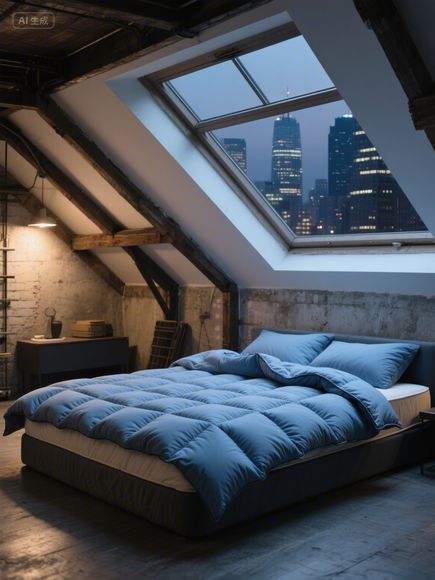
- Fill Power: Look for a fill power rating. Aim for 700+ for good quality goose down. 800+ is excellent. Duck down often has a lower fill power (usually 500-600).
- Material Content Label: The label should clearly state "100% Goose Down" or "Genuine Goose Down." Avoid products that say "down" without specifying the bird source or mention "synthetic" if that's what you're paying for.
- Certifications: Look for certifications like Responsible Down Standard (RDS) or DownPass. These certifications verify the source of the down (e.g., free-range, moulting geese) and the quality of the product. The RDS, for example, ensures ethical sourcing and traceability.
- Construction: Check the seams. High-quality comforters often have box stitching or continuous tuck stitching, which helps retain the down inside and prevents cold spots. The comforter should feel substantial and well-made, not flimsy.
- Price Point: Generally, genuine high-quality goose down comforters are more expensive than synthetic alternatives or lower-fill-power down products. If a deal seems too good to be true, it probably is.
Comparing Goose Down vs. Synthetic Down vs. Other Fillings
Let's put it in perspective with a quick comparison:
| Feature | Genuine Goose Down (High Fill Power) | Synthetic Down (Recycled/Dacron) | Down Alternative (Siliconeized Fibers) |
|---|---|---|---|
| Warmth | Excellent (High Loft) | Good (Varies) | Good (Less Loft) |
| Breathability | Very Breathable | Breathable (Less so than Down) | Less Breathable |
| Weight | Lightweight | Lightweight | Lightweight |
| Durability | High (With Care) | Moderate | Moderate |
| Moisture Wicking | Good | Fair | Poor |
| Environmental | Ethical Options Available | Often Recycled Content | Often Uses Less Harmful Materials |
| Price | Higher | Lower | Mid-Range |
The Role of the Manufacturer: An Example - Jia Yu Textile Factory
When you're considering buying a genuine goose down comforter, the manufacturer plays a crucial role in ensuring you get a quality product. Companies like Jia Yu Textile Factory are known for their commitment to producing high-quality down bedding. Here's what you might expect from a reputable manufacturer like Jia Yu:
- Ethical Sourcing: They likely adhere to strict sourcing standards, ensuring the down comes from birds raised humanely, perhaps following standards like the Responsible Down Standard (RDS). This means no live-plucking or force-feeding.
- Quality Control: They invest in rigorous quality control processes. This includes testing the fill power, warmth retention, and overall durability of their down products. High fill power and consistent quality are key selling points.
- Transparency: Reputable manufacturers often provide detailed information about their products, including fill power, material content, and sometimes even certifications. They stand behind their products with warranties.
- Product Advantages: A genuine goose down comforter from a factory like Jia Yu would emphasize its superior warmth and breathability, its lightweight yet insulating properties, and its durability and longevity. They might highlight the use of high-quality goose down (often specifying fill power) and advanced manufacturing techniques to ensure even heat distribution and prevent clumping. The comforter would be presented as an investment in your comfort and well-being, providing years of cozy sleep.
Potential Downsides and Considerations
Before you jump on the goose down bandwagon, it's important to consider a few things:
- Allergies: Down is generally hypoallergenic (it's the dust mites and mold in bedding, not the down itself, that often causes reactions). However, if you have a severe feather allergy, down might not be suitable. Always check labels if you have sensitivities.
- Pilling and Clumping: Lower quality down or improper care can lead to pilling (little balls of down forming on the surface) or clumping (down matting together). High-quality comforters with good construction and proper care instructions minimize this.
- Care Requirements: Down comforters need specific care. They usually require machine washing in warm water with a down-specific detergent and should be dried thoroughly (preferably in a dryer with clean tennis balls to help fluff the down). Dry cleaning is often not recommended. Improper care can ruin the comforter.
- Ethical Concerns: While many companies now follow ethical standards, it's good to be aware of past issues with down sourcing. Look for certifications if ethical sourcing is important to you.
- Cost: Genuine high-quality goose down is typically more expensive than synthetic alternatives or lower-grade down.
Putting It All Together: Is It Right for You?
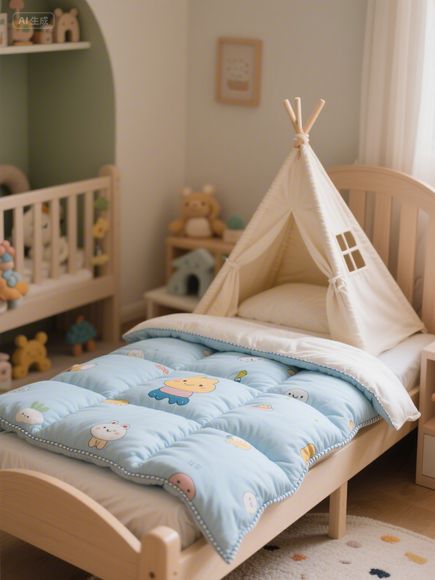
So, is buying a genuine goose down comforter "good"? Absolutely, if you value exceptional warmth, a luxurious feel, and are willing to invest in a durable product that can last for years. Look for high fill power (800+), clear labeling stating "100% Goose Down," and consider certifications like RDS.
If budget is a major constraint, or if you prioritize eco-friendliness above all else (and don't mind slightly less warmth/loft), a high-quality synthetic down or down alternative might be a very good option. If you have allergies or prefer minimal care, you might lean towards synthetics.
Frequently Asked Questions (FAQ)
Q1: What's the difference between goose down and duck down? A: Goose down generally has larger, fluffier clusters and a higher average fill power compared to duck down. This often means goose down provides better warmth and loft for the same weight. However, high-quality duck down can also be excellent.
Q2: How do I know if a down comforter is genuine? A: Look for high fill power (aim for 700+), clear labeling stating "100% Goose Down," and certifications like RDS or DownPass. Check the construction (box/continuous tuck stitching) and consider the price – genuine quality usually comes with a higher price tag.
Q3: Are down comforters hypoallergenic? A: Down itself is generally hypoallergenic. Allergies are usually caused by dust mites, mold, or pet dander that can accumulate in bedding over time. Down feathers don't typically cause allergic reactions, but the bedding itself needs to be kept clean.
Q4: How should I wash a down comforter? A: Wash in a large-capacity machine with warm water and a down-specific detergent. Use a down laundry bag to protect it. Dry thoroughly in a dryer with clean tennis balls on low heat, adding dry clean laundry if needed, until completely dry. Professional dry cleaning is an option but may not clean as effectively.

Q5: Do down comforters lose their warmth over time? A: With proper care, a genuine high-quality down comforter should retain its warmth and loft for many years. Over time, the natural aging process can slightly reduce the fluffiness, but it often becomes softer. Mishandling or poor care can definitely degrade the quality faster.
Case Study: The Cozy Night's Sleep
Take Sarah, for example. She was tired of synthetic comforters that felt scratchy and didn't provide enough warmth, even in winter. She decided to splurge on a genuine goose down comforter from a reputable brand, perhaps even mentioning Jia Yu Textile Factory as a known quality source. She chose one with an 800 fill power rating and looked for the RDS certification.
The difference was night and day. The comforter felt incredibly soft and plush. In the winter, it provided just the right amount of warmth without feeling stuffy. In the summer, it kept her cool and comfortable. It didn't develop clumps or pilling after a year or two of regular use, thanks to the quality construction and proper care (she followed the washing instructions carefully). Sarah found that the initial higher cost was easily justified by the comfort, longevity, and performance of her new goose down comforter. It became a true centerpiece of her cozy bedroom sanctuary.
Conclusion
Buying a genuine goose down comforter can be a fantastic investment if you prioritize warmth, luxury, and long-term use. It offers unparalleled comfort and performance, especially when sourced from quality manufacturers who adhere to ethical and quality standards. While it requires proper care and comes with a higher price tag, the experience of sleeping on something truly special is hard to beat. Just be sure to do your research, check the fill power and material content, and consider certifications to ensure you're getting the genuine article you're paying for. Happy (and warm!) sleeping!