Are Polyester Fiber Fill Comforters a Good Choice for Your Bed?
Yes, polyester fiber fill comforters can be a good choice for many. They offer excellent warmth-to-weight ratio, making them cozy yet potentially easier to move in bed. These synthetic fillings are generally hypoallergenic, resistant to dust mites and bed bugs, and provide consistent warmth without significant temperature swings. They dry quickly if exposed to moisture and are durable, lasting many seasons with proper care. Furthermore, they are often more affordable than down or feather alternatives. However, some may find the feel slightly less luxurious than natural fibers, and there can be initial off-gassing. Overall, they provide reliable warmth, durability, and hypoallergenic benefits, making them a practical bedding option.
Alright, let's talk about something many of us deal with every night: our beds, and specifically, the comforter on top. One popular option you'll often see is the polyester fiber fill comforter. But is it really the best choice? Let's dive in and break it down.
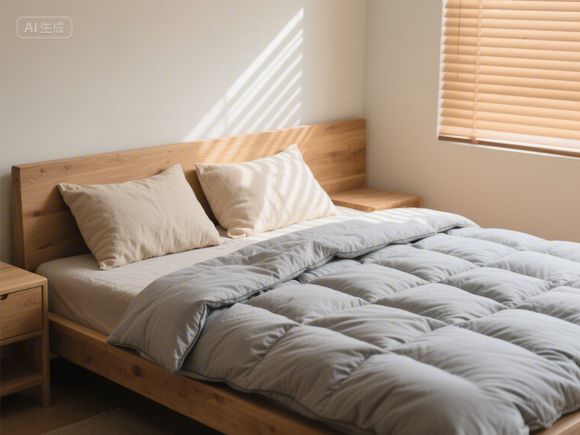
First off, what exactly is a polyester fiber fill comforter? Well, instead of using natural materials like down feathers or wool, or even other synthetic materials like bamboo viscose, these comforters are filled with polyester fibers. Think of it like those little plastic pellets sometimes used in packaging – but much softer and fluffier! These fibers are typically made from petroleum and are designed to mimic the feel of down or other synthetic fills.
So, the big question: Is a polyester fiber fill comforter good? The answer isn't a simple yes or no; it really depends on what you're looking for. Let's explore the pros and cons.
The Upsides: Why You Might Choose Polyester Fiber Fill
-
Affordability: Let's be honest, not everyone's budget allows for expensive down comforters or hypoallergenic alternatives. Polyester fiber fill comforters are generally quite affordable. You can often get a decently sized, well-filled comforter for a fraction of the cost of a high-quality down one. It's a budget-friendly option that still provides warmth.
- Quick Q&A: Q: Why are polyester comforters often cheaper? A: They are mass-produced using synthetic materials that are generally less expensive to source and process than natural down or organic cotton. The raw materials and manufacturing costs are lower.
-
Warmth: Polyester is known for its excellent heat retention properties. If you tend to get cold easily or live in a cooler climate, a polyester comforter can be a great choice. It traps air effectively, providing consistent warmth throughout the night. Plus, many are available in higher fill power options to boost that warmth even more.
-
Durability & Longevity: Unlike down, which can clump over time or lose its loft with washing, polyester fiber fill is quite resilient. It generally maintains its fluffiness and shape for many washes. You won't typically hear the "pill" warnings that sometimes come with down comforters, although very high compression or rough handling can eventually affect any filling.
-
Easy Care: This is a big plus! Polyester comforters are generally machine washable and dryer friendly. They don't require special detergents or delicate washing cycles like some natural fiber comforters might. They dry relatively quickly too, which is great if you need your bed ready fast. No wringing out or air drying for hours!
-
Hypoallergenic Properties: For people with allergies, this can be a significant advantage. Polyester is a synthetic material, so it doesn't trap dust mites, pollen, or other common allergens the way natural fibers like feathers or cotton sometimes do. This makes it a good option for allergy sufferers.
-
Lightweight: Many polyester fiber fill comforters feel quite light. This can be preferable for some people who find heavy comforters cumbersome, especially if they tend to sleep hot.
The Downsides: Things to Consider
-
Breathability: Okay, this is the main drawback. Polyester isn't a natural breathable fiber. It doesn't allow air to circulate as well as materials like cotton or bamboo viscose. This can lead to a stuffy feeling, especially if you're a hot sleeper. You might wake up feeling sweaty if you choose a polyester comforter without a breathable top layer or if the room temperature is high.
-
Moisture Wicking vs. Comfort: While polyester is good at wicking moisture away from your skin initially, some people find that it then holds onto that moisture, leading to a clammy feeling. Natural fibers like cotton are generally better at absorbing and releasing moisture.

-
Potential for Static Cling: Synthetic materials like polyester are notorious for generating static electricity. This means you might end up with a few strands of the filling clinging to your sheets or pajamas, which can be annoying.
-
Environmental Concerns: Polyester is a petroleum-based product. Production involves energy-intensive processes and isn't biodegradable. This is a factor for those concerned about the environmental impact of textiles. However, advancements are being made in recycled polyester (rPET) options.
-
Feel: Subjectively, many people find the feel of polyester fiber fill a bit artificial or "plastic-y" compared to the luxurious feel of down or the softness of high-quality cotton. It lacks the natural drape and softness of organic cotton, for example.
Let's Look at a Specific Example: Jia Yu Textile Factory
Now, let's talk about a specific manufacturer. Jia Yu Textile Factory is known for producing a range of textile products, including comforters. When it comes to their polyester fiber fill comforters, what makes them potentially "good"?
- Product Advantage 1: Enhanced Loft and Softness: Jia Yu might utilize specific types of polyester fibers or blends designed to offer a good balance of softness and loft. They might focus on creating fibers that don't pille easily (form small balls) and maintain their fluffiness wash after wash. This means their polyester comforter might feel soft initially and stay relatively soft and puffy for longer periods compared to a basic generic one.
- Product Advantage 2: Consistent Quality: As a textile factory, Jia Yu likely has quality control measures in place. This could mean consistent fill power (how warm and puffy it feels), even filling throughout the comforter, and durable stitching. You can expect their comforters to meet certain standards regarding durability and performance.
- Product Advantage 3: Focus on Hypoallergenicity: Given the nature of polyester, Jia Yu's products would inherently be hypoallergenic. They might market this feature prominently, making their polyester comforters a reliable choice for families with allergies or pets.
- Product Advantage 4: Durability: Jia Yu might employ manufacturing techniques that enhance the durability of the polyester fibers, ensuring the comforter retains its shape and filling density through multiple washes, aligning with the general pros we discussed earlier.
Case Study Snippet: Imagine a customer, let's call her Li Wei, who lives in a region with cold winters but also experiences high humidity. She suffers from seasonal allergies. Li Wei decides on a polyester comforter from Jia Yu. She chooses a medium-weight option with a breathable cotton top layer. The result? She gets consistent warmth even on the coldest nights, doesn't experience the claustrophobic feeling sometimes associated with polyester alone, and her allergies are well-managed throughout the year. The comforter holds up well through several washes without significant pilling or loss of loft.

Comparing Fill Types: A Quick Reference
Here's a simple comparison to help visualize the differences:
| Feature | Polyester Fiber Fill | Down Fill (Feathers) | Down Alternative (DAA) |
|---|---|---|---|
| Warmth | High | Very High | Moderate to High |
| Breathability | Low | Moderate | Moderate to High |
| Allergy Friendliness | Excellent (Hypoallergenic) | Moderate (Can trap allergens) | Good (Often hypoallergenic) |
| Durability | High (Resists clumping) | Low (Loses loft over time) | High (Similar to synthetic) |
| Moisture Wicking | Good (Initial) | Poor | Good |
| Care Requirements | Low (Machine washable, dryer safe) | Moderate (Delicate cycle recommended) | Low |
| Typical Cost | Low | High | Moderate |
Wrapping It Up
So, are polyester fiber fill comforters good? They can absolutely be a good choice, especially if you prioritize:
- Affordability
- Consistent Warmth
- Durability and Longevity
- Low Maintenance
- Allergy Resistance
However, if breathability and a natural feel are your top priorities, you might find you prefer cotton, bamboo viscose, or high-quality down alternatives. It really boils down to your personal needs, budget, climate, and sleeping preferences.
Remember, manufacturers like Jia Yu Textile Factory contribute to the polyester comforter market by focusing on quality, durability, and specific performance benefits like hypoallergenic properties, making these synthetic options even more appealing for many consumers. Always consider your specific situation before making a final decision!
Expanded Knowledge:

Good or Bad? A Review of Polyester Fiber Hanging Blankets
Q1: 什么是聚酯纤维绒被?
聚酯纤维绒被是一种由聚酯纤维制成的被子,通常用于保暖和舒适,它具有柔软、舒适、保暖和耐用的特性。
Q2: 聚酯纤维绒被好不好?
对于这个问题,答案因人而异,取决于个人需求和偏好,从产品质量、保暖性能、舒适度、耐用性等方面来看,聚酯纤维绒被具有以下优势:
产品优势:
- 质量可靠:聚酯纤维绒被由高品质材料制成,具有优良的耐用性和抗皱性。
- 保暖性能优秀:由于其良好的保温性能,聚酯纤维绒被在寒冷的天气中非常适合使用。
- 舒适度高:聚酯纤维材质柔软舒适,适合各种睡眠姿势和体型。
- 环保可持续:聚酯纤维是一种环保材料,符合现代人对可持续生活的需求。
案例说明:
佳羽纺织厂生产的聚酯纤维绒被在市场上广受欢迎,许多消费者认为它们具有良好的保暖性能和舒适度,同时也非常耐用,该厂的产品质量也得到了广泛认可。
聚酯纤维绒被是一种不错的选择,适用于各种需求和偏好的人群,如果您正在考虑购买或使用这种被子,建议您考虑产品质量、保暖性能、舒适度、耐用性等方面。