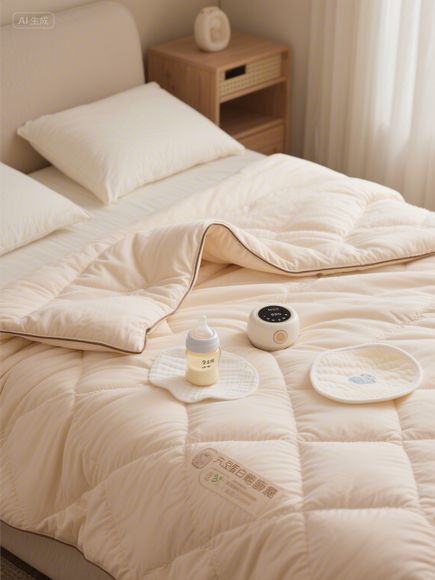
Can Goose Down Comforters Be Water-Rinsed?A Comprehensive Guide
Most goose down comforters are not designed for machine washing or water rinsing, as this can damage the delicate down clusters, lead to clumping, and increase the risk of mold or mildew. While some high-quality comforters may be machine washable (check labels!), professional dry cleaning is often the safest method. Spot cleaning small stains with a mild detergent solution might be possible, but full water rinsing is generally discouraged.
Alright, let's talk about something many of us deal with: keeping our cozy goose down comforters fresh and in top condition. You know, those giant, fluffy things that feel like a cloud and keep us warm through chilly nights. But sometimes, they can get a bit... well, lived in. Maybe they've absorbed some cooking smells from the kitchen, or perhaps they just need a good general clean. The big question is: can you just toss a goose down comforter into the washing machine and dryer like you would with regular clothes? And more importantly, is it safe and effective?
The short answer is: Yes, many high-quality goose down comforters can be water-rinsed, but it's not always straightforward and depends heavily on the comforter's construction and care instructions. Doing it improperly can lead to damage, clumping of the down, or even mold and mildew growth. So, let's dive deeper into understanding why, how, and when you should water-rinse your goose down comforter.
Understanding Goose Down
First, let's quickly recap what makes goose down special. Goose down is the soft, fluffy insulation found beneath the feathers of a goose. It's prized for its excellent thermal properties – it traps air incredibly well, providing superior warmth even when compressed. This structure is key.

- Filaments and Structure: Down clusters are made up of countless tiny filaments that radiate from a central core. These filaments create a natural criss-cross pattern, forming a structure that can fill out significantly when lofted (expanded). This is what gives down its warmth and that characteristic 'cloud-like' feel.
- Loft: Loft is the measurement of how much volume down takes up. Higher loft generally means better warmth and fluffiness. Goose down typically has a higher loft than duck down, often ranging from 600 to 900+ fill power.
- Fill Power: This is a measure of the down's ability to loft. It's measured by how many cubic inches of space 3 ounces of down occupies. Higher fill power (e.g., 800, 900, 950, 1000+) indicates higher quality down that is fluffier, warmer, and more durable.
The Case for Water-Rinsing
Water-rinsing, or washing, a comforter is often necessary for:
- Removing Odors: Cooking smells, pet odors, smoke, or general body oils can build up.
- Eliminating Dirt and Allergens: Dust mites, pollen, and general accumulated dirt need to be removed. Washing can also help remove some allergens, although special treatments might be needed for severe allergies.
- Restoring Freshness and Fluffiness: Over time, comforters can lose their fluffiness and freshness.
The Potential Risks of Water-Rinsing
However, water and down don't always mix perfectly. The main risks include:
- Down Clumping: This happens when down clusters get wet and start sticking together. Clumping reduces loft, warmth, and the overall comfort of the comforter. It can be frustrating to deal with.
- Damage to Fabric and Fillings: The outer shell (shell) of the comforter, often made of cotton, linen, or synthetic blends, can shrink, fade, or weaken with improper washing. The inner fillings, if not designed for machine washing, can also be damaged.
- Mold and Mildew: If a comforter is not dried thoroughly after washing, especially in humid conditions, mold and mildew can grow, leading to unpleasant smells and potential health issues.
- Warranty Voidance: Many comforter manufacturers void warranties if their products are washed or dry cleaned improperly without following their specific care label instructions.
So, Can You Really Water-Rinse Them?
Yes, but with precautions and the right approach. Many modern comforters are specifically designed and labeled as machine washable. This is a significant advantage for consumers who want easy care.
Factors Influencing Washability
- Construction: Comforters with a high-quality shell (like ripstop cotton or tightly woven synthetics) and a core of high-fill-power goose down are generally more resilient and better suited for washing.
- Treatments: Some down comforters are treated with special coatings or finishes designed to repel water and oil stains, which can also help protect the down during washing. These treatments don't necessarily prevent clumping but can make the comforter easier to care for.
- Care Label Instructions: This is the MOST important factor. ALWAYS check the care label attached to your comforter. It will provide specific guidance on washing, drying, and sometimes even recommend professional cleaning. Follow these instructions precisely.
How to Safely Water-Rinse a Goose Down Comforter (If Labeled Appropriate)
If your comforter is machine washable, here’s a general guide:
- Check the Label: Confirm washing is allowed and get specifics on water temperature, detergent type (usually hypoallergenic, fragrance-free), and drying.
- Pre-Treat Stains: If there are noticeable stains (e.g., from spills), try to spot-treat them before washing according to the care label or detergent instructions.
- Wash Separately: Wash the comforter in a large capacity front-load washing machine (top-loader with a agitator can be too harsh) using the largest available settings. Wash with similar items like pillows or duvets, but avoid heavy, bulky items that could damage the machine or the comforter. Use only the recommended amount of detergent. Avoid using fabric softener, as it can coat the down clusters and reduce their ability to loft and trap air.
- Rinse Thoroughly: Ensure you rinse well to remove all detergent residue. Residual soap can be detrimental to down.
- Dry Completely: Drying is CRUCIAL. Down comforters take a long time to dry. You must dry them thoroughly to prevent mold and mildew. Air drying is often recommended for maximum fluffiness and to help the down regain its loft, but machine drying is usually faster if the label allows.
- Machine Drying: If machine drying is permitted (often requires a permanent press setting or no heat setting), use the highest heat setting suitable for the shell fabric (check the label). Add clean tennis balls or dryer balls to help separate the down clusters and speed up drying. Dry for a long time – often 24 hours or more – until the comforter is completely dry and fluffier than ever. Check frequently.
- Air Drying: If air drying is preferred or machine drying isn't allowed, hang the comforter outside in a well-ventilated area, out of direct sunlight, on a drying rack. Turn it occasionally. This can take several days. Ensure it's completely dry inside and out.
Comparison of Common Cleaning Methods for Goose Down Comforters
| Cleaning Method | Effectiveness | Down Impact | Shell Impact | Time Required | Best For |
|---|---|---|---|---|---|
| Machine Washing | Good for removing dirt, odors, allergens | Moderate risk of clumping if not done properly | Can cause shrinkage or color fading if not shell-appropriate | Varies (usually 1-2 hours wash + long drying) | Comforters labeled machine washable; removing general dirt and odors |
| Professional Dry Cleaning | Excellent for removing tough stains, odors; preserves delicate fabrics | Minimal impact on down structure | Preserves shell fabrics; prevents shrinkage | 1-3 days (business hours) | Delicate comforters; oil-based stains; shell fabrics that shouldn't be washed |
| Spot Cleaning | Limited to treated area | Minimal impact | Only affects treated area | Immediate to short-term | Small stains; preventing full washing for convenience |
| Air Drying | Excellent for fluffiness and natural setting | Promotes even drying and loft restoration | None (if done properly) | Several days to weeks | After machine washing; achieving maximum fluffiness; humid climates |
Frequently Asked Questions (FAQs)
Q1: What's the difference between washing and dry cleaning a down comforter? A: Washing uses water and detergent to clean the comforter, which is effective for dirt and odors but requires careful handling to avoid clumping and damage. Dry cleaning uses solvents (like perchloroethylene) and no water, which is gentler on the down clusters but may not clean as effectively as water for general dirt and is often more expensive. Many modern comforters are designed to be machine washed, making dry cleaning unnecessary for routine cleaning.
Q2: Can I use regular laundry detergent for my down comforter? A: Generally, no. Regular detergents, especially those with fabric softeners or optical brighteners, can damage down clusters and leave residues that hinder loft. Always use a hypoallergenic, fragrance-free, down-specific detergent if machine washing. Check the care label for specific recommendations.
Q3: How do I know if my comforter is made of goose down or duck down? A: The label should clearly state the fill material. Goose down typically has a higher fill power (800+), while duck down is often lower (600-700+). Visually, goose down clusters are usually fluffier and more rounded than duck down clusters, which can be slightly more elongated. However, label information is the most reliable source.
Q4: My comforter label says "dry clean only." What should I do if it gets dirty? A: For comforters labeled dry clean only, professional dry cleaning is the safest option. You can spot clean minor stains with a clean, damp cloth and a mild detergent diluted very thin, followed by air drying, but this won't clean the entire comforter effectively. Always test any cleaning method on a small, inconspicuous area first if the label doesn't specify.
Q5: What should I do if my comforter gets wet accidentally (e.g., spilled water)? A: Blot up the excess water immediately with a clean towel or sponge – don't rub. Try to air dry it as much as possible in a well-ventilated area. If the label allows machine washing, wash and dry thoroughly according to instructions. If the label says "dry clean only," professional cleaning is recommended to prevent damage and mold.
Case Study: The Long Island Homeowner
Meet Sarah from Long Island. She bought a high-quality goose down comforter from a reputable online retailer known for its durable products. The comforter was labeled as machine washable with a high fill power (900+). A few months later, a pot of boiling water accidentally tipped over onto the comforter, soaking a significant portion. Instead of panicking, Sarah remembered the care label. She carefully blotted the area, then air-dried the soaked section outside for two days. Once completely dry, she machine-washed the entire comforter using the recommended down detergent and the highest heat setting suitable for the shell. She added tennis balls to the dryer. After a long drying cycle, her comforter was back to its original fluffiness, and the water damage was barely noticeable. This highlights the importance of following care instructions for machine-washable goose down comforters.
Product Advantage Focus: Jia Yu Textile Factory
At Jia Yu Textile Factory, we pride ourselves on manufacturing high-quality goose down comforters that offer exceptional warmth, durability, and ease of care. Our commitment to quality is evident in:
- Premium Goose Down: We source top-grade goose down with high fill power (often exceeding 800), ensuring superior warmth and fluffiness.
- Durable Construction: Our comforters feature high-quality, durable shells designed to withstand regular use and proper care, including machine washing.
- Advanced Treatments: Many of our down comforters are treated with specialized finishes. These treatments help repel water and oil stains, enhance durability, and contribute to easier maintenance and longer product life.
- Clear Care Instructions: We provide clear, detailed care labels on all our products, guiding customers on the best methods for washing and drying to maintain the comforter's performance and appearance. We recommend machine washing with our specific down detergent and air drying or machine drying according to label instructions for optimal results.
Choosing a Jia Yu Textile Factory goose down comforter means investing in a product built to last, providing years of cozy, warm sleep, and offering care instructions to keep it performing beautifully.
Conclusion
In summary, yes, goose down comforters can generally be water-rinsed, but it requires careful consideration and adherence to specific care guidelines. Always consult the care label first. For machine-washable comforters, use the right detergent, rinse thoroughly, and dry completely, either in a machine with care or by air drying. Understanding the properties of down, the risks involved, and the proper cleaning techniques will help you keep your goose down comforter soft, fresh, and fluffy for many seasons to come. If you're unsure, professional dry cleaning is always a safe bet, especially for delicate fabrics or comforters labeled as such. Happy cozying!
Expanded Knowledge:
Introduction to the topic of goose down blankets and their dehydration
In the realm of luxury bedding, goose down blankets have emerged as a top choice for those seeking warmth, comfort, and unparalleled insulation. These blankets are crafted from the finest goose feathers, which provide excellent insulating properties, keeping you cozy during the harshest of weather conditions. However, like any other product, questions arise regarding their care and maintenance, specifically whether they can be脱水.
Understanding Dehydration
Before diving into the specifics of脱水对于goose down blankets的影响,let's first clarify what dehydration is. Dehydration refers to the process of removing moisture from a substance. In the context of goose down blankets, dehydration would mean removing the moisture content from the feathers, thereby reducing their weight and volume while preserving their insulating properties.
Is Dehydration Necessary?
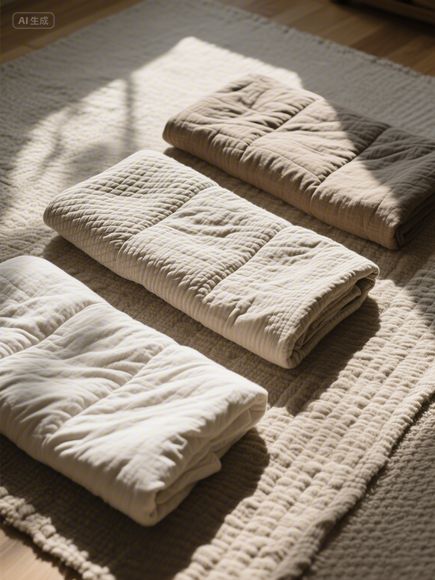
Dehydration of goose down blankets is not always necessary, but it can offer several benefits. For instance, it can help to extend the life of the blanket by reducing the amount of moisture that can cause mildew and mold growth. Additionally, dehydrated blankets tend to feel cooler than those that are wet, making them more comfortable to sleep on during hot nights.
The Dehydration Process
The dehydration process for goose down blankets can be done through various methods. One common method is to hang the blankets in a dry, well-ventilated area for several hours or overnight. This allows the moisture to evaporate naturally. Another method involves using a dehydrator, which is designed specifically for this purpose and can extract moisture more efficiently.
Benefits of Dehydrated Goose Down Blankets
There are several advantages to using dehydrated goose down blankets:
- Extended Lifespan: Dehydration helps to remove moisture, reducing the risk of mildew and mold growth. This extends the lifespan of the blanket.
- Weight Reduction: Dehydrated blankets are lighter than their wet counterparts, making them easier to handle and store.
- Cooler Sleep: Dehydrated blankets tend to feel cooler due to the reduced moisture content, providing a more comfortable sleeping experience.
- Enhanced Insulation: Despite being lighter, dehydrated blankets maintain their excellent insulating properties, ensuring that you stay warm when you need it most.
Case Study: Dehydrated Goose Down Blanket
Let's take a look at a real-life example to see how dehydrated goose down blankets can make a difference. Sarah, a lifestyle blogger, recently purchased a dehydrated goose down blanket from a premium brand. She was initially skeptical about the effectiveness of dehydration, but she was pleasantly surprised by the results.
"Initially, I was a bit skeptical about whether dehydrating a goose down blanket could actually make a significant difference," Sarah said. "However, after using it for a few weeks, I noticed a significant reduction in weight and an improvement in comfort. The blanket feels much cooler than before, and I no longer wake up feeling damp."
Sarah also mentioned that the dehydrated blanket has held up well over time. Unlike some of her other blankets that tend to get mildew and moldy, this one remains in excellent condition after several months of regular use.
How to Dehydrate Goose Down Blankets at Home
If you're interested in dehydrating your own goose down blankets, here's a simple guide to get you started:
- Choose the Right Area: Find a dry, well-ventilated area to hang your blankets. Avoid areas with high humidity or direct sunlight.
- Hang the Blankets: Use a sturdy rod or hanger to hang the blankets. Ensure that they are hung at an angle to allow moisture to evaporate more easily.
- Leave for Several Hours: Allow the blankets to hang for several hours or overnight. In hot weather, you may need to leave them out for even longer.
- Remove and Dry: After hanging, remove the blankets and spread them out in a well-ventilated area to dry completely. You can speed up the process by using a hairdryer set on a low heat setting.
Is Dehydration Suitable for All Goose Down Blankets?
While dehydrating most goose down blankets is generally safe, it's important to note that some may be better suited for dehydration than others. High-quality, professionally produced goose down blankets are more likely to withstand the dehydration process without losing their insulating properties. Additionally, synthetic blends or blankets made from alternative materials may not respond well to dehydration and could potentially degrade.
Conclusion
In conclusion, while the idea of脱水goose down blankets may seem like a luxury only for the wealthy, it is actually a practical and beneficial option for anyone looking to extend the life of their insulation. Dehydration offers numerous benefits, including weight reduction, improved comfort, and enhanced longevity. By understanding the process and the advantages, you can make an informed decision about whether dehydrated goose down blankets are right for you.
Questions and Answers
Q: Can I dry my goose down blanket in the dryer?
A: While a dryer can be used to dehydrate goose down blankets, it's not the most effective method. The dryer's heating elements can damage the delicate feathers, reducing their effectiveness as insulation. A simpler, more effective method is to hang the blankets in a dry, well-ventilated area or use a dehydrator.
Q: How long should I hang my goose down blankets to dehydrate them?
A: Typically, you should hang your blankets for several hours or overnight to allow the moisture to evaporate naturally. In hot weather, you may need to leave them out for even longer.
Q: Can I wash dehydrated goose down blankets?
A: Yes, you can wash dehydrated goose down blankets, but it's important to follow the care instructions provided by the manufacturer. Most dehydrated blankets can be washed in cold water using a gentle detergent and gently wrung out. Avoid using hot water or dryers, as these can damage the feathers.
Q: What are the benefits of using dehydrated goose down blankets?
A: Dehydrated goose down blankets offer several benefits, including weight reduction, improved comfort, enhanced longevity, and maintained insulating properties. They are also easier to handle and store, making them a practical choice for anyone looking to invest in high-quality insulation.
Q: How do I know if my goose down blanket is suitable for dehydration?
A: High-quality, professionally produced goose down blankets are more likely to withstand the dehydration process without losing their insulating properties. It's always a good idea to check the care instructions provided by the manufacturer to ensure that your blanket is suitable for dehydration.
By following these guidelines and understanding the benefits of dehydrated goose down blankets, you can make an informed decision about how to care for your insulation. Whether you're looking to extend the life of your existing blankets or invest in new ones, dehydration offers a practical and effective solution for maintaining high-quality insulation.