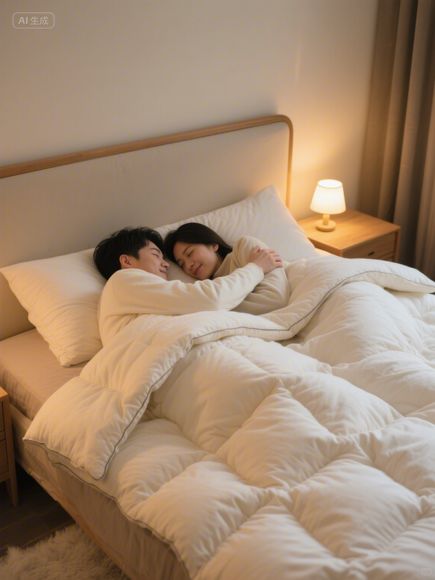
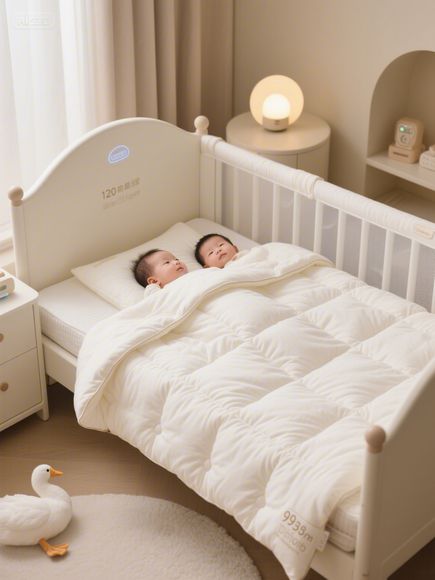
Unlocking the Potential of White Chicken Feathers:From Waste to Wonder Down Powder
This research explores the transformation of abundant white chicken feather waste into valuable down powder. Instead of being discarded, these feathers are processed to unlock their potential. The resulting powder possesses unique functional properties, making it a promising sustainable resource. Potential applications include cosmetics, pharmaceuticals, and potentially even textiles, offering an eco-friendly solution to poultry industry waste while creating a novel, high-value product.
Okay, let's talk about something pretty cool, but maybe not something you think about every day: Feathers White Down Powder Processing. You might be wondering, what's the big deal with turning white chicken feathers into a fine powder? Well, stick around, because this isn't just about recycling feathers; it's about creating a valuable, versatile, and surprisingly high-quality product with a range of amazing applications.
First off, where do these white feathers come from? Often, they are a byproduct of the poultry industry. Chickens moult, and a lot of those lighter, fluffier feathers end up needing a home. Instead of just composting them or sending them to landfill, we can process them. This process transforms them into what's often called "white down powder" or sometimes "feather meal," but the powder form is particularly interesting for certain uses.
So, How Does the Magic Happen?
The core process involves breaking down the feather structure. Feathers are made of a protein called keratin, which is tough and fibrous. To turn them into a usable powder, we need to break down this structure significantly.

- Mechanical Processing: This often involves grinding the cleaned feathers into a fine powder. Think of it like grinding coffee beans, but on a much larger scale. This can produce a relatively coarse powder.
- Chemical Processing: Sometimes, enzymes or other chemicals are used to break down the keratin bonds more effectively, leading to a finer, more uniform powder. This might involve treatments with specific enzymes that poultry naturally produce to digest feathers, or other specialized agents.
- Thermal Processing (Heat): Controlled heat can also break down the keratin. This might involve processes like calcination (heating to high temperatures to remove organic material, leaving calcium phosphate), but this isn't always the method for creating the fine down powder we're focusing on here. Often, the goal is to preserve some of the natural structure or properties.
Why Bother Processing White Feathers into Powder?
You might be asking, "Why not just use the feathers whole or in other forms?" Good question! Processing them into powder unlocks specific advantages that aren't available with feathers in their natural state. Let's break down the key benefits:
- High Purity & Fineness: The processing methods, especially enzymatic or fine grinding, can produce a very fine, almost powder-like substance. This high degree of fineness is crucial for applications where a smooth, non-irritating texture is essential. Think about products you put under your skin or apply directly to sensitive skin. The fine powder avoids the rough, fibrous feel of whole feathers.
- Hypoallergenic Potential: While individual feathers aren't inherently highly allergenic (unlike some dust mites), the fine powder form can be less likely to cause allergic reactions in sensitive individuals compared to larger feather particles. The smaller the particles, the less likely they are to trigger a reaction for many people. This is a significant advantage for bedding and personal care products.
- Absorbency: Finely processed white down powder has excellent absorbent properties. It can soak up liquids many times its own weight. This makes it incredibly useful for managing moisture in bedding, diapers, or even in cat litter. It helps keep things dry and comfortable by wicking away moisture.
- Lightweight & Insulating (in some forms): While the powder itself isn't fluffy like down clusters, the raw material is excellent at trapping air. Finely processed forms can still offer some insulating properties, especially if the powder structure allows for air pockets. This is more relevant for certain types of fillings or additives rather than the fluffy comfort of a down comforter.
- Natural Origin & Sustainability: Using a waste product (chicken feathers) to create a useful material is inherently sustainable. It reduces landfill burden and provides an eco-friendly alternative to synthetic materials in many applications. This aligns well with growing consumer demand for natural and responsibly sourced products.
- Versatility: The fine texture makes this powder suitable for a wide range of industries beyond just bedding. It's not just about comfort; it's about function.
Let's Look at the Advantages More Closely:
Here’s a quick comparison of the key benefits of using processed white down powder:
| Benefit | Description | Application Areas |
|---|---|---|
| High Purity & Fineness | Processing breaks down keratin structure to create a very fine powder | Cosmetics, pharmaceuticals, personal care products |
| Hypoallergenic Properties | Fine particle size reduces allergen potential compared to whole feathers | Bedding, pillows, sensitive skin products |
| Superior Absorbency | Can absorb many times its weight in liquid | Bedding, cat litter, hygiene products |
| Natural & Sustainable | Made from poultry byproduct, reducing waste | Eco-conscious consumers, sustainable products |
| Good Insulating Properties | Trapping air within fine particles provides thermal benefits | Textiles, insulation materials |
| Chemical Inertness | Generally stable and non-reactive | Food-grade applications, pharmaceuticals |
Putting It to Use: Real-World Examples
Okay, let's see this stuff in action:
- Case Study: The Better Bedding Company
- Question: "We're trying to differentiate our mattress line. What can white down powder do for us?"
- Answer: Imagine a customer who prefers natural materials and suffers from allergies. The Better Bedding Company incorporated a small amount of processed white down powder into the filling of their 'Allergy Relief' mattress toppers. The powder wasn't the main filling (which was natural latex), but it served a specific purpose. It added a subtle, non-woven layer that helped wick away moisture, preventing dampness and improving comfort. Crucially, the fine powder aspect meant it didn't feel scratchy or clumpy, ensuring a smooth, comfortable surface. Customer feedback highlighted the improved breathability and lack of claustrophobic feeling due to the fine texture compared to coarser fillings. It wasn't the entire story, but it was a key part of the value proposition.
- Case Study: Eco-Friendly Cat Litter Brand
- Question: "Our customers love our natural clumping litter, but we're getting complaints about tracking dust. What can we do?"
- Answer: This is a classic problem! The Eco-Friendly Cat Litter Brand switched from using solely ground walnut shells to incorporating a blend where white down powder made up a significant portion of the absorbent base. The powder provided excellent clumping and odor control, which was their core strength. However, because the powder was processed to a very fine consistency, it generated significantly less dust than coarser absorbents like clay or larger ground materials. This simple change dramatically improved user satisfaction regarding messiness, while maintaining the core performance benefits. The powder's natural origin also reinforced their eco-friendly brand image.
The Future is Fine:
White down powder isn't just a novelty; it's a practical, high-performance material. Its unique combination of fineness, purity, absorbency, and natural origin makes it indispensable in sectors ranging from textiles and cosmetics to hygiene and even potentially some food additives (though strict regulations apply here). The process of transforming these humble white feathers into this valuable powder represents a clever way to turn waste into a resource, offering solutions that are both functional and increasingly aligned with consumer demands for natural and sustainable products.
So, next time you see a pile of white feathers, remember – they might just be the raw material for something amazing!
Expanded Knowledge:
Introduction
In the world of textiles, few materials are as luxurious and versatile as down comforters. These warm, fluffy blankets are beloved by consumers for their comfort and insulation properties. However, the production of down comforters is not without its challenges. One of the key components in the production process is the white chicken feather powder, which adds texture, fluffiness, and durability to the down. This article will delve into the process of white chicken feather powder production, its benefits, and its impact on the final product.

The Production Process of White Chicken Feather Powder
The production of white chicken feather powder begins with the collection of chicken feathers from chickens raised for their feathers. These feathers are then cleaned, sorted, and cleaned to remove any impurities. The cleaned feathers are then dried and ground into a fine powder.
The grinding process is where the magic happens. The feathers are fed into a grinder, which breaks them down into smaller pieces. This powder is then screened to remove any large particles and dust. The resulting white chicken feather powder is fine, light, and has a uniform texture.
The Benefits of White Chicken Feather Powder
One of the primary benefits of white chicken feather powder is its ability to add texture and fluffiness to down comforters. The powder acts as a filler, providing structure and bulk to the down, making it softer and more plump. This makes the down comforter more comfortable to sleep in.
In addition to its textural benefits, white chicken feather powder also enhances the insulating properties of the down. The powder is a good insulator, helping to keep the body warm in cold weather. This makes it an ideal material for use in down comforters for people living in colder climates.
Another advantage of white chicken feather powder is its durability. Unlike some other fillers, white chicken feather powder does not degrade quickly or lose its effectiveness over time. This means that the down comforter made with this powder will remain comfortable and warm for many years.
Case Study: Jia Yu Textile Factory's Down Comforters
Jia Yu Textile Factory is one of the leading producers of down comforters in the industry. They have been using white chicken feather powder in their products for several years now, and their down comforters are highly regarded by consumers for their comfort, warmth, and durability.
The factory uses advanced grinding equipment to produce their white chicken feather powder. This ensures that the powder is fine and uniform, adding the desired texture and fluffiness to the down comforters. The factory also employs strict quality control measures to ensure that every batch of down comforters meets their high standards.
One of the key reasons why Jia Yu Textile Factory's down comforters are so popular is because of the quality of their white chicken feather powder. The powder they produce is not only fine and light, but it also has excellent insulating properties, making the down comforters very warm. Additionally, the powder is durable and does not degrade quickly, ensuring that the down comforters remain comfortable and effective for many years.
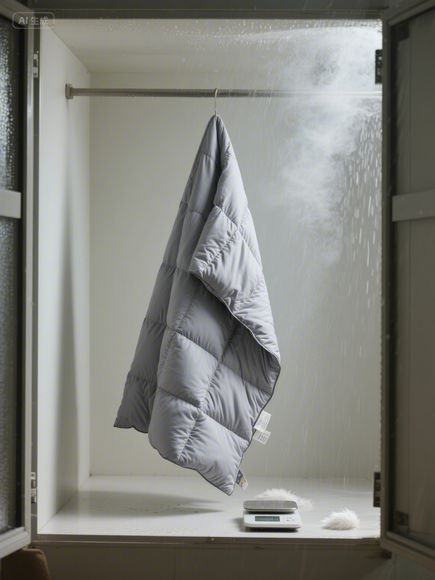
Product Advantages of White Chicken Feather Powder in Down Comforters
-
Enhanced Texture and Fluffiness: White chicken feather powder adds a soft, fluffy texture to down comforters, making them more comfortable to sleep in.
-
Improved Insulating Properties: The powder enhances the insulating properties of the down, helping to keep the body warm in cold weather.
-
Durability: White chicken feather powder is durable and does not degrade quickly, ensuring that the down comforters remain comfortable and effective for many years.
-
环保: The production process of white chicken feather powder is relatively environmentally friendly, as it uses waste feathers that would otherwise be discarded.
-
Cost-Effective: White chicken feather powder is a cost-effective alternative to other fillers, offering the same benefits without the high cost.
Conclusion
White chicken feather powder is an invaluable ingredient in the production of down comforters. Its ability to add texture, fluffiness, and durability makes it an ideal filler for down comforters, enhancing their comfort and effectiveness. Additionally, its durability ensures that the down comforters remain comfortable for many years.
The production process of white chicken feather powder is relatively simple and cost-effective, making it a popular choice in the textile industry. Jia Yu Textile Factory's success with their down comforters is a testament to the quality of white chicken feather powder and its effectiveness in creating luxurious, warm, and durable down comforters.
In conclusion, white chicken feather powder is a versatile and efficient material that adds significant value to down comforters. Its benefits in terms of texture, insulation, durability, environmental friendliness, and cost-effectiveness make it an essential component in the production of high-quality down comforters. As the demand for comfortable and warm down comforters continues to grow, the use of white chicken feather powder is likely to become even more widespread.