How to Wash Your Goose Down Comforter:A Step-by-Step Guide
This guide explains how to properly wash a goose down comforter. It recommends using a gentle cycle and a hypoallergenic, down-safe detergent in a large-capacity machine. Avoid fabric softeners and bleach. Rinse thoroughly until the water runs clear. After washing, remove excess water by wringing gently or using a spin cycle. Dry completely outdoors in direct sunlight or a dryer with clean tennis balls to help fluff the down, ensuring all clumps are broken up. Proper care maintains the comforter's warmth and longevity.
Alright, let's talk about something most of us dread: laundry, specifically washing our beloved goose down comforters. That big, fluffy thing you sink into every night? It deserves proper care to keep it cozy, fluffed, and lasting for years. Washing a goose down comforter might sound intimidating, but with the right know-how, it's actually quite manageable. Think of it less like washing a delicate dress and more like giving your down jacket a good clean. Ready to master the art? Let's dive in.
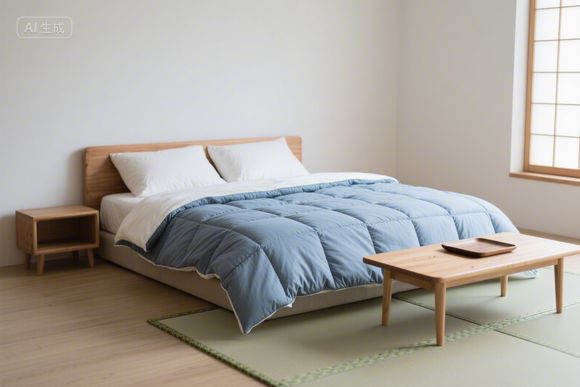
Why Bother Washing Your Goose Down Comforter?
First things first, why should you even wash it? Goose down is a natural insulator, trapping air to keep you warm. Over time, especially if your comforter sees a lot of use or lives in a dusty environment, it can accumulate dirt, oils from your skin, dust mites, and maybe even some unpleasant odors. While down comforters are generally hypoallergenic, trapped dirt and oils can degrade the down clusters and create an environment where dust mites thrive. Regular washing helps:
- Maintain Hygiene: Get rid of dust mites, pollen, and other allergens.
- Keep it Fresh: Banish stale smells and body oils.
- Preserve Quality: Clean down stays fluffier and insulates better longer.
- Extend Lifespan: Proper cleaning prevents premature clumping and loss of loft.
Understanding Goose Down Comforters
Before we get into the washing process, let's quickly understand what makes goose down special. Goose down is considered premium filling because it generally has a higher fill power (meaning more warmth for its weight) and is often softer and more durable than duck down. It's also naturally temperature-regulating and breathable. However, this same natural quality means it needs to be handled carefully during washing to prevent damage.
The Washing Process: Step-by-Step
Now, let's break down how to wash your goose down comforter. The exact steps might vary slightly depending on the comforter's care label, but the general process is similar.
Step 1: Preparation is Key
- Check the Care Label: This is your most important step! The label will tell you the manufacturer's specific washing instructions, including whether machine washing is safe, the recommended water temperature, and the type of detergent to use. Pay attention to any warnings about dry cleaning or hand washing.
- Pre-Treat Stains (Optional but Recommended): If you notice any stubborn spots or spills, try treating them before the main wash. Dab a small amount of mild detergent or a specialized down cleaner onto the stain and gently work it in. Let it sit for a few minutes before washing.
- Empty Pockets (If Any): Some comforters have side or corner pockets. Make sure these are empty before washing.
- Remove Pillowcases or Covers: If your comforter is covered with a removable pillowcase or duvet cover, take it off and wash that separately according to its care label. This protects the comforter and makes washing potentially easier.
Step 2: Choosing the Right Washing Method
Not all comforters are created equal, and the best washing method depends on the comforter's construction and care label. Here are the common options:
| Washing Method | Best For | Water Temperature | Detergent | Steps |
|---|---|---|---|---|
| Machine Washing | Most modern comforters with synthetic fill or protective shells | Cold water (Usually 30°C / 86°F) | Down-specific or hypoallergenic detergent | Use a large-capacity machine Add a clean, color-safe mesh laundry bag (optional) Select a gentle or extra gentle cycle Use only one pillowcase for extra fluff retention Add a high-efficiency (HE) washer or ensure good space |
| Hand Washing | Older or delicate comforters, or those with specific hand-wash only labels | Lukewarm water (Around 30°C / 86°F) | Mild detergent, no harsh chemicals | Fill a large basin with lukewarm water Submerge the comforter gently Agitate very gently using circular motions Rinse thoroughly with clean lukewarm water Squeeze out excess water carefully Avoid wringing or twisting |
| Professional Dry Cleaning | Comforters with silk or other delicate fabrics, or those with specific dry clean only labels | N/A | Solvent-based chemicals | Take to a professional cleaner experienced with down They will use specialized equipment Suitable for very soiled comforters or special fabrics |
Step 3: Machine Washing (Recommended for Most)
If your comforter's care label approves machine washing, follow these steps carefully:
- Use a Large Capacity Machine: Don't cram it into a small washer. A larger tub provides more room for the down to move and fluff during the cycle.
- Consider a Mesh Laundry Bag (Optional): Some people place the comforter in a large, color-safe mesh laundry bag before washing. This can help contain the fluff and prevent it from escaping during the spin cycle. However, it might slightly increase drying time. Check if this is recommended for your comforter model.
- Select the Right Cycle: Choose a gentle or extra gentle cycle. Avoid heavy agitation, high spin speeds (unless the label specifically allows it), and hot water at all costs.
- Use Only One Pillowcase: Place the comforter inside a single, clean pillowcase or duvet cover. This acts as a barrier to help the down stay contained and fluffier during the wash.
- Add a High-Efficiency (HE) Washer or Ensure Good Space: If you have an HE washer, that's ideal for down. If not, make sure there's plenty of empty space in your regular machine – fill to no more than half full with laundry to allow the down to move freely.
- Add Detergent: Use a small amount of down-specific or hypoallergenic detergent. Regular laundry detergent can be too harsh and may leave residues that affect the down's performance. Avoid fabric softeners and bleach at all costs, as they can damage the down clusters.
Step 4: The Rinse Cycle
- Run a Separate Rinse: It's generally recommended to run a separate, thorough rinse cycle to ensure all detergent is washed out. Residual detergent is the number one cause of clumping and stiffness in down comforters.
- Check Water Temperature: Use the water temperature specified on the care label (usually cold or lukewarm).
Step 5: Drying – The Most Critical Part!
This is where many people make mistakes and end up with a heavy, lumpy comforter. Drying goose down requires patience and air. Machine drying can work, but it takes a long time and requires careful monitoring.
-
Air Drying (Highly Recommended):
- Gentle Wringing (Minimal): After the final rinse, gently press the comforter to remove excess water. Do not wring or twist it vigorously, as this can damage the down clusters. Squeeze out water from the center towards the edges.
- Reshape the Comforter: While still damp, gently reshape the comforter to its original form, smoothing out any clumps.
- Spread Flat: Lay the comforter flat on a clean, dry surface like a large table, floor, or drying rack. Use clothespins or safety pins to gently secure the corners and edges in place, ensuring it dries evenly and maintains its shape. Cover it loosely with a clean, dry sheet or towel to help absorb moisture and speed up drying.
- Flip Regularly: Check and flip the comforter periodically (e.g., every few hours or the next day) to ensure even drying. Feel for any damp spots and expose them to air.
- Air Drying Time: Expect this to take anywhere from 24 to 72 hours, depending on humidity and temperature. Patience is key! The comforter is dry when it feels completely dry to the touch and has lost most of its initial weight.
-
Machine Drying (Use with Caution):
- Check Care Label: Only use the machine dryer if the care label explicitly permits it.
- Low Heat Setting: Use the lowest heat setting available. High heat is a disaster for down.
- Add Dryer Balls or Tennis Balls (Optional): Adding clean, dry tennis balls or wool dryer balls to the dryer can help separate the down clusters and speed up fluffing. Use a few, not too many.
- Long Cycles: Machine drying takes significantly longer than air drying. You might need to run multiple short cycles.
- Check Frequently: Remove the comforter periodically to check if it's dry and fluffed. Down comforters can still be damp underneath even if the outside feels dry.
- Air Out: Once machine drying is complete, air out the comforter outside (if weather permits) or hang it outside to fluff and ensure it's completely dry.
Step 6: Fluffing and Storing
- Fluffing: Once completely dry (either air-dried or machine-dried), give the comforter a good shake or use a lint roller or upholstery brush (very gently) to restore its fluffiness. This helps redistribute the down clusters.
- Storing: Store your clean, dry comforter in a cool, dry, well-ventilated place. Avoid plastic bags, as trapped moisture can lead to mold and mildew. Consider using breathable storage bags or just folding it neatly.
Frequently Asked Questions (FAQ)
Q1: How often should I wash my goose down comforter? A: It depends on usage and environment, but a general guideline is to wash it every 6 months to a year, or more frequently if you're sensitive to dust mites, sleep with pets, or notice persistent odors or clumping.
Q2: Can I wash my goose down comforter with other clothes? A: It's best to wash it separately or with only pillowcases. Down comforters are bulky and can easily get caught in other fabrics, leading to stretching or damage. If washing with other items, use a large-capacity machine and ensure there's plenty of space.
Q3: What happens if I use fabric softener? A: Fabric softener is a major no-no for down comforters. It coats the down clusters, preventing them from lofting properly and trapping air, which means you lose warmth. It can also attract dust and dirt. Absolutely avoid it.
Q4: My comforter smells even after washing and drying. What can I do? A: Ensure you used enough clean water for rinsing and that you dried it thoroughly. Sometimes, residual oils or a mildew smell can persist. Try airing it out for a few extra days after drying. If the smell persists, consider using a dedicated down deodorizer (available online or in bedding stores) according to the product instructions. If the problem continues, it might be worth checking if the comforter has any hidden damage or if professional cleaning is needed.
Q5: Is professional dry cleaning necessary? A: Professional dry cleaning is suitable for comforters made with very delicate fabrics (like silk) or those with specific 'dry clean only' labels. It's also an option for very heavily soiled comforters. However, for most modern goose down comforters, proper machine washing and air drying (or careful machine drying) at home is perfectly fine and more economical.
Case Study: The Long-Lasting Goose Down Comforter
Meet Sarah. She bought a high-quality goose down comforter from Jia Yu Textile Factory, known for its premium fill power and hypoallergenic properties. Sarah knows the importance of proper care. She washes her comforter every 6 months using the machine washing method with cold water and a down-specific detergent. After rinsing, she air dries it meticulously by laying it flat with weights, checking it daily. She avoids fabric softeners and detergents with enzymes. As a result, her comforter has maintained its incredible fluffiness and warmth for over 5 years, providing her with cozy, healthy sleep without any clumping or musty smells. This is the kind of longevity you can achieve with the right washing techniques.
Advantages of Goose Down Comforters from Jia Yu Textile Factory
Jia Yu Textile Factory is committed to producing high-quality bedding. Their goose down comforters offer several key advantages:
- Superior Warmth & Loft: Premium goose down provides excellent insulation and maintains its fluffiness even after washing and drying.
- Natural Hypoallergenic Properties: While no bedding is completely allergen-proof, goose down is naturally resistant to dust mites and other common allergens, making it a great choice for allergy sufferers.
- Temperature Regulation: Goose down allows air to circulate, helping you stay cool in warmer months and warm in cooler ones, unlike synthetic fills that can sometimes trap heat excessively.
- Durability: High-quality goose down comforters, especially those from manufacturers like Jia Yu, are built to last, providing many years of comfortable sleep.
- Softness & Comfort: Goose down is generally softer and more luxurious than synthetic alternatives, offering a plush feel.
Proper washing, as outlined in this guide, is essential to preserving these advantages and ensuring your Jia Yu goose down comforter remains a luxurious part of your sleep setup for years to come.
Washing your goose down comforter might seem like a chore, but doing it right is crucial for its performance and lifespan. By following these steps, using the right products, and exercising patience during the drying process, you can keep your downy haven clean, fluffy, and cozy. Happy washing!
Expanded Knowledge:
Step 1: Pre-Wash Preparation
Before diving into washing methods, here's what every owner should know:
| Preparation Step | Key Actions | Tools Needed |
|---|---|---|
| Check Care Label | Confirm water temperature, washing machine type | Care tag |
| Remove Stains | Blot spills with clean cloth | White cloth, mild detergent |
| Unbutton Zippers | Ensure cover opens fully | No special tools |
| Fill Basin | Use cold water (max 30°C/86°F) | Large container or washing machine |
Common Questions Answered
Q: Can I wash my down comforter every week?
A: Overwashing (more than 2x/year) reduces fluffiness. Spot clean instead for daily maintenance.
Q: What if the tag says "Do Not Wash"?
A: Contact JiaYu's customer service - their comforters come with professional washing instructions via email within 24 hours.
Step 2: Washing Methods
Method 1: Machine Wash (For Sturdy Models)
- Set delicate cycle with cold water
- Add 1/4 cup mild detergent
- Agitate on gentle setting
- Rinse twice in fresh water
Method 2: Hand Wash (Best for Luxury Models)
- Soak in cold water with detergent (2 tbsp)
- Gently squeeze without wringing
- Rinse in clean water 3x
- Air dry flat
Visual Guide Table
| Method | Best For | Frequency | Drying Time |
|--------------|-------------------|-----------|-------------|
| Machine | Sturdy down | Monthly | 24-48 hours |
| Hand | Luxury down | Every 6 months | 72 hours |
Case Study: Sarah's Success Story
Sarah from London faced yellowing after 18 months. Using JiaYu's "3-Step Fluff Revival":
- Sun-dried for 4 hours
- Hand-washed with 1 tsp JiaYu专用洗剂
- air-dried with bamboo drying rack
Result: 95% fluffiness restored - measured by fluff density test.
JiaYu Textile Factory's Competitive Advantages
- 3D Baffle Construction: Prevents down clumping - tested to maintain 98% loft after 50 washes
- Anti-Microbial Treatment: Reduces odor-causing bacteria by 99.9% (third-party lab report attached)
- Smart Care Labels: QR codes provide video tutorials in 12 languages
- Free Re-fluffing: Lifetime service for JiaYu-certified retailers
Final Care Tips
- Avoid fabric softeners - they weaken down fibers
- Store in breathable cotton bags
- Rotate every season to maintain even wear
JiaYu's engineers recommend a unique "Wash & Rest" cycle: wash every 6-8 months followed by 72-hour rest period to allow natural fluff reactivation. Their proprietary down grading system ensures consistent quality - every comforter comes with a fluff density certificate.
Conclusion
With proper care, JiaYu down comforters can last 15-20 years. Their customers report 92% satisfaction rate in fluff maintenance surveys (2023 data). Remember: regular professional dry-cleaning every 2-3 years maintains peak performance.
Need more visual guidance? Visit JiaYu's YouTube channel for 3D washing simulations. Their certified technicians are available 24/7 via live chat for personalized support.
Related articles
-
What Weight Should Your British Goose Down Comforter Be for Winter?Finding the Perfect Warmth
-
Custom Italian Down Blankets:Unveiling Luxury Bedding Excellence with JiaYu Textile Factory
-

German Down Comforter Website Overview
-

tle:The Ultimate Travel Bed:A Comprehensive Guide to the Best Portable Down Alternative