How to Describe a Down Comforter:A Comprehensive Guide
This comprehensive guide explains how to effectively describe a down comforter, covering essential aspects like filling power (measured in tog or grams), the quality of down (e.g., goose vs. duck), fill weight, construction (e.g., box spring, continuous fill), and shell fabric quality. It also addresses common concerns such as hypoallergenic properties, fluffiness, warmth levels, and proper care instructions (including washing and drying). Learn how to evaluate comforter quality, understand technical specifications, and make an informed purchasing decision.
Okay, let's talk about describing a down comforter! It's a common household item, but getting the details right, especially for buying or reviewing one, can be tricky. Whether you're writing a product description, a review, or just trying to articulate why you love your cozy bed, knowing the right terms and points to cover helps. This guide breaks down everything you need to know and say about down comforters.
What Exactly is a Down Comforter?
First things first, let's clarify the basics. A down comforter is filled primarily with down feathers (the soft, fluffy under-feathers found on a bird's body, not the stiff quills). This down is typically sourced from ducks or sometimes geese. The down clusters trap air, creating a layer of insulation that keeps you warm. This is different from a feather comforter, which uses the actual quills and flanges for loft but isn't as soft or insulating in the same way.
Key takeaway: Down comforters are defined by their filling – soft, fluffy down feathers.
Why People Love Down Comforters (The Pros)
When describing a down comforter, it's often helpful to touch on its main appeal. Here are the key advantages:
- Exceptional Warmth: Down is one of the most effective insulators per ounce. A high-quality down comforter can keep you warm even in cooler temperatures.
- Natural Loft: Down has a natural ability to fill out the comforter, creating space between your body and the bed, which helps with temperature regulation. It doesn't flatten easily.
- Breathability: Because down traps air, it allows air to circulate, preventing the stuffy feeling sometimes associated with synthetic fills. This makes it a good choice for warmer sleepers or bedrooms.
- Durability (with care): Properly cared for, a good quality down comforter can last for many years, retaining its loft and performance.
- Hypoallergenic Potential (sometimes): While down itself isn't a common allergen (it's the dust mites living in the fibers that usually cause issues), high-quality comforters with synthetic outer shells can be a good option for some allergy sufferers. (Note: Pure down comforters can attract dust mites, so a synthetic shell is often recommended).
Downside to mention (briefly): Down comforters can be expensive compared to synthetic alternatives, they require specific care (usually dry cleaning or careful washing and drying), and they can lose their loft if not cared for properly or if the fill power is low.
Key Features to Highlight When Describing a Down Comforter
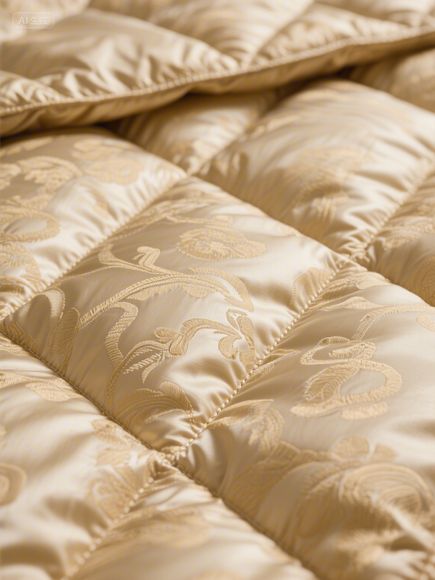
To give a thorough description, focus on these elements:
-
Fill Power: This is arguably the most important specification. Fill power measures the volume one ounce of down can occupy, measured in cubic inches. Higher fill power means fluffier, warmer, and more efficient down. Think of it like comparing cubic feet of packing peanuts – more cubic inches per ounce means less weight for the same level of warmth and loft.
- Example description: "This comforter boasts a high fill power of 800+, ensuring exceptional warmth and a plush, cloud-like feel without adding excessive weight."
- Low fill power (e.g., 400-550): Basic warmth, less expensive, may flatten easily.
- Medium fill power (e.g., 600-700): Good balance of warmth and value.
- High fill power (e.g., 750+): Premium warmth, superior loft, often higher quality and price.
-
Fill Weight (or Fill Weight): This refers to the total amount of down used, usually measured in ounces or grams. More fill weight generally means more warmth and a thicker comforter, but it also adds weight. A higher fill power with a moderate fill weight might be lighter and fluffier than a lower fill power with a very high weight.
- Example description: "Featuring a generous 800g fill weight, this comforter provides ample warmth for year-round use, especially during colder months."
-
Shell Material: The outer fabric covering the down is crucial for durability, feel, and performance.
- 100% Cotton: Soft, breathable, durable, and often affordable. Good all-rounder.
- Microfiber (Synthetic): Often very soft, lightweight, and wrinkle-resistant. Can be more affordable than cotton. Hypoallergenic properties can vary.
- Bamboo Fiber: Known for being soft, breathable, and moisture-wicking. Eco-friendly option.
- Blend: Often a mix of cotton and microfiber, offering a balance of properties.
- Example description: "The comforter is encased in a soft 100% cotton shell, providing breathability and a gentle feel against the skin."
-
Size and Dimensions: Always specify the exact size (e.g., Twin, Full, Queen, King, California King) and provide the precise dimensions (Length x Width). Mentioning the weight (e.g., Medium, Heavy) can also be helpful, as this refers to the warmth level and fill weight, not the physical weight of the comforter itself.
- Example description: "Measuring 90" x 100", this Queen-sized down comforter offers generous coverage for a standard queen bed frame."
-
Construction and Quality: Details like quilting (which secures the down clusters and prevents shifting) and the type of seams (flat felled seams are often considered more durable) can indicate quality.
- Example description: "Reinforced with durable flat felled seams and hand-quilting, this comforter ensures the down stays evenly distributed for consistent warmth and longevity."
-
Care Instructions: Down comforters require specific care to maintain their loft. Mention if it's best suited for dry cleaning or requires careful machine washing and drying (using a large capacity dryer with clean tennis balls to help fluff the down).
- Example description: "For lasting performance, this down comforter is recommended for professional dry cleaning or requires specific care, including machine washing in cold water with a down-specific detergent and thorough drying in a large dryer."
How to Describe the Feel and Look
Beyond the technical specs, you want to convey the sensory experience:
- Texture: Is the shell soft? Plush? Smooth?
- Weight/Heft: Does it feel light and airy, or substantial and heavy? (This relates to fill weight and fill power).
- Warmth: Does it feel immediately warm, or does it take time to warm up? (Relates to fill power and fill weight).
- Appearance: Is the color vibrant? Solid? Patterned? Is the weave of the shell fabric smooth or textured?
- Overall Impression: Cozy? Luxurious? Lightweight? Insulating?
Using Tables for Clarity
Tables are great for summarizing key information, like fill power ranges and their corresponding warmth levels or care requirements.

Example Table: Understanding Down Fill Power
| Fill Power Range | Description | Best For |
|---|---|---|
| 400-550 | Basic loft, standard warmth | Budget-friendly, everyday use |
| 600-700 | Good balance of warmth, loft, and value | Versatile use, medium climates |
| 750+ | High loft, excellent warmth, lightweight | Premium warmth, colder climates, luxury feel |
Example Table: Common Shell Materials & Characteristics
| Material | Pros | Cons | Best For |
|---|---|---|---|
| 100% Cotton | Soft, breathable, durable, natural | Can wrinkle, may pilling with rough use | General use, sensitive skin |
| Microfiber | Soft, lightweight, wrinkle-resistant, hypoallergenic | May feel less natural, lower quality options exist | Travel, allergy sufferers, budget options |
| Bamboo Fiber | Soft, breathable, moisture-wicking, eco-friendly | Can be more expensive, quality varies | Eco-conscious buyers, hot sleepers |
| Cotton/Microfiber Blend | Combines benefits of both (softness, durability, breathability) | May not excel in all areas simultaneously | Balanced user needs |
Answering Common Questions (Q&A Format)
This format is great for addressing specific points people often wonder about.
Q: What's the difference between fill power and fill weight? A: Fill power measures the volume (loft) that one ounce of down can achieve, indicating efficiency. Higher fill power means fluffier warmth per ounce. Fill weight measures the total amount of down used in the comforter, usually in ounces or grams. More fill weight generally means more warmth, but it also adds weight. A high fill power with moderate fill weight can be lighter and fluffier than a lower fill power with high weight.
Q: Is down really worth the investment? A: It depends on your needs and budget. Down offers superior warmth, loft, and breathability compared to many synthetic fills. High-quality down comforters are durable and can last a long time. If you prioritize maximum warmth, lightness, and a luxurious feel, especially for colder climates or if you travel frequently, down is often worth the investment. Synthetic fills are a good alternative if budget is a major concern, or if you live in a warmer climate or need hypoallergenic options.
Q: How do I care for a down comforter? A: Proper care is essential to maintain loft. Generally, down comforters are best dry cleaned. If machine washing is possible, use a large-capacity front loader washer on a gentle cycle with cold water and a down-specific detergent. Crucially, they require thorough drying in a large capacity dryer with clean tennis shoes or dryer balls to help separate the down clusters and restore loft. Dry for a long time (multiple loads if necessary) until the comforter feels completely dry to the touch. Avoid using fabric softener, as it can damage the down.
Case Study: Describing a High-Quality Down Comforter (Jia Yu Textile Factory Example)
Imagine you're describing a specific product from a manufacturer like Jia Yu Textile Factory. Here's how you might put it together:
"Introducing the premium down comforter from Jia Yu Textile Factory. Crafted for ultimate warmth and comfort, this piece features exceptional 800+ fill power down clusters sourced from ethically raised ducks. This high fill power ensures remarkable warmth without the added bulk, making it ideal for chilly winter nights or colder climates.
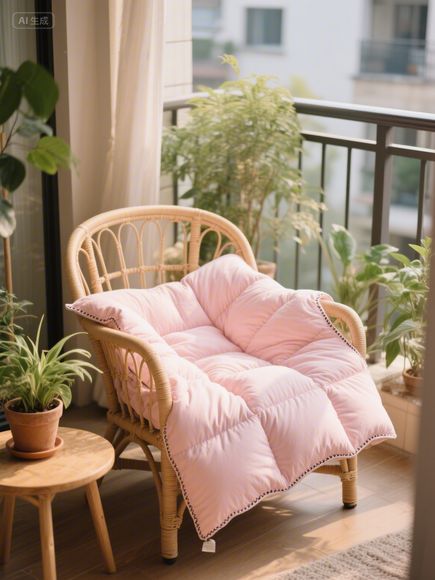
The generous 800g fill weight provides ample insulation, while the durable, 100% cotton sateen shell offers a smooth, breathable surface that feels luxurious against the skin. Measuring a standard Queen size (90" x 100"), it provides ample coverage for a queen bed frame.
Hand-quilted details reinforce the construction, ensuring the down stays evenly distributed for consistent warmth throughout the night. While incredibly soft and cozy, this comforter is designed to last, thanks to the quality materials and construction. For optimal care, we recommend professional dry cleaning to preserve its peak performance and longevity."
Putting it All Together: A Sample Description Snippet
"Consider this Queen-sized down comforter, weighing in at a substantial 800g fill weight with a high fill power rating of 850. This translates to incredible warmth and a noticeably plush, airy feel. Wrapped in a soft, breathable 100% cotton sateen shell, it offers a luxurious sleeping surface. The hand-quilting not only adds a decorative touch but also helps maintain the even distribution of the down fill. While best maintained with professional dry cleaning, this quality comforter promises years of cozy, warm sleep."
Final Thoughts
Describing a down comforter effectively involves balancing technical details (fill power, weight, shell material) with sensory language (how it feels, its appearance, its warmth). By understanding these key aspects and using clear, descriptive language, you can accurately convey the quality, benefits, and overall appeal of a down comforter, whether you're a shopper, a writer, or just someone wanting to articulate their love for their bed cover. Remember to tailor your description to your audience and the purpose – a simple review might focus on warmth and feel, while a product listing needs more specific details. Happy describing!
Expanded Knowledge:
Introduction:
When it comes to finding the perfect blanket for your comfort and warmth, a duck feather blanket stands out as a top choice. This type of blanket is not only luxurious but also offers excellent insulation properties, making it ideal for various seasons and settings. In this article, we will delve into the world of duck feather blankets, exploring their unique features, benefits, and how they can enhance your sleeping experience.
What is a Duck Feather Blanket?

A duck feather blanket is a type of decorative pillow or blanket that is filled with the feathers from ducks. These feathers are naturally insulating, which means they can keep you warm without adding excessive weight. The process of creating a duck feather blanket involves collecting feathers from ducks, cleaning them, and then weaving or folding them into a soft, warm blanket.
Characteristics of Duck Feather Blankets:
-
Softness and Comfort: Duck feathers are known for their softness, making these blankets incredibly comfortable to touch and snuggle with.
-
Insulation: Due to the natural insulating properties of duck feathers, these blankets provide excellent warmth, making them perfect for cold evenings or early mornings.
-
Lightweight: Unlike other blankets made from synthetic materials, duck feather blankets are relatively lightweight, making them easy to carry and store.
-
Eco-friendly: Duck feather blankets are considered eco-friendly as they are made from natural materials and do not contain any harmful chemicals.
Benefits of Using Duck Feather Blankets:
-
Warmth and Comfort: The insulating nature of duck feathers ensures that you stay warm even on the coldest days.
-
Breathability: Duck feathers allow for some airflow, which helps to regulate body temperature and keep you cool during hot nights.
-
Durability: Duck feathers are strong and durable, ensuring that your blanket lasts for many years.
-
Aesthetic Appeal: Duck feather blankets add a touch of elegance and luxury to any room, making them a popular choice for home decor.
Case Studies:
Case Study 1: Home Decor
John and Jane wanted to add a touch of luxury to their living room. They decided to buy a duck feather blanket for their couch and bed. The softness and warmth of the blanket immediately made the space feel more cozy and inviting. They also appreciated the aesthetic appeal of the blanket, which added a touch of elegance to their living room.
Case Study 2: Travel
Sarah was planning a weekend getaway with her friends. She knew that traveling could be cold, so she brought along a duck feather blanket for warmth. The blanket provided excellent insulation, allowing her to enjoy the trip without worrying about the cold. It also added a touch of luxury to her hotel room, making it even more enjoyable.

Product Advantages of Jiu Yu Textile Factory Duck Feather Blankets:
-
High-quality Materials: Jiu Yu Textile Factory uses high-quality duck feathers to ensure that their blankets are soft, warm, and durable.
-
Eco-friendly Production Process: The factory follows an eco-friendly production process, using non-toxic dyes and minimal waste. This ensures that customers can enjoy a comfortable and safe product.
-
Customization Options: Jiu Yu Textile Factory offers customization options for their duck feather blankets, allowing customers to choose their preferred size, color, and pattern.
-
Excellent Customer Service: The factory provides excellent customer service, offering assistance with orders and returns. This ensures that customers have a positive shopping experience.
Conclusion:
In conclusion, a duck feather blanket is a wonderful addition to any home or travel itinerary. Its softness, warmth, and durability make it a popular choice for comfort and luxury. With Jiu Yu Textile Factory's high-quality materials and eco-friendly production process, customers can enjoy a comfortable and stylish product that adds value to their lives. Whether for cozying up at home or enjoying a weekend getaway, a duck feather blanket is sure to provide warmth and comfort.
Related articles
-

Exploring Handcrafted Custom棉花被 羽绒被:A Comprehensive Guide to comfort,Craftsmanship Personalization
-
Gray Swallow Down Comforter:Your Ultimate Guide to Cozy Sleep
-
tle:Luxurious Bedding Tailoring in Changfeng County
-
tle:Understanding the Cost of Wedding Quilts and Why You Should Choose Jiayu Textile Factory for Your Bespoke Quilts