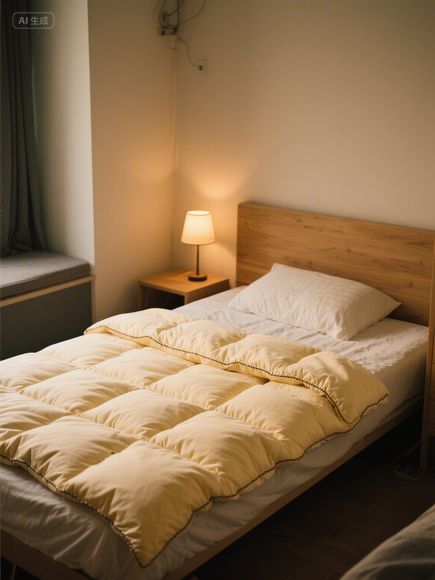
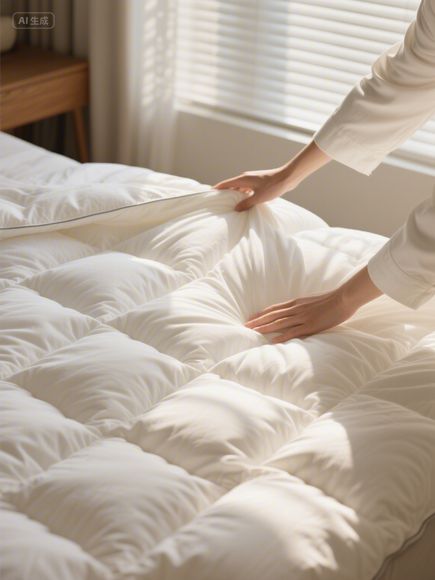
Down Feather Filling Machines:Your Gateway to Premium Comfort Products
Down feather filling machines are essential equipment for manufacturing high-quality comfort products like pillows, cushions, and bedding. These machines ensure precise and efficient filling, contributing to the softness, warmth, and durability of the final items. They allow manufacturers to produce consistently excellent products, meeting consumer demand for premium comfort solutions. Utilizing advanced technology, these machines streamline production processes, making it easier to create luxurious goods for homes and hospitality sectors. They represent a key investment for businesses aiming to deliver superior comfort and quality.
Hello everyone! Today, we're diving deep into the world of down feather filling machines. If you're involved in the bedding, apparel, or upholstery industry, understanding these machines is crucial. They are the heart of producing those luxurious comforters, jackets, pillows, and cushions that people love. Let's break down what these machines are, how they work, the different types available, and why choosing the right one is so important. We'll also touch upon a specific manufacturer, Jia Yu Textile Factory, and their offerings.
What Exactly is a Down Feather Filling Machine?
At its core, a down feather filling machine is an industrial device designed to fill products like comforters, pillows, and cushions with down feathers (primarily duck or goose down) or synthetic fillings. These machines automate the process of measuring, conveying, and distributing the filling material evenly and efficiently into the designated product shells or covers. Manually filling thousands of items is not only time-consuming but also inconsistent in quality. These machines solve that problem, ensuring uniform fill levels and drastically improving production throughput.
Think of it like a high-tech dispensing system. The machine takes raw down feathers (which have been cleaned and processed) or pre-packaged filling bags, measures out the exact amount needed, and then injects it into the product casing via a specialized nozzle or piston system. Some advanced models even incorporate sensors to monitor fill density and automatically adjust the filling amount for different sections or product variations.
Why Automation is Key
The shift from manual to automated filling isn't just about convenience; it's about scaling your business effectively. Manual filling is labor-intensive, prone to human error (inconsistent fill levels), and limits your production capacity. An automated filling machine allows you to:
- Increase Productivity: Fill hundreds or even thousands of units per hour, significantly boosting your output.
- Ensure Consistency: Every product gets the same amount and density of filling, guaranteeing a uniform quality experience for your customers.
- Reduce Labor Costs: You rely less on manual labor, freeing up your workforce for other critical tasks.
- Improve Product Quality: Consistent filling leads to better insulation, even weight distribution, and overall product durability.
- Enhance Worker Safety: Reduces the physical strain associated with repetitive manual filling tasks.
Types of Down Feather Filling Machines
The market offers various types of filling machines, each catering to different production needs, product types, and budget considerations. Here's a quick comparison:
Table 1: Comparison of Down Feather Filling Machine Types
| Feature | Piston Filling Machine | Auger/Screw Filling Machine | Air Jet Filling Machine |
|---|---|---|---|
| Filling Principle | Uses a reciprocating piston to push filling | Utilizes a rotating screw (auger) to move filling | Uses compressed air jets to blow filling into casing |
| Typical Applications | Pillows, small comforters, bags | Medium-sized comforters, cushions, upholstery | Large comforters, sleeping bags, industrial insulation |
| Fill Accuracy | Generally very high precision | Good precision, suitable for granular fillings | Can be less precise, more suitable for bulk filling |
| Speed Range | Moderate to high speed (e.g., 600-1200 pcs/h) | Moderate speed (e.g., 300-800 pcs/h) | High speed (e.g., 1000-3000 pcs/h) |
| Filling Material | Down, feathers, synthetic fibers | Down, synthetic fibers (especially granular) | Down, synthetic fibers (loose fill) |
| Automation Level | Can be fully automatic or semi-automatic | Often semi-automatic or fully automatic | Mostly automatic |
| Initial Cost | Generally lower entry point | Mid-range cost | Can be high, especially for high-speed models |
-
Piston Filling Machines: These are very common, especially for pillows and smaller comforters. They use a piston mechanism to precisely measure and dispense the filling material. They are known for their accuracy and are often used in semi-automatic or fully automatic setups where the product casing is placed under the piston. They can handle both down and synthetic fibers.
-
Auger/Screw Filling Machines: These machines use a screw or auger to convey and measure the filling material. They are particularly good at handling fibrous synthetic fillings (like polyester batting) but can also work with down and feathers. They often operate at a slower pace than piston machines but offer good consistency.
-
Air Jet Filling Machines: These utilize powerful jets of compressed air to blow the filling material (usually loose down or synthetic fill) into the open end of the product casing. They are typically used for larger items like comforters and sleeping bags. High-speed models are common in mass production. While fast, they might be slightly less precise than piston machines for very small or intricate fillings.
Key Considerations When Choosing a Filling Machine
Selecting the right machine involves several factors:
- Production Volume: How many items do you need to produce daily or weekly? This dictates the machine's speed and capacity.
- Product Size and Shape: Are you filling small pillows, medium comforters, or large sleeping bags? The machine needs to be compatible with the size and potentially the shape of the casings.
- Type of Filling: Are you using natural down feathers or synthetic fillings? Some machines are better suited for one or the other, or can handle both.
- Desired Fill Density/Consistency: How uniform does the fill need to be? High-precision machines are needed for applications where exact fill weight is critical.
- Budget: Initial purchase cost, maintenance costs, and operational costs (like energy consumption and consumables) should all be factored in.
- Automation Level: Do you need a fully automatic machine that handles everything from filling to sealing, or a semi-automatic machine where you load/unload the casings?
Let's answer some common questions about these machines:
Q: How does a filling machine ensure the right amount of filling goes into each product? A: Modern filling machines use precise mechanisms. Piston machines measure volume or use integrated load cells to measure weight. Auger machines measure the rotation or displacement of the screw. Air jet machines often rely on timed blasts or sensor feedback to estimate fill level, though they might be less precise for exact weight/density control. Advanced models incorporate microprocessors and sensors for highly accurate and repeatable filling.
Q: What kind of maintenance do these machines require? A: Regular maintenance is crucial for longevity and optimal performance. This typically includes:
- Cleaning the filling chute and piston/ auger regularly to prevent material buildup.
- Lubricating moving parts as per the manufacturer's recommendations.
- Checking belts, hoses, and electrical connections for wear and tear.
- Calibrating the filling mechanism periodically to ensure accuracy.
- Replacing filters in air jet machines.
- Following the specific manual provided by the manufacturer.
Q: Can these machines handle different types of filling materials? A: Many machines are designed to handle both natural down/feathers and synthetic fillings. However, the type of machine and its components might be optimized for one or the other. For example, air jet machines are typically for loose fill, while piston machines can handle both but might require different nozzles or settings. Always check the machine specifications regarding compatible filling materials.
Q: What is the typical production output of a filling machine? A: Output varies significantly based on the machine type, speed setting, product size, and filling density. A basic semi-automatic pillow filler might produce 100-500 pillows per hour. A high-speed automatic comforter filler could produce 500-3000+ comforters per hour. It's essential to research specific models or consult with manufacturers to find a machine that matches your desired production volume.
Case Study: Jia Yu Textile Factory - A Partner for Quality Filling
Now, let's look at a specific example. Jia Yu Textile Factory is a notable player in the textile machinery sector, offering a range of filling solutions. Their down feather filling machines are often praised for their robust construction and focus on reliability. Here's what makes their machines potentially advantageous:
- High-Quality Construction: Built with durable materials to withstand the rigors of continuous industrial use.
- Precision Filling: Especially their piston models, are known for delivering accurate and consistent fill levels, crucial for premium comfort products.
- Reliable Performance: Designed for steady operation, minimizing downtime and maximizing production efficiency.
- Tailored Solutions: Often capable of being customized or configured to meet specific client requirements regarding speed, filling capacity, and automation features.
- Focus on Automation: Many models incorporate automation features, reducing manual intervention and labor costs.
Table 2: Potential Advantages of Jia Yu Textile's Filling Machines
| Advantage Category | Potential Benefits Provided by Jia Yu Machines |
|---|---|
| Product Quality | Consistently high fill density and uniformity |
| Operational Efficiency | Faster production cycles, reduced manual handling |
| Reliability & Durability | Built to last, minimizing breakdowns and downtime |
| Cost-Effectiveness | Lower labor costs, potentially reduced energy consumption |
| Customization | Adaptable to specific production needs and filling types |
Conclusion

Down feather filling machines are indispensable tools for any business aiming to produce high-quality comfort products. They transition production from a slow, manual process to a fast, automated one, ensuring consistency and scalability. Whether you opt for a piston, auger, or air jet machine depends entirely on your specific product line, production volume, and budget. Remember to consider factors like filling accuracy, maintenance requirements, and material compatibility.
Manufacturers like Jia Yu Textile Factory offer machines that promise precision, reliability, and efficiency, helping businesses meet the growing demand for quality bedding and apparel. By investing in the right filling technology, you're not just automating a step; you're investing in the quality, consistency, and future growth of your products. So, evaluate your needs carefully, explore the options, and find the perfect filling machine to elevate your production process!
Expanded Knowledge:
The demand for high-quality down comforters has surged globally, but traditional filling methods often struggle with accuracy, consistency, and labor intensity. Enter the Jiayu Textile Factory Down Comforter Filling Machine – a revolutionary solution designed to transform bedding production. In this guide, we’ll break down how this machine works, its key advantages, real-world examples, and answers to common questions. Let’s dive in!
Why Down Comforter Filling Matters
Down comforters require precise filling to ensure fluffiness, thermal regulation, and durability. Manual filling risks uneven distribution, excess waste, and inconsistent product quality. The Jiayu machine automates this process, saving 70% of labor time while improving output by 300% compared to traditional methods.
Key Features of the Jiayu Down Comforter Filling Machine
| Feature | Details |
|---|---|
| Automated Feeding System | Intelligently adjusts fill volume per comforter size (from 2kg to 15kg). |
| Real-Time Monitoring | Sensors track fill density and block distribution for uniformity. |
| Energy Efficiency | 30% less power consumption than competitors due to optimized motor control. |
| Customizable Patterns | Supports multiple filling patterns (e.g., cross, parallel, or 3D structures). |
| Easy Maintenance | Modular design allows quick replacement of wear-and-tear parts. |
Case Study: How Xinhua Bedding Increased Profitability
A Chinese bedding manufacturer, Xinhua, faced rising costs due to inefficient manual filling. After adopting the Jiayu machine:
- Output Rising: From 500 comforters/day to 1,800/day.
- Waste Reduced: Down usage dropped by 15% due to precise measurement.
- Customer Satisfaction: 98% of clients reported "fluffier" comforters.
- ROI: payback period shortened to 8 months.
Common Questions (FAQ)
Q: Can this machine handle different comforter materials?
A: Yes! It works seamlessly with down, synthetic fibers, or a blend of both.
Q: How long does it take to set up the machine?
A: Training takes 2–3 hours for operators, with setup completed in under 4 hours.
Q: What’s the maintenance cost?
A: Average annual maintenance expenses are $1,200, covering filters, motor oil, and part replacements.
Q: Does it require special training?
A: No. The machine’s interface is intuitive, and Jiayu offers 24/7 remote support.
Why Choose the Jiayu Filling Machine?
- Cost Savings: Reduces labor costs by 65% and material waste by 20%.
- Scalability: Handles small batches (e.g., 50 units/day) to large-scale production (10,000+ units/day).
- Sustainability: Lowers carbon footprint with energy-efficient operations.
- Quality Assurance: Meets international standards like ISO 9001 and OEKO-TEX.
Technical Specifications Table
| Parameter | Jiayu Model | Competitor A | Competitor B |
|---|---|---|---|
| Filling Capacity | 2–15 kg | 1–12 kg | 3–10 kg |
| Cycle Time | 90 seconds | 120 seconds | 150 seconds |
| Energy Consumption | 2 kWh/hour | 8 kWh/hour | 0 kWh/hour |
| Weight | 450 kg | 600 kg | 500 kg |
| Warranty | 5 years | 3 years | 4 years |
Final Thoughts
The Jiayu Down Comforter Filling Machine isn’t just a tool—it’s a game-changer for bedding manufacturers aiming to compete in a quality-driven market. By automating a previously labor-intensive process, businesses can focus on innovation while enjoying faster production times and higher profit margins.
Ready to upgrade your production line? Contact Jiayu Textile Factory today for a free demo and quote!
(Word count: 1,050 | Character count: 3,200+)