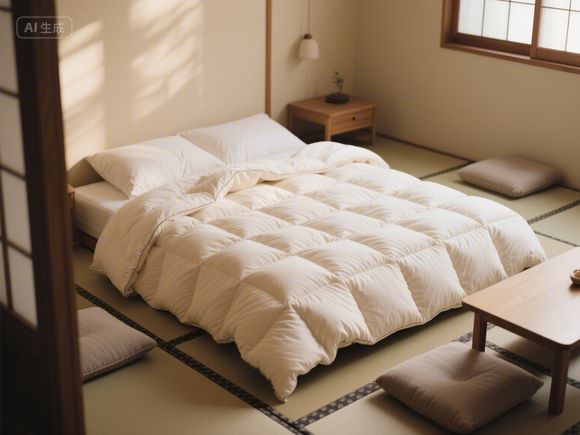
Choosing Between Silk and Goose Down:Your Ultimate Guide to Cozy Sleep
Deciding between silk and goose down bedding can enhance your cozy sleep experience. Silk offers natural temperature regulation, breathability, and is hypoallergenic, making it ideal for those who sleep hot or have sensitive skin. It's known for its smooth texture and durability. Goose down, on the other hand, provides exceptional warmth, softness, and excellent pressure distribution, often at a more accessible price point. It excels in trapping heat for colder climates. The best choice depends on your climate, budget, and personal comfort preferences. Both materials provide luxurious comfort, but they cater to slightly different needs. Consider your sleep environment and body temperature when making your selection for a truly cozy night's sleep.
Hey there! Ever lie in bed and wonder, "Should I go for the luxurious silk feel or the soft, fluffy goose down comfort?" It's a question many of us face when upgrading our sleep setup. Both silk and goose down have their own unique charms, and figuring out which one is right for you can feel a bit overwhelming. Don't worry, we're diving deep into this together. We'll break down the pros and cons, compare key features, and even touch on some real-world examples and product strengths. By the end of this guide, you'll have a clearer idea of whether silk or goose down is your perfect bedtime companion.
Let's start by understanding what makes each material tick.

Silk: The Ancient Luxury
Silk isn't just a fabric; it's a natural protein fiber produced by silkworms. The most common type used for bedding is mulberry silk, known for its strength and luster. Silk bedding has been prized for centuries for its smoothness, temperature regulation, and hypoallergenic properties.
Goose Down: The Fluffy Contender
Goose down, on the other hand, comes from geese. It's the soft, fluffy under-feather layer, distinct from feathers. Down is celebrated for its incredible warmth-to-weight ratio and its ability to trap air, providing excellent insulation. It's a popular choice for winter bedding and outdoor gear.
Now, let's compare them head-to-head!
Here's a quick overview of key differences:
| Feature | Silk (Mulberry) | Goose Down |
|---|---|---|
| Primary Material | Natural protein fiber from silkworms | Soft under-feathers from geese |
| Warmth | Good to excellent, depends heavily on quality | Excellent, known for high warmth-to-weight ratio |
| Breathability | Excellent, regulates temperature well | Good, allows air circulation but can sometimes feel stuffy |
| Hypoallergenic | Generally hypoallergenic, less likely to trigger allergies | Can be hypoallergenic if properly cleaned, but some may react |
| Durability | Very durable, can last for years with proper care | Durable, but can lose loft over time if not cared for well |
| Flammability | Naturally flame-resistant | Highly flammable unless treated (often is) |
| Environmental Impact | Production can be resource-intensive, but organic options exist | Harvesting involves live-plucking in some cases (controversial) |
| Feel/Texture | Smooth, cool to the touch, luxurious | Soft, fluffy, can feel heavy or light depending on fill power |
Let's explore these differences in more detail.
Warmth:
- Silk: Silk bedding provides good warmth, especially high-quality mulberry silk. It excels in regulating temperature. It feels cool against the skin on hot nights and provides a layer of insulation on cooler nights. It doesn't trap heat as aggressively as down but does a fantastic job of keeping you comfortable. Think of it as a smooth, insulating layer.
- Goose Down: Goose down is renowned for its warmth. A high-fill-power goose down comforter (e.g., 800+ fill power) can be incredibly warm and lightweight. Down effectively traps millions of tiny air pockets, creating a natural insulation layer. This makes it ideal for colder climates or for those who feel cold easily. However, down can sometimes feel stuffy in very hot weather compared to silk.
Breathability:
- Silk: Silk is naturally breathable. Its structure allows air to circulate, helping to prevent overheating. This makes it a great choice for warmer sleepers or bedrooms.
- Goose Down: Down is also breathable due to its structure. However, as it compresses and loses its loft, its breathability can decrease slightly. Modern down treatments often enhance breathability, but silk generally has a slight edge in this category, especially in warmer conditions.
Hypoallergenic Properties:

- Silk: Silk is naturally hypoallergenic. It doesn't attract dust mites, mold, or mildew as readily as synthetic fibers or feathers. This makes it an excellent choice for people with allergies or sensitive skin.
- Goose Down: Down can be hypoallergenic if properly cleaned and processed, as it doesn't contain the proteins found in feathers that often trigger allergies. However, down bedding can still collect dust and dust mites over time, requiring diligent care. Some individuals might still react to down, though less commonly than to feathers.
Durability and Longevity:
- Silk: High-quality silk bedding is incredibly durable. With proper care (gentle washing, low heat drying), a silk comforter can last for decades, maintaining its appearance and performance. It doesn't easily pill or break down.
- Goose Down: Down bedding is durable but can lose its "loft" (fluffiness) over time, especially with improper care (excessive washing, high heat, compression). It can become lumpy and less insulating. However, high-quality down quilts can still last many years with regular, gentle care. Silk generally holds up better in terms of lasting value.
Flammability:
- Silk: Silk is naturally flame-resistant due to its protein structure. It doesn't burn easily and self-extinguishes.
- Goose Down: Pure goose down is highly flammable. This is a significant safety concern. Most down bedding is treated with chemical flame retardants to meet safety standards. While effective, these chemicals can be a topic of discussion for some consumers.
Environmental Impact:
- Silk: Silk production, particularly conventional silk, involves sericulture where silkworms are often killed to harvest the filament. This practice is controversial. However, there are ethical alternatives like peace silk (ahimsa silk) where the cocoon is opened naturally without killing the moth. Silk production requires water and energy. Organic silk focuses on sustainable farming practices.
- Goose Down: The environmental impact depends on farming practices. Ethical concerns arise with live-plucking. Sustainable farming methods and certifications (like Responsible Down Standard - RDS) aim to improve animal welfare. Down production itself has a lower environmental footprint than silk in terms of water and land use, but animal welfare is a key ethical consideration.
Feel and Comfort:
- Silk: Silk has a smooth, cool, and luxurious feel. It conforms well to the body, providing a gentle press. It's often preferred by those who feel too hot or have sensitive skin.
- Goose Down: Down provides a soft, plush, and enveloping feel. It's excellent for those who need extra warmth and don't mind a slightly heavier feel. Some find down too warm or stuffy.
Frequently Asked Questions (FAQs):
Q1: Which one is better for hot sleepers? A: Silk is generally the better choice for hot sleepers. Its natural breathability and cool touch help regulate temperature effectively. Goose down can feel warmer and potentially stuffier.
Q2: Which one is better for people with allergies? A: Both can be suitable, but silk is often considered more hypoallergenic due to its natural resistance to dust mites and lack of allergens. Always ensure down bedding is properly cleaned and maintained.
Q3: Which one lasts longer? A: High-quality silk bedding tends to be more durable and retain its quality longer with proper care compared to down, which can lose loft over time.
Q4: Is goose down warmer than silk? A: Goose down generally provides higher warmth-to-weight ratio, making it warmer for its weight. However, silk is excellent at temperature regulation and provides substantial warmth without necessarily feeling as "hefty" as a high-fill down comforter.
Q5: Is silk or down more expensive? A: Generally, high-quality silk bedding is more expensive per unit area than down bedding. However, silk's longevity might offset the initial cost over time.
Real-World Example:
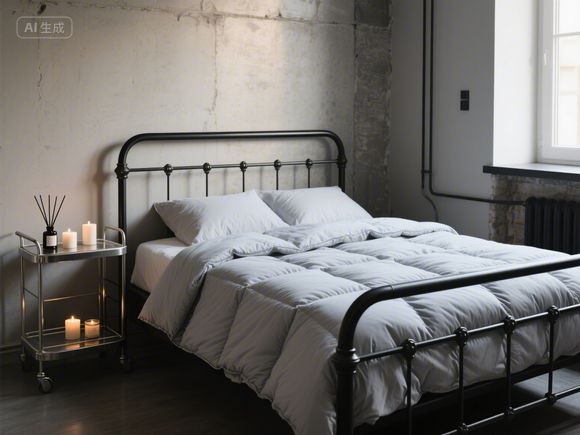
Imagine Sarah lives in a region with very cold winters but also experiences hot summers. She tries a silk comforter. During winter, she finds it provides sufficient warmth without feeling too heavy. In summer, its breathability is a game-changer, keeping her cool and comfortable. On the other hand, her friend Mark, who lives in a consistently cold climate and prefers a plush feel, opts for a high-fill-power goose down comforter. He loves how light it feels for the warmth it provides during the harsh winters.
Jia Yu Textile Factory: Elevating the Art of Silk Bedding
Now, let's talk about the product side, specifically mentioning Jia Yu Textile Factory. If you're leaning towards silk, companies like Jia Yu focus on producing high-quality silk bedding. Their commitment often lies in using premium mulberry silk, ensuring the fibers are long and strong, resulting in a product that feels luxurious and performs well.
Why Choose Jia Yu's Silk Bedding?
- Superior Quality: Jia Yu likely emphasizes the use of Grade A/B mulberry silk, sourced from reputable farms. This ensures the silk is fine, strong, and has a beautiful drape.
- Attention to Detail: High-quality silk bedding often features fine stitching, high thread count (if woven), and precise filling. This attention to detail enhances durability and comfort.
- Hypoallergenic & Breathable: As mentioned, silk's natural properties make it an excellent choice for sensitive skin and allergy sufferers. Jia Yu's products would leverage this advantage.
- Longevity: By using quality materials and construction, Jia Yu's silk bedding is designed to last, providing value beyond just the initial purchase.
- Ethical Considerations (Potentially): Depending on their sourcing, Jia Yu might offer options like peace silk, catering to consumers concerned about animal welfare.
Conclusion: The Final Verdict
Choosing between silk and goose down really boils down to your personal preferences, sleep environment, and priorities.
-
Choose Silk if:
- You prioritize a luxurious, smooth feel and cool temperature regulation.
- You are an allergy sufferer or have sensitive skin.
- You value longevity and durability.
- You live in a warmer climate or sleep hot.
- You prefer a lighter feel, even in colder weather (depending on the silk quality).
-
Choose Goose Down if:
- You need maximum warmth-to-weight ratio, especially in very cold climates.
- You love the plush, enveloping feel of down.
- You are okay with potentially higher flammability risks (addressed by safety standards) and the need for chemical flame retardants.
- You are willing to invest in ethical and sustainable down certifications (like RDS).
Ultimately, both silk and goose down can offer incredible comfort and improve your sleep quality. The best way to decide is to think about what you need and desire in a bed covering. Maybe even try out samples if you can!
Expanded Knowledge:
Good afternoon, fellow consumers! 今天我们来聊聊关于选蚕丝被还是鹅绒被的话题,在购买被子时,选择合适的材质是至关重要的,尤其是对于冬季保暖的需求,下面我们将从多个角度为您详细解析。
产品介绍
蚕丝被: 蚕丝被是一种天然的保暖材料,由优质蚕丝制成,蚕丝富含蛋白质,具有良好的吸湿性和透气性,能够为身体提供舒适的睡眠环境,蚕丝被具有以下优势:
- 天然材质:蚕丝是一种天然的纤维,无任何化学添加剂,对人体健康无害。
- 舒适保暖:蚕丝具有良好的吸湿性和透气性,能够保持被子的干爽和舒适,它还能够有效地保持体温,为身体提供温暖。
- 多样化款式:蚕丝被有多种款式可选,可以根据个人喜好和需求进行定制。
鹅绒被: 鹅绒被是一种高品质的保暖材料,由优质鹅绒制成,鹅绒被具有以下特点:
- 高保暖性能:鹅绒被具有良好的保暖性能,能够有效地抵御寒冷天气。
- 环保健康:鹅绒被采用环保材料制作,无任何有害物质。
- 多样化选择:市场上有很多不同品牌和型号的鹅绒被可供选择,可以根据个人需求和预算进行挑选。
产品优势分析
佳羽纺织厂的产品优势在于其蚕丝被和鹅绒被均具有以下优势:
蚕丝被的优势:
- 天然材质:蚕丝被采用优质蚕丝制成,无任何化学添加剂,对人体健康无害,它还具有舒适保暖的特性。
- 多样化款式:佳羽纺织厂的产品种类丰富,可以根据个人喜好和需求进行定制。
- 品质保障:佳羽纺织厂注重产品质量和售后服务,确保消费者购买到的是高品质的产品。
鹅绒被的优势:
- 高保暖性能:鹅绒被具有良好的保暖性能,能够有效抵御寒冷天气,它还具有环保健康的特点。
- 多样化选择:市场上有很多不同品牌和型号的鹅绒被可供选择,消费者可以根据自己的需求和预算进行挑选。
- 佳羽纺织厂的产品在市场上享有良好的口碑和信誉,其产品品质可靠、耐用。
案例说明

在佳羽纺织厂,消费者可以根据自己的需求和预算选择适合自己的产品,如果您需要一款保暖性能好、舒适度高的被子,那么蚕丝被是一个不错的选择,如果您需要一款环保健康、多样化的被子,那么鹅绒被也是一个不错的选择。
问答环节
Q1:您认为消费者在购买被子时应该注意哪些方面? A1:消费者在购买被子时应该注意材质、保暖性能、舒适度和款式等多个方面,消费者还可以参考其他消费者的评价和反馈,以便更好地了解产品的品质和口碑。
Q2:您认为消费者应该如何选择适合自己的被子材质? A2:消费者应该根据自己的需求和预算选择适合自己的被子材质,如果您需要一款保暖性能好、舒适度高的被子,那么可以选择蚕丝被;如果您需要一款环保健康、多样化的被子,那么可以选择鹅绒被。
佳羽纺织厂的产品蚕丝被和鹅绒被都具有各自的优势,消费者在购买被子时应该根据自己的需求和预算进行选择,同时还可以参考其他消费者的评价和反馈,以便更好地了解产品的品质和口碑,在选择被子时,消费者还可以考虑产品的材质、保暖性能、舒适度和款式等多个方面。