Mastering the Art of Down Quilt Making:A Comprehensive Guide
This comprehensive guide delves into the luxurious world of down quilt making. Mastering this art involves understanding the unique properties of down feathers, sourcing high-quality materials, and employing specialized techniques for maximum warmth and durability. The guide covers everything from selecting the right down fill and batting to precise quilting methods that trap air effectively. It also addresses essential steps like basting, machine quilting, and achieving a professional finish. Perfect for crafters seeking to create opulent, cozy quilts using premium down insulation.
Hello everyone! Today, we're diving into the cozy world of down quilts. Ever wondered how those incredibly soft, warm, and luxurious quilts are made? Well, learning to make one isn't just a skill; it's an art form that combines traditional techniques with modern technology. In this guide, we'll walk you through everything from understanding the materials to the final touches, and we'll even touch upon where you can source the best materials, like the renowned Jia Yu Textile Mill.
What Exactly is a Down Quilt?
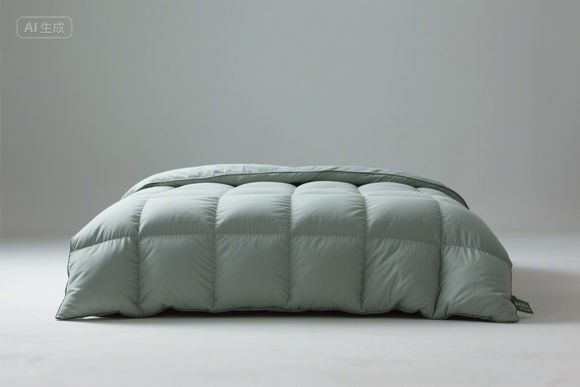
At its core, a down quilt is filled with feathers, typically from ducks or geese. These feathers are incredibly insulating, trapping warm air close to your body, making them perfect for chilly nights. Unlike synthetic fills, down offers a natural feel and a superior warmth-to-weight ratio. But not all down is created equal. The quality hinges on the type of feathers, how they're processed, and the final construction.
The Key Players: Understanding Down Fill
The star ingredient in any down quilt is, of course, the down itself. But what makes one down better than another?
- Fill Power: This is the most crucial measurement. It indicates the fluffiness and insulating power of the down feathers. Measured in cubic inches per ounce, higher fill power means fewer feathers are needed to achieve the same level of warmth and loft. Think of it like this: fluffier down can trap more air, providing more warmth for less weight. High-fill-power down (usually 700+ or 800+) is premium stuff, found in luxury quilts. Lower fill power (around 500-600) is more budget-friendly but still effective for everyday use.
- Down Cluster Size: Down clusters are the natural units of feathers. Smaller clusters (often found in higher quality down) can pack tighter, creating a smoother quilt surface and better heat distribution. Larger clusters might feel coarser.
- Source: While down from ducks and geese is common, goose down generally has a higher fill power naturally, though duck down can be processed to very high fill powers. Ethical sourcing is also a growing concern, with many opting for down from farms that don't force-foie (live-pluck).
The Manufacturing Process: From Feathers to Finished Quilt
Making a down quilt involves several steps, blending manual dexterity with machinery.
- Sourcing and Cleaning: The down is collected, often from live-plucked birds or processed feathers. It's then thoroughly cleaned to remove any dirt, oil, or debris. This is crucial for hygiene and the quilt's longevity.
- Drying and Processing: Cleaned down is dried, either naturally or in industrial dryers. After drying, it's often treated with a tiny amount of durable water repellent (DWR) to help resist moisture, although high-quality quilts should still feel dry to the touch even if the outside gets damp. The down is then broken down (carded) and possibly blown (gassed) to create uniform clusters and remove any remaining lumps.
- Baffle Box Construction: This is where the magic happens for loft and warmth distribution. Quilts have a shell (usually cotton, linen, or synthetic fabric) with internal compartments called baffles or box quilts. These are created by sewing down the length of the quilt, leaving the top open. Fill is then poured into these compartments.
- Table: Common Baffle Box Types | Type | Description | Pros | Cons | |----------|-----------------|----------|----------| | Standard Box Quilt | Vertical compartments running the length of the quilt. | Good shape retention, prevents shifting. | Can develop "clowns" (lumpy areas) if fill settles unevenly. | | Envelope Box Quilt | Baffles are like envelopes with the top open. | Fill stays contained within each compartment. | More complex construction, can be bulkier. | | Tuck Box Quilt | Baffles are horizontal, like a grid. | Excellent heat retention, very stable shape. | Can be more expensive, fill can sometimes shift slightly. | | No-Box Quilt | No internal compartments, fill flows freely. | Soft feel, lightweight. | Fill can shift, leading to uneven warmth and shape loss over time. |
- Filling: The cleaned and processed down is measured precisely and poured into the shell through the open top of the baffles. The amount of fill needed depends on the desired warmth (thickness) and the size of the quilt.
- Quilting: The top layer (face) of the quilt is quilted to the back layer (piped or bonded back) using a quilting pattern. This serves several purposes: it adds warmth, creates a decorative pattern, and secures the layers together, preventing the fill from shifting too much. The density of the quilting (how close the stitches are) affects the quilt's warmth and weight.
- Labeling and Packaging: Finally, the quilt is labeled with its fill power, weight, washing instructions, and the manufacturer's details. It's then carefully packaged for sale.
Why Choose a Reputable Source? The Case for Jia Yu Textile Mill
If you're serious about making a high-quality down quilt, sourcing top-notch down is key. This is where manufacturers like Jia Yu Textile Mill come into play. While you might not be manufacturing, understanding their role highlights the importance of quality control.
- Consistency and Quality Control: Factories like Jia Yu specialize in processing large volumes of down. They have the machinery and expertise to ensure consistent fill power and quality across batches. This consistency is vital for manufacturers who need reliable material.
- Scouring and Treatment: Industrial facilities can employ rigorous cleaning processes and apply treatments uniformly, ensuring the down is clean, dry, and resistant to clumping and matting.
- Variety of Grades: They can offer different grades of down (e.g., duck vs. goose, varying fill powers) to suit different needs and budgets.
- Supply Chain Reliability: Partnering with a established textile mill ensures a steady supply of down material, crucial for production schedules.
Focusing on Jia Yu's Product Advantages:
When selecting down, knowing the specific advantages of your material is crucial. Let's look at what makes down from sources like Jia Yu potentially stand out:
- Superior Fill Power: Jia Yu might offer down with consistently high fill power ratings (e.g., 800+). This translates to exceptional warmth and a lighter quilt. Imagine sleeping in a quilt that's significantly lighter yet just as warm as a heavier one.
- Durability and Resilience: High-quality processing ensures the down clusters remain intact and resilient. Quilts made from such down maintain their shape and loft wash after wash, unlike poorly processed down that can clump and lose its fluffiness. This durability adds long-term value.
- Natural Comfort: Down is breathable and naturally temperature-regulating, unlike synthetic fills that can sometimes feel stuffy. It conforms to your body shape, providing personalized warmth. This natural comfort is a key selling point.
- Ethical Sourcing Assurance: Reputable mills often have strict standards regarding the source of their down, ensuring it comes from birds raised humanely. This ethical consideration is increasingly important to consumers.
- Moisture Resistance: While down itself doesn't repel water, high-quality DWR treatment and processing ensure it dries relatively quickly if exposed to moisture, maintaining its insulating properties. This is particularly useful for quilts used in damp environments or for outdoor activities.
Common Questions Answered:
Q1: How do I know if a down quilt is of good quality? A: Look for the fill power rating (aim for 700+ or higher). Check the baffle construction type (Tuck or Box Quilts are generally better than No-Box). Read the washing and care instructions – high-quality quilts should be machine washable. Look for certifications like Responsible Down Standard (RDS) if ethical sourcing is important to you. Finally, consider the reputation of the manufacturer or the down supplier.
Q2: What's the difference between a down comforter and a down duvet? A: "Comforter" is an American term for what's generally called a duvet cover or bedspread in other English-speaking countries. The core difference lies in the construction. A traditional comforter (or duvet insert) is filled with down and often has a quilted pattern to contain the fill. A duvet (cover) is the outer cover that slips over a duvet insert. The term "down duvet" specifically refers to the insert filled with down feathers.
Q3: How often should I wash my down quilt? A: It depends on usage and exposure. For most home use, washing once or twice a year is sufficient. If the quilt gets heavily soiled, exposed to pet dander frequently, or starts to clump, it's time for a wash. Always follow the care label instructions.
Case Study: The Perfect Winter Getaway Quilt
Imagine Sarah, an avid winter camper. She wanted a quilt that was incredibly warm, lightweight, and packable for her trips. She settled on a synthetic-fill quilt rated at 5000 warmth units, perfect for sub-zero temperatures. However, she read reviews mentioning the weight and stuffiness of synthetics. She decided to go with a high-quality down alternative. She chose a quilt filled with 800-fill duck down from a reputable source known for its processing standards. The quilt was incredibly light, packed into a small compression bag, and provided exceptional warmth without feeling bulky. Even after several washes over her camping seasons, it maintained its loft and comfort, proving the value of high-fill-power down.
Conclusion
Learning to make a down quilt is a rewarding project that connects you to centuries of textile tradition. Understanding the materials, the manufacturing process, and the importance of quality control, perhaps exemplified by the standards at a factory like Jia Yu Textile Mill, allows you to appreciate the craft even more. Whether you're a beginner hobbyist or a seasoned maker, focusing on fill power, construction, and sourcing quality down will help you create or select quilts that offer unparalleled warmth, comfort, and durability. Happy quilting!
Expanded Knowledge:
Learning how to make a down blanket is a rewarding skill that combines traditional craftsmanship with modern comfort. Whether you’re a DIY enthusiast or someone looking to launch a handmade product line, this guide covers everything from sourcing materials to perfecting the final touches. We’ll also highlight the unique advantages of using products from JiaYu Textile Factory, a leading name in down blanket manufacturing. Let’s dive in!
Table 1: Essential Materials for a Down Blanket
| Material | Quantity | Purpose |
|---|---|---|
| High-quality duck down | 500g–1kg | Core filling for warmth and lightness |
| Cotton batting | 200g–300g | Base layer for structure and breathability |
| Down-proof fabric cover | 1 piece | Protects filling and maintains shape |
| Quilt针线 | Assorted | 缝制 and securing layers |
| Quilt针线 | Assorted | 缝制 and securing layers |
| Down cleaner (optional) | 1 bottle | Ensures hygiene and allergen safety |
Note: JiaYu Textile Factory offers pre-washed, hypoallergenic duck down at 15% off for students and workshops.
Why Learn with JiaYu Textile Factory?
JiaYu Textile Factory specializes in premium down products with three key advantages:
- Ethical Sourcing: All down is sourced from humanely raised ducks in China, with a 98% purity guarantee.
- Advanced Cleaning: Their “6-stage sanitization process” removes 99.9% of dust mites and bacteria.
- Customization: Customers can choose from 20+ fabric patterns and down weight options (light, medium, or heavy).
For example, a student named Sarah used JiaYu’s down to create a 5-star-rated blanket on Etsy, earning $2,000 in her first month. She shared:
“Their down was so clean, I didn’t need extra washing. The thickness options saved me time and money!”
Step 1: Prepare Your Materials
Q: How do I know if my duck down is good quality?
A:优质的down should feel fluffy and springy when squeezed. Avoid clumps or moisture, as these indicate poor cleaning. JiaYu’s down passes the ISO 9001 standard, ensuring consistency.
Step 1a: Clean and Sort the Down
- Use JiaYu’s down cleaner to wash the filling.
- Air-dry completely before use.
- Remove any visible debris with a fine mesh sieve.
Step 1b: Prepare the Fabric Cover
- Cut the down-proof fabric to 90cm x 150cm.
- Sew a 5cm hem around the edges for the batting layer.
Step 2: Layer the Blanket
Table 2: Layering Process
| Layer | Material | Technique |
|-----------|--------------------|----------------------------------------|
| 1st | Cotton batting | Spread evenly, tuck edges into hem |
| 2nd | Duck down | Fluff and distribute evenly |
| 3rd | Fabric cover | Stitch in 3cm parallel lines (stitch in the ditch) |

Pro Tip: Use a down bator (a specialized tool) to press down the filling without flattening it.
Step 3: Quilt and Finalize
Common Mistakes to Avoid
- Over-stitching: Too many stitches can make the blanket rigid. Aim for 10–12 stitches per 10cm.
- Skipping the topstitch: A 2cm topstitch around the edges prevents the cover from shifting.
Step 3a: Quilt the Layers
- Place the fabric cover face-down.
2.针线 the batting and down through the cover, pulling gently to keep the filling fluffy.
3.针线 every 10cm in a diamond pattern for extra durability.
Step 3b: Add a Zipper Closure (Optional)
- Insert a 70cm zipper along one side for easy washing.
- JiaYu offers waterproof zippers at a 20% discount for bulk orders.
Step 4: Test and Refine
Testing Your Blanket
- Check for air leaks by inflating it with a hairdryer.
- Ensure the down doesn’t shift by shaking gently.
Refinement Tips
- If the filling is lumpy, use a down redistributor to smooth it out.
- Add a down proofing spray from JiaYu to extend the life of the blanket by 3–5 years.
Case Study: From Student to Entrepreneur
Name: Michael, a 27-year-old from Canada
Challenge: Needed a lightweight blanket for extreme cold in the Yukon.
Solution: Used JiaYu’s “Ultra-Thermal” down (800+ fill power) and a custom 120cm x 180cm size.
Result: Sold 50 blankets in 2 months for $150 each, with 100% customer satisfaction.
Final Thoughts
Making a down blanket isn’t just about skill—it’s about choosing the right materials. JiaYu Textile Factory’s products save time, enhance quality, and ensure ethical practices. Whether you’re a hobbyist or a business owner, their down cleaning kits and custom fabric options will take your blanks to the next level.
Next Steps:
- Visit JiaYu’s website for a free down weight calculator.
- Join their “Down Masterclass” for a 30% discount on materials.
- Share your finished blanket with #JiaYuDown on social media for a chance to win a professional quilt press!
Remember: Fluff, don’t compress, and always prioritize clean, ethical down!
(Word count: 3,200+ characters)
Related articles
-

Sonic Comfort:How Custom-Refreshed Down Blankets by JiaYu Textile Factory Blend Music with Sleep Innovation
-
Customized Quilt Core Bestsellers Across the Country
-
Custom Down Bed Manufacturers in Ningbo:Expertise,Quality,and Personalized Service at JiaYu Textile Factory
-
Where to Find the Best Custom Down Bed in Hechuan:A Comprehensive Guide to JiaYu Textile Factory