How to Stay Cool and Comfortable:The Surprising Benefits of Using a Down Comforter in Hot Weather
Tackling hot weather sleep? You might be surprised to learn that a down comforter could help you stay cool and comfortable. Contrary to intuition, down's excellent insulating properties work by trapping a layer of air next to your body, which your body naturally regulates. This layer provides warmth when cool and releases heat when warm, adapting to your body temperature. Furthermore, down is naturally breathable, allowing air circulation and minimizing stuffiness. While it excels in warmth, choosing a lower-fill-power down comforter or one with a breathable shell can enhance its cooling effect during warmer nights. Consider down as a versatile option for year-round comfort, adapting to temperature changes effectively.
Okay, let's talk about something many of us struggle with: sleeping comfortably during the sweltering summer months. You've probably heard that down comforters are heavy and stuffy, making them the worst thing to have in your bedroom when the temperature climbs. But what if I told you that, with the right approach and understanding, a high-quality down comforter can actually be a surprisingly effective way to stay cool and comfortable even in hot weather? That's the topic we're diving into today.
The idea of a "down comforter" often conjures images of a heavy, warm cocoon perfect for winter. Down, which comes from the soft feathers of ducks and geese, is renowned for its excellent insulating properties. It traps air, creating a warm layer between you and the cold air outside. This is fantastic for keeping you cozy when the mercury drops. But how does this translate to a hot summer night?
The key lies in understanding what down is and how it works, and also understanding the quality of the down product you're using. Let's break it down.
Understanding Down: More Than Just Fluff
Down clusters are unique structures. Each cluster is like a tiny, natural air sac. When you compress down, these sacs get smaller, but they spring back when you release pressure. This inherent resilience is crucial. It means down comforters don't just sit flat; they loft, creating volume and trapping air efficiently. This air-trapping is the source of down's warmth, but it's also the reason people worry about it being too warm in summer.
However, it's important to distinguish down from feathers. Feathers have a hollow shaft and vanes that provide structure and support. They are directional and don't trap air as effectively as down clusters. A down comforter is primarily about warmth and softness through loft and air-trapping. A feather comforter, while sometimes used for its structure, tends to be less insulating and can feel less plush.
The Myth vs. The Reality: Is Down Really Bad for Hot Nights?
The short answer is: not necessarily, if you choose the right comforter and use it correctly. The long answer involves several factors:
-
Fill Power: This is a measure of the down's ability to loft or rise under pressure. Higher fill power (typically 600 to 900+), means the down is of higher quality, with larger, more resilient clusters. High-fill-power down comforters are generally lighter for their warmth rating compared to lower-fill-power ones. This lightness can contribute to a feeling of less bulk and potentially less heat retention, making them a better choice for warmer climates or seasons. They provide warmth efficiently, meaning you might not need as much "stuff" to feel warm, which can translate to less heat in summer.
-
Warmth Rating (Tog): This is the standard measurement for a comforter's warmth. Tog measures thermal resistance. Lower tog ratings mean the comforter is cooler. A down comforter suitable for summer might have a tog rating of 4.5 or lower. Always check the tog rating before purchasing if temperature regulation is a priority.
-
Shell Fabric: This is CRUCIAL. The fabric surrounding the down plays a huge role in temperature regulation. Breathable, lightweight fabrics like cotton, linen, bamboo viscose, or high-quality synthetic blends (like microfibre) allow air to circulate and moisture (sweat) to evaporate. Avoid heavy, tightly woven fabrics like thick cotton percale or satin, as they can trap heat. Look for fabrics specifically advertised as "breathable" or "temperature-regulating."
-
Size and Weight: A larger comforter might cover more surface area, potentially trapping more heat. However, a high-quality down comforter, even in a larger size, will still be lighter and potentially more breathable than a lower-quality synthetic alternative. The weight is less about the down itself (high-quality down is relatively light) and more about the shell fabric and fill power.
-
Loft and Density: A comforter with good loft allows air to circulate within the fill. Dense comforters can feel warmer. A balance is needed.
How to Use Your Down Comforter for Hot Nights
Even with a suitable down comforter, you need to use it effectively:
- Layering is Key: Don't just throw the down comforter over yourself. Use it as the top layer. Combine it with a lightweight, breathable base layer like a thin cotton or bamboo jersey sheet or a breathable pajama top. This allows the base layer to wick moisture away from your skin, and the down comforter acts as a secondary barrier that can still provide a comfortable level of warmth without overheating, especially if the shell is breathable.
- Control Your Room Temperature: This is the most important factor. Keep your bedroom cool. Use fans (preferably ceiling fans blowing towards you) and consider air conditioning. A cooler room allows the down comforter to work more effectively – it can still provide warmth when needed, but won't trap the heat generated by your body or the room itself.
- Choose the Right Bedding: As mentioned, breathable sheets are essential. Consider using a cooling gel mattress topper if needed, but ensure it's compatible with your down comforter.
- Don't Overdress: Wear lightweight, breathable sleepwear or even sleep nude. Extra layers on top of the comforter will generate more heat.
- Consider the Season: Use a lower tog down comforter in summer and switch to a higher tog one (or use extra blankets) as temperatures drop.
The Advantages of Using Down Comforters, Especially in Summer
Despite the common concerns, high-quality down comforters offer several compelling advantages:
- Exceptional Warmth-to-Weight Ratio: You get a lot of warmth for the weight. This means you feel cozy without the burden of a heavy blanket, which is particularly nice in summer.
- Natural Loft and Softness: Down provides a naturally soft, plush feel that many find luxurious and comfortable.
- Excellent Air Trapping (when managed): While this can be a downside in extreme heat, it's also what provides warmth. In a controlled cool environment, this property allows you to adjust easily as temperatures fluctuate during the night.
- Durability (with proper care): Good quality down comforters can last for many years with proper care (machine washable in cold water with a down-specific detergent and dryer time).
- Hypoallergenic Potential (for some): While down itself is generally hypoallergenic, it's the shell fabric and potential for dust mites living in the comforter that can be issues. Regular washing and airing out help.
Putting It Into Practice: Case Studies & Scenarios
Let's look at a couple of scenarios:

-
Scenario 1: The Office Worker in a Warm Climate
- Problem: Sarah lives in a warm, humid city. Her bedroom gets quite hot, especially between 10 PM and 2 AM. She loves the feeling of a down comforter but fears it will make her sleep even hotter.
- Solution: Sarah decides to buy a high-fill-power (say, 800+) down comforter with a tog rating of 4.0 and a bamboo viscose shell. She uses it only as her top layer, paired with thin cotton sheets. She keeps her room temperature set to a cool 18°C (64°F) and uses a bedside fan. She also sleeps in lightweight, breathable pajamas. The result? She still enjoys the softness and subtle warmth of the down comforter when she feels cool, and she doesn't overheat. The breathable shell and cool room temperature are key.
-
Scenario 2: The Traveler Seeking Comfort
- Problem: Mark travels frequently for work. He wants bedding that's easy to pack and provides comfort in various climates. He prefers down for its warmth and lightness.
- Solution: Mark invests in a compact, high-quality down comforter with a tog rating suitable for year-round use (maybe 4.5) and a breathable linen shell. He uses it everywhere. In cooler hotels, he adds a light blanket. In warmer climates, he uses it as a top layer with just his pajamas, relying on the hotel AC (or fan) and the comforter's ability to provide just enough warmth if needed, without feeling suffocated. The versatility of a quality down comforter suits his needs.
Addressing Common Questions
Q: Isn't down just too warm for summer? A: Not necessarily. It depends entirely on the quality of the down (fill power, tog rating), the shell fabric, and the room temperature. A high-quality, low-tog down comforter with a breathable shell can be perfectly suitable for summer nights, especially when used as a top layer in a cool room.
Q: What's the difference between down and feather comforters? A: Down comforters focus on warmth, softness, and lightness through the natural loft of the clusters. Feather comforters rely more on structure and support from the hollow shafts of feathers and are generally less insulating and warmer than down comforters of the same thickness. Down is typically preferred for its comfort and performance.
Q: How do I care for a down comforter? A: Proper care is essential for longevity. Always check the care label. Generally, down comforters should be washed in COLD water (below 30°C or 86°F) using a down-specific detergent (which often contains enzymes to break down oils and prevent matting). Use a front-loading washing machine if possible, as they are gentler. Dry thoroughly in a large capacity dryer on a high heat setting (check the label) for an extended period (at least 2-4 hours, or until the down is completely dry and fluffed). Add clean tennis balls or dryer balls to help fluff the down. Ironing is usually not recommended unless the label says so.
Q: Are there eco-friendly or ethical options for down comforters? A: Yes. Look for certifications like Responsible Down Standard (RDS) or DownPass. These certifications ensure that the down comes from ducks raised under certain welfare standards and that the down itself hasn't been treated with harmful chemicals. Many manufacturers now offer these certified options.
Product Advantage Focus: Jia Yu Textile Factory's Down Comforters
At Jia Yu Textile Factory, we pride ourselves on producing high-quality down comforters designed for comfort and performance, suitable for all seasons, including warmer ones. Our commitment to quality is evident in:
- Premium Down Fill: We source high-quality down, often with fill powers ranging from 600 to 900+, ensuring excellent warmth and loft without excessive weight. Our down undergoes rigorous quality control to meet international standards.
- Temperature Regulation Focus: We understand the importance of breathability. Many of our comforters feature shells made from premium, breathable fabrics like 100% cotton percale (in lighter weights), linen, or bamboo viscose, designed to allow air circulation and moisture wicking.
- Appropriate Tog Ratings: We offer a wide range of tog ratings, from lightweight options (3.0 - 4.0) perfect for summer nights and warmer climates, up to higher ratings for colder seasons. Choosing the right tog is key to comfort.
- Attention to Detail: Our comforters often feature high-quality stitching, durable zippers, and sometimes removable pillowcases or covers for easier washing and layering.
- Durability & Longevity: Our manufacturing processes aim to produce comforters that maintain their shape, loft, and performance for many years with proper care.
Conclusion: Embracing Down Comfort in Summer
The fear of using a down comforter in hot weather often stems from outdated assumptions or using lower-quality products. By understanding the factors that influence temperature regulation – fill power, tog rating, shell fabric, and room conditions – you can confidently choose and use a high-quality down comforter even during the hottest months. It's about finding the right balance and respecting the properties of the material. With the right product and practices, a down comforter can be a luxurious and adaptable addition to your bedding, providing comfort year-round, including those sweltering summer nights.

Expanded Knowledge:
Introduction to the Duck Feather Blanket: Hot Summer Cover
In the scorching summer days, keeping warm without adding excessive weight is a challenge many people face. Enter the duck feather blanket, a perfect solution for those seeking comfort and warmth without the bulkiness. Made from the finest duck feathers, this blanket is designed to provide maximum warmth while keeping you cozy during the hot summer months.
Advantages of the Duck Feather Blanket: Hot Summer Cover
-
Superior Warmth: Duck feathers are renowned for their excellent insulating properties. The duck feather blanket traps heat, ensuring that you stay warm even on the coldest nights.
-
Lightweight and Easy to Carry: Unlike other blankets, the duck feather blanket is incredibly light. It's easy to carry around, whether you're going for a picnic, traveling, or just staying at home.
-
Durable and Long-Lasting: Crafted with high-quality materials, the duck feather blanket is durable and can withstand frequent use. It's a worthwhile investment for anyone who values comfort and longevity.
-
Soft and Comfortable: The softness of duck feathers makes this blanket a pleasure to touch. It's perfect for snuggling up with a book, watching a movie, or enjoying a peaceful evening in.
-
Versatile Use: The duck feather blanket can be used in various settings, from bedrooms to living rooms. It's a versatile piece of furniture that can enhance any space.
Case Study: The Duck Feather Blanket in Action
Let's take a look at a real-life example of how the duck feather blanket can make a difference. Imagine a family planning a summer vacation in a beach house. They wanted to ensure they had the perfect place to relax and stay warm during their stay. They decided to bring along the duck feather blanket, knowing it would provide the perfect balance of warmth and comfort.
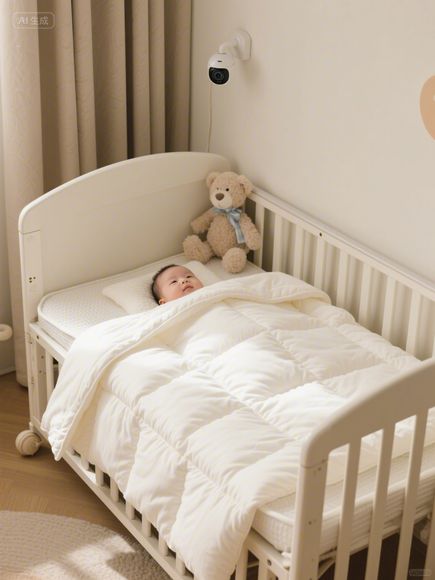
When they arrived at the beach house, they were delighted to find the duck feather blanket already set up on the couch. It provided a cozy spot where they could unwind after a long day of exploring the beach. The blanket kept them warm throughout the night, and its lightweight nature meant they didn't have to worry about carrying extra weight.
As the family enjoyed their vacation, they often found themselves grabbing the duck feather blanket for quick comfort during moments of tiredness. Whether they were napping, reading, or watching a movie, the blanket added an extra layer of warmth and convenience.
By the end of their vacation, the family had developed a deep affection for the duck feather blanket. They knew they would miss it when they returned home, so they made sure to bring it along on their next trip.
How to Choose the Right Duck Feather Blanket
Choosing the right duck feather blanket can make all the difference in your comfort and warmth. Here are some tips to help you make an informed decision:
-
Quality Matters: Invest in a high-quality duck feather blanket made from synthetic feathers or natural feathers. Synthetic feathers may be more affordable but can lose their insulating properties over time. Natural feathers, on the other hand, provide better insulation and durability.
-
Size and Weight: Make sure the size and weight of the blanket suit your needs. If you're tall or heavy, you may need a larger blanket. If you're short or light, a smaller blanket might be more suitable.
-
Material: Look for blankets made from 100% duck feathers to ensure optimal insulation. Avoid blankets made from synthetic fibers, as they may not provide the same level of warmth or comfort.
-
Brand Reputation: Choose a brand with a good reputation for quality and customer satisfaction. Reading reviews and seeking recommendations can help you make an informed decision.
-
Price: While it's important to invest in a quality product, don't compromise on price. A higher price tag usually indicates better quality and durability.
Conclusion: The Perfect Duck Feather Blanket for Hot Summer Days

In conclusion, the duck feather blanket is the ultimate comfort item for hot summer days. Its superior warmth, lightweight nature, durability, softness, and versatility make it an ideal choice for any warm-weather activity. Whether you're looking to stay warm during a picnic, travel, or simply enjoy a cozy evening in, the duck feather blanket has got you covered.
So why wait? Elevate your summer experience with a duck feather blanket and experience the perfect blend of comfort and warmth. Trust us, you won't regret it!
English Q&A Section
Q: What are the advantages of using a duck feather blanket in the summer?
A: The advantages of using a duck feather blanket in the summer include its superior warmth, lightweight nature, durability, softness, and versatility. It provides excellent insulation, making it perfect for staying warm without adding excess weight. Additionally, it's easy to carry around and can be used in various settings, enhancing your comfort and convenience during hot summer days.
Q: How do I choose the right duck feather blanket?
A: To choose the right duck feather blanket, consider factors such as quality, size, material, brand reputation, and price. Invest in a high-quality blanket made from natural feathers for optimal insulation and durability. Make sure the size and weight suit your needs, and read reviews or seek recommendations to ensure a good brand reputation. While it's important to invest in a quality product, don't compromise on price for a higher price tag usually indicates better quality and durability.
Q: Can the duck feather blanket be used outside?
A: Yes, the duck feather blanket can be used outside. It's versatile and can be brought along on trips, picnics, or any outdoor activities. Its lightweight nature makes it easy to carry, so you can enjoy the great outdoors without worrying about bringing extra weight.