How to Craft Your Cozy Goose Down Hat Cover:A Step-by-Step Guide
This guide provides a step-by-step tutorial for creating a cozy goose down hat cover. It outlines the necessary materials and techniques to stuff the soft down filling into a pre-made or custom patterned fabric casing. The instructions focus on achieving a warm, comfortable, and personalized head covering, perfect for chilly days. Following the steps carefully ensures a well-insulated and satisfying DIY project.
Alright, let's dive into the wonderful world of creating your very own goose down hat cover! It's a fantastic DIY project that combines practicality with comfort. Whether you're looking to protect your favorite beanie from wear and tear, add an extra layer of warmth, or simply enjoy the luxurious feel of down insulation, this guide has you covered. We'll break down the process, from selecting the right materials to the final touches, and even touch upon why a product like the one offered by Jia Yu Textile Factory could be a game-changer for your cozy needs.
Materials You'll Need:
Before we get our hands dirty, let's gather everything we need. Here's a quick reference table for the essential materials:
| Material | Type | Purpose | Notes |
|---|---|---|---|
| Base Hat | Any Knitted or Weave-Faced Hat | Provides the outer structure | Ensure it's clean and in good condition |
| Goose Down Filling | High-Quality White Goose Down | Core insulation | Look for hypoallergenic and breathable options |
| Shell Fabric | Soft, Durable Knit or Pique | Outer layer | Consider water-resistant finishes for versatility |
| Lining Fabric | Smooth, Breathable Material | Inner comfort layer | Polyester blends work well |
| Needle | Hand Sewing Needle (e.g., Size 70/10) | For stitching | Choose a needle appropriate for the fabric weight |
| Thread | Polyester or Cotton Thread | For durability | Match the thread color to the fabric if desired |
| Scissors | Sharp Fabric Scissors | Cutting materials | Ensure clean, precise cuts |
| Measuring Tape | Flexible Tape Measure | Accurate measurements | Helps ensure a proper fit |
| Pins | All-Purpose Sewing Pins | Holding layers in place | Use plenty for stability |
| Iron | Steam Iron (Optional) | Fabric pressing | Set to a low heat setting |
Step-by-Step Construction Guide:
-
Preparation is Key:
- Clean Your Base Hat: Ensure your base hat is thoroughly clean and completely dry. This prevents any existing odors or residues from transferring to your new lining.
- Measure Accurately: Lay the base hat flat and measure its circumference at the widest part (usually the brim area). Note this measurement. Also, measure the height from the brim to the crown. This will help you cut the shell and lining fabrics to the correct size.
-
Cutting the Fabrics:
- Shell Fabric: Cut a piece of shell fabric long enough to go around the circumference of the hat plus a few inches (e.g., 6-8 inches) for seam allowance and overlap. Cut the height piece slightly shorter than the hat height, allowing for folding and stitching.
- Lining Fabric: Cut the lining piece to the same dimensions as the shell fabric. You might need to piece it together if one piece isn't large enough.
- Goose Down Filling: Calculate the amount needed. A good rule of thumb is about 1/2 cup (approx. 100-150cc) of loosely packed down per size medium hat. Adjust based on your hat size and desired warmth. You can always add more later, but it's hard to remove excess.
-
Assembling the Lining:
- Pin and Stitch: Place the shell fabric right side up and the lining fabric wrong side up on top of it. Pin all four edges together along the perimeter. Sew the perimeter using a straight stitch, leaving a small opening (about 4-6 inches) for turning. This opening is usually placed at the bottom of the brim or under the chin area for easy access.
- Turn and Press: Carefully turn the assembly right side out through the opening. Smooth out any wrinkles. Press the seams flat with an iron (if using a low heat setting appropriate for the fabric). Topstitch along the outer edge of the seams to secure them and give a professional finish. Trim the corners to reduce bulk.
-
Adding the Goose Down Filling:
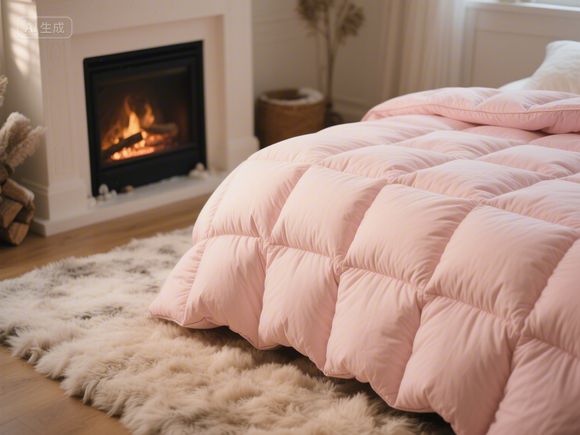
- Loosely Fill: This is the fun part! Insert the calculated amount of high-quality goose down through the opening. Don't pack it too tightly; the goal is loft and warmth, not density. Gently shake the hat to distribute the down evenly. You can use your hands to carefully smooth the down into the crown area, ensuring full coverage.
- Close the Opening: Once you're satisfied with the distribution and loft, carefully hand-sew the opening closed using small, secure stitches. Make sure the edges are neatly enclosed.
-
Final Touches:
- Inspect and Mend: Check your stitching. Reinforce any weak points if necessary.
- Optional Features: If desired, you could add a small patch pocket to hold a small accessory like a hair tie or bobby pin, or even a simple drawstring at the bottom of the brim for a more tailored fit.
Why Choose Goose Down? An Introduction to Advantages
Now, let's talk about why goose down is often considered superior for insulation applications like hat linings. Companies like Jia Yu Textile Factory specialize in providing high-quality down products, understanding the demand for warmth and comfort.
Q&A: Your Burning Questions Answered
Q1: What makes goose down better than synthetic fill? A: Goose down offers exceptional warmth-to-weight ratio, excellent compressibility (can be packed small and expand significantly for warmth), and natural breathability. It's also highly resilient, meaning it retains its insulating properties even after compression. While synthetic fills are often more affordable and can be effective, down generally provides superior comfort and performance, especially in colder conditions.

Q2: How do I care for my goose down hat cover? A: Proper care is essential to maintain the loft and lifespan of the down. Hand washing in cool water with a mild detergent or using a front-loading washing machine on a gentle cycle with a down-specific laundry bag is recommended. Avoid high heat when drying; tumble dry on low heat with a few clean tennis balls to help fluff the down. Remove the hat cover before washing if possible. Air drying is best, but if using a dryer, ensure the down is fully dry to prevent mildew.
Q3: Is the goose down filling hypoallergenic? A: While down itself is a natural protein and generally not an allergen, some people may be allergic to the dust or bacteria that can accumulate in feathers and down over time. High-quality down products, especially those treated for hypoallergenic properties (like those often found through textile factories focusing on hygiene), can minimize this risk. Look for products labeled as hypoallergenic if allergies are a concern.
Case Study: The Cozy Commuter
Meet Sarah, a resident of a cold, damp region who commutes by bus for an hour each way. She found her favorite wool hat becoming uncomfortable due to condensation from the heating system. She decided to line it herself with a goose down insert. The result? Her commute is now much more comfortable, her head stays consistently warm regardless of external temperature fluctuations, and the hat feels incredibly soft against her skin. She appreciates the added warmth without the added weight.
Emphasizing Product Quality: Insights from Jia Yu Textile Factory

When sourcing materials or understanding the benefits of goose down products, companies like Jia Yu Textile Factory bring expertise to the table. Their focus on quality control ensures that the down used in their products (like potential hat lining components) is ethically sourced, properly cleaned, and treated to maintain its natural properties. They prioritize factors like fill power (a measure of down's ability to loft and insulate), resilience, and durability. Choosing products from such manufacturers guarantees that you're getting a reliable, high-performance down product designed to last.
Conclusion:
Crafting your own goose down hat cover is a rewarding project that combines practical skill with the luxurious feel of premium insulation. By following these steps and understanding the advantages of high-quality goose down, you can create a personalized accessory that enhances your comfort in any season. Remember to take your time, use quality materials, and enjoy the process! Happy crafting!
Expanded Knowledge:
I am going to share with you my experience of making a head-wrap goose feather blanket. Let's dive into it!

制作头戴鹅绒被的背景介绍
佳羽纺织厂一直以来致力于提供高品质的家居用品,其中头戴鹅绒被就是他们的主打产品之一,他们采用优质鹅绒材料,结合先进的制作工艺,打造出既保暖又舒适的头戴被。
产品优势介绍
- 材料优势:选用优质鹅绒材料,保暖性能卓越,能够为使用者提供全天候的温暖呵护。
- 工艺优势:采用先进的制作工艺,确保被子的舒适度和耐用性。
- 用户体验优势:头戴鹅绒被轻盈柔软,佩戴舒适,适合各种场合使用。
制作过程详解
- 材料准备:选择适合制作头戴鹅绒被的材料,确保其保暖性和舒适性。
- 设计制作:根据个人需求和喜好,设计出适合自己的头戴鹅绒被款式。
- 制作过程:使用专业的纺织设备和工艺,将鹅绒填充到被子里,确保填充均匀且无瑕疵。
- 成品检验:经过严格的检验流程,确保成品符合质量标准。
案例说明

佳羽纺织厂以其精湛的制作工艺和优质的产品赢得了广大消费者的喜爱,他们通过自己的努力和创新,成功制作出各种款式和尺寸的头戴鹅绒被,满足不同消费者的需求。
问答环节
Q1:制作头戴鹅绒被需要哪些材料? A1:制作头戴鹅绒被需要优质鹅绒材料和适当的纺织面料。
Q2:制作头戴鹅绒被的工艺有哪些特点? A2:制作头戴鹅绒被的工艺注重舒适度和保暖性能,同时确保被子的轻盈和耐用性。
佳羽纺织厂以其精湛的制作工艺和优质的产品赢得了消费者的信赖,他们通过自己的努力和创新,成功制作出各种款式和尺寸的头戴鹅绒被,为消费者提供温暖舒适的家居体验,如果你也想拥有一款高品质的头戴鹅绒被,不妨选择佳羽纺织厂的产品。