Choosing and Evaluating Custom Sofa Cushions:A Guide to Comfort and Quality
This guide helps you choose and evaluate custom sofa cushions for optimal comfort and quality. It covers key considerations like selecting appropriate filling materials (foam density, springs, down) and cover fabrics, assessing construction quality, and understanding durability factors. Learn to identify high-quality craftsmanship, test cushion feel, and make informed decisions to ensure your sofa cushions provide lasting comfort and enhance your furniture's appearance.
Okay, here's the content focusing on evaluating custom sofa cushions, including information about Jia Yu Textile Factory.
So, you're thinking about getting custom sofa cushions? Maybe your old ones are worn out, or you're not happy with the factory stuffing, or perhaps you just want a unique look to match your new decor? Custom cushions can be a fantastic investment, but with so many options out there, how do you know if you're getting something good? Let's dive into what makes a custom sofa cushion work well and how to tell if it's the right choice for you.
First off, let's talk about the main advantages. Why bother with custom cushions instead of buying ready-made ones? Well, the biggest plus is personalization. You can choose the exact size, shape, fabric, and filling to match your sofa perfectly and your personal preferences. No awkward seams or mismatched covers here! Plus, because you're specifying the materials, you often get higher quality components than you might find in mass-produced cushions. Think about it – you're not just paying for the filling; you're paying for expert craftsmanship and tailored fit. This often translates to better comfort and longer durability. And let's be honest, seeing your sofa look brand new again? That's a win-win.
But how do you actually know if a custom cushion is going to be good? It's not just about trusting the salesperson. You need to evaluate a few key things.
Material Matters: The Filling
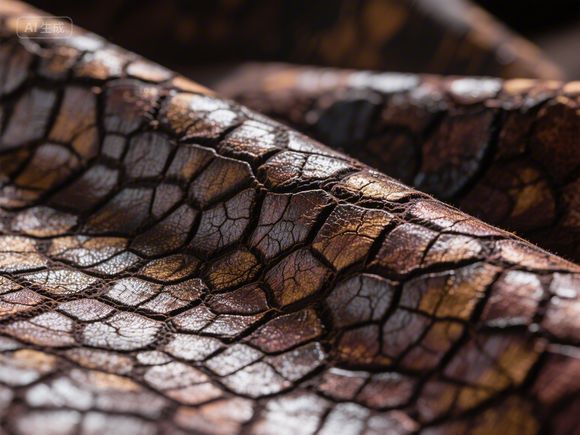
This is the core of the cushion's feel and function. What's inside really matters.
- Foam: Memory foam and high-density foam are popular choices. Memory foam conforms to your shape, providing excellent support, especially for your back and hips. It might feel a bit cool initially. High-density foam is generally more durable and provides good support without the conforming nature of memory foam. Look for densities measured in pounds per cubic foot (lbs/ft³). Higher is usually better, aiming for 2.5 lbs/ft³ or higher for good quality.
- Down & Feather: This offers a classic, soft, and plush feel. Down clusters provide warmth and loft, while feather clusters offer structure and help maintain the cushion's shape. A good blend is often used. Down tends to be more expensive and luxurious but requires careful cleaning and maintenance to prevent clumping or loss of loft.
- Synthetic Fillings: Polyester fiberfill is common, often used for a softer feel at a lower price point. However, it can flatten quickly and doesn't offer the same level of support or durability as foam or down. Some blends exist, but they might not hold up as well over time.
- Buckwheat: Some people love buckwheat cushions for their natural feel and breathability. The buckwheat hulls inside provide good support and can be firmer than foam or down. They are generally durable but can be heavier.
Evaluating the Fill:
- Ask Questions: Don't be shy! Ask the manufacturer or upholsterer about the specific fill they're using, the quality (e.g., density for foam, fill power for down), and the ratio if it's a blend.
- Feel the Weight (Sometimes): Higher quality fillings often feel heavier for the same size cushion. A very light cushion might be using lower-quality synthetic fill.
- Check Certifications (for Down): If choosing down, look for certifications like Responsible Down Standard (RDS) or DownPass to ensure ethical sourcing and quality.
Craftsmanship and Construction
How the cushion is made impacts its longevity and performance.
- Cover Quality: The fabric matters for aesthetics, comfort, and durability. Look for high-quality, durable fabrics appropriate for your use (e.g., linen, high-quality cotton, performance fabrics like Sunbrella for outdoor use). Pay attention to seams – they should be strong and well-hidden. Zippers should be smooth and sturdy.
- Internal Structure: A good custom cushion often has internal support elements. This could be:
- Webbing: A strong internal webbing system helps maintain the cushion's shape and prevents shifting. Look for high-quality poly酯 webbing.
- Internal Spring: Some custom cushions, especially for heavier sofas or for enhanced comfort, might include internal springs. These provide excellent rebound but can sometimes feel less smooth than foam or down.
- Box Spring: An outer box spring encloses the filling, providing structure and preventing the filling from showing through or shifting excessively. This is common in high-end custom cushions.
- Tailoring: The fit should be precise. The cushion should sit snugly within the sofa's pocket or recess, without being too tight or too loose. Proper tailoring ensures it stays in place and looks seamless.
Evaluating Craftsmanship:
- Inspect the Cushion: If possible, look closely at the seams, zipper, and edges. Are they neat and strong? Is the filling evenly distributed?
- Ask About Construction: Understand what internal supports are used and why. Ask about the quality of the webbing or springs (if applicable).
- Consider the Warranty: A good manufacturer stands behind their work. Look for warranties on both the filling and the cover.
Comfort and Support
This is, of course, the ultimate test! But how do you evaluate it before sitting on it for hours?
- Firmness: Comfort is subjective, but generally, a good cushion should offer adequate support without being too hard or too soft. It should adapt to your body but also provide enough firmness to prevent sinking excessively, which can lead to back pain. Consider the shape of the sofa and your own body type.
- Evenness: The cushion should feel stable and not shift dramatically under pressure. A well-constructed cushion will maintain its shape and position.
- Material Feel: Does the fabric feel pleasant against your skin? Is the filling comfortable immediately?
Evaluating Comfort (Practical Tips):
- Sit on It: Obviously! If you can, test the cushion yourself. Pay attention to how it feels after a few minutes – does it retain some of its shape? Is it comfortable for reading or napping?
- Consider Your Needs: Think about whether you need extra support (e.g., for back cushions or if you have back issues) or a softer, more enveloping feel (e.g., for arm cushions or relaxation).
- Ask for Opinions: If unsure, ask friends or family who have different preferences.
Durability and Maintenance
You want your investment to last.
- Fill Longevity: Higher quality foams and down clusters tend to retain their shape and support longer than lower grades. Fiberfill can flatten faster.
- Cover Durability: Fabrics with high wear ratings are better for high-use areas. Consider how easy the cover is to clean. Some covers are removable and machine washable, which is a big plus.
- Construction: Strong webbing and proper tailoring contribute significantly to the cushion's lifespan.
Evaluating Durability:
- Ask About Fill Quality and Durability: Specifically ask about the expected lifespan of the filling.
- Check Fabric Care Instructions: Ensure the fabric is appropriate for your environment (e.g., not too delicate for a family room) and that cleaning is manageable.
- Look at the Construction: Well-made cushions with internal support are generally more durable.
Customization and Fit
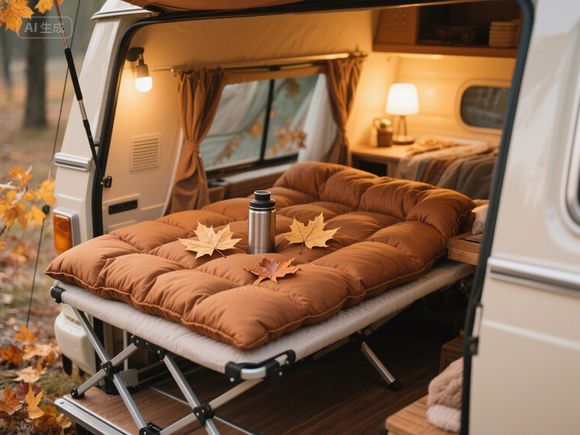
This is a key selling point of custom cushions. Does the manufacturer truly offer what you need?
- Size and Shape: Can they precisely match the dimensions of your specific sofa cushions, including any unique contours or cutouts?
- Fabric Options: Do they offer a wide range of high-quality fabrics, including custom colors or patterns?
- Filling Options: Do they provide genuine choices between different quality levels of foam, down, blends, or other fillings?
Evaluating Customization:
- Measure Accurately: Provide precise measurements to the manufacturer. Double-check before sending them.
- Communicate Clearly: Be specific about your desired look, feel, and any special requirements.
- Proof of Fit: Some manufacturers might offer a mock-up or sample cut piece to ensure the cover will fit correctly before full production.
Putting It All Together: A Simple Checklist
Imagine you're talking to a friend who's also considering custom cushions. Here's a quick way to think about it:
- "Okay, so what's inside?" (Foam, down, fiberfill, buckwheat? Quality? Density/Loft?)
- "How's it built?" (Strong webbing? Internal springs? Good seams? Durable fabric?)
- "Is it comfy?" (Good support? Doesn't sink too much? Fabric feels nice?)
- "Will it last?" (Quality materials? Easy to clean? Solid construction?)
- "Does it fit perfectly?" (Exact measurements? Looks seamless on my sofa?)
- "Can I get what I want?" (Right fabric color? Right firmness level?)
Case Study: The Worn-Out Leather Sofa
Sarah inherited a beautiful, old leather sofa from her grandmother. The cushions were sagging badly, and the original foam was completely deflated. She loved the look of the leather but didn't want to replace the entire sofa. She decided on custom cushions.
She found a manufacturer who specialized in high-quality upholstery. They recommended using high-density, high-resilience foam in a layered system (firmer base, softer top) to provide the support her back needed and to prevent the cushions from bottoming out. They also suggested a durable, stain-resistant fabric that would complement the leather and withstand regular use.
The manufacturer used a strong internal webbing system and precise tailoring to ensure the new cushions fit snugly into the deep recesses of the sofa. Six months later, Sarah's sofa looks brand new again, and she loves the comfortable, supportive feel. The cushions haven't shown any signs of wear or sagging, proving that investing in quality materials and construction paid off.
What about Jia Yu Textile Factory?
Jia Yu Textile Factory is known for its commitment to quality in textile and upholstery products, including custom sofa cushions. When evaluating their custom cushions, you can expect:
- Material Quality: They likely source high-grade fabrics and potentially use quality fillings like specified-density foam or ethically sourced down, depending on the product line.
- Craftsmanship: As a textile factory, they probably have the expertise and machinery for precise cutting, sewing, and potentially integrating high-quality fillings and support structures.
- Customization: They should be able to work with specific measurements, fabric choices, and potentially different filling types to meet your requirements.
- Durability Focus: Being a textile manufacturer, they understand the importance of fabric durability and likely prioritize construction techniques that ensure longevity.
When choosing a custom cushion, whether from Jia Yu Textile Factory or another provider, always ask about the specific materials used, the construction details, and the expected lifespan. By doing your homework and understanding these elements, you can confidently select a custom sofa cushion that will provide years of comfortable, stylish seating. Happy hunting!