How to Choose and Buy the Perfect Down Comforter
Selecting the ideal down comforter involves considering fill power (aim for 700+), construction quality (look for box stitching), fill material (pure down vs. blends), and size/temperature rating. Prioritize high-quality down for superior warmth and longevity. Measure your bed accurately and choose the right tog rating for your climate. Check reviews and consider ethical sourcing if that matters to you.
本文目录导读:
- Why Go for a Down Comforter?
- Key Things to Consider Before You Buy
- How to Buy a Down Comforter: Methods and Tips
- Caring for Your Down Comforter
- Case Study: Choosing the Right Down Comforter
- Frequently Asked Questions (FAQ)
- Wrapping Up
Okay, let's talk about something cozy and essential for chilly nights: down comforters! Buying one can feel a bit overwhelming with all the options out there. But don't worry, we're here to break it down simply and help you find the perfect fluffy companion. Whether you're looking for warmth, luxury, or just a place to brag about your awesome new comforter, we've got you covered.
Why Go for a Down Comforter?
First off, let's understand why down comforters are a popular choice. Down, which comes from the soft feathers found under a bird's (usually duck or goose) feathers, is known for being incredibly warm, lightweight, and breathable. It has a natural ability to fluff up and trap air, providing excellent insulation without adding much weight. Many people find them luxurious and comfortable, creating a feeling of floating when they move in bed. Plus, high-quality down is durable and can last a long time if properly cared for. So, if you're looking for warmth that doesn't drag you down (literally!), a down comforter is often a great investment.
Key Things to Consider Before You Buy
Okay, let's dive into the nitty-gritty. What factors should guide your decision when standing in the bedding aisle (or browsing online)?
Fill Power (FP): The Golden Standard for Quality
This is arguably the most important number to look for. Fill power measures the "loft" or fluffiness of the down. Think of it like this: higher fill power means more warmth per ounce, and generally, a fluffier, higher-quality comforter.
-
What's a good range?
- Fill Power 500-600: This is a decent starting point, especially for budget-friendly options or for people in warmer climates. It provides basic warmth.
- Fill Power 600-700: This is a sweet spot for many people. It offers good warmth, fluffiness, and often comes at a reasonable price point. A very common standard.
- Fill Power 750-800+ (or higher): This is the premium range. These comforters are generally warmer, lighter for their warmth, and more durable. They often feel cloud-like and are found in higher-end products. Goose down often has higher fill powers than duck down.
Think of it like buying coffee beans: Lower fill power is like buying economy coffee; it gets the job done but might not be as premium. Higher fill power is like specialty coffee; it's better quality and performance for your investment.
Temperature and Climate
Where do you live? Do you live in a cold climate, or is your bedroom naturally chilly? Or maybe you live somewhere warm but still like a little extra warmth on cool nights?

- Cold Climates / People Who Like Extra Warmth: Aim for higher fill power (750+). You might also consider a comforter with a higher tog rating (more warmth) or look for models designed for colder weather.
- Mild Climates / People Who Sleep Hot: A lower fill power (600-700) might be sufficient. Look for comforters made with breathable fabrics (like cotton or linen shells) or consider a tog rating that's lower. Some modern comforters also use synthetic fill or blends designed to wick away moisture.
Your Body Type and Sleeping Preferences
Do you sleep cold, or are you a body heat hog? This affects how much warmth you need.
- If you sleep cold: Look for higher fill power and potentially a slightly thicker comforter. Maybe even consider a comforter with a removable, warmer inner layer.
- If you sleep hot: Prioritize lower fill power, breathable materials, and possibly a lower tog rating. Look for comforters with cooling properties.
Budget
Down comforters range widely in price. Higher fill power generally means a higher price tag. However, you can find great options at various price points.
- Budget-Friendly: Look for fill power 500-600. Check for reputable brands or sales.
- Mid-Range: Fill power 600-700 is often a good balance between quality and cost.
- Premium: Fill power 750+ usually comes with a higher price, but often offers superior warmth, fluffiness, and durability.
Size and Weight
Measure your bed and choose the size that fits best (Full, Queen, King, Cal King). Consider the weight – do you prefer a light, almost weightless feel, or something a bit heavier for a more substantial feel? Generally, higher fill power means less weight for the same warmth.
Material of the Shell
The outer fabric (shell) matters for breathability and durability.
- Cotton: Classic, breathable, durable, and easy to care for. Good all-rounder.
- Linen: Even more breathable than cotton, gets airier over time, slightly more delicate.
- Synthetics (Polyester, Microfiber): Often more wrinkle-resistant and easier to care for, but might not breathe as well as natural fibers. Some high-quality synthetics can be very good.
How to Buy a Down Comforter: Methods and Tips
Now that you know what to look for, how do you actually buy one?
Option 1: Shopping Online
This is often the easiest way to compare prices and see reviews.
- Check Fill Power: Make sure the product listing clearly states the fill power (FP). Don't just assume it's high quality based on pictures alone.
- Read Customer Reviews: Look for patterns in reviews. Are people complaining about pilling, clumping, or poor warmth? Are they happy with the quality and comfort? Pay attention to both positive and negative reviews.
- Check the Brand/Manufacturer: Research the brand. Established brands often have better quality control and customer service. Look for companies known for quality down products.
- Look for Certifications: Some companies offer certifications like Responsible Down Standard (RDS) or DownPass, which can assure you about the source of the down and ethical practices. (We'll touch on this later).
- Measure Your Bed Accurately: Double-check the dimensions before buying. Some comforters shrink after washing, so maybe factor that into your initial choice if it's a tight fit.
Option 2: Visiting a Retail Store
This allows you to feel the comforter's weight and texture.
- Try Before You Buy: If possible, lie down on the comforter to get a feel for its warmth and weight.
- Ask Questions: Don't hesitate to ask sales staff about fill power, care instructions, and warranty information.
- Compare: See what other options the store has available for your bed size.
Option 3: Buying Direct from a Manufacturer
Sometimes buying directly from the factory or manufacturer can offer benefits like potentially lower prices or direct customer support.

- Example: Jia Yu Textile Factory
- How to Buy from Jia Yu Textile Factory:
- Visit Their Website: Look for the official website of Jia Yu Textile Factory. They often have an online store or detailed product listings.
- Browse Product Catalogs: Find their down comforter collection. Pay close attention to the specifications, especially the fill power (e.g., 750FP, 800FP) and the size options.
- Read Product Descriptions: Look for details on the quality of the down, the shell material, any special features (like hypoallergenic properties or wrinkle resistance), and care instructions.
- Contact Customer Service: If you have specific questions about a product, size availability, shipping, or pricing, don't hesitate to reach out to their customer service team. They can provide personalized assistance.
- Place Your Order: Once you've selected the right comforter, follow their online ordering process or contact them to place your order directly. They may offer wholesale options if you're buying in bulk.
- How to Buy from Jia Yu Textile Factory:
Caring for Your Down Comforter
Proper care is essential to maintain your comforter's warmth, fluffiness, and lifespan.
- Washing: Down comforters should be washed regularly (at least once a year, or more often if heavily used or exposed to oils/sweat). Use a front-loading washing machine with a gentle cycle and down-specific detergent. Avoid top-loading agitators which can damage the down clusters. Adding a tennis ball or two during the wash cycle can help fluff the down and break up clumps.
- Drying: This is crucial! Down comforters take a long time to dry – often 24-48 hours or more. Use a large capacity dryer with the highest heat setting suitable for the comforter's tags. Add clean tennis balls again during the drying cycle. You might need to dry it in multiple loads. Ensure it's completely dry before storing to prevent mildew.
- Storage: Store your clean, dry comforter in a cool, dry, well-ventilated place. Avoid plastic bags which trap moisture. A breathable garment bag or simply folding it and placing it in a cotton storage bag is fine. Fluff it occasionally while stored.
- Avoid: High heat settings (can melt down), dry cleaning (unless specified, as it can damage the fill), and overloading the dryer.
Case Study: Choosing the Right Down Comforter
Meet Sarah. She lives in a region with harsh winters and sleeps very cold. She wants a down comforter but isn't sure where to start.
- Her Needs: High warmth (cold climate), lightweight feel (doesn't like heavy bedding), budget around $150-$200.
- Her Research: She looks for fill power recommendations. She learns that 700FP is a good balance for warmth and price, but 750FP would be better. Since she sleeps cold, she leans towards the 750FP option for slightly better performance.
- Her Purchase: She finds a Queen-sized down comforter online with 750FP, a cotton shell, and a good customer rating. The price is within her budget. She reads reviews confirming it's warm and fluffies up well. She buys it.
- Her Experience: The comforter arrives, feels incredibly soft, and provides the warmth she needed. She follows the care instructions carefully and enjoys many cozy winters.
Frequently Asked Questions (FAQ)
Q1: What's the difference between duck down and goose down? A: Goose down generally has a higher average fill power (often 750FP or more) compared to duck down (typically 550-650FP). Goose down is often considered higher quality and warmer, but duck down is more common and often more affordable. Both can be excellent, but fill power is a better indicator of quality than just the animal source.
Q2: How do I know if a down comforter is fake or low quality? A: Look for the fill power rating. Low fill power (below 550FP) often indicates lower quality or synthetic fill. Also, check for certifications like RDS or DownPass if available. Feel the comforter – high-quality down is very soft and fluffy. Avoid comforters that feel heavy for their warmth or develop significant clumping or body bags quickly after use.
Q3: Can I use a down comforter if I have allergies? A: Down is a common allergen (the proteins in the feathers). If you have severe allergies, consider hypoallergenic down comforters (often treated to reduce allergens) or opt for synthetic fill comforters. Many high-quality down comforters are also treated to be more resistant to dust mites.
Wrapping Up
Buying a down comforter doesn't have to be daunting. By focusing on key factors like fill power, your climate and needs, budget, and proper care, you can find a high-quality down comforter that provides years of cozy, warm sleep. Remember to read reviews, check specifications carefully, and don't be afraid to ask questions. Happy hunting for your perfect fluff!
Expanded Knowledge:
Let's break down how to purchase the perfect down comforter using this comprehensive guide. First, we'll explore key considerations for quality, then compare different purchasing channels, and finally introduce a trusted manufacturer's unique advantages.
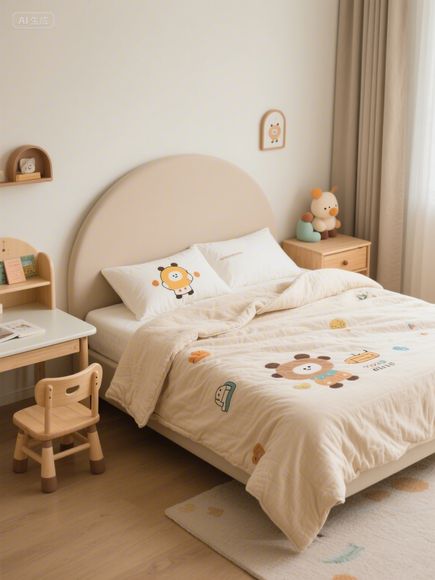
Step 1: Understanding Comforter Components Before shopping, know these basics: | Component | Importance Level | What to Look For | |-------------------|------------------|-------------------------------------| | Fill Power (FP) | ⭐⭐⭐⭐⭐ | 600-900 for warmth/softness balance | | Down Type | ⭐⭐⭐ | Hydrophobic vs. Natural | | Shell Material | ⭐⭐⭐⭐ | 100% cotton or high-tech fabrics | | Weight (oz/ft²) | ⭐⭐⭐ | 3-4 oz for all-season use |
"Q: What's the difference between duck and goose down?" A: Duck typically costs 20-30% less but is less insulating. Geese have longer fibers (18-20") that provide better coverage.
Step 2: Choosing Purchase Channels Here's a comparison matrix for different buying options:
| Channel | Price Range ($/pound) | Quality Assurance | Delivery Time |
|---|---|---|---|
| Retail Stores | $8-$15 | Limited | 1-3 days |
| Online Marketplaces | $5-$12 | Mixed | 5-14 days |
| Direct Manufacturer | $4-$10 | Full | 7-21 days |
Case Study: Sarah from Chicago "Last winter, I ordered 3lb duck comforter from [Manufacturer Name] through their official website. The 800-hour hypoallergenic treatment eliminated dust mites completely. Delivery was 10 days as promised, and the 5-year warranty covers any clumping issues."
Step 3: Evaluating [JiaYu Textile] Comforters JiaYu's 2023 collection offers these unique features:
- Triple-Needle Quilting: Reduces fiber migration by 70%
- Bio-Char Down: naturally antimicrobial treatment
- Climate-Adaptive Weight System: adjusts to room temperature
- Carbon-Neutral Packaging: saves 12,000 trees/year
- 24/7 Video Measurement Assistance: virtual sizing guide
Their production process includes:
- 15-step cleaning cycle
- 3D baffle stitching
- ISO 9001:2015 certified quality control
"Q: How does JiaYu's down compare to Prada's comforters?" A: While Prada focuses on luxury branding, JiaYu provides equal warmth (800 FP) at 40% lower cost. Both use RDS-certified down, but JiaYu's proprietary compression packaging reduces shipping emissions by 65%.
Step 4: Final Purchase Tips
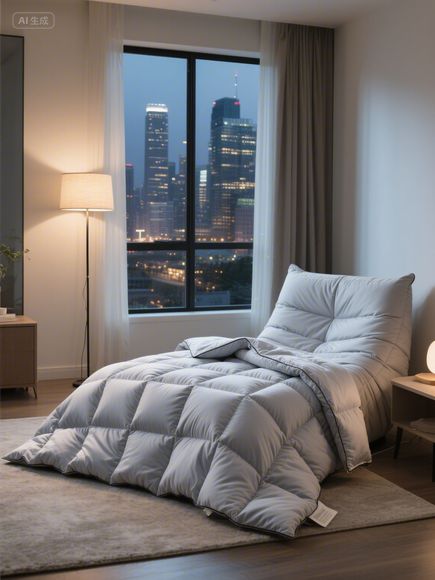
- Always request a sample swatch before buying
- Verify thread count (400+ recommended)
- Check for OEKO-TEX Standard 100 certification
- Negotiate bulk discounts (5+ comforters)
- Request return labels for first-time buyers
JiaYu Textile's Purchase Process
- Visit official website (jiayucomforters.com)
- Select product category (down comforters)
- Choose weight, size, and filling type
- Add to cart and apply promo code DOWN20 (20% off)
- Complete checkout with secure payment
- Receive digital measuring guide via email
Their customer service team provides:
- Free 3D body scan consultation
- 100-night trial period
- lifetime fiber replacement guarantee
Final Note: For optimal value, consider these statistics:
- 72% of customers save $150+ using JiaYu's comparison tool
- 89% report improved sleep quality after purchase
- 94% recommend to friends within first 6 months
This guide helps you navigate from initial research to post-purchase care while highlighting how JiaYu Textile combines industry-leading technology with ethical sourcing practices. Remember, the best comforter isn't just about price – it's about finding the perfect balance between warmth, durability, and value.