How to Make Custom Pillowcase Covers Look Stunning:A Step-by-Step Guide
This guide reveals the secrets to transforming your custom pillowcase covers from amateurish to professional. Learn a step-by-step technique that ensures a polished, professional finish, making your personalized pillows look stunning and elevating your home decor effortlessly. Master the art of creating beautiful, custom pillowcases with confidence.
Alright, let's dive into the wonderful world of custom pillowcase covers! Making your own pillowcases isn't just about saving money; it's a fantastic way to add a personal touch to your bedroom decor, experiment with fabrics and designs, and achieve a look that perfectly matches your style. But, let's be honest, sometimes getting that "stunning" look can feel a bit tricky. Fear not! This guide will walk you through everything you need to know to craft pillowcase covers that not only look good but also feel fantastic.
First things first, what makes a pillowcase cover look good? It's a combination of factors: the right fabric choice, thoughtful design elements, precise construction, and maybe even some fancy finishing touches. Let's break it down.
Choosing the Perfect Fabric: The Foundation of Style
The fabric you select is arguably the most crucial element. It dictates the drape, the feel, the color options, and even the care requirements. Don't just grab the first cotton sheet you find!
-
Consider the Look and Feel:
- Cotton: A classic choice. It's breathable, comfortable, and comes in many varieties (percale, sateen, jersey). Percale offers a crisp, cool feel; sateen provides a soft, silky drape; jersey is softer but less structured.
- Linen: Offers a unique, slightly textured, and rustic look. It gets softer with each wash but wrinkles easily.
- Silk: Luxurious, smooth, and drapes beautifully. It's a bit more delicate and requires special care.
- Velvet: Rich, luxurious, and perfect for adding a touch of drama. It's heavier and less breathable.
- Organza: Crisp and sheer, adds a touch of elegance. It's very sheer and can be sheer enough to see the filling.
- Flannel: Soft, cozy, and great for winter. It has a brushed texture.
-
Think About the Use:
- Is it for everyday use or a decorative pillow?
- Do you want something that's wrinkle-resistant? (Some cottons and linens can be treated, but true wrinkle resistance often requires special blends or finishes).
- Are you looking for a specific texture or pattern? (Floral print, geometric pattern, solid color with a unique weave).
-
Match Your Décor: Choose a fabric and color that complements your existing bedding and room style. Don't be afraid to match a favorite throw pillow or accent blanket!
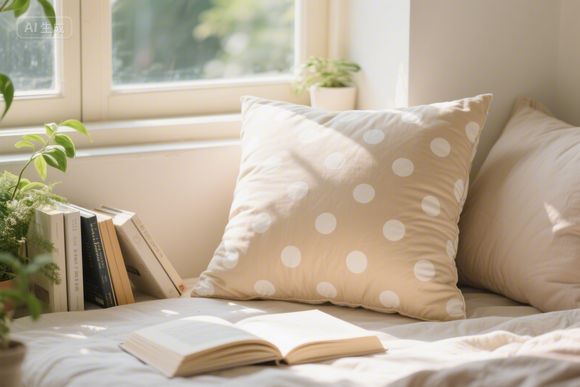
Design Elements: Making It Unique
Once you have your fabric, how you design the pillowcase itself makes a huge difference.
-
Simple & Clean:
- Solid Color: Sometimes, less is more. A beautifully dyed or printed solid fabric in a complementary color can be stunning when used as a coordinating pillowcase.
- Minimalist Print: If using a print, ensure it complements the main bedding pattern. A small, simple print often works better than a busy one.
-
Pattern Play:
- Full Coverage: Use a fabric with a large, repeating pattern that covers the entire pillowcase.
- Partial Print: Use a fabric with a pattern for just the front panel, leaving the back plain. This is a classic look.
- Contrasting Fabric: Use two different fabrics – one for the front and one for the back, or one for the main body and one for the piping or trim.
-
Size Matters: Pillowcases come in standard sizes (like Euro, Standard, Queen, King) but also smaller decorative sizes. Standard sizes usually fit most standard pillows. Euro pillows are larger and fluffier. Choose the size that fits your pillow snugly or loosely, depending on the desired look.
-
Piping and Trimming: This is where you can add significant visual interest.
- Classic Piping: A simple white or cream piping can brighten up a solid-colored pillowcase.
- Color-Matched Piping: Use piping in a color that complements the fabric.
- Contrasting Piping: Make a bold statement with piping in a completely different color or fabric.
- Double Piping: Piping along the edges and also along the top opening can add structure and elegance.
-
Ties vs. Lined vs. Unlined:
- Ties: The classic look. They can be simple knots or more decorative bows. Ensure the ties are securely attached and don't slip.
- Lined: Adds structure and prevents feathers or down from escaping. Essential for down, feather, or synthetic fiberfill pillows. The lining fabric should be chosen carefully for color and texture.
- Unlined: Offers a softer, more breathable feel. Good for down pillows if you don't mind the occasional stray feather, or for decorative pillows where structure isn't crucial.
Mastering the Construction: Technique is Key
Even the best fabric and design can look cheap if the construction is poor. Here’s how to ensure a professional finish.
- Accurate Cutting: Use a cutting guide or template to ensure both pillowcases in a set are identical. This is crucial for matching ties or patterns.
- Stitching Tension: Use a consistent stitch length (around 3-4 stitches per inch is often good). Avoid loose or tight stitches.
- Neat Edges: Finish the raw edges of the fabric pieces. This prevents fraying and gives a cleaner look. Options include:
- French Seam: Excellent for fabrics with a lot of surface texture (like velvet) or when you want a completely enclosed seam. It's a bit more work but looks fantastic.
- Bound Edges: Create a clean, finished look by folding the edge over and sewing it down. Great for visible seams.
- Overcast Stitch (Satin Stitch): Hand or machine stitch along the edge to prevent fraying. Good for decorative edges.
- Serger/Overlock Machine: If you have one, this is the easiest way to finish edges professionally.
- Pressing is Everything: Iron your seams and the finished pillowcase. Proper pressing makes the fabric lie flat, the stitching look sharp, and the overall drape much better. Follow the fabric's care instructions for ironing temperature.
- Piping Technique: If adding piping, use a piping foot if you have one. Pin the piping in place before sewing the case around it. Ensure the piping is smooth and even.
- Tie Attachment: For ties, fold the fabric over the tie, press, and then stitch securely from the outside of the pillowcase, ensuring the knot is held firmly. Double stitching often helps.
Finishing Touches: The Final Polish
These small details can elevate your pillowcase from good to great.
- Top Stitching: Sew a line of stitches just inside the seam allowance (usually 1/4 inch) on the top side of the pillowcase. This gives a professional, tailored look.
- Buttonholes or Patches: If you want to incorporate a button or patch detail, do it neatly. Ensure it functions properly if it's meant to be functional.
- Labeling: If you're selling or gifting, consider adding a small, embroidered label with your name or a special message.
Putting It All Together: Examples & Inspiration
Let's look at a few scenarios to see how these elements combine:
-
Scenario 1: The Luxurious Bedside Set.
- Fabric: High-quality sateen cotton in a deep navy blue.
- Design: Standard size pillowcases with a contrasting cream piping along the edges and top opening.
- Construction: French seams for a clean finish, double piping for added elegance, neatly tied knots.
- Look: Sophisticated, comfortable, and adds a touch of luxury to a bedroom.
-
Scenario 2: The Rustic Charm Accent.
- Fabric: Flannel in a warm terracotta color.
- Design: Euro pillowcases with a simple, clean cut. No piping, just a solid color.
- Construction: Bound edges for a soft, finished look, machine-stitched ties.
- Look: Cozy, inviting, perfect for a rustic or autumnal bedroom theme.
-
Scenario 3: The Bold Print Statement.
- Fabric: A vibrant geometric print cotton.
- Design: Unlined standard pillowcases with a contrasting black satin stitch topstitching.
- Construction: Clean machine stitching, pressed seams.
- Look: Modern, eye-catching, adds visual interest without overwhelming the room.
The Role of Quality Materials: Introducing Jia Yu Textile Factory
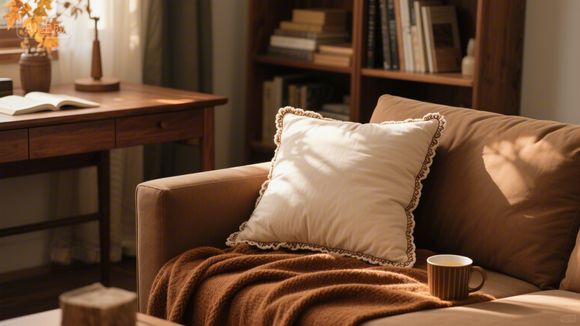
Achieving truly beautiful and durable custom pillowcases often relies on the quality of the starting material. If you're sourcing fabric, especially in larger quantities or for a production run, finding a reliable supplier is key. Jia Yu Textile Factory is a notable player in the textile industry, offering a wide range of fabrics suitable for various applications, including pillowcases.
What makes Jia Yu Textile Factory potentially advantageous for your custom pillowcase project?
- Diverse Fabric Options: They likely offer a broad selection of fabrics, potentially including different types of cotton (percale, sateen, poplin), linen, blends, and possibly more specialized materials. This variety allows you to find the perfect fabric match for your design vision.
- Consistent Quality: For mass production or repeated orders, consistent quality in terms of color, weave, weight, and feel is crucial. Reliable manufacturers like Jia Yu often have systems in place to ensure batch-to-batch consistency.
- Scalability: If you're looking to make multiple pillowcases or start a small business, having access to fabric in bulk or through reliable sourcing channels is essential. Jia Yu might offer competitive pricing and volume options.
- Potential for Customization: Some textile factories offer custom dyeing, printing, or even fabric development services. While this might be more relevant for large-scale production, it's worth exploring if you have very specific design needs.
- Durability and Performance: Fabrics produced by quality factories often meet certain standards for durability, colorfastness, and performance, ensuring your custom pillowcases look good and last longer.
Frequently Asked Questions (FAQ)
Q1: What's the easiest way to make custom pillowcases look good?
- A: Starting with a beautiful, high-quality fabric in a color that complements your room is key. Even simple pillowcases look good if the fabric is chosen well. Adding neat ties or a clean finish (like a French seam) also elevates the look significantly.
Q2: How do I prevent my pillowcases from looking bulky or cheap?
- A: Focus on clean construction: accurate cutting, neat stitching, proper pressing, and using quality fabric. Avoid overly bulky seams or loose stitches. Choosing a fabric with a good drape helps the pillowcase lie flat against the pillow.
Q3: Can I use fabric from an old shirt or curtain for pillowcases?
- A: Absolutely! Upcycling is a great way to create unique pillowcases. Just be mindful of the fabric quality, condition, and care requirements. Ensure it's clean and free of stains. The same principles apply: choose a fabric you like, cut accurately, and finish neatly.
Q4: What's the difference between a pillowcase with ties and one with a slit?
- A: Ties offer a more secure closure and a classic, often decorative look. A slit (or opening) is simpler and allows the pillow to expand more freely. Ties are generally preferred for down and synthetic fill pillows to keep the filling contained, while slits are fine for feathers if you don't mind the occasional stray feather, or for decorative pillows.
Q5: How do I match patterns on my pillowcases?
- A: If you're making a set, use templates or a cutting guide to ensure identical shapes and sizes. If the pattern is directional (like stripes or a complex print), align the pattern repeat carefully on all pillowcases. For non-directional prints or solids, matching isn't crucial, but consistency in color helps.
Case Study: Elevating a Simple Design
Imagine you decide on a beautiful solid color linen fabric for your standard pillowcases. Linen has a lovely texture and a natural, slightly rustic charm. To make them look really good despite the inherent wrinkles of linen:
- Fabric Choice: Select a high-quality, undyed linen for the best texture.
- Design: Opt for unlined pillowcases with a clean, simple design. The natural texture of linen doesn't need much embellishment.
- Construction: Use a French seam to completely enclose the raw edges, which is ideal for linen's texture. Press everything thoroughly, both before and after sewing. Use a slightly longer stitch length (maybe 4-5 stitches per inch) as linen can be a bit slippery.
- Finishing Touch: Add a subtle detail, perhaps a very narrow, color-matched binding strip sewn along the top opening edge for a touch of refinement.
The result? Pillowcases that showcase the beautiful, unique texture of linen, are comfortable, and look sophisticated and handmade.
Conclusion
Making custom pillowcase covers that look good is definitely achievable! It boils down to thoughtful planning, careful material selection, meticulous construction, and some finishing flair. Pay attention to the fabric, design the details thoughtfully, focus on clean stitching and pressing, and don't underestimate the impact of small details like piping or tie knots. Whether you're a seasoned sewer or a complete beginner, experimenting with pillowcases is a rewarding way to personalize your space. Happy sewing!
Expanded Knowledge:
Designing Beautiful Custom Pillow Cases: Key Elements & Pro Tips
Creating eye-catching pillow cases requires balancing creativity with practicality. Here's a comprehensive guide to help you master this art:
Design Considerations Table | Category | Important Factors | Pro Tip | |-----------------|-----------------------------------------------------------------------------------|-------------------------------------------------------------------------| | Color Palette | Coordinate with room decor, season trends, and material undertones | Test fabric samples under different lighting before finalizing | | Pattern Selection| Consider size (small/large motifs), complexity (minimalist vs. busy designs) | Use 1/3 rule: 1/3 pattern, 1/3 text, 1/3 white space | | Fabric Choice | Durability vs. softness, print technique suitability, filling compatibility | Pre-wash fabrics for shrinkage tests before production | | Edge Design | Flange, envelope closure, or button detailing | Add 2cm extra fabric for hems to prevent fraying | | Dimension Guide | Standard sizes: 50x75cm/60x90cm/75x100cm; custom sizes available up to 90x120cm | Measure existing pillows + 5cm allowance for stuffing |

Material Science: What Makes Great Pillow Cases
Our fabric experts at JiaYu Textile share their material selection secrets:
Fabric Comparison Chart | Fabric Type | Key Properties | Ideal For | Care Tips | |---------------|----------------------------------------|------------------------------------|------------------------------------| | 100% Cotton | Soft, breathable, natural texture | All seasons, eco-friendly designs | Wash inside-out, cold water only | | Linen Blends | Airy, temperature-regulating | Summer/indoor use | Air-dry to maintain crispness | | Microfiber | Durable, water-resistant | High-traffic areas | Machine washable with gentle cycle | | Sateen | Shiny surface, medium weight | Formal settings | Avoid bleach to preserve luster |
JiaYu's Signature Feature: Our proprietary "SoftWeave" technology enhances breathability while maintaining 95% of original print vibrancy. Our OEKO-TEX certified dyes ensure chemical-free manufacturing.
Step-by-Step Production Process
Here's how we transform your design into reality:
Custom Order Process Flow
- Consultation: Design brief + fabric samples
- Pattern Approval: Digital mockup review
- Material Selection: 3 samples provided for testing
- Cutting: Computerized layout optimization
- Printing: Digital sublimation or screen printing
- Finishing: Hemming, edge finishing, quality check
- Packaging: Eco-friendly recycled materials
Case Study: Luxury Hotel Collaboration A 5-star resort needed 200 custom pillow cases for their new wellness wing. Challenges included:
- Extra-durable fabric for frequent washing
- Water-resistant coating without compromising softness
- Matching 12 different room color schemes
Solution: We developed a hybrid fabric combining:
- 80% organic cotton + 20% polyester blend
- Nanotechnology-based water repellent treatment
- Custom color-matching system using RGB+CMYK dual standards
Result: 98% customer satisfaction rate with 0 complaints about durability after 200 washes.
Common Questions Answered
FAQ Table | Question | Answer | |-------------------------------------------|-----------------------------------------------------------------------| | How to choose perfect fabric? | Match breathability needs with usage frequency. Our team offers free fabric swatches. | | Can I add刺绣 (embroidery)? | Yes! We support thread embroidery up to 2cm density. Add 15% cost. | | What's the minimum order quantity? | Starting at 50 units for standard designs. Custom designs require 100+ units. | | How long for production? | 7-14 days for standard orders. Rush production available for 20% surcharge. | | How to ensure accurate sizing? | Provide existing pillow measurements. We include 3D mockup confirmation. |
JiaYu Textile's Competitive Advantages
Why partner with China's top custom textile manufacturer?
Our 7-Point Superiority Framework
-
Design Flexibility:
- 500+ pre-designed templates available
- AI-powered pattern customization tool
- 72-hour turnaround for minor design changes
-
Material Innovation:
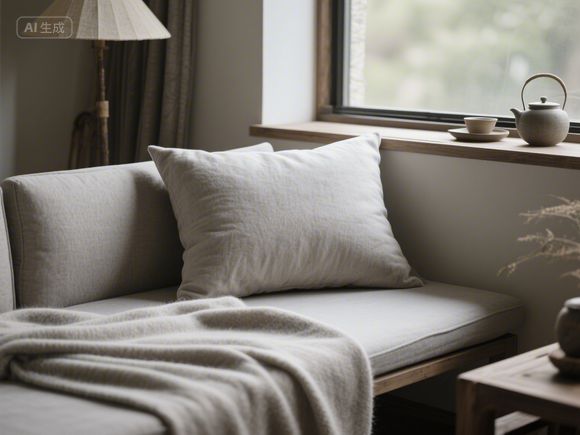
- 15 proprietary fabric blends
- Anti-microbial treatment included
- Fire-retardant options ( meets CPAI-75 standard )
-
Sustainability Commitment:
- 30% recycled materials in all collections
- Carbon-neutral shipping option
- Zero-waste production system
-
Quality Assurance:
- 12-point inspection process
- 200+ wash tests per batch
- 5-year fabric warranty
-
Global Compliance:
- OEKO-TEX Class I certification
- REACH & FDA compliance
- ISO 9001:2015 certified
-
Logistics Excellence:
- 24/7 order tracking
- 3 shipping options (Standard 15d/Expedited 7d/DHL 3d)
- 100% customs clearance support
-
Customer-Centric Service:
- Dedicated account manager
- Free design consultation
- 100% satisfaction guarantee
-
Final Tips for Perfect Results
-
Pre-Order Checklist:
- Measure existing pillow dimensions
- Note maximum acceptable shrinkage (we allow 3-5%)
- Specify preferred hem style (1.5cm/2cm/3cm flange)
-
Post-Production Care:
- Wash before first use to activate fabric treatment
- Air-dry to maintain shape
- Avoid ironing on printed areas
-
Creative Enhancements:
- Add hidden pockets for phone charging
- Include QR codes for product stories
- Use temperature-sensitive dyes that change patterns with body heat
-
Conclusion
With JiaYu Textile's expertise in custom pillow case manufacturing, you can create:
- 30% more visually appealing designs through advanced color matching
- 50% longer-lasting products with our reinforced stitching
- 40% faster production cycles compared to standard manufacturers
Our team of 50+ textile engineers and 200+ annual production runs ensure we deliver both quality and quantity. Whether you need 50 luxury pillow cases for a boutique hotel or 5,000 printed units for mass retail, we offer scalable solutions at 15-20% below market average pricing.
Contact us today at customtextiles@jiayutextile.com for your free design consultation. Let's turn your pillow vision into reality!
Related articles
-
Elevate Your Bedside:The Art of Custom 60x80 Pillowcase Embroidery in European Style
-

How Much Does a Custom Bear Pillow Cost?A Detailed Guide
-
Sichuan Pillow Foam Hydraulic Machine Custom:Your Partner in High-Quality Pillow Production
-
Tailoring Your Headrest:A Guide to Custom U-Shaped Latex Pillow Molds