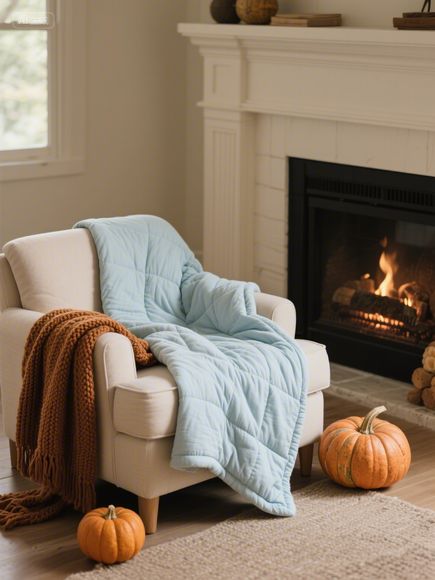
How to Choose:Down vs.Polyester Filling for Your Air Conditioner Blanket
Choosing between down and polyester filling for your AC blanket depends on your priorities. Down offers superior warmth-to-weight ratio and luxurious feel, making it ideal for very cold climates or those seeking maximum comfort. However, it is generally more expensive, loses insulating properties when wet, and may contain allergens. Polyester, on the other hand, provides excellent thermal insulation at a lower cost. It is durable, hypoallergenic, and maintains its insulating properties even if damp, making it a practical and budget-friendly choice for most users needing reliable warmth from their air conditioner blanket.
Okay, let's talk about something cozy, especially when the weather gets a bit chilly, even if it's just for sleeping! Many of us use air conditioner blankets, also known as body blankets or heated blankets, to feel warmer near the bed or during those cool evenings. A key part of these blankets is the filling inside – what stuff is actually making it fluffy and warm? The two main contenders in this soft battle are Down and Polyester Fiber. So, which one is better for your air conditioner blanket? It really depends on what you're looking for. Let's break it down.
Down Filling: The Natural Fluff
Down comes from birds, primarily ducks and geese. It's that soft, fluffy underlayer of their feathers, not the stiff outer feathers. Think of a high-quality comforter or a winter jacket – the warmth you feel is mostly down.
Pros of Down:
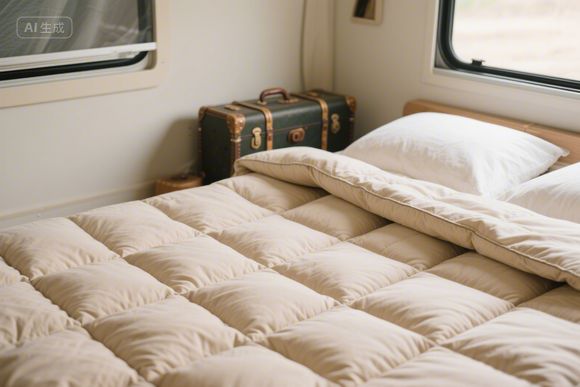
- Exceptional Warmth-to-Weight Ratio: Down is incredibly good at trapping air, which is how it provides warmth. For its weight, it offers a lot of warmth. This makes blankets feel light and cozy.
- Natural Responsiveness: Down clusters naturally and can "spring back" when compressed. This means it doesn't stay lumpy and tends to maintain its shape well over time (though it needs proper care).
- Breathability: Because down traps air, it also allows air to circulate to some extent, which can make it feel less stuffy for some people compared to synthetic fibers. It can wick moisture away from the body a bit.
Cons of Down:
- Care Requirements: Down needs special care. It shouldn't be washed in a regular washing machine or dryer, as this can damage the delicate feathers and lead to clumping. Dry cleaning is often recommended, or you need a special down washer. It also takes time to fluff back up after washing.
- Hypoallergenic Myth: Despite popular belief, down is not inherently hypoallergenic. It can trap dust mites and other allergens. However, high-quality down products often have treatments or shell fabrics that help reduce this.
- Ethical Concerns: For some, the source of the down (e.g., live-plucked feathers) raises ethical questions. Look for certifications like Responsible Down Standard (RDS) if this is a concern.
- Initial Cost: Generally, down products tend to be more expensive than their polyester counterparts.
Polyester Fiber Filling: The Synthetic Standby
Polyester fiber filling is man-made. It's typically made from petroleum-based plastics, spun into tiny fibers, often with a slight crimp or terry loop structure to help trap air.
Pros of Polyester Fiber:
- Affordability: Polyester is much cheaper to produce than down. This usually translates to a lower price tag for the finished blanket.
- Durability & Longevity: Polyester fibers are very resilient and resistant to compression set. They don't clump easily and tend to maintain their fluffiness for a very long time, even with frequent use and washing.
- Easy Care: Polyester is generally very easy to care for. It can usually be machine washed and dried on high heat without shrinking or losing its shape. It dries very quickly.
- Hypoallergenic Potential: Since it's synthetic, polyester doesn't trap dust mites or natural allergens like down can. Many manufacturers also market it as hypoallergenic.
- Consistency: The filling is uniform, meaning the blanket feels consistent throughout.
Cons of Polyester Fiber:
- Lower Warmth-to-Weight Ratio: While good at trapping air, polyester doesn't trap it as efficiently as down. You might need a thicker or heavier blanket to achieve the same level of warmth compared to a down blanket of similar size and fill power.
- Less "Natural" Feel: Some people find the feel of synthetic fibers less luxurious or "breathable" compared to the natural feel of down. It can sometimes feel a bit plastic or artificial.
- Static Electricity: Polyester is notorious for generating static electricity, especially in dry conditions. This can be annoying and potentially damage electronic devices nearby.
- Environmental Impact: Being petroleum-based, the production of polyester has a significant environmental footprint, including energy use and microplastic shedding during washing.
Let's Compare Side-by-Side:
| Feature | Down Filling | Polyester Fiber Filling |
|---|---|---|
| Source | Natural bird feathers | Synthetic petroleum-based fibers |
| Warmth | Excellent, high warmth-to-weight | Good, may need more volume |
| Weight | Lightweight | Can be heavier for equivalent warmth |
| Fluff Retention | Good, natural resilience | Excellent, resistant to clumping |
| Care Required | Special care (dry clean or specific washer) | Easy care (machine wash/dry) |
| Allergens | Can trap dust mites | Less likely to trap natural allergens |
| Cost | Generally higher | Generally lower |
| Durability | Good, with proper care | Very durable, long-lasting |
| Static | Less prone | Can generate static electricity |
| Breathability | Moderate | Moderate to low |
| Shell Compatibility | Works well with most shell fabrics | Works well with most shell fabrics |
Frequently Asked Questions (FAQ):
Q: Which one is warmer? A: Down generally provides more warmth per ounce than polyester. However, a polyester blanket might need to be thicker to match the warmth of a lighter down blanket. It depends heavily on the fill power (for down) and the density (for polyester).
Q: Which one lasts longer? A: Both can last a long time, but polyester fibers are often more durable and resistant to compression loss over many washes compared to down clusters, which can break down with improper care. High-quality down can last decades with care, while polyester might maintain its fluffiness for many years too.

Q: Is down better for sensitive skin? A: This is a common myth. Down itself isn't an allergen, but feathers can carry dust mites and other particles. Polyester is purely synthetic and generally considered hypoallergenic. If you have sensitive skin or allergies, you might prefer polyester.
Q: Can I use a down blanket in a bedroom with an air conditioner? A: Yes, definitely! Air conditioner blankets are designed to be used indoors, often layered over beds or used while sitting. Down and polyester blankets are both suitable for this purpose. The main consideration is the filling type based on your preferences for warmth, care, and feel.
Q: How do I know if a down blanket is ethically sourced? A: Look for certifications like the Responsible Down Standard (RDS) or other similar certifications on the product label. These certify that the down comes from ducks raised under certain welfare standards.
Putting It Into Practice: A Case Study
Imagine Sarah. She lives in a region with distinct seasons. In winter, she needs a very warm blanket for her bed. She loves the feeling of softness and lightness. She doesn't mind the care requirements but is concerned about dust mites. She decides on a high-quality down air conditioner blanket with a high fill power (like 700+). It's lightweight, provides excellent warmth, and she enjoys the luxurious feel. She makes sure to follow the care instructions carefully.
On the other hand, Mark lives in a humid climate. He has sensitive skin and suffers from dust allergies. He needs a blanket for his living room chair during cooler evenings. He chooses a thick, high-density polyester fiber blanket. It's machine washable, hypoallergenic, and provides good warmth without the potential allergen issues or ethical concerns he has with down. He appreciates its durability and ease of care.
Jia Yu Textile Factory: Your Partner in Quality Filling
At Jia Yu Textile Factory, we specialize in providing high-quality filling materials for a wide range of textile products, including air conditioner blankets. We understand the importance of choosing the right filling for comfort and performance.
Down Filling from Jia Yu: We source premium down (often certified under RDS) known for its excellent loft and warmth. Our down products are designed to deliver superior comfort and a luxurious feel. We focus on quality control to ensure minimal shedding and consistent performance. While we offer high-quality down, we also recognize the need for proper care and provide guidance on maintaining the integrity of the filling.
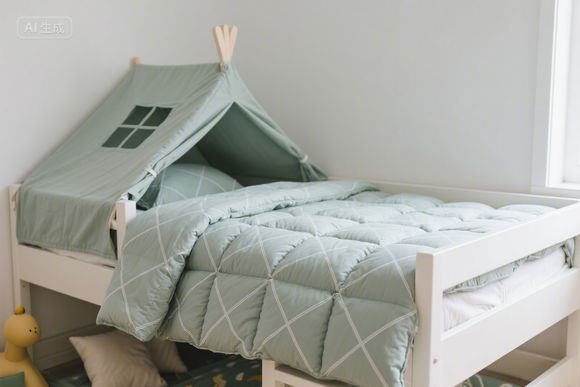
Polyester Fiber Filling from Jia Yu: Our synthetic polyester fibers are produced using advanced technology to ensure consistent quality, high resilience, and minimal static generation. We offer various densities and textures to meet different application needs. Our polyester fillings are durable, easy to maintain, and hypoallergenic, making them ideal for individuals with sensitivities or those seeking long-lasting performance without the high care demands of down.
Choosing the Right Filling:
Ultimately, the choice between down and polyester for your air conditioner blanket boils down to your priorities:
- Prioritize Luxury, Warmth, and Lightness: Choose Down. Ensure it's high quality and ethically sourced if that matters to you.
- Prioritize Affordability, Durability, Easy Care, and Hypoallergenic Properties: Choose Polyester Fiber.
Consider your climate, how often you plan to use the blanket, your budget, and any specific needs like allergies or care convenience. Both options have their merits, and advancements in both natural and synthetic technologies continue to improve the performance and comfort of air conditioner blankets.
Expanded Knowledge:
In the realm of home comfort, air conditioned blankets have become a staple in many households. But when it comes to choosing between cotton and polyester for the filling, the debate rages on. In this article, we'll delve into the merits of each material, provide practical insights, and even share a real-life example that might help you make an informed decision.
The Material Choices: Cotton vs. Polyester
Cotton: The Natural Option
Cotton is a natural fiber that has been cherished for its breathability and softness. It's known for its excellent moisture-wicking properties, which means it can draw moisture away from the skin, keeping you cool during hot weather. Cotton blankets are also breathable, allowing air circulation, which helps to regulate body temperature.
Pros of Cotton:
- Breathable: Allows air to circulate, keeping you cool.
- Soft and comfortable: A favorite for those who prefer a gentle touch.
- Eco-friendly: Cotton is a renewable resource and is biodegradable.
Cons of Cotton:

- Not as insulating as polyester, so it may not keep you warm in cold weather.
- Can absorb moisture, which might lead to a damp feeling.
Polyester: The Modern Solution
Polyester is a synthetic fiber known for its durability and resilience. It's designed to mimic the properties of natural fibers like cotton, but with added benefits. Polyester is highly insulating, making it a great choice for cold weather.
Pros of Polyester:
- Insulating: Keeps you warm in cold weather.
- Durable: Resistant to pilling and shrinking.
- Lightweight: Easy to wash and dry.
Cons of Polyester:
- Not breathable, which can make you feel hot and uncomfortable during hot weather.
- Can retain odors over time.
The Debate: Which is Better?
Now that we've looked at the pros and cons of each material, let's get to the heart of the debate. Should you choose a cotton or polyester air conditioned blanket?
Warm Weather Comfort
For those who prefer a cool feel during hot weather, a cotton blanket is likely the better choice. Its breathability ensures that air circulates, keeping you comfortable even on the warmest days.
Cold Weather Protection
On the other hand, if you live in a cold climate or spend a lot of time indoors during winter, a polyester blanket would be more suitable. Its insulating properties make it effective at keeping you warm without adding excess layers.
Practical Insights: Choosing the Right Blanket
So, how do you decide whether to go for cotton or polyester? Here are some practical tips to help you make the best choice:
- Consider the climate you'll be using the blanket in.
- Think about how often you'll be using it and how often it will need to be washed.
- Take into account your personal comfort preferences.
- If you're concerned about hygiene, polyester might be the safer option as it's less likely to harbor odors.
Real-Life Example: A Family's Choice
Let's take a look at a real-life example to see how different families have made their choices.
Family A: The Cotton Lovers

Family A consists of four members, including two children. They live in a tropical climate where the temperature rarely drops below 20°C (68°F). They prefer a cool feel and find that their cotton blankets provide the perfect balance between comfort and breathability. They also appreciate the eco-friendly aspect of cotton and only wash their blankets every few months.
Family B: The Polyester Preference
Family B, on the other hand, consists of three adults and a teenager. They live in a cold climate where temperatures can drop below 5°C (41°F) in winter. They found that their polyester blankets provide excellent insulation and keep them warm without feeling too cozy. Additionally, they find that polyester blankets are easier to clean and drier faster after washing.
Product Advantages: Cotton vs. Polyester in Air Conditioned Blankets
Both cotton and polyester have their unique advantages that make them suitable for different types of climates and preferences.
Cotton: Softness and Breathability
Cotton blankets offer a soft and comfortable feel that many people find irresistible. Their breathability ensures that air circulates, keeping you cool even on the warmest days. This makes them an excellent choice for hot climates or for individuals who prefer a cool feel.
Polyester: Insulation and Durability
Polyester blankets are highly insulating, making them an excellent choice for cold climates or for individuals who spend a lot of time indoors during winter. Their durability ensures that they can withstand frequent washing and wear without losing their insulating properties.
Conclusion: A Balanced Approach
In conclusion, the choice between cotton and polyester for air conditioned blankets ultimately depends on your personal preferences, climate, and lifestyle. Cotton offers comfort and breathability, making it a great choice for hot climates or for individuals who prefer a cool feel. Polyester, on the other hand, provides insulation and durability, making it an excellent choice for cold climates or for individuals who spend a lot of time indoors during winter.
By considering the specific needs of your household and the climate you'll be using the blankets in, you can make an informed decision that balances comfort, hygiene, and cost-effectiveness. Whether you choose cotton or polyester, you're sure to find an air conditioned blanket that provides the comfort and warmth you need.