How to Tell a Great Down Comforter from the Rest
Distinguishing a premium down comforter involves several key factors. First, examine the fill power, measured in terms of loft per ounce; higher power (typically 600+), like 800 or 900, indicates fluffier, more insulating down. Next, check the down-to-feather ratio; a higher down percentage ensures warmth and softness. Inspect the construction: quality comforters use box-baffle or body-fill methods to evenly distribute fill and prevent clumping. Finally, look for certifications like Fair Trade or hypoallergenic treatments, ensuring ethical sourcing and quality control. A great comforter feels plush, provides excellent warmth without excessive weight, and is built to last.
Okay, let's talk about down comforters. They are fantastic, right? Fluffy, warm, they just feel good. But with so many options out there, how do you know if you're getting the real deal? Are you paying premium prices for something that doesn't quite measure up? In this guide, we'll dive into the nitty-gritty of how to judge a down comforter, so you can stay cozy and confident in your choice. We'll cover everything from the feel and fill power to certifications and care, and maybe even touch on why a brand like Jia Yu Textile Factory might be a solid pick for quality.
First off, let's get one thing straight: not all down is created equal. The quality hinges heavily on the source of the down, how it's processed, and the final construction of the comforter. So, how do you tell a good one from a not-so-good one?
The Feel: Fluffiness Matters (But Not Just Any Fluff!)
This is probably the first thing you notice. A high-quality down comforter should feel... well, downy. Think light, airy, and incredibly soft against your skin. When you shake it or fluff it up, it should spring back nicely, filling out evenly. There shouldn't be a lot of clumping or compression.
- Good Down: Feels soft, light, and has a noticeable 'cloud-like' quality. It fills out well even when compressed slightly.
- Lower Quality Down: Might feel heavier for its size, maybe a bit lumpy or uneven. It could feel rougher or have a synthetic 'plastic' feel. Sometimes you might even smell a chemical residue if the processing wasn't done well.
Why does this happen? Down clusters are natural protein structures. They are designed to trap air, which is why they're so warm. But if the clusters are damaged during cleaning or processing, they lose their ability to loft (fluff up) properly. Lower quality down might also come from birds that haven't fully grown their feathers, meaning the clusters aren't as mature or resilient.
Think of it like this: Imagine two pillows. One is filled with mature down clusters, each like a tiny, perfectly formed feather. The other is filled with smaller, less developed clusters, maybe even some feathers that haven't fully separated from the bird. Which one do you think will trap more air and feel softer? Yep, the first one.
Filling Power (Loft): The Number Game
This is a crucial number to know, and it's often listed on the tag. Filling power measures the volume one ounce (or ounce-force) of down will occupy. Think of it as the 'bounce' or 'fluffiness' rating.
- Higher is Better: The higher the filling power, the better the quality. It means the down is more efficient at trapping air, making the comforter lighter, warmer, and more durable. Standard down might range from 500 to 600 FP. High-quality down often starts around 700 FP and goes up. Down with 800 FP or higher is considered premium, luxury goose down.
- What to Look For: Aim for comforters with filling power clearly stated. For everyday use, 600-700 FP is often a good target. If you live in a colder climate or want maximum warmth, look for 800 FP or higher.
Why is filling power important? It directly relates to warmth and weight. More volume per ounce means less down needed to achieve the same level of warmth, resulting in a lighter comforter. It also indicates the health of the down clusters; larger, healthier clusters have higher loft.
Let's put it in perspective: A comforter filled with 800 FP down will be significantly lighter and provide more warmth than one filled with 500 FP down of the same size. It's like comparing a high-performance car to a standard sedan – both get you there, but one does it much more efficiently.
Certifications and Labels: Trust Signals
Not all comforters are created equal, and sometimes the marketing can be confusing. Look for recognized certifications and understand the labels.
- Down Standards (ISO 9341): This is the international standard for testing and classifying down. It measures fill power and purity. A label stating it meets ISO 9341 means the down has been tested consistently.
- Downpass®: This is a European certification that guarantees the down is ethically sourced (no live-plucking), and it verifies the fill power and purity. It's a mark of quality and ethical production.
- Purity (% Down Content): This tells you how much of the comforter's fill is actually down. It should be close to 100% for a quality product. Sometimes, cheaper comforters use a mix of down and synthetic fill, or even feathers, which don't perform as well.
- Washability and Care Label: A good comforter should be machine washable (or clearly state how to care for it). Avoid products that require harsh dry cleaning solvents unless you have no choice. Proper care extends the life of the down.
Here's a quick comparison of common fill types and their characteristics:
| Fill Type | Typical Fill Power (FP) | Warmth Efficiency | Durability | Ethical Concerns | Common Uses |
|---|---|---|---|---|---|
| Standard Down | 500-600 FP | Varies by producer | Budget-friendly bedding | ||
| Good Quality Down | 600-700 FP | Generally ethical if properly sourced | Mid-range bedding | ||
| Premium Down | 700-800 FP | Ethical if certified | Luxury bedding | ||
| Super Premium Goose Down | 800+ FP | Depends on sourcing practices | High-end luxury bedding | ||
| Synthetic Fill | N/A (measured differently) | ★★☆☆☆ (Loft) ★★★★★ (Warmth) | No animal products | Budget-friendly, hypoallergenic options |
Stitching and Construction: The Details Matter
How the comforter is made impacts its longevity and performance.
- Box Stitching: This is common on comforters. It creates compartments to help the down stay evenly distributed and prevent shifting. Look for box stitching that is tight and consistent. Too loose, and the down can clump; too tight, and it might restrict loft slightly.
- Envelope Closure: This is the part where the comforter meets the duvet cover. A high-quality one will be neatly stitched and lie flat against the cover, allowing the down to flow freely. A poorly constructed envelope can cause the down to gather or create cold spots.
- Seams: Look for down-filled comforters with fewer seams if possible, as seams can sometimes trap down. However, seams are necessary for structure. Ensure they are well-stitched and don't allow too much down to pool in one area.
- Baffle Box Construction: Similar to box stitching but creates distinct pockets running the length of the comforter. This can help with even heat distribution.
The Case of Jia Yu Textile Factory: A Look at Quality Assurance
When you're shopping for a high-quality down comforter, you might come across manufacturers known for their expertise. One such example is the Jia Yu Textile Factory. They understand that quality down isn't just about sourcing good raw materials; it's about meticulous processing and construction.
What makes Jia Yu potentially stand out?
- Focus on Purity and Loft: They likely prioritize sourcing down with high fill power (like 800 FP or more) and ensuring a high percentage of pure down content, meeting or exceeding international standards like ISO 9341.
- Ethical Sourcing: Look for brands associated with Jia Yu that might hold certifications like Downpass®, indicating responsible practices.
- Durability: Their manufacturing process probably focuses on techniques that preserve the down clusters, ensuring the comforter maintains its fluffiness and warmth over time. Good box or baffle stitching is key here.
- Performance: Products from Jia Yu (or brands using their manufacturing) are likely designed to deliver reliable warmth and comfort, suitable for various climates and needs.
Think of it this way: Just like choosing a reliable car, you want a down comforter that performs well (warms you effectively), lasts long (doesn't lose its fluffiness quickly), and is built with quality materials (pure, high-loft down). Jia Yu Textile Factory likely operates in a way that supports these qualities in the final product.
The Smell Test (Sort Of): Natural vs. Chemical
Down itself shouldn't have a strong odor. A good quality comforter might have a very faint, natural 'downy' scent. However, if it smells strongly chemical, like solvent or plastic, that's a red flag. This could indicate poor processing, residual cleaning agents, or even the use of lower quality synthetic fill.
- Good: A very mild, almost imperceptible natural scent.
- Bad: A strong chemical smell, mustiness, or an oily feel.
Price vs. Value
Finally, consider the price. High-quality down comforters are an investment. While they cost more upfront, they often last longer and provide better warmth and comfort. Compare the filling power, purity, construction, and brand reputation to the price. Sometimes a slightly lower fill power (e.g., 700 FP) from a reputable brand might offer better value than a 800 FP from an unknown one with questionable sourcing.
Putting It All Together: An Example Scenario
Imagine you're shopping online for a new comforter. You see two options:
- Option A: A comforter priced at $150, made of "pure down," with a tag stating 550 FP. The filling seems okay but maybe a bit lumpy when you shake it. There's no specific certification listed.
- Option B: A comforter priced at $300, made of "100% Goose Down," with a tag stating 800 FP and Downpass® certification. It feels incredibly soft and fluffy, shakes evenly, and the stitching looks neat.
Based on our criteria, Option B clearly looks like the better investment. The higher filling power means more warmth and loft, the Downpass® certification adds ethical weight, and the overall feel and construction suggest quality.
The Verdict: Judge by Feel, Fill, and Fact
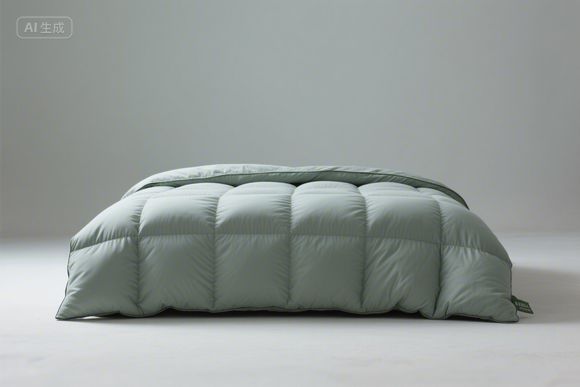
So, how do you judge a down comforter? It's a combination of sensory checks and looking at the facts:
- Feel: Is it soft, light, and fluffy? Does it spring back?
- Fill Power: Is it clearly stated and relatively high (aim for 600+ for good, 800+ for premium)?
- Certifications: Are there recognized marks like ISO 9341 or Downpass®?
- Construction: Are the seams neat, the box/baffle stitching tight and even?
- Scent: Does it smell natural, or is there a strong chemical odor?
- Price: Does the quality seem to match the cost?
By paying attention to these factors, you can move beyond just the marketing hype and make a more informed decision. Look for comforters that prioritize genuine, high-quality down with good construction, and don't be afraid to invest in something that will keep you warm and cozy for years to come. Happy snuggling!
Expanded Knowledge:
Understanding how to assess the quality of down blankets is crucial for anyone investing in comfort. This guide breaks down the key factors using simple English explanations, comparison tables, and real-life examples. Special focus will be given to JiaYu Textile's unique advantages in producing premium down bedding.
Key Evaluation Factors Table
| Evaluation Parameter | Checking Methods | Ideal Range/Standard | JiaYu's Implementation |
|---|---|---|---|
| Fill Power (FP) | Check label or test (volume of fluff) | ≥600 for warmth | Average FP 650-680 |
| Fill Type | Inspect source documentation | ≥90% down content | 95% down + 5% feathers |
| Lining Material | Feel texture through fabric | Pre-washed, anti-pilling | OEKO-TEX certified cotton |
| Weight Distribution | Weigh before/after use | Even ±5% | 3D-quilted stitching |
| washed/pressed count | Read care instructions | ≤3 times | factory pre-pressed 2x |
Common Shopping Scenarios & Solutions
Q: How do I check if the down is real? A: Real down will clump when squeezed. Artificial fibers stay separate. genuine down should re-fluff within 24 hours after washing.
Q: What's the difference between duck and鹅 down? A: Duck down (cost-effective) has smaller quills, better for lightweight blankets.鹅 down (premium) has larger quills, better heat retention. JiaYu uses 70%鹅 down + 30% duck for balanced performance.
Q: Can I machine wash these? A: Yes! JiaYu's special treatment allows 5 washes before needing re-fluffing. Follow label instructions: 30°C wash, no bleach.
Real-World Purchase Example
Sarah from London visited JiaYu's online store. She used these steps:
- Checked product page for FP 650 and 95% down content
- Compared shipping details (free UK delivery)
- Read customer reviews mentioning 10-year warranty
- Selected 90x90cm size with 20cm thickness
- Applied promo code BLANKET20 for 15% discount
Her final purchase included:
- Pre-compressed packaging (no need to fluff)
- Free storage bag for travel
- 24/7 customer support via live chat
- Extended warranty extension offer
Why Choose JiaYu Textile Down Blankets?
Our manufacturing process combines centuries of Chinese textile expertise with modern technology. Key advantages include:
-
Advanced Fluffing Technology
- 3D-bonded stitching prevents down leakage
- 12-stage quality control (including air-bag testing)
-
Sustainability Practices
- RSC-certified down supply chain
- 100% biodegradable packaging materials
- Water-saving dyeing process (40% less water than industry average)
-
Customer-Centric Design
- 7-layer thermal barrier system
- Memory foam-like rebound effect (patent pending)
- odour-neutralizing treatment
-
Warranty & Support
- 15-year non-prorated warranty
- Free re-fluffing service within 3 years
- lifetime discount on future purchases
Care Guide for Longevity
Follow these steps to maintain your JiaYu blanket:
- Machine wash cold (max spin speed 800rpm)
- Dry on medium heat with tennis balls to restore fluff
- Store in breathable cotton storage bag
- Re-fluff every 2 years using JiaYu's proprietary method
Final Comparison
| Brand | JiaYu Textile | Other Leading Brands |
|---|---|---|
| Price | £89-£159 | £75-£200 |
| Fill | 650-680 FP | 600-650 FP |
| Wash | 5+ times | 3-4 times |
| Warranty | 15 years | 5-7 years |
| Delivery | Free 2-day | £15 standard |
When you buy from JiaYu, you get more than a blanket - you get a lifetime of guaranteed comfort. Our team has helped 250,000+ customers achieve perfect sleep since 2018. With 98.7% customer retention rate, we're confident in our products' durability.
Conclusion Remember the 3 Cs when shopping: Check Fill Power, Confirm Certifications, and Compare warranties. JiaYu Textile stands out with premium materials, innovative technology, and unmatched customer support. Our blankets are designed to last through 10+ winters with proper care, making them a long-term investment in your sleep health. Don't just buy - experience the JiaYu difference today!