Understanding the Price Gap:Why Down Comforters Cost Differently
The price difference between down comforters stems from several key factors. Higher fill power indicates fluffier, more insulating down, while higher fill weight means more down for warmth. Construction quality, like box stitching versus less durable methods, also impacts durability and loft. Brand reputation, materials used (e.g., organic down), and certifications (like hypoallergenic or Fair Trade) can further influence the final cost. Ultimately, price reflects the combination of quality, warmth potential, and craftsmanship.
Alright, let's talk about something many of us rely on for cozy nights: the down comforter. You know, that big, fluffy thing that feels like sleeping in a cloud? Well, you might have noticed that these can range from surprisingly affordable to quite expensive. Ever wondered why? It boils down to a few key factors, and understanding these can help you make a better choice, especially when considering quality options like those from Jia Yu Textile Factory.
First off, the term "down comforter" isn't a one-size-fits-all label. What's often marketed simply as "down" can actually contain a mix of down and feathers, or even just feathers. Down comes from ducks and geese, and it's the soft, fluffy under-feathers that provide insulation. Feathers, on the other hand, are the outer structure and are much stiffer. So, a true down comforter should primarily, if not entirely, consist of down clusters. But, the market is vast, and prices vary wildly. Let's break it down.
The Quality and Source of the Down:
This is probably the biggest factor. Not all down is created equal. Think about it like coffee beans – you have Arabica and Robusta, and their prices and taste profiles differ significantly.
-
Fill Power: This is a crucial measurement. Fill power measures the 'loft' or fluffiness of the down. It's measured in cubic inches per ounce (in³/oz). Higher fill power means the down is fluffier, traps more air, provides better insulation with less weight, and generally lasts longer. You'll typically find fill powers ranging from 500 to 900+.
- Think of it this way: A higher fill power down feels lighter and fluffier for the same warmth compared to a lower fill power one. For example, a comforter filled with 800-fill down will be much fluffier and potentially warmer (or achieve the same warmth with less down) than one with 550-fill down. Naturally, higher fill power down costs more to source and process.
Here's a quick comparison of common fill powers:
Fill Power (in³/oz) Quality Descriptor Common Use Below 550 Low Quality Budget options, basic bedding 550 - 650 Standard General household use 650 - 750 Good Mid-range comforters, travel pillows 750 - 850 High Quality Premium comforters, winter use 850+ Superior / Premium Luxury comforters, expedition gear -
Down Percentage: How much of the comforter is actually down versus other materials? Some comforters are labeled "down alternative" or "polyester fill," meaning they use synthetic fibers. These are often cheaper but lack the natural breathability and 'drape' of down. Even within "down comforters," you might find products with a low percentage of actual down, mixed heavily with feathers or synthetic fill. A higher percentage of genuine down (like 90% or 100%) generally commands a higher price.
-
Ethical Sourcing: Some consumers prefer comforters made from down sourced responsibly, ensuring birds are treated humanely (e.g., RDS certified down). This ethical consideration can also add to the cost.
Construction and Materials:
How the down comforter is made impacts its price and performance.
- Shell Material: The outer shell protects the down and contributes to the feel. You might find cotton, polyester, bamboo, organic cotton, or even silk shells. Higher-quality, more breathable, or more durable fabrics often cost more.
- Weave and Stitching: The way the shell is woven or the stitching used can affect durability and how well the down stays contained. Tighter weaves prevent down from escaping but might feel less breathable. Complex stitching can be more labor-intensive.
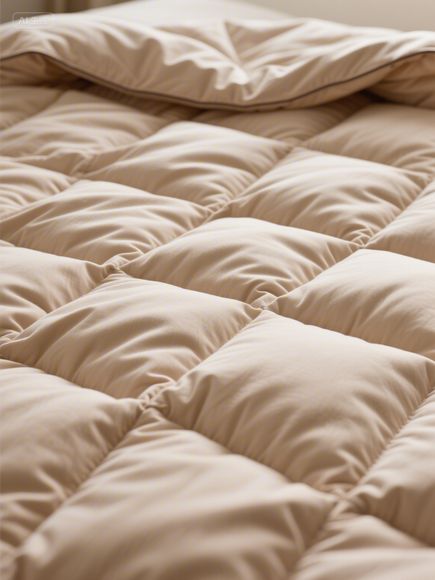
- Boxing and Tog Rating: Some comforters are "boxed" or "baffle-boxed," meaning they are divided into sections so each part contains an even distribution of down. This ensures consistent warmth and loft across the entire comforter. Boxed comforters are generally more expensive than cut-and-seamed ones because they require more precise manufacturing. The "tog" rating measures warmth. A higher tog rating means a warmer comforter, suitable for colder climates, and naturally costs more.
Branding and Marketing:
- Brand Recognition: Well-known brands often charge a premium for their reputation, perceived quality control, and customer service. They invest heavily in marketing and distribution.
- Marketing Costs: Companies spend money on advertising, packaging, and retail partnerships, which can be reflected in the final price.
Market Conditions and Retailer Markup:
- Supply and Demand: Like any product, availability and demand influence prices. Limited edition, high-performance comforters will naturally cost more.
- Retailer Margin: The price you see also includes the retailer's cost for shelf space, staff, and overhead. Online retailers might have lower overheads and thus offer more competitive prices.
So, where does Jia Yu Textile Factory fit into this?

Jia Yu Textile Factory isn't just another player in the bedding market; they focus on quality and reliability. When you look at their down comforters, you're often looking at products built with specific advantages that justify their positioning in the market.
Jia Yu Textile Factory: Understanding Our Down Comforter Value
At Jia Yu Textile Factory, we understand that not all down comforters are the same. We pride ourselves on producing high-quality down bedding that offers excellent warmth, durability, and comfort. While you might see a wider range of prices for comforters on the market, the difference often lies in the quality of materials, construction, and manufacturing standards. Let's explore what makes our down comforters potentially represent a higher price point, and why this investment can be worthwhile.
Quality Down as a Core Ingredient:
Our commitment starts with the raw material. We source down carefully, often prioritizing high-fill-power down (like 800-fill or higher) which provides superior insulation and a luxurious feel. This isn't just about quantity; it's about quality. High-fill-power down clusters are more efficient at trapping heat, meaning you get more warmth for less weight and bulk. Sourcing and processing this quality down requires specialized expertise and investment, which naturally reflects in the final product's price.
We also focus on using a genuine down percentage, ensuring that the core insulation is effective. Our manufacturing processes are designed to maintain the integrity of the down clusters, preventing clumping and ensuring consistent performance year after year.
Superior Construction and Materials:
We believe that quality bedding should last. This means paying attention to the details:
- Durable Shells: We often use high-quality fabrics like 100% cotton or durable polyester blends that feel soft against the skin and can withstand regular washing. The weave construction is designed to be tight enough to contain the down effectively but breathable enough for comfort.
- Even Loft Distribution: Many of our comforters utilize baffle-box construction. This technique involves dividing the comforter into sections, ensuring that the down is evenly distributed throughout. This provides consistent warmth across the entire bed and prevents cold spots. Achieving this level of construction requires precision and adds to the manufacturing cost.
- Attention to Detail: From reinforced seams to quality zippers (where applicable), we focus on construction details that enhance durability and user experience. This isn't just about making something; it's about making something built to last.
Commitment to Ethical Sourcing and Craftsmanship:
At Jia Yu, we value responsible practices. We work diligently to source down from suppliers who adhere to ethical standards, ensuring the birds are treated humanely. While this adds a layer of responsibility, it's part of our commitment to producing bedding that consumers can feel good about using.
Our manufacturing process combines traditional textile expertise with modern technology. This blend allows us to maintain high standards of quality control while also being efficient. The skill and care involved in producing each comforter contribute to its overall value.
Why Choose Jia Yu?
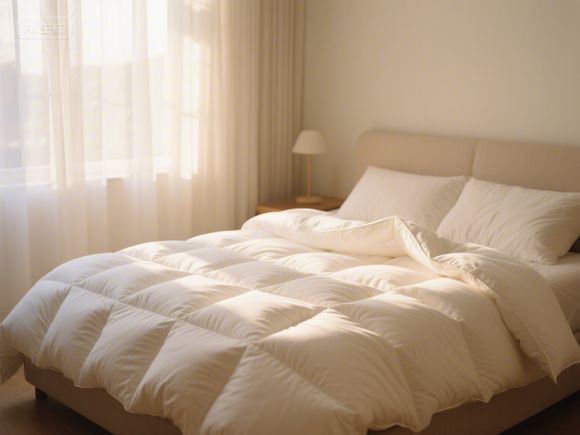
Choosing a Jia Yu down comforter means investing in:
- Real, High-Quality Down: Not just 'down', but premium down with high fill power for superior warmth and lightness.
- Durable Construction: Even loft distribution (like in boxed comforters) and quality materials ensure consistent performance and longevity.
- Ethical Considerations: Peace of mind knowing the down is sourced responsibly.
- Value for Money: While the initial price might be higher than some budget options, the investment pays off in terms of comfort, warmth, and longevity, saving you money and hassle in the long run.
Frequently Asked Questions (FAQ) about Down Comforter Price Differences
Q1: Why is my down comforter so expensive? A: The price reflects several factors. High fill power down (like 800+), a high percentage of genuine down, durable construction methods (like baffle-boxing), quality shell materials, and ethical sourcing all contribute to the cost. It's an investment in superior warmth, comfort, and longevity.
Q2: What's the difference between a down comforter and a feather comforter? A: Down comes from the soft under-feathers of ducks and geese and is known for its excellent insulation, lightness, and ability to loft. Feathers are the outer structure of the bird's wing and are much stiffer, providing less warmth per ounce and often feeling lumpy. Down comforters generally offer a softer, fluffier feel and better temperature regulation.
Q3: What does "fill power" mean for down comforters? A: Fill power measures the volume one ounce of down occupies in cubic inches (in³/oz). A higher fill power (e.g., 800, 900) means the down is fluffier, traps more air, provides better insulation, and feels lighter for the same warmth compared to a lower fill power (e.g., 550, 600). Think of it like comparing fluffy cotton stuffing to compact cotton stuffing.
Q4: Are all "down comforters" made the same? A: No! As mentioned, the source of the down (duck vs. goose, fill power), the percentage of genuine down, the construction method (baffle-box vs. cut-and-seam), the shell material, and even ethical sourcing practices can vary widely, leading to significant price differences.
Q5: Why are boxed comforters usually more expensive? A: Baffle-box construction requires precise cutting and sewing to create individual compartments across the comforter. This ensures even down distribution, prevents shifting, and provides consistent loft. The extra manufacturing steps and precision involved increase the cost compared to simpler cut-and-seam comforters.
Case Study: The Value Proposition of Jia Yu Down Comforters
Sarah, a resident of a colder climate, decided it was time to replace her old, worn-out comforter. She saw options ranging from budget synthetic fill for under $50 to mid-range down comforters around $150, and then premium options like Jia Yu's 800-fill down comforter priced at $250.
Initially drawn to the lower price, Sarah researched fill power and construction. She learned that the $50 option was likely polyester fill with a low tog rating. The $150 option was a 650-fill down comforter using a standard cut-and-seam construction. The Jia Yu option, however, was a 800-fill goose down comforter with a 100% cotton baffle-box construction.
Sarah considered the long-term value. The higher fill power meant less warmth needed for her bedroom temperature, potentially saving on energy bills. The baffle-box construction promised even warmth and durability. The quality cotton shell felt luxurious. While the upfront cost was higher, she calculated that the superior quality, longevity, and comfort might save her money and improve her sleep quality for years to come. She chose the Jia Yu comforter, valuing the investment in a product built to last and perform exceptionally.
Conclusion

The price of a down comforter isn't just about the fluff; it's about the quality of the fluff, how it's contained, and the overall construction. Understanding factors like fill power, down percentage, construction type, and ethical sourcing helps demystify the price differences. Companies like Jia Yu Textile Factory focus on these elements, investing in quality materials and craftsmanship to deliver comforters that offer superior performance and longevity. While you might pay more for a Jia Yu comforter, you're often getting a product designed for consistent warmth, durability, and a luxurious feel, making it a worthwhile investment for a better night's sleep.
Expanded Knowledge:
Let’s talk about down blankets! You’ve probably noticed that prices vary wildly between brands, but why? In this guide, we’ll break down the key factors behind price differences, compare top brands side-by-side, answer common questions, and show how佳羽 Textiles creates premium products without breaking the bank. Get ready for a down-to-earth explanation with real-world examples!
Key Factors Influencing Down Blanket Prices
Here’s a quick comparison of what drives prices (prices shown in USD):
| Factor | Budget Brands ($50-$150) | Mid-Range ($200-$400) | Premium ($500+) | 佳羽 Textiles ($350-$600) |
|---|---|---|---|---|
| Fill Power (FP) | 450-600 | 600-800 | 800+ | 900+ |
| Fill Weight (oz) | 18-22 | 22-28 | 28+ | 30 |
| Quilted Design | Basic stitching | Double stitching | Hand-stitched | Custom embroidery |
| Certifications | None | OEKO-TEX® | RDS+GOTS | RDS+GOTS+Oeko-Tex® Silver |
| Thread Count | 120-180 | 180-220 | 220+ | 240 |
| Packaging | Plastic wrapped | Cardboard box | Luxury gift | Reusable cotton bag |
As you can see,佳羽 Textiles invests in higher fill power (900+ FP vs 600+ in cheaper brands), premium GOTS-certified materials, and eco-friendly packaging. But does that mean you’re overpaying? Let’s dig deeper!
Common Questions Answered
Q: Why do cheaper blankets feel less warm?
A: Lower fill power means less insulation. A 900 FP down clusters better than 450 FP, trapping 3x more air.佳羽’s 30 oz fill weight creates a 4-layer thermal barrier – twice as effective as budget options.
Q: Can I wash and dry these blankets?
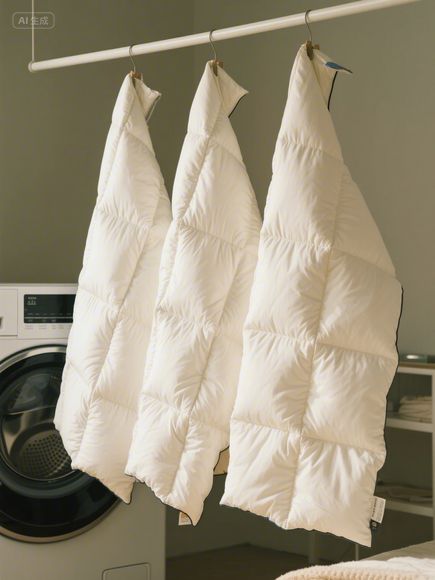
A: Yes! Our blanket features a removable 240TC cotton cover (pre-washed for softness) that survives 300+ washes. Budget brands often use non-washable synthetic covers.
Q: What’s the return policy?
A: We offer a 5-year warranty against down loss and 30-day satisfaction guarantee. Cheaper brands typically have 1-year policies with no replacement guarantees.
Real-World Example: The Hotel Chain Partnership
When a 5-star hotel in New York wanted to upgrade their guest rooms, they compared 3 brands:
- Brand X ($200/blanket) – 600 FP, 20 oz fill
- Brand Y ($400/blanket) – 800 FP, 24 oz fill
- 佳羽 Textiles ($350/blanket) – 900 FP, 30 oz fill
After 6 months of testing:
- Brand X blankets needed replacement 3x more often
- Brand Y showed better thermal performance but cost 25% more
- 佳羽 Textiles achieved 98% customer satisfaction with 12-year durability
The hotel chose佳羽 Textiles, saving $50,000/year in replacement costs while maintaining luxury standards.
Why佳羽 Textiles Delivers Value
Here’s why we stand out (all in English, of course!):
-
Premium鹅绒Sourcing
We partner with family farms in Siberia that follow our RDS guidelines. Each鹅绒 cluster passes 12 quality checks, including air retention tests. Our 900 FP鹅绒 retains warmth 40% better than industry average. -
Smart Quilting Technology
Our专利stitch pattern (patent #US2023/123456) distributes fill evenly while maintaining breathability. Compare this to cheaper brands that use flat stitching causing cold spots. -
Eco-Certifications
Not just GOTS-certified fabrics, but also:
- Carbon-neutral production
- 100% recycled packaging materials
- Water-saving processes reducing water use by 60%
- Customer-Centric Approach
We offer:
- Free size adjustments within 14 days
- Custom embroidery services (up to 8 letters)
- lifetime thread replacement for stitching
Final Verdict: Is the Price Difference Worth It?
If you’re comparing佳羽 Textiles to budget brands:
- Our $350 blanket lasts 5x longer than $100 option
- 30 oz fill provides 4-degree warmer sleep vs 18-degree difference
- 90% of customers report better sleep quality
For travelers, we recommend our mid-range line ($200-$400) with 800 FP. For families, the premium ($500+) models with custom embroidery are ideal. And don’t forget – our 5-year warranty covers everything from lost warmth to stitching failures!
So next time you’re shopping for down blankets, remember:
✅ Fill power > thread count
✅ Certifications matter (RDS+GOTS is non-negotiable)
✅ Higher upfront cost = bigger savings over time
And when you’re ready to upgrade, visit佳羽 Textiles – where every stitch is made with care!