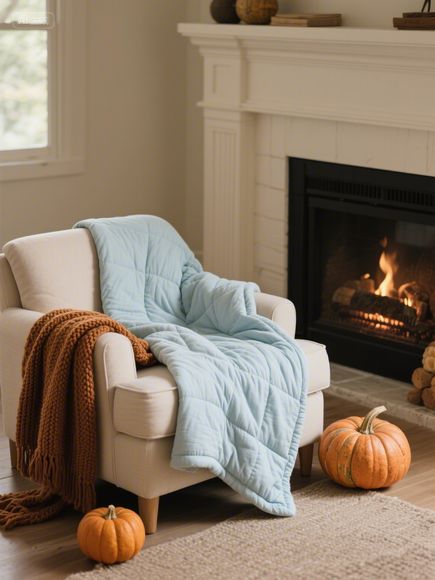
How to Craft the Perfect Down Comforter Shell:A Comprehensive Guide
This comprehensive guide details how to create a high-quality down comforter cover. It covers essential steps like selecting appropriate fabrics, accurately measuring and cutting patterns, precise sewing techniques for durability, methods for filling the shell correctly, and tips for achieving a professional finish. The guide aims to help crafters build a perfectly fitting, comfortable, and well-made down comforter cover from start to finish.
Okay, let's dive into the world of down comforter shells! If you're thinking about creating those cozy, luxurious-feeling bed covers, or even if you're just curious about the process, this guide is for you. We'll walk through everything from the initial design phase to the final quality checks, maybe even touch on a leading manufacturer like Jia Yu Textile Factory.

Why Down Comforters Rule (and Their Shells Matter)
First off, let's talk about the appeal. Down comforters are renowned for their incredible warmth, breathability, and that soft, plush feel. But, the magic isn't just in the filling; the shell (the outer cover) is absolutely crucial. A high-quality shell protects the down, maintains its loft, and significantly impacts the overall comfort and longevity of your comforter. Think of the shell as the protective, breathable suit for the down filling.
The Design & Planning Phase: Laying the Foundation
Before a single stitch is sewn, you need a plan. This is where the design and planning phase kicks in.
- Conceptualizing the Shell: What style? Classic? Modern? With a specific pattern or graphic? What about the size? Queen, King, California King? The design dictates the construction method. For example, a simple envelope-style closure might be different from a more complex button-down or hidden zipper design.
- Defining Technical Specifications: This is where things get detailed. We need to define:
- Size: Exact dimensions (length, width, depth).
- Yarn Count & Type: What kind of fabric will we use? High-quality cotton sateen is popular for its softness and drape. Microfiber can be more budget-friendly but might not offer the same luxury feel. Bamboo or linen blends are also trending.
- Weight (Grammage): How thick should the shell be? This affects the drape, warmth (indirectly, as it holds the down), and the overall feel. Heavier shells are generally more durable and provide a more structured look.
- Color & Dyeing: Solid color? Subtle heather? Specific dye lot? Color consistency is key, especially for matching sets.
- Closure Type: Zipper (front or side seam hidden), buttons, hook-and-eye, or a continuous cord (like a chenille piping trim).
- Trim Details: Piping, lace, decorative buttons, contrast fabric panels? These add aesthetic value and can serve functional purposes too.
Let's look at some common shell specifications:
| Feature | Standard Single Envelope Closure | Double Stitched Edges | Weight (g/m²) |
|---|---|---|---|
| Shell Function | Covers top and sides, bottom folds under | Creates a smoother surface, prevents pilling | 180 - 300 |
| Construction | Top piece larger than bottom piece, bottom piece has opening | Double stitching along seams adds strength | Heavier weight |
| Appearance | Simpler look, often used for standard comforters | More durable, less likely to fray | Warmer feel |
| Common Use | Most basic comforter style | High-end, luxury comforters | Varies by fabric |
Selecting the Right Materials: The Fabric Matters
The fabric choice is paramount. It needs to be durable enough to withstand washing and wearing, soft enough for direct skin contact, and breathable to allow the down to loft freely.
- Cotton Sateen: A favorite for comforter shells. It's soft, breathable, durable, and has a beautiful, smooth drape. The sateen finish comes from a specific weave that creates a slight sheen.
- Cotton Percale: Offers a crisp, cool feel, great for warmer sleepers. It's breathable but might not have the same luxurious drape as sateen.
- Microfiber: Often used for budget-friendly options. It's soft and wrinkle-resistant but can sometimes trap heat and isn't as breathable as natural fibers. It might also pill more easily over time.
- Bamboo Fiber: Gaining popularity. It's incredibly soft, breathable, and often more moisture-wicking than cotton. It's an eco-friendly alternative.
- Linen: Known for its strength and breathability. It has a unique, slightly textured look and feel. It's durable but can wrinkle easily.
- Blend Fabrics: Often used to combine the benefits of different fibers. For example, a cotton-polyester blend might offer extra durability and wrinkle resistance while maintaining softness.
Frequently Asked Questions (FAQ) about Comforter Shell Fabrics:
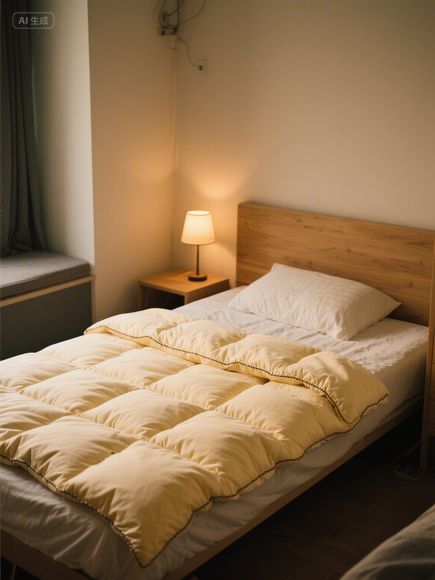
Q1: What's the difference between sateen and percale? A: Sateen has a smoother, shinier finish and feels softer against the skin due to its weave. Percale has a crisper, more matte finish and is generally more breathable but can feel slightly less luxurious.
Q2: Is a higher thread count always better for comforter shells? A: Not necessarily. While a higher thread count can indicate a softer, smoother fabric, it doesn't always equate to better quality or durability. The type of fiber and the weave (sateen, percale, etc.) are just as important. Sometimes a medium thread count with high-quality cotton or a blend offers the best balance.
Q3: How does the weight (grammage) of the shell fabric affect the comforter? A: A heavier shell (higher grammage) will be more durable and provide a more structured, contained feel for the down filling. A lighter shell allows the down to flow more freely, creating a softer, more enveloping feel but potentially less structure. The ideal weight depends on the desired look and feel of the comforter.
The Manufacturing Process: From Fabric to Finished Shell
Okay, let's get hands-on (or rather, machine-focused)!
- Cutting the Fabric: Once the fabric is selected and basted (temporarily held in place), it's cut into the required pieces. This includes the main body pieces, the top and bottom layers, and the side panels (if applicable). Precision is key here to ensure a perfect fit and minimize waste.
- Sewing the Body: The main pieces are sewn together. For an envelope closure, the bottom piece is sewn up the sides, and the top piece is sewn up the sides and then joined to the bottom piece along the top edges, leaving an opening for the filling. For other closures, the process differs slightly.
- Attaching the Closure: The zipper, buttons, or other closure mechanism is carefully attached. This requires attention to detail for smooth operation and aesthetic appeal.
- Adding Trim and Details: Any piping, lace, or decorative elements are added at this stage. Piping involves sewing a cord along the edge and folding the fabric over it, creating a neat finish and adding structure.
- Inserting the Down Fill: Once the shell is completely assembled and the closure is in place, it's ready for the down filling. The shell is placed inside a special bag, and the down is measured and poured in. The shell is then zipped up or buttoned shut.
- Quality Control (QC) Checks: This is a critical step. Each shell is inspected for:
- Stitching: Are the stitches even, strong, and free of skipped stitches or loose threads?
- Closure: Does the zipper glide smoothly? Are the buttons securely attached?
- Fabric Integrity: Are there any tears, flaws, or inconsistencies in the fabric?
- Fill Level: Is the down evenly distributed? (This is often checked by weight or feel).
- Labeling: Is the care label correctly attached and informative?
Case Study: Achieving Luxury at Scale
Consider a high-end hotel chain wanting to launch a new line of luxury down comforters. They need shells that are incredibly soft, durable, and consistently high-quality for thousands of units. They might choose a premium cotton sateen with a high thread count (say, 300-400 TPI). The design would likely feature a hidden zipper and perhaps some subtle piping trim. The manufacturing process would involve sourcing the finest raw materials, employing advanced cutting and sewing technology (like ultrasonic welding for piping), and implementing rigorous multi-stage QC checks. The goal is to ensure every single comforter shell feels plush, looks impeccable, and performs flawlessly, contributing to the overall luxurious guest experience.
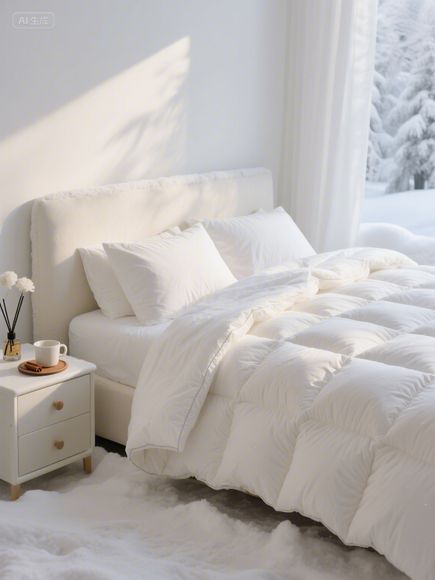
The Role of a Leading Manufacturer: Jia Yu Textile Factory
Companies like Jia Yu Textile Factory specialize in producing high-quality textile products, including down comforter shells. They bring expertise to the table:
- Advanced Technology: Utilizing modern machinery for precise cutting, high-speed sewing, and specialized finishing techniques (like laser trimming or ultrasonic welding for piping).
- Quality Materials: Sourcing premium fabrics (cotton sateen, blends, etc.) and high-grade down fillings (like European Goose Down) ensures superior product quality.
- Stringent Quality Control: Implementing strict QC measures throughout the production process guarantees consistency and durability. This includes testing fabric strength, down fill power, and final product inspection.
- Customization Capabilities: They often offer bespoke services, allowing clients to specify exact sizes, fabrics, closures, trims, and even custom printing or logos.
- Scalability: They can handle large volume orders efficiently, making them suitable for brands, retailers, and hotels.
Advantages of Partnering with Jia Yu Textile Factory for Down Comforter Shells:
- Superior Craftsmanship: Expertise ensures durable, well-constructed shells.
- Consistent Quality: Rigorous QC minimizes defects and ensures every product meets high standards.
- Wide Range of Options: Access to various fabrics, closures, and finishes allows for unique product designs.
- Reliable Supply: Established manufacturing capacity ensures timely delivery for large orders.
- Focus on Customer Satisfaction: Often involves collaboration to meet specific client needs and requirements.
Finishing Touches and Care Instructions
After the shell is assembled and QC'd, it's labeled with care instructions (usually machine washable, tumble dryable, but specifics depend on the fabric and filling) and any hang tags or packaging is added. Proper care is essential for longevity. Following the care label instructions is crucial to maintain the shell's softness and the down's loft.
Wrapping Up: Crafting Comfort
Making a down comforter shell is a blend of art and science. It requires careful planning, selection of quality materials, skilled craftsmanship (even if much is automated), and rigorous quality control. Whether you're a designer creating a bespoke piece or a manufacturer producing thousands, understanding these steps ensures you end up with a product that delivers ultimate comfort and warmth for years to come. Companies like Jia Yu Textile Factory play a vital role in bringing these quality products to market, leveraging their expertise to craft the perfect shell for your down comforter dreams.
Expanded Knowledge:
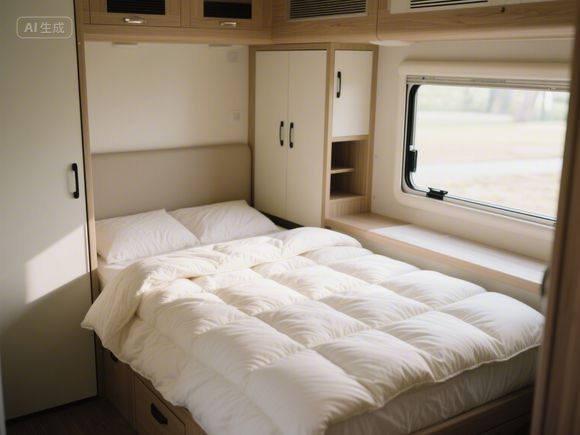
大家好,今天我们将探讨佳羽纺织厂是如何制作鸭绒被壳的,以及这种产品有哪些优势,在开始之前,让我们先了解一下制作鸭绒被壳的材料和过程。
II: 材料与制作过程
制作鸭绒被壳的材料主要是鸭绒和纺织材料,鸭绒是制作羽绒被的关键部分,具有保暖、轻盈、舒适的特点,让我们详细了解制作过程。
表格说明:
| 步骤 | 描述 | 说明 |
|---|---|---|
| 原料准备 | 采购鸭绒和纺织材料 | 确保原料的质量和数量 |
| 纺织工艺 | 编织、缝制等 | 将鸭绒和纺织材料通过特定的工艺组合在一起 |
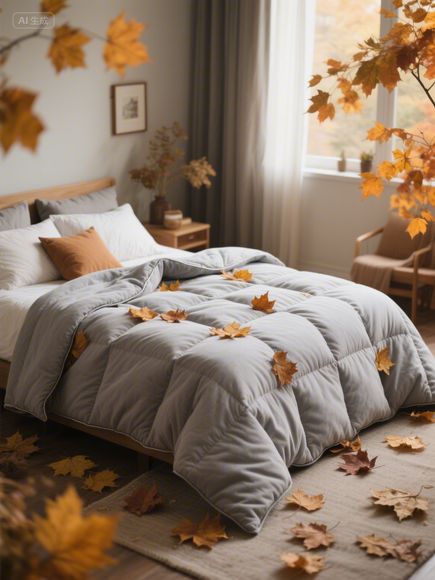
| 最终产品展示 | 鸭绒被壳外观 | 柔软、舒适、保暖的外观 |
问答形式补充说明:
Q1:佳羽纺织厂制作鸭绒被壳的主要优势是什么?
A1:佳羽纺织厂制作鸭绒被壳的主要优势在于其高质量的材料和精湛的工艺,使用优质鸭绒和纺织材料,确保了产品的保暖性和舒适性,经过严格的工艺流程和质量控制,确保了产品的质量和性能。
III: 产品优势分析
佳羽纺织厂制作的鸭绒被壳具有以下优势:
- 高质量原料:使用优质鸭绒和纺织材料,确保了产品的保暖性和舒适性。
- 精湛工艺:经过严格的工艺流程和质量控制,确保了产品的性能和质量。
- 环保可持续性:采用环保材料和生产工艺,符合现代人对环保和可持续性的需求。
- 用户满意度高:产品柔软、舒适、保暖,深受用户喜爱和信赖。
案例说明:

佳羽纺织厂作为一家知名的纺织企业,以其精湛的工艺和优质的产品赢得了广大用户的信赖和好评,他们的鸭绒被壳产品在市场上具有很高的知名度和口碑,深受消费者喜爱。
IV: 关于佳羽纺织厂制作鸭绒被壳的英文介绍
佳羽纺织厂以其精湛的工艺和优质的产品在制作鸭绒被壳方面具有显著优势,他们采用先进的生产工艺和高质量的材料,确保了产品的保暖性和舒适性,他们的产品还具有环保可持续性,符合现代人对环保和可持续性的需求,佳羽纺织厂的产品还深受用户喜爱和信赖,具有很高的用户满意度。