How to Spot the Real Deal:Your Ultimate Guide to Choosing Quality Down Bedding
This guide helps you select genuine quality down bedding. Learn to identify high-fill-power down (like 800+), check for quality materials (recycled or responsibly sourced), understand construction details (baffling, labeling), and verify ethical sourcing. Avoid synthetic fill blends and misleading claims. Choose breathable, durable, and comfortable bedding that provides lasting warmth and value.
Okay, let's talk about something most of us want in our beds come winter: cozy, warm, luxurious bedding. Down bedding, especially that fluffy, goose-down comforter you see advertised, is often the dream. But here’s the snag: figuring out if you're actually getting the real, high-quality stuff or just paying a premium for something that might not perform as advertised can be tricky. You don't want to end up with a pillow that's basically a synthetic fiber-filled nightmare or a comforter that loses its warmth after a few washes. So, how do you tell the genuine article from the imitation? Stick with me, and we'll break it down.

First off, let's understand why down is special. Down feathers, primarily from ducks or geese, are the fluffy, soft clusters found inside the feathers. They're incredibly good at trapping air, which is what makes them so effective at insulation. Think of it like a natural down jacket – it keeps you warm by trapping a layer of air close to your body. The quality of the down is measured by a few key factors:
-
Fill Power: This is the BIGGEST indicator of down quality. Fill power measures the "volume" or loft that a specific weight of down can achieve. It's typically measured in cubic inches per ounce (in³/oz) or sometimes cubic centimeters per gram (cm³/g). The higher the fill power, the fluffier, warmer, and more insulating the down generally is for its weight. Imagine squeezing a handful of down – high fill power down will expand outwards much more readily than low fill power down. You'll often see ratings like "800 fill power" or "900 fill power" on products. Generally, anything below 500 is considered low quality or synthetic, 600-700 is good for everyday use, 800 is premium, and 900 and above is top-tier luxury, often found in goose down products. Look for higher numbers if warmth and longevity are your goals.
-
Down Percentage: This tells you how much of the product's fill is actually down (either duck or goose). A higher percentage means more down and less synthetic alternative. For example, a "90% Duck Down" label means that 90% of the fill inside is genuine duck down, and the remaining 10% could be feathers, synthetic fibers, or sometimes other down types. Aim for products with a high down percentage (70% or higher) if you're serious about quality.
-
Type of Down: Duck down and goose down are the two main types you'll encounter. Goose down, especially from white geese, often has a higher average fill power and tends to be more durable and warmer than duck down. However, duck down is often more affordable and still provides excellent warmth. Some regions also use swan down or eiderdown, which are even rarer and more expensive, known for their exceptional warmth and quality. Check the label to see what type of down is used.
Now, let's get to the nitty-gritty of how to actually tell if you're getting quality down.
Method 1: Read the Label Carefully
This seems obvious, but you'd be surprised how many people just glance at the tag. Pay attention to these details:
- Fill Power: As mentioned, look for a high fill power rating (aim for 800 or higher for goose down, 650-750 for premium duck down). Avoid products that don't specify fill power or list a very low number.
- Down Percentage: Ensure it's a high percentage (70% or more). Be wary of products claiming "pure down" if the percentage isn't 100%.
- Type of Down: Duck down is common and generally good value. Goose down is often considered superior. If a product specifies "white goose down," it's likely the highest quality available.
- Certifications: Look for recognized certifications that guarantee the quality and ethical sourcing of the down. These add an extra layer of assurance. We'll look at some common ones later.
Method 2: The "Hand Test" - Feel the Loft
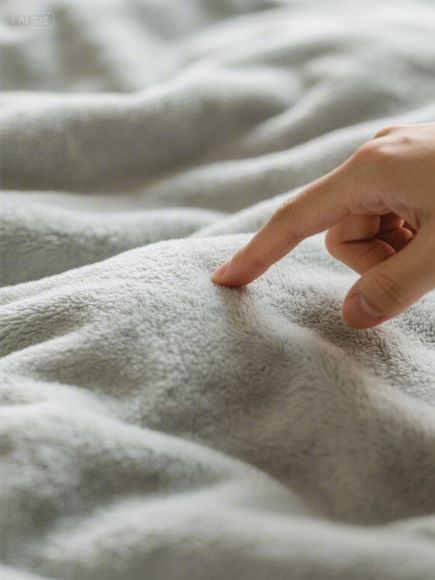
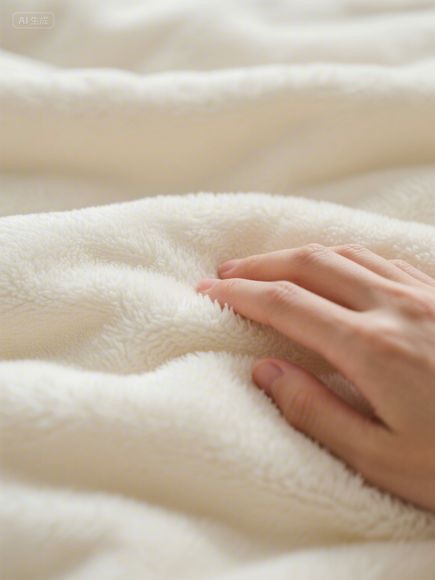
This is a simple test you can do yourself. Get a handful of the down filling (if possible, from a sample or by gently shaking the product out onto a flat surface). Squeeze it firmly. Now, let go. Observe how quickly it fluffs back up.
- High Quality Down: It should spring back quickly, filling out the space you were holding. It feels soft, light, and airy.
- Lower Quality Down or Synthetic: It will either stay compressed, fluff back very slowly, or feel heavy and dense. Synthetic fill often feels smooth and uniform, while lower quality down might feel clumpy or lumpy.
Method 3: Check the Packaging and Claims

- Transparency: Reputable brands are usually transparent about their fill power, percentage, and type of down. If they're vague or refuse to provide this information, it's a red flag.
- Marketing Hype vs. Reality: Be skeptical of exaggerated claims. "Warmest in the World," "Unbeatable Quality" – these are marketing terms. Focus on the specific, measurable details like fill power and percentage.
- Warranty: A good quality down product often comes with a warranty against "clumping" or "loss of loft." If a product doesn't offer one, it might be a sign of lower quality or less confidence in the product.
Method 4: Examine the Product Construction
- Shell Fabric: The outer shell (the part you touch) should be durable, breathable, and often treated with a Durable Water Repellent (DWR) finish to help shed moisture. Look for high-quality fabrics like cotton, silk, or performance synthetics.
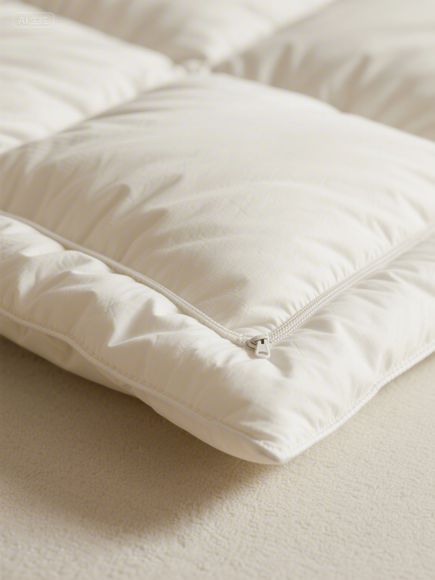
- Seams and Stitching: Check the seams and stitching. High-quality products will have strong, even stitching and well-constructed seams that won't easily come apart or allow down to escape.
- Fill Injection: Some products use fill injection, where down is injected through small holes. This can sometimes lead to uneven filling or clumping if the quality isn't high. However, it's not necessarily a bad thing if the down quality is excellent.
Method 5: Smell Test (Use with Caution)
- Natural Down: Genuine down has a very faint, natural odor sometimes described as "feathery" or "light." It's usually not noticeable unless you're very close or the product hasn't been cleaned properly.
- Synthetic Down: Often has a more chemical or plastic-like smell.
- Fake Down (especially off-gassing): New synthetic products might have a temporary "off-gassing" smell as they release manufacturing chemicals. This should dissipate within a few days or weeks with airing out. A persistent chemical smell, however, is a bad sign.
Method 6: Research the Brand and Retailer
- Reputation: Look up reviews and ratings for the brand and retailer online. What do other customers say about the quality, warmth, and durability of their products?
- Ethical Sourcing: Some consumers prefer brands that use down from birds raised under ethical conditions (e.g., down without live-plucking). Look for certifications like the Responsible Down Standard (RDS) if this is important to you.
Common Red Flags: What Might Indicate Lower Quality or Fake Down?
- Very Low Fill Power: Anything significantly below 500 is suspect.
- Low Down Percentage: Below 70% is generally a warning sign.
- Vague Labeling: No fill power, percentage, or type specified.
- Synthetic Fill Claims: If it explicitly says "synthetic fill," it's not down, but it might still be a good product if it's high-quality synthetic.
- Poor Construction: Weak seams, visible gaps, uneven filling.
- Excessive Price for Low Fill Power: If the price seems too high for the stated fill power and percentage, it might be misleading.
- Persistent Chemical Smell: Indicates poor quality synthetic fill or inadequate cleaning.
Let's look at some common questions about down bedding:
Q: What's the difference between duck down and goose down? A: Goose down generally has a higher average fill power (often 800+), making it potentially warmer and more durable than duck down, which typically ranges from 500 to 700. Goose down is often considered the premium choice, while duck down offers excellent performance at a more accessible price point. Both are natural down and can be of high quality.
Q: How can I tell if a down product is fake? A: You can't always tell just by looking, but the methods above are key. Low fill power, low percentage, poor construction, and a persistent chemical smell are indicators. The hand test is crucial – genuine high-quality down will fluff up significantly. If you suspect a product is fake, you can often find independent testing labs or consumer reports that review the product.
Q: What is Durable Water Repellent (DWR)? A: DWR is a treatment applied to the outer shell of down products (and other fabrics) to make them resistant to water and stains. It causes water to bead up and slide off the surface instead of soaking in. Over time, DWR can wear off, but many products are designed to be easily re-activated or re-treated.
Q: How should I care for my down bedding? A: Proper care is essential for maintaining down quality. Always follow the care label instructions. Generally, down products should be washed in warm water with a down-specific detergent, dried thoroughly in a high-heat dryer with clean tennis balls (which helps break up clumps), and then shaken/fluffed vigorously. Avoid using fabric softener, as it can damage the down's natural oils and reduce its loft. Regularly air out your bedding.
Case Study: The Warmth vs. the Fluff
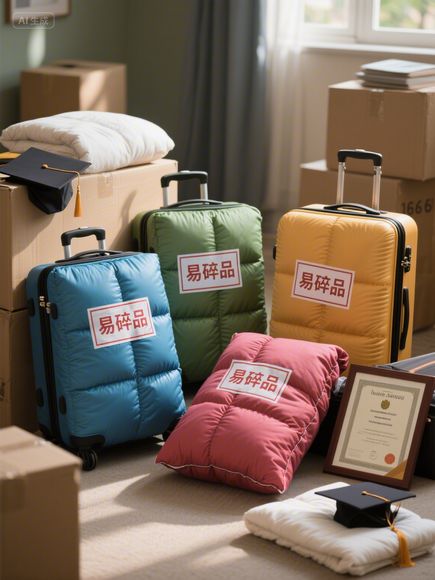
Sarah bought a cheap comforter online advertised as "premium goose down." The tag only said "down fill" and "high warmth." She brought it home, excited. The first winter was okay, but after a few washes, the comforter started to clump significantly. It didn't fluff up properly, and her bed felt draftier than before. She realized the fill power was listed as 550 (which is actually low for goose down) and the down percentage was only 50%. She ended up having to replace it sooner than expected.
Meanwhile, Mark invested in a down comforter from a well-known brand with a clear label: 900 fill power, 95% white goose down, and a Responsible Down Standard certification. He paid more upfront, but it lasted years, maintained its fluffiness even after multiple washes, and provided exceptional warmth. The label gave him confidence in the product's quality.
Now, let's talk about Jia Yu Textile Factory. As a manufacturer specializing in textiles, including down products, Jia Yu Textile Factory focuses on producing high-quality down bedding. Their commitment involves rigorous quality control throughout the sourcing and manufacturing process. They prioritize using premium down materials, often specifying high fill power (like 800 or 900) and ensuring high down percentages (like 80% or 90%). They understand that transparency is key, so they provide clear labeling regarding the type of down (duck or goose) and its performance characteristics. Furthermore, Jia Yu Textile Factory emphasizes ethical sourcing and adheres to international quality standards, ensuring their products are durable, warm, and built to last. Choosing products from manufacturers like Jia Yu means you're more likely to get bedding that performs consistently and meets the expectations associated with genuine quality down.
Finally, let's look at some common down certifications:
| Certification | What it Guarantees | Benefits |
|---|---|---|
| Responsible Down Standard (RDS) | Traceable down from birds not subjected to live-plucking or force-feeding. | Ethical sourcing assurance, recognized globally. |
| Global Traceable Down Standard (GTDS) | Similar to RDS, ensures traceability and prohibits live-plucking. | Ethical sourcing, transparency. |
| Downpass Quality Label | Verifies fill power, down percentage, and ethical sourcing (can be RDS or GTDS compliant). | Quality assurance, ethical guarantee. |
| ISO 9001 | Quality management system certification. | Demonstrates a company's commitment to quality processes. |
These certifications add an extra layer of trust, confirming not just the quality of the down but also the ethical practices involved in its production.
In conclusion, buying quality down bedding doesn't have to be a guessing game. By understanding key terms like fill power and down percentage, performing simple tests like the hand test, reading labels carefully, and researching brands, you can confidently choose products that will keep you warm, comfortable, and well-rested for years to come. Avoid the pitfalls of low-quality or fake down, and invest in the real deal. Happy snuggling!
Expanded Knowledge:
In this article, we will explore how to distinguish a duck feather down pillowcase. Here's an overview in English:
Table of Contents
- Introduction
- Product Characteristics
- How to Identify Duck Feather Down Pillowcase
- Visual Signs
- Quality Tests
- Case Study: How about JiaYu Textile Factory?
- Product Advantages
- High Quality Materials
- Long-lasting Performance
- Eco-friendly Production
- Additional Information on How to Identify Duck Feather Down Products
- Conclusion
English Version:

How to Identify Durable Duck Feather Pillowcase
In order to identify a high-quality duck feather down pillowcase, one should consider the following key points:
Product Characteristics
The main features of a duck feather down pillowcase are its high quality materials, long-lasting performance, and environmental friendliness. The material used in these products is typically soft and cozy, ensuring a comfortable sleep experience for the wearer.
How to Identify Duck Feather Down Pillowcase
- Visual Signs: The main way to identify a duck feather down pillowcase is through its appearance. It should have a soft, fluffy appearance with a slight sheen, indicating the high quality of the materials used. The filling should also be dense and densely distributed, ensuring a comfortable and cozy sleep experience.
- Quality Tests: There are various quality tests that can be conducted to ensure the quality of the duck feather down pillowcase. These tests may include testing for durability, moisture resistance, and flame resistance. These tests can help ensure the product meets the desired standards and provides a comfortable sleep experience for the wearer.
- Case Study: JiaYu Textile Factory's Approach to Duck Feather Down Products
JiaYu Textile Factory is known for its commitment to producing high-quality products that meet or exceed customer expectations. They use only the finest materials and follow strict quality control procedures to ensure that their products are not only durable but also provide a comfortable sleep experience for their customers.
Product Advantages
The main advantages of these products are their high quality materials, long-lasting performance, and environmental friendliness. By using only the finest materials and following strict production procedures, JiaYu Textile Factory is able to produce products that not only meet but also exceed customer expectations, providing a comfortable sleep experience for their customers. Additionally, these products are also eco-friendly, ensuring that they contribute to a sustainable future by reducing waste and conserving the environment.