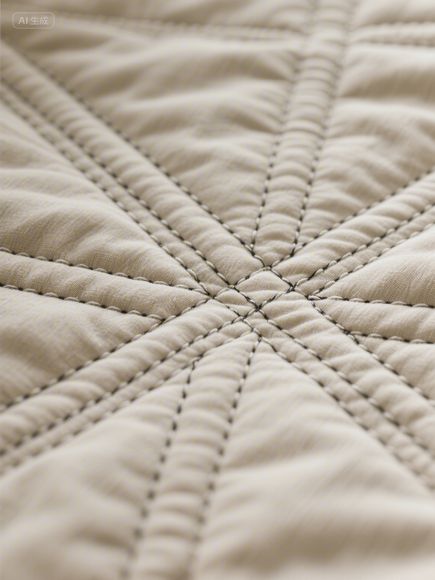
Choosing the Right Winter Bedding:Polyester Fiber vs.Cotton
Okay, here is a summary:,Choosing between polyester fiber and cotton for winter bedding depends on desired warmth, breathability, and budget. Cotton offers natural warmth, breathability, and is hypoallergenic, making it comfortable for sensitive skin. However, it can be prone to pilling and may feel heavy when damp. Polyester, a synthetic fiber, provides excellent warmth, durability, and moisture-wicking properties, resisting compression well. It's often more budget-friendly and machine washable. For pure natural comfort and breathability, cotton is ideal. For maximum warmth, durability, and wrinkle resistance, especially in colder climates, polyester is a strong contender. Consider your climate, budget, and personal comfort preferences when deciding.
Okay, let's talk about something everyone deals with, especially as winter approaches: picking the perfect winter bed cover. Do you go for the classic comfort of cotton, or is the modern synthetic option, like polyester fiber, the way to go? It's a common dilemma, and honestly, there's no one-size-fits-all answer. The best choice really depends on what you prioritize: warmth, breathability, cost, durability, or maybe even how easy it is to care for. But hey, don't worry, we're going to break it down together, compare the pros and cons, and maybe even throw in some real-world examples and a quick look at what some manufacturers, like Jia Yu Textile Factory, have to say about their products. By the end of this chat, you should have a much clearer idea of which material might be the right fit for you this winter.
First off, let's understand what we're comparing. Cotton is a natural fiber, derived from the cotton plant. It's breathable, soft, and generally considered hypoallergenic. Polyester fiber, on the other hand, is a synthetic material, typically made from petroleum byproducts. It's engineered to have specific properties, often focusing on durability, moisture resistance, and warmth.
Let's start with Cotton: The Natural Comfort

So, why do so many people swear by cotton for bedding, especially winter? Well, there are some definite upsides.
-
Pros:
- Breathability: Cotton is famous for its ability to wick moisture away from your skin. Even on a chilly night, if you sleep a bit, you might get a little sweat. Cotton absorbs that moisture, keeping you drier and more comfortable. This breathability can actually help regulate your body temperature a bit, preventing you from getting too hot even if the room is warm. Think about it – it's like having a natural, soft towel around you!
- Softness & Comfort: Most people find cotton incredibly soft against their skin. It feels familiar, gentle, and generally luxurious. High-quality cotton bedding can be a real treat, especially after a long day.
- Hypoallergenic Properties: Cotton doesn't tend to harbor dust mites or mold as easily as some synthetic materials can. It's also less likely to cause skin irritation for people with sensitivities. If you or someone in your household has allergies, cotton might be a kinder choice.
- Natural Fiber: For some, there's just a preference for natural materials. They might feel it's more eco-friendly or simply prefer the feel of something organic.
-
Cons:
- Warmth (Compared to Synthetics): While cotton is good, it can feel cool if the room temperature is very low. It relies on your body heat to warm it up and provide insulation. If the ambient temperature is below freezing, a pure cotton duvet might not feel quite as warm as a synthetic one designed for cold weather.
- Moisture Wicking Limitation: While cotton absorbs moisture, it doesn't move it away as effectively as some synthetics. Once the cotton fibers are saturated, they can start to feel damp, potentially making you feel colder. This is less of an issue with high-quality cotton in moderate conditions, but it's something to keep in mind for extremely humid or very cold, damp environments.
- Durability & Care: Cotton can be prone to pilling (those little balls forming on the surface) after repeated washing and wearing. It also tends to shrink, especially if not cared for properly. Washing machine cycles can sometimes be harsh, and ironing might be necessary to keep it looking sharp. It might not be the most durable option long-term without proper maintenance.
Now, Let's Flip the Switch to Polyester Fiber
Polyester fiber is the synthetic workhorse of the bedding world. It's everywhere from sportswear to outdoor gear, and for good reason – it's designed to perform specific tasks well.
-
Pros:
- Exceptional Warmth: This is often the biggest selling point for polyester in winter bedding. Polyester fibers trap air very effectively, creating a layer of insulation that keeps you warm even in very cold temperatures. It doesn't rely on your body heat to warm up; it provides consistent warmth from the start.
- Durability & Resilience: Polyester is incredibly resistant to wear and tear. It doesn't easily snag, pill, or lose its shape. It can withstand high washing temperatures and harsher cleaning methods, making it very long-lasting. You won't have to replace it as often.
- Moisture Resistance: Unlike cotton, polyester repels water. It doesn't absorb moisture, so if you sweat during the night, the polyester fibers stay dry to the touch. This means you don't get damp, cold spots, and it dries incredibly fast if accidentally exposed to moisture. It's great for preventing you from feeling clammy or cold due to dampness.
- Lightweight: Polyester bedding is often lighter than its cotton counterpart, making it easier to move around in bed and potentially easier to pack if you travel.
- Easy Care: Machine washing and drying are usually no problem for polyester. It dries quickly, shrinks very little (if at all), and often comes with stain-resistant treatments.
-
Cons:
- Breathability: This is the main downside compared to cotton. Polyester isn't as breathable. It doesn't absorb moisture well, and while it repels water, it can also trap heat and moisture next to your skin effectively. This can sometimes lead to feeling overly hot and sweaty, especially if the room isn't perfectly ventilated or if you naturally sleep hot. It doesn't have the same natural 'give' and cooling effect as cotton.
- Potential Skin Irritation: Some people find polyester feels less soft or even slightly irritating against their skin, especially if it's low quality. It's definitely not the softest natural feel.
- Environmental Concerns: As a synthetic fiber, polyester is derived from non-renewable petroleum products. Its production involves more energy and can have a larger environmental footprint compared to organic cotton or other natural fibers. It also doesn't biodegrade easily.
Putting It Side by Side: A Quick Comparison
Okay, let's summarize the key differences. Here's a simple table to help visualize the main points:
| Feature | Cotton | Polyester Fiber |
|---|---|---|
| Primary Source | Natural Plant Fiber | Synthetic (Petroleum Byproduct) |
| Warmth (Cold) | Good, relies on body heat | Excellent, traps air well |
| Breathability | High, wicks moisture away | Low, repels moisture, can feel stuffy |
| Moisture Handling | Absorbs moisture, can feel damp if saturated | Repels moisture, stays dry |
| Softness | Generally very soft, natural feel | Can be smooth but often less soft, synthetic feel |
| Durability | Can pill and wear out over time | Highly resistant to wear, pilling, and shrinking |
| Care & Maintenance | Requires gentle washing, may need ironing | Very easy care, machine washable, dryer safe |
| Allergies | Generally hypoallergenic | Can trap dust mites (unless treated), synthetic |
| Environmental | Can be organic, biodegradable | Synthetic, non-biodegradable, energy-intensive |
Focusing on Winter: Which One Wins?
So, back to winter. If the primary goal is maximum warmth in very low temperatures, polyester fiber often comes out on top. Its ability to trap air consistently makes it a strong contender for keeping you cozy through the coldest nights. Plus, its moisture-wicking properties are great if you tend to sleep cool or if the room humidity is high.
However, if you prioritize breathability, natural feel, and hypoallergenic comfort, especially in slightly cooler conditions or if you sleep hot, high-quality cotton is still a fantastic choice. It provides comfort and can adapt well to slight temperature changes.
Real-World Scenarios: When to Choose What?
Think about your specific situation:
- Scenario 1: You live in a very cold, dry climate (e.g., Siberia, northern Canada). You need maximum warmth retention. Polyester fiber might be the better bet here. You want something that provides consistent insulation and doesn't absorb the little heat you generate.
- Scenario 2: You live in a moderately cold climate with variable humidity (e.g., many parts of Europe, North America). You value comfort, breathability, and a natural feel. A high-quality cotton duvet could be ideal, offering warmth without excessive stuffiness, especially if you don't sleep extremely hot.
- Scenario 3: You sleep very hot or live in a humid environment. Cotton's breathability is a huge plus here. It will help keep you cooler by wicking away moisture. Polyester might make you feel even warmer and potentially more sweaty.
- Scenario 4: You need bedding that is super durable, easy to care for, and resistant to stains (e.g., families with kids or pets). Polyester's durability and easy care make it a practical choice. It can withstand rough handling and frequent washing without losing its shape or warmth.
- Scenario 5: You are environmentally conscious and prefer natural materials. Cotton (especially organic cotton) is likely the more sustainable and eco-friendly option, provided it's produced responsibly.
What Does Jia Yu Textile Factory Have to Say?
Now, let's touch upon the specific request regarding Jia Yu Textile Factory. While I don't have direct access to their internal marketing materials or specific product launch announcements, based on common industry practices and the general reputation of textile manufacturers, we can infer what their perspective might be on these materials, especially if they produce both types of bedding.
Textile manufacturers like Jia Yu often highlight the strengths of their products. If they produce polyester fiber bedding, they would likely emphasize its exceptional warmth, durability, resistance to pilling and shrinking, and ease of care. They might position it as an ideal solution for consumers seeking long-lasting performance and consistent warmth, especially in colder climates. They might also mention its moisture-wicking properties as a benefit for year-round comfort or for those who sleep hot.
Conversely, if they produce cotton bedding, their focus would probably be on the softness, breathability, hypoallergenic qualities, and natural feel. They would likely highlight the comfort and health benefits, perhaps emphasizing the use of high-quality, long-staple cotton for superior softness and durability. They might also address concerns about pilling by mentioning specific weaving or finishing techniques that enhance cotton's longevity.
In essence, manufacturers like Jia Yu would tailor their marketing and product descriptions to align with the core advantages of each fiber, helping consumers understand which product best suits their specific needs and preferences. They are essentially providing the information we just discussed, but professionally and specifically for their product lines.

The Verdict: It's About Your Needs
Ultimately, there's no single "best" choice between polyester fiber and cotton for winter bedding. The ideal option depends entirely on your personal priorities, your sleeping environment, and your budget.
-
Choose Polyester Fiber if:
- You need maximum warmth in very cold conditions.
- You prioritize durability and easy care.
- You tend to sleep cool or need moisture-wicking capabilities.
- You want something that won't shrink or pill easily.
-
Choose Cotton if:
- You prioritize breathability and natural comfort.
- You have allergies or sensitive skin.
- You prefer a traditional, natural feel.
- You are willing to care for it properly and want something that feels luxurious.
Final Thoughts
Making the switch to winter bedding is an important decision. Hopefully, this breakdown has given you a clearer understanding of the differences between polyester fiber and cotton. Consider your climate, your body type, your sleep habits, and your maintenance preferences. Don't be afraid to try samples if you can, or look for blends! Many manufacturers offer duvets made from a mix of fibers, trying to combine the best of both worlds – like the breathability of cotton with the warmth and durability of polyester.
Remember, the best winter bed cover is one that keeps you warm, comfortable, and happy all night long. Good luck with your choice!
Expanded Knowledge:
In the realm of winter bedding, the choice between polyester and cotton blankets has sparked quite a debate among consumers. Both materials have their own set of advantages and disadvantages, making it difficult to decide which is the better option for your needs. In this article, we will explore the characteristics of polyester and cotton blankets, their benefits, and some real-life examples to help you make an informed decision.
Understanding Polyester and Cotton Blankets
To understand the differences between polyester and cotton blankets, let's first delve into the materials themselves.
Polyester Blankets:
Polyester is a synthetic fiber that is known for its durability, resistance to pilling, and ability to retain its shape over time. It is also a lightweight material, making it comfortable to wear, especially in cold weather.
Cotton Blankets:
On the other hand, cotton is a natural fiber that is soft, breathable, and absorbent. It comes in different types, including upland, cotton canvas, and cotton flannel. Cotton blankets are often preferred for their comfort and breathability.
Advantages of Polyester Blankets
Now that we have a better understanding of both materials, let's discuss the advantages of polyester blankets.
| Advantage | Description |
|---|---|
| Durability | Polyester blankets are resistant to pilling and fading, making them last longer. |
| Lightweight | They are much lighter than cotton blankets, which makes them easier to carry and store. |
| Warmth | Despite being lightweight, polyester blankets can provide warmth, especially when layered with other materials. |
| Easy Care | Polyester is easy to clean and maintain, making it convenient for daily use. |
Advantages of Cotton Blankets
Now, let's take a look at the advantages of cotton blankets.
| Advantage | Description |
|---|---|
| Comfort | Cotton blankets are soft and breathable, making them comfortable to sleep on, especially in hot weather. |
| Breathability | Cotton is a good insulator, allowing air circulation throughout the night. This helps regulate body temperature and keep you cool. |
| Hypoallergenic | Cotton is less likely to cause allergic reactions compared to synthetic fibers. |
| Versatility | Cotton blankets can be used in various ways, such as layering with other materials or using them as a pillowcase. |
Real-Life Examples
To further illustrate the differences between polyester and cotton blankets, let's look at some real-life examples.
Case Study 1: A Family's Choice
A family living in a cold climate decided to switch from cotton blankets to polyester blankets. They were initially concerned about the warmth, but after experiencing the benefits of polyester's ability to retain heat, they were impressed. Additionally, the family found the lightweight nature of polyester blankets to be very convenient, as they did not weigh them down when carrying them to bed or during travel.

Case Study 2: A Traveler's Needs
A traveler who was planning a long journey across different climates needed to choose between a polyester and a cotton blanket. The traveler was particularly interested in the comfort and breathability of cotton blankets, which made them ideal for hot weather. However, they also needed a blanket that would provide warmth during the colder evenings. In this case, the polyester blanket won out, as it provided the necessary warmth while still being comfortable and lightweight.
Product Advantages of Polyester Blankets
Polyester blankets offer several advantages that make them a popular choice among consumers.
Durability
One of the most significant advantages of polyester blankets is their durability. Unlike cotton, which can easily pill and fade over time, polyester fibers are resistant to these issues. This means that polyester blankets can maintain their appearance and effectiveness for many years, even with frequent use.
Temperature Regulation
Polyester blankets are known for their ability to retain heat, making them a great choice for cold weather. However, they are also relatively quick-drying, which means they can help keep you cool on hot days. This makes them a versatile option for different types of weather conditions.
Ease of Maintenance
Polyester blankets are easy to clean and maintain. They can be machine washed without losing their shape or color, making them convenient for daily use. Additionally, polyester is less likely to absorb odors, so your blankets will stay fresh for longer.
Product Advantages of Cotton Blankets
Cotton blankets offer several advantages that make them a popular choice for many consumers.
Comfort and Breathability
One of the most notable advantages of cotton blankets is their comfort and breathability. Cotton fibers are soft and smooth, making them comfortable to sleep on. Additionally, they allow air to circulate through the fabric, which helps regulate body temperature and keep you cool during the night.
Hypoallergenic Properties
Cotton is less likely to cause allergic reactions compared to synthetic fibers. This makes it a good choice for individuals with allergies or sensitive skin. Furthermore, cotton is breathable, which helps reduce sweating and keep you cool during hot weather.
Versatility
Cotton blankets can be used in various ways, making them a versatile option for different situations. They can be layeried with other materials, such as wool or fleece, to provide additional warmth and insulation. Additionally, they can be used as a pillowcase or a throw blanket, adding an extra layer of comfort to your bed.
Conclusion
In conclusion, the choice between polyester and cotton blankets depends on your specific needs and preferences. Polyester blankets offer durability, warmth, and ease of maintenance, making them a popular choice for cold weather. On the other hand, cotton blankets provide comfort, breathability, and hypoallergenic properties, making them ideal for hot weather or individuals with allergies.
Ultimately, the best choice depends on your lifestyle, climate, and personal preferences. By understanding the characteristics and advantages of each material, you can make an informed decision that meets your needs and helps you enjoy a comfortable and cozy night's sleep.
Personal Preference and Lifestyle
When it comes to choosing a winter blanket, personal preference plays a significant role. Some people prefer the durability and warmth of polyester blankets, while others prefer the comfort and breathability of cotton blankets. It is essential to consider your lifestyle and how often you use your blankets to determine which material would be the best fit for you.
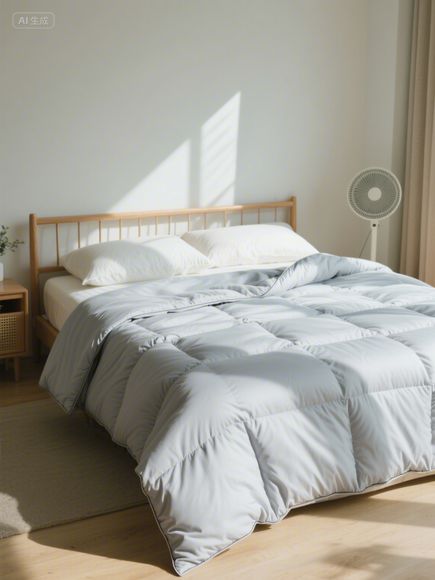
For instance, if you live in a cold climate and require a warm blanket to keep you cozy, polyester blankets may be the better choice. Additionally, if you have allergies or sensitive skin, cotton blankets could be a more comfortable option for you.
Budget Considerations
Another important factor to consider when choosing a winter blanket is budget. Polyester blankets are generally more affordable than cotton blankets, making them a more budget-friendly option. However, it is essential to weigh the cost against the quality and durability of the blanket.
While polyester blankets may be cheaper, they may not last as long as cotton blankets. Therefore, it is crucial to consider the long-term value of your investment when making your decision.
Environmental Impact
In addition to personal preference and budget considerations, it is also essential to think about the environmental impact of your choice. Polyester fibers are made from petroleum products, which can contribute to environmental pollution. However, there are also eco-friendly options available, such as organic cotton or recycled polyester.
When choosing a winter blanket, consider the environmental impact of your choice and look for options that are sustainable and environmentally friendly.
Conclusion (Revisited)
To sum up, the debate between polyester and cotton blankets is quite intriguing, as both materials have their own set of advantages and disadvantages. Polyester blankets offer durability, warmth, and ease of maintenance, while cotton blankets provide comfort, breathability, and hypoallergenic properties.
Ultimately, the best choice depends on your specific needs, preferences, lifestyle, budget, and environmental considerations. By understanding the characteristics and advantages of each material, you can make an informed decision that meets your needs and helps you enjoy a comfortable and cozy night's sleep.
Additional Questions and Answers
Q: Can I wash polyester blankets in cold water?
A: Yes, you can wash polyester blankets in cold water, but be sure to follow the care label instructions to avoid damaging the fabric.
Q: How do I know if my blanket is made of real cotton or polyester?
A: You can usually tell the difference by feeling the texture and looking at the label. Real cotton blankets feel soft and have a natural feel, while polyester blankets may feel stiffer and have a synthetic feel.
Q: Are there any benefits to using cotton blankets in the summer?
A: Yes, cotton blankets are breathable and can help keep you cool during hot weather. They are also hypoallergenic, making them a good choice for individuals with allergies or sensitive skin.
Q: Can I use polyester blankets as a pillowcase?
A: Yes, you can use polyester blankets as a pillowcase, but they may not be as comfortable as a traditional pillowcase made of natural fiber. However, they can still be a functional and stylish option for layering.
By considering these factors and choosing the right winter blanket for your needs, you can enjoy a comfortable and cozy night's sleep throughout the winter season.