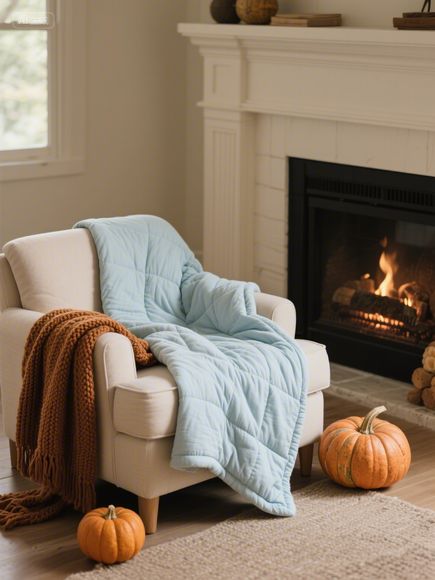
Silk vs.Polyester Duvet Filling:Which One Reigns Supreme?
Silk duvet filling offers a luxurious, smooth feel and natural temperature regulation, ideal for those seeking a premium, hypoallergenic experience. Polyester, often down alternative, provides excellent warmth, durability, and hypoallergenic properties at a more budget-friendly price. The choice depends on desired luxury versus practicality and warmth value.
本文目录导读:
- Understanding Silk Fabric
- Understanding Polyester Fabric
- Differences Between Silk Fabric and Polyester Fabric in Quilt Linings
- Case Study:佳羽纺织厂 Silk Quilt Linings
- Conclusion
Alright, let's talk about something many of us deal with every night: our duvets! More specifically, let's dive into the world of duvet fillings and compare two popular contenders: natural silk and synthetic polyester. This is a question that often comes up, especially when shopping for bedding or trying to understand why your new duvet might feel different from the old one. Understanding the differences can help you make a more informed choice, especially if you're considering products from manufacturers like Jia Yu Textile Factory, who specialize in high-quality textile solutions.
First off, what are we even comparing? Silk filling is derived from silkworm cocoons, prized for its luxurious feel, natural temperature regulation, and breathability. Polyester filling, on the other hand, is a synthetic fiber, typically made from petroleum byproducts, known for its affordability, warmth, and resilience.
Now, let's break down the key differences across several important aspects:
Comfort & Feel: Luxury vs. Practicality
- Silk: Think smooth, cool, and incredibly soft. Silk has a natural sheen and drape that many find luxurious. It's often described as having a "second skin" feel, which can be very comfortable for some, especially in warmer conditions. High-quality silk (like mulberry silk) is hypoallergenic and naturally resistant to dust mites.
- Polyester: Polyester feels different – often described as smooth but sometimes a bit less "drapey" than silk. It's generally warmer and can feel slightly less breathable, especially in hot weather. However, modern polyester blends are designed to mimic silk's feel quite well and offer good value.
Here's a quick comparison table for comfort aspects:
| Feature | Silk Filling | Polyester Filling |
|---|---|---|
| Primary Feel | Luxurious, smooth, cool, light | Smooth, warm, synthetic, durable |
| Texture | Natural protein fiber | Man-made polymer fiber |
| Luxury Factor | High | Moderate to High (depending on quality) |
| Hypoallergenic | Generally Yes (natural protein) | Can be Yes (often treated/waterproof) |
| Drape | Excellent | Good (can vary) |
Temperature Regulation & Breathability

- Silk: This is where silk truly shines. Silk fibers are naturally temperature-regulating. They absorb moisture (sweat) effectively and release it into the air, helping to keep you cool when it's hot and trap a bit of warmth when it's cooler. This makes silk a great choice for people who tend to sleep hot.
- Polyester: Polyester is less breathable than silk. It doesn't absorb moisture as well, which can sometimes lead to a clammy feeling if you overheat during the night. However, many modern polyester blends incorporate technologies (like bicomponent fibers or treatments) to improve breathability and moisture-wicking, narrowing the gap.
Durability & Longevity
- Silk: Silk is relatively durable but requires careful handling and cleaning (usually dry clean only). Over time, exposure to sunlight and improper care can weaken silk fibers. A high-quality silk duvet can last many years with proper care.
- Polyester: Polyester is known for its durability and resistance to wear and tear. It doesn't compress as quickly as some natural fillings and holds its shape well. It's generally machine washable and more resilient to repeated use and cleaning. It also doesn't attract moths.
Hypoallergenic Properties
- Silk: Naturally hypoallergenic due to its protein structure, which doesn't attract dust mites or other common allergens as readily as some synthetic fibers. However, individual sensitivity can vary.
- Polyester: Can be treated to be hypoallergenic and often comes with a waterproof barrier, making it a good option for people with severe allergies. However, some lower-quality or untreated polyester might trap allergens.
Environmental Impact
- Silk: Pure silk production involves silkworms, raising ethical concerns for some (though there are sustainable and ethical silk producers). The environmental impact of silk farming can vary. Silk is a natural biodegradable fiber.
- Polyester: Polyester is a synthetic fiber derived from non-renewable petroleum resources. Its production is energy-intensive and contributes to microplastic pollution when washed. However, recycling polyester is possible, and blends with natural fibers can reduce the overall synthetic content.
Cost
- Silk: Generally more expensive than polyester. The price reflects the labor-intensive harvesting process and the natural fiber's desirable properties.
- Polyester: Significantly more affordable than silk, making it accessible for a wider range of budgets.
Care & Maintenance
- Silk: Requires special care, typically dry cleaning only, to maintain its quality and prevent damage. Ironing might be necessary, and exposure to direct sunlight should be avoided.
- Polyester: Usually machine washable and tumble dryable, making it much easier to care for on a daily basis. It's resistant to wrinkles and doesn't need ironing.
Frequently Asked Questions (FAQ):
Q: Which filling is better for hot sleepers? A: Silk is generally the better choice for hot sleepers due to its superior breathability and natural temperature regulation. However, some high-quality, breathable polyester blends can also be suitable.

Q: Is polyester filling flammable? A: Pure polyester is flammable, but duvets often have a fire-resistant treatment applied to meet safety standards. Silk is also naturally flame-resistant to some degree. Always check the manufacturer's safety certifications.
Q: Can I wash a silk duvet? A: It's generally recommended to dry clean silk duvets to maintain their quality. Spot cleaning might be possible for minor stains, but professional dry cleaning is best.
Q: Which filling lasts longer? A: Both can last a long time. Silk duvets require careful maintenance and might show signs of aging (like pilling) differently than polyester. Polyester is often more resistant to compression and pilling over time, but silk might retain its loft longer if well cared for.
Case Study: Choosing the Right Filling
Imagine a consumer, let's call them Sarah, who lives in a region with distinct seasons. In the summer, she gets too hot and sweats easily. In the winter, she needs warmth. She also has a mild allergy to dust mites.
Sarah might opt for a silk duvet for the warmer months due to its cooling properties and hypoallergenic nature. However, for the colder winter months, a high-quality, hypoallergenic polyester duvet with a good warmth rating (like a down alternative) might be more suitable for the extra warmth she needs. Alternatively, she could look for a premium synthetic blend that offers good temperature regulation and hypoallergenic properties year-round, perhaps one specifically designed by manufacturers like Jia Yu Textile Factory focusing on performance and comfort.
Advantages of Jia Yu Textile Factory Products:

Jia Yu Textile Factory, as a specialized manufacturer, focuses on producing high-quality textile products, including duvet covers and potentially filling materials (though often the filling itself might be sourced or blended). Their expertise translates into products that prioritize quality, comfort, and durability. Whether you choose a silk or polyester option from their range (or compatible products), you can often expect:
- High-Quality Materials: Careful selection of raw materials ensures the final product performs as expected.
- Attention to Detail: Features like high-quality stitching, durable zippers, and wrinkle-resistant finishes enhance the user experience.
- Performance: Products designed to meet specific needs, such as temperature regulation or hypoallergenic properties, are engineered for effectiveness.
- Durability: Well-made textiles from Jia Yu or similar manufacturers are built to last, providing value for money.
Conclusion:
Choosing between silk and polyester filling for your duvet ultimately depends on your individual needs, budget, and priorities. Silk offers unparalleled luxury, breathability, and a natural feel, but comes at a higher cost and requires more careful maintenance. Polyester provides excellent warmth, durability, and ease of care at a lower price point, though it may lag slightly in breathability and the luxurious feel of silk.
Consider your climate, sleeping preferences, budget, and any allergies when making your decision. If you lean towards luxury and natural temperature regulation, silk might be the way to go. If you prioritize warmth, affordability, and low-maintenance care, polyester is a strong contender. And remember, advancements in textile technology mean that high-performance synthetic blends can offer compelling advantages in many categories.
Expanded Knowledge:
In the world of textiles, the choice between silk and polyester can be a tough decision, especially when it comes to the lining of a silk quilt. Both materials have their own unique properties that can affect the overall quality and comfort of the final product. Let's delve into the differences between silk fabric and polyester fabric used in silk quilt linings, and explore how these differences can impact your quilt's performance and appearance.
Understanding Silk Fabric
Silk is a natural fiber that comes from the silkworm, which spins its cocoon ready to be transformed into silk fabric. This natural process gives silk its smooth, lustrous texture and a natural sheen that is hard to replicate. Silk fabric is known for its excellent drape, moisture-wicking properties, and ability to keep you cool.
Key Characteristics of Silk Fabric:
- Smooth and Lustrous Texture: Silk fibers are incredibly smooth, which gives the fabric a luxurious feel.
- Natural Sheen: Silk has a natural sheen that can add a touch of elegance to any quilt.
- Moisture-Wicking Properties: Silk fibers can absorb and retain moisture, keeping the quilt comfortable even during sleep.
- Durable: Silk is a strong and durable fiber, making it suitable for various applications, including quilts.
Understanding Polyester Fabric
Polyester, on the other hand, is a synthetic fiber that is made from petroleum products. It is known for its durability, ease of care, and affordability. Polyester fibers are engineered to mimic the look and feel of silk but without its natural properties.
Key Characteristics of Polyester Fabric:
- Smooth and Soft Texture: Polyester fibers are designed to be smooth and soft, providing a similar feel to silk.
- Non-Sweaty: Unlike silk, polyester does not absorb moisture, making it ideal for use in hot climates or during sleep.
- Durable and Resistant to Pilling: Polyester fibers are resistant to pilling, which means they maintain their shape and appearance over time.
- Affordable: Polyester is a cost-effective option, making it popular for everyday use.
Differences Between Silk Fabric and Polyester Fabric in Quilt Linings
Now that we have a better understanding of both silk and polyester fabrics, let's take a closer look at how these differences impact the lining of a silk quilt.
Texture and Feel
- Silk: The smooth and lustrous texture of silk fabric provides a luxurious feel that is perfect for a quilt. It adds a touch of elegance and comfort to the quilt.
- Polyester: While polyester fibers are also smooth and soft, they lack the natural sheen and smooth texture of silk. This can make the quilt feel less luxurious and less appealing.
Moisture Wicking Properties
- Silk: Silk's moisture-wicking properties mean that it can keep the quilt comfortable even during sleep, as it absorbs and retains moisture.
- Polyester: Polyester does not absorb moisture, which can make the quilt feel less comfortable during sleep, especially in hot climates.
Durability and Resilience
- Silk: Silk is a strong and durable fiber, which makes it suitable for use in various applications, including quilt linings. It can withstand wear and tear over time.
- Polyester: While polyester is also durable, it may not be as resilient as silk. This means that the quilt lining may not maintain its shape as well over time.
Aesthetic Appeal
- Silk: The natural sheen of silk adds a touch of elegance to the quilt, making it more visually appealing.
- Polyester: While polyester can be styled to look like silk, it lacks the natural sheen and unique texture that silk offers. This can make the quilt appear more generic and less special.
Case Study:佳羽纺织厂 Silk Quilt Linings
To further illustrate the differences between silk and polyester fabric used in silk quilt linings, let's take a look at a case study involving a company called "佳羽纺织厂" (Jia Yu Textile Factory).
Product Overview
Jia Yu Textile Factory is a leading manufacturer of high-quality textile products, including silk quilt linings. They offer a range of products designed to meet the needs of different types of quilts and users.
Product Benefits
The benefits of using silk fabric in Jia Yu Textile Factory's quilt linings include:
- Luxurious Feel: The smooth and lustrous texture of silk provides a luxurious feel that enhances the overall appearance and comfort of the quilt.
- Moisture Wicking Properties: Silk's moisture-wicking properties ensure that the quilt remains comfortable even during sleep, keeping it dry and cozy.
- Durability: Silk is a strong and durable fiber, ensuring that the quilt lining can withstand wear and tear over time.
- Aesthetic Appeal: The natural sheen of silk adds a touch of elegance to the quilt, making it more visually appealing.
However, there are also some challenges associated with using silk fabric:
- Cost: Silk is a more expensive material than polyester, which can increase the cost of the quilt linings.
- Ease of Care: Silk requires special care instructions to maintain its luster and texture, which can be a consideration for some users.
Despite these challenges, Jia Yu Textile Factory continues to be a trusted name in the textile industry, known for its commitment to quality and customer satisfaction.

Conclusion
In conclusion, the choice between silk fabric and polyester fabric used in silk quilt linings depends on your specific needs and preferences. Silk fabric offers a luxurious feel, moisture-wicking properties, and durability, making it a popular choice for high-end quilts. However, it is important to consider the cost and care requirements associated with silk.
Polyester fabric, on the other hand, offers a more affordable and easy-to-care-for option, making it suitable for everyday use. While it may lack the natural sheen and texture of silk, its durability and resistance to pilling make it a reliable choice for many quilts.
Ultimately, the right choice will depend on your budget, the type of quilt you have, and how important the natural look and feel of the fabric are to you. By understanding the key characteristics of both materials and their impact on the overall quality and comfort of the quilt, you can make an informed decision that meets your needs.
If you're looking for a high-quality quilt lining that combines the best of both worlds, consider exploring the products offered by companies like Jia Yu Textile Factory. They offer a range of options that cater to different preferences and requirements, ensuring that you find the perfect fabric for your quilt.
Remember, the right fabric can make all the difference in the final product. So take your time to choose the best fabric for your quilt, and enjoy the process of creating something truly special.