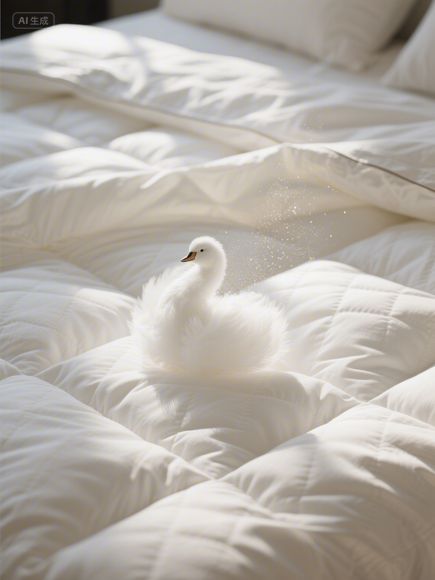
Choosing the Perfect Bed Companion:Polyester Fiber vs.Wool Duvets
Choosing the perfect duvet involves weighing polyester fiber versus wool. Wool offers superior warmth, especially in damp conditions, and is naturally fire-resistant and breathable. It tends to be more durable but can be heavier and pricier. Polyester provides excellent warmth-to-weight ratio, is lightweight, quick-drying, and often more affordable. It's a good choice for those seeking hypoallergenic properties and easy care. The best choice depends on climate, budget, and personal preference for weight and breathability.
Okay, let's talk about something most of us deal with every night: our duvets! Choosing the right one can feel overwhelming, especially when you're trying to figure out whether a polyester fiber filling or a wool filling is the better choice for your bed. Both have their pros and cons, and the best pick really depends on your personal preferences, your bedroom environment, and maybe even the climate where you live. But hey, don't worry, we're going to break it down together, so you can make an informed decision and maybe even learn a bit about what makes some products stand out, like those from Jia Yu Textile Factory.
First off, what are we even talking about? Let's define our terms.

- Polyester Fiber Filling: This is a synthetic filling, often made from recycled plastic bottles! It's generally quite soft, lightweight, and comes in a huge variety of colors and patterns. It's known for being hypoallergenic (good if you have allergies) and resistant to dust mites. It dries super fast if it gets wet, which is handy for accidents or washing. Think of it as the reliable, easygoing friend who's always up for something.
- Wool Filling: This comes from sheep, obviously! Wool is a natural protein fiber. It's fantastic at regulating temperature – it keeps you warm when it's cold outside, but feels cool and comfortable on a hot night. It's also naturally flame-resistant and has good moisture-wicking properties, meaning it can absorb humidity without feeling damp. It's durable and tends to last longer. Think of it as the sophisticated, temperature-sensing buddy who adapts perfectly to your environment.
Now, let's dive deeper into each one.
Let's talk Polyester Fiber Duvets
So, polyester duvets are super popular for a reason. They're often quite affordable, which is a big plus. They feel soft and cuddly right away, no need for break-in periods like some natural fibers might require. They're also great for people who tend to sleep a bit on the cool side because they provide consistent warmth. Plus, they're easy to care for – machine washable and dryer safe, usually, which makes them super convenient.
What are the downsides? Well, some people find polyester can sometimes feel a bit less breathable than natural fibers, especially in very warm bedrooms. It might also be prone to pilling (those little balls of fiber that form on the surface) over time, although high-quality duvets minimize this. And, while it's generally hypoallergenic, it's not naturally breathable like wool.
Here's a quick comparison of key properties for polyester fiber filling:
| Feature | Polyester Fiber Filling | Advantages | Disadvantages |
|---|---|---|---|
| Warmth | Good to Excellent | Consistent warmth, great for cold weather | Can feel less breathable in heat |
| Breathability | Low to Medium | Easy to care for, machine washable/dryable | May feel stuffy in very warm conditions |
| Weight | Lightweight | Lightweight, easy to move | - |
| Allergies | Generally Hypoallergenic | Good for allergy sufferers | - |
| Durability | Good (varies with quality) | Durable, long-lasting (with good care) | Can pille over time (high quality mitigates this) |
| Moisture Wicking | Low | Resistant to moisture | - |
| Flame Resistance | Good (often treated) | - | - |
| Static | Can generate static electricity | - | Can be an issue in dry conditions |
Now, let's explore Wool Duvets
Wool duvets are the classic choice for a reason. As mentioned, their temperature regulation is fantastic. Wool fibers can absorb up to 30% of their weight in moisture vapor without feeling damp, which is amazing for sleep comfort. They also have natural flame-retardant properties and are quite durable. High-quality wool duvets can last for years.
What are the downsides? Wool duvets are generally more expensive than polyester ones. They can be heavier, which might be a slight issue for some people getting out of bed. Some people might find the initial feel a bit scratchy, although this often softens with washing. Also, while generally hypoallergenic, some might be concerned about shedding (though modern processing minimizes this).
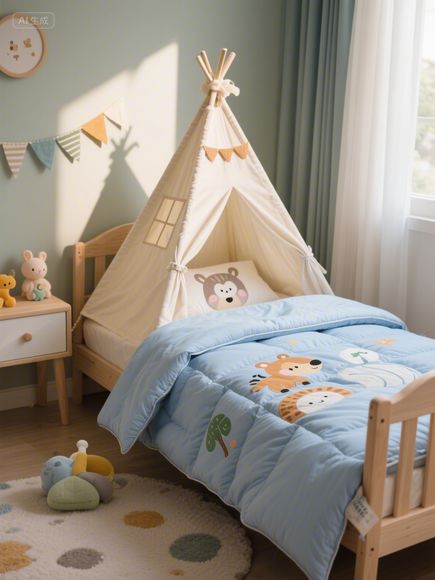
Here's a comparison focusing on seasonal suitability:
| Season/Weather Condition | Recommended Filling | Reason |
|---|---|---|
| Very Cold Nights | Wool | Excellent warmth retention, natural insulation properties. |
| Mild Nights | Polyester or Wool | Polyester provides consistent warmth; Wool adapts well to slight cooling. |
| Warm Nights | Polyester | Wool can feel too warm; Polyester feels lighter and cooler. |
| Hot Nights | Polyester | Wool's moisture-wicking helps, but it can feel warmer; Polyester is lighter. |
Frequently Asked Questions (FAQ) Style
Q1: Which duvet is better for people with allergies? A: Both can be suitable, but wool is often considered more hypoallergenic because it doesn't trap dust mites or mold as easily as some synthetic fibers can, due to its natural moisture-wicking ability. Polyester is also generally low-allergen, but it doesn't regulate humidity as effectively. If allergies are a major concern, wool might be the slightly better choice.
Q2: My polyester duvet feels a bit scratchy. Is that normal? A: It can be, especially if it's a lower quality or the specific fiber used is coarser. Many polyester duvets are made from microfibers which are very soft. If yours feels scratchy, check the label for the type of polyester used. High-quality wool duvets are also often brushed to soften the fibers. If you're not comfortable with the texture, switching to a polyester duvet known for its softness or a high-quality, softer wool blend might be better.
Q3: Can I wash my wool duvet? A: Yes, you can, but it requires more care than polyester. It's generally best to machine wash wool duvets in cold water with a mild detergent, using a gentle cycle, and then dry them on low heat with low tumble time, often adding clean tennis balls to help fluff it back up. Many modern wool duvets are treated to be more resilient to washing. Polyester duvets are much easier to care for – usually just toss them in the washing machine and dryer.
Q4: Which one lasts longer? A: Wool generally has a longer lifespan than polyester. With proper care, a good wool duvet can easily last 10-15 years or more. Polyester duvets are durable but might need replacing sooner, typically lasting 5-10 years, depending on quality and care.
Q5: Do wool duvets help with temperature regulation in summer? A: Absolutely! Wool's ability to wick moisture and its natural bounciness (crash barriers!) help it feel cooler in warmer temperatures. It doesn't trap heat like some synthetic fibers might, making it a great choice for hot sleepers.
Real-World Scenario (Case Study Style)
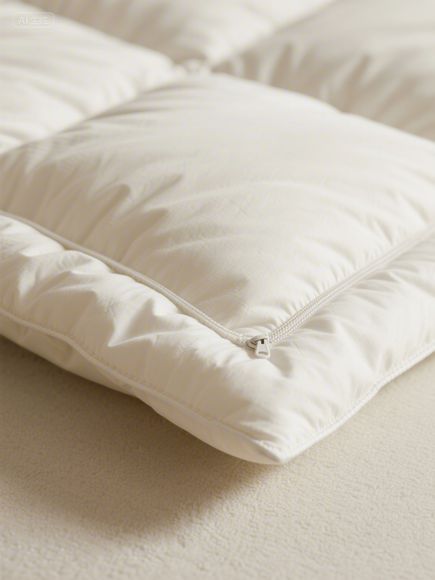
Imagine Sarah. She lives in a colder climate but also has a tendency to get hot during the night. She's also sensitive to dust mites. What does she do? Sarah decides on a high-quality wool duvet. The temperature regulation is perfect – she stays warm when it's freezing outside, but doesn't overheat. The natural properties also help keep her bed environment cleaner, reducing her allergy symptoms. She knows it's an investment, but the quality and longevity make it worth it. Alternatively, imagine Mark. He lives in a warmer region and just wants something soft, easy to care for, and cheap. He opts for a polyester fiber duvet. It's soft, keeps him warm enough for chilly nights, and he loves how easy it is to wash and dry without worrying about high heat settings or special care.
The Role of Quality and Brand (Introducing Jia Yu Textile Factory)
Now, regardless of whether you choose polyester or wool, the quality of the duvet makes a huge difference. This is where manufacturers like Jia Yu Textile Factory come into play. They specialize in producing high-quality polyester fiber filling and wool filling for duvets and other textile products.
When you choose products from Jia Yu, you're often getting:
- Superior Material: They source high-grade raw materials, ensuring the filling performs well (like excellent warmth for wool or consistent softness for polyester).
- Advanced Technology: They might use modern manufacturing techniques to minimize pilling in polyester or to enhance the natural properties of wool, like its temperature regulation or resilience.
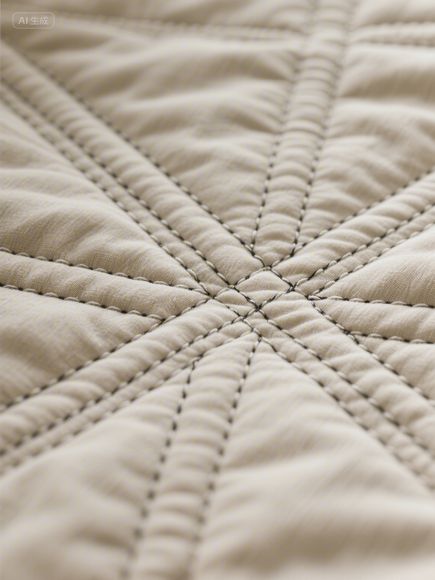
- Attention to Detail: This includes things like high-quality stitching, durable zippers, and sometimes even special treatments (like anti-bacterial or anti-static finishes) for their fillings and the final duvet product.
- Durability & Comfort: Their focus is often on creating products that are comfortable now and will remain so for many seasons, thanks to quality control and good manufacturing practices.
So, whether you're looking for a soft, easy-to-care-for synthetic option or the natural performance of wool, companies like Jia Yu Textile Factory provide the essential filling materials that go into the duvets you buy. They understand the importance of quality and work hard to deliver products that meet high standards.
Wrapping it Up
Choosing between a polyester fiber duvet and a wool duvet really boils down to your specific needs and preferences. Polyester is often the go-to for its affordability, softness, warmth, and ease of care. Wool offers superior temperature regulation, natural moisture-wicking, durability, and longevity, though it might come with a higher price tag and requires slightly more care.
Consider your climate, your body temperature, your budget, and any allergies you might have. Maybe even try out samples if you can! And remember, regardless of the filling, the quality of the final product is key. Manufacturers like Jia Yu Textile Factory play a vital role in producing the reliable, high-performance filling that makes these duvets possible.

So, go ahead, explore the options, think about what you need, and find the perfect bed companion that will keep you cozy and comfortable night after night!
Expanded Knowledge:
开场
Hello, I'm interested in discussing the various types of bedding materials - namely, the polyester fiber bedding and the wool bedding. These are both excellent choices for a comfortable night's sleep.
产品介绍
聚酯纤维被芯
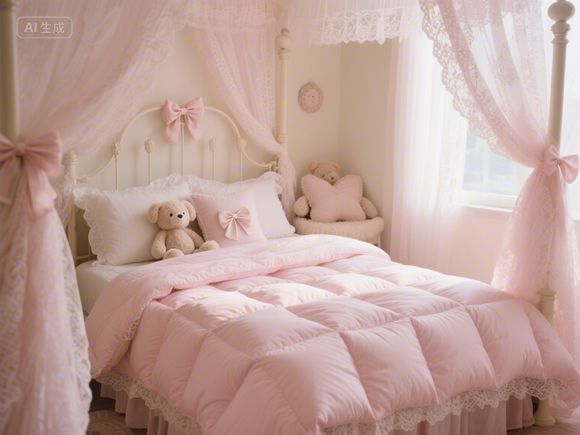
聚酯纤维被芯是一种由聚酯纤维制成的被芯,它具有许多优点,聚酯纤维被芯具有良好的保暖性能,能够提供舒适的睡眠环境,聚酯纤维被芯轻便且易于清洗,非常适合现代家居生活,聚酯纤维被芯还具有优良的抗皱性和抗过敏性能,能够保证被子的使用寿命。
表格补充说明:
| 特性 | 聚酯纤维被芯 |
|---|---|
| 材料类型 | 合成纤维 |
| 保暖性能 | 良好 |
| 轻便性 | 是 |
| 易清洗性 | 是 |
| 使用寿命 | 长 |
羊毛被芯
羊毛被芯是一种由羊毛制成的被芯,它具有天然的保暖性能和舒适感,羊毛被芯具有良好的吸湿性和透气性,能够保持被子的干爽和舒适,羊毛被芯还具有天然的抗菌和防螨虫性能,能够保证被子的健康和安全。
英文说明:
羊毛被芯以其天然的保暖性能和舒适感深受消费者喜爱,它具有良好的吸湿性和透气性,能够保持被子的干爽和舒适,羊毛被芯还具有天然的抗菌和防螨虫性能,能够保证被子的健康和安全,为睡眠者提供良好的睡眠环境。
产品优势介绍
佳羽纺织厂生产的聚酯纤维被芯和羊毛被芯在市场上具有显著的优势,以下是关于产品优势的英文介绍:
聚酯纤维被芯的优势:
- 高保暖性能:聚酯纤维被芯具有良好的保暖性能,能够为睡眠者提供舒适的睡眠环境。
- 轻便易洗:聚酯纤维被芯轻便且易于清洗,方便日常使用和维护。
- 长使用寿命:由于材料耐用,聚酯纤维被芯的使用寿命长,能够保证被子的使用寿命。
羊毛被芯的优势:

- 天然保暖性能:羊毛被芯具有天然的保暖性能,为睡眠者提供良好的睡眠环境。
- 健康安全:羊毛被芯具有天然的抗菌和防螨虫性能,保证被子的健康和安全。
- 舒适透气:羊毛被芯具有良好的吸湿性和透气性,为睡眠者提供舒适的睡眠体验。
案例说明
在实际生活中,许多消费者都选择使用聚酯纤维被芯和羊毛被芯作为他们的床上用品,在佳羽纺织厂,他们生产的高品质聚酯纤维被芯和羊毛被芯受到了广大消费者的喜爱和信赖,这些产品不仅具有良好的保暖性能、轻便易洗和使用寿命长的特点,还具有天然的舒适感和健康安全性能。
问答环节
Q1:您觉得聚酯纤维被芯和羊毛被芯在保暖性能方面有什么不同? A1:聚酯纤维被芯具有优良的保暖性能,能够为睡眠者提供舒适的睡眠环境,而羊毛被芯则具有天然的保暖性能和舒适感。
Q2:您更喜欢哪种类型的床上用品?为什么? A2:我个人更喜欢羊毛被芯,因为它具有天然的保暖性能和舒适感,它也具有抗菌和防螨虫的性能,为睡眠者的健康和安全提供了保障。
聚酯纤维被芯和羊毛被芯都是优质的床上用品选择,它们各自具有独特的优势,佳羽纺织厂生产的聚酯纤维被芯和羊毛被芯在市场上具有显著的优势,能够为消费者提供舒适的睡眠环境、良好的保暖性能、轻便易洗和使用寿命长的特点,在选择床上用品时,消费者可以根据自己的需求和喜好进行选择。