Choosing Your Perfect Bed:Polyester Fiber vs.Feather/Down Comforters
Which is better for your bed: polyester fiber or feather/down comforter? This guide compares the two. Polyester fiber offers hypoallergenic comfort, durability, and easy care, making it a budget-friendly option. Feather/down comforters provide a luxurious, soft feel and excellent warmth but require more maintenance and may not suit allergies. Consider your needs for comfort, care, and budget to choose the perfect bed companion.
Okay, let's talk about something most of us deal with every night, or at least think about: our bed comforters! More specifically, let's dive into the world of polyester fiber fill comforters and those classic feather and down alternatives. Deciding can feel overwhelming, especially with so many options out there. But fear not! We're going to break it down, compare the pros and cons, and maybe even throw in a bit about some specific manufacturers, like Jia Yu Textile Factory, to give you a well-rounded view. Ready? Let's get started.
So, What's the Deal with Polyester Fiber Fill?
First up, let's talk about the modern workhorse: polyester fiber fill. You might also hear it called synthetic fill. It's basically man-made fibers, often created from recycled plastic bottles! That's a plus for the environment, right? But let's focus on how it performs in your bed.
The Pros of Polyester Fiber Comforters
- Durability: Okay, let's be honest, feathers and down can sometimes lose their fluffiness over time, right? Polyester fiber fill is generally much more durable. It doesn't break down easily, so your comforter can last a really long time without needing replacement. Think less laundry list, more long-term comfort investment.
- Hypoallergenic: This is a big one for many people! If you or someone in your household suffers from allergies, dust mites, or sensitivities to natural materials, polyester is your friend. It doesn't trap allergens the way down or feathers do. It's often labeled as hypoallergenic, making it a great choice for bedrooms where health is a priority.
- Temperature Regulation: Down and feathers are fantastic insulators, which means they keep you warm, but sometimes too warm, especially in warmer climates or if you tend to sleep hot. Polyester fiber fill, however, tends to breathe better. It doesn't trap heat as aggressively, which can make for a more comfortable sleep if you're prone to overheating. Many polyester fills are also treated or designed to resist moisture, which can help regulate temperature further.
- Pilling Resistance: You know those annoying little balls of fabric that sometimes appear on clothes? Polyester comforters are generally less prone to pilling compared to some other synthetic or even down comforters. This means they maintain their look and feel for longer.
- Cost-Effectiveness: While high-quality down can be expensive, polyester fiber fill is often more budget-friendly. You can get a comfortable, durable, and allergy-friendly option without breaking the bank. Plus, its longevity means you won't need to replace it as often.
The Cons of Polyester Fiber Comforters
- Feel: Let's be real, some people just love the luxurious feel of down. Polyester can sometimes feel a bit less soft or "premium" to the touch initially. It might not have that same "pillowy" softness that down offers.
- Moisture Wicking: While it resists moisture, some argue that polyester doesn't absorb any moisture like natural fibers or down do. This can sometimes mean it feels a bit less comfortable if you sweat a lot during the night, although its breathability usually helps mitigate this.
- Ethical Concerns: For some, knowing it's entirely synthetic removes the ethical concerns sometimes associated with down (like sourcing from birds raised specifically for feathers).
Jia Yu Textile Factory: Polyester Fiber Fill Advantage
Now, let's talk about Jia Yu Textile Factory. They specialize in producing high-quality textile products, including polyester fiber fill comforters. Their advantage? They often focus on consistent quality and durability. Their polyester fibers are designed to maintain their shape and fluffiness wash after wash, ensuring your comforter stays looking and feeling great for years. They also emphasize hypoallergenic properties, making their products ideal for sensitive sleepers. Furthermore, Jia Yu might utilize advanced manufacturing techniques to enhance the temperature regulation of their polyester fills, aiming to provide a comfortable sleep experience even for those who sleep hot. They're positioning themselves as a reliable source for synthetic comfort that doesn't compromise on performance.
Now, Let's Explore Feather and Down Comforters
Feather and down comforters have been around for ages and for good reason. They offer a unique combination of warmth, softness, and fluffiness that many find incredibly luxurious.
The Pros of Feather/Down Comforters
- Luxurious Feel & Fluffiness: This is the main draw! Down (the soft undercoating of feathers) provides incredible warmth and a plush, soft feel. Feathers provide structure and loft, helping the comforter maintain its shape. Together, they create that cozy, "hug" feeling many associate with high-quality bedding.
- Excellent Insulation: Down is one of the best natural insulators. It traps air effectively, providing exceptional warmth, especially in colder climates. This means you can stay warm with less bedding.
- Natural Product: For those who prefer natural materials, feather and down come from birds (usually ducks or geese). While ethical sourcing is crucial, many brands now prioritize responsible practices.
- Breathability: While synthetic might be better for some, down itself is quite breathable. It allows air to circulate, which can be beneficial in moderate temperatures.
The Cons of Feather/Down Comforters
- Allergies & Dust Mites: This is the biggest drawback for many. Down and feathers can trap dust mites and other allergens. They also contain proteins that some people are allergic to. Regular washing and using allergen-proof covers are essential, but it's still a concern.
- Temperature Sensitivity: Because they are such great insulators, down comforters can sometimes feel too warm, especially in hot weather. They can also feel clammy if you sweat a lot.
- Durability & Care: Down comforters require special care. They need to be washed infrequently (every 6-12 months is often recommended) because down loses its loft with washing. Using a quality down-specific detergent and dryer setting is crucial. Feather comforters might need more frequent washing and can sometimes flatten or clump over time if not cared for properly.
- Ethical Concerns: As mentioned, the source of the feathers and down can be a concern for some consumers. Look for certifications if this is important to you.
Jia Yu Textile Factory: Feather/Down Fill Advantage
Jia Yu Textile Factory also likely produces feather and down comforters. Their potential advantage here might lie in quality control. They might have strict standards for sourcing high-quality down and feathers, ensuring minimal feather/clumping and maximum softness. They could focus on innovative filling techniques to help maintain the loft of down wash after wash, addressing one of the common concerns. Furthermore, they might offer warranty options for their down comforters, guaranteeing the fill power and performance.
Let's Compare Them Side by Side
Okay, let's put this information into a clearer format. Here's a quick comparison table covering key aspects:
| Feature | Polyester Fiber Fill Comforter | Feather/Down Comforter |
|---|---|---|
| Warmth | Good, consistent | Excellent, superior insulation |
| Hypoallergenic | Yes, generally | No, requires careful maintenance |
| Durability | High, resistant to breakdown | Moderate, requires proper care |
| Fluffiness/Softness | Moderate, consistent | High, very soft and plush |
| Temperature Reg | Generally better (less heat trapping) | Can feel warmer, may feel clammy |
| Allergen Concerns | Low | High, requires attention |
| Care Requirements | Standard machine wash, dry (check label) | Less frequent washing, special detergent/dryer |
| Cost Range | Often more budget-friendly | Can range from mid-range to very high-end |
| Ethical Concerns | None (synthetic) | Potential concerns (source of feathers/down) |
Okay, Wait a Minute! FAQs Time
Q: Which one is better for people who sleep very hot? A: Polyester fiber fill is generally the better choice here. It's designed to breathe better and doesn't trap heat as aggressively as down. Look for polyester comforters specifically advertised for temperature regulation or moisture-wicking properties.

Q: Are all polyester comforters the same? A: No! Quality varies significantly. Cheaper polyester might pique, lose shape, or feel cheap. Higher-quality polyester (like microfiber or high-density fiberfill) offers better durability, fluffiness, and temperature control. Manufacturers like Jia Yu focus on producing higher-grade polyester for better performance.
Q: How often should I wash my comforter, polyester or down? A: It depends! For polyester, follow the care label, but generally, every 6 months to a year is fine. For down, washing is less frequent (every 6-12 months or even less) to preserve the fill. Always use the correct detergent.
Q: What does "fill power" mean for down comforters? A: Fill power measures the quality of the down. It's measured in cubic inches per ounce. Higher fill power (e.g., 700+ or 800+) means the down is of higher quality, fluffier, and provides more warmth for its weight. Lower fill power (e.g., 500-600) is still usable but might not be as premium.
Q: Can I use a regular detergent for my down comforter? A: No! Using regular detergent can damage the down clusters and reduce fluffiness. You MUST use a high-quality down-specific detergent for feather and down comforters.
Real-World Scenarios: Case Studies
Case Study 1: The Allergy Sufferer Meet the Smith family. Their 8-year-old daughter has severe year-round allergies. They tried down comforters before but found they trapped dust and caused congestion. They switched to a high-quality polyester fiber fill comforter from a reputable manufacturer like Jia Yu. The difference was immediate. Their daughter sleeps better, and the family hasn't needed to use as many allergy medications. The comforter is durable, easy to wash, and provides sufficient warmth without the allergen issues.
Case Study 2: The Hot Sleeper Sarah lives in a warm climate and sleeps very hot. She always felt like her luxurious down comforter was making her night sweats worse. She switched to a polyester fiber fill comforter specifically marketed for temperature regulation. She noticed a significant difference – her sleep temperature was more stable, and she woke up less often drenched in sweat. The polyester comforter still felt cozy but wasn't an oven.
Wrapping It Up
Choosing between a polyester fiber fill comforter and a feather/down comforter really boils down to your personal needs and priorities.
-
Choose Polyester Fiber Fill if:
- You prioritize durability and longevity.
- You or someone in your household has allergies or sensitivities.
- You tend to sleep hot and need better temperature regulation.
- You want an eco-friendly (recycled content) and ethical option.
- You want a budget-friendly option that lasts.
-
Choose Feather/Down if:
- You desire the ultimate softness, warmth, and luxurious feel.
- You live in a consistently cold climate.
- You don't have allergies or sensitivities and are okay with proper maintenance.
- You prefer natural fill materials (ensure ethical sourcing).
Remember to always check the care labels and consider the fill power (for down) or quality grade (for polyester) when making your final decision. Both options have their place in the world of bedding, and with manufacturers like Jia Yu Textile Factory focusing on quality, you can find reliable options in both categories to suit your sleep needs. Happy snuggling!
Expanded Knowledge:
In today's world, where comfort and durability are paramount, the choice of insulation materials for bedding has become increasingly critical. Among the various options available, polyester fiber and feather fiber insulation stands out as particularly advantageous due to their unique properties and benefits. In this discussion, we will delve into the characteristics of these materials, explore their advantages, and provide practical examples that highlight their effectiveness in different scenarios.
The Composition and Characteristics of Polyester Fiber and Feather Fiber
Polyester fiber, often referred to as polyester, is a synthetic material made from petroleum products. It is known for its strength, durability, and resistance to wear and tear. This makes it an excellent choice for applications where durability and longevity are essential. On the other hand, feather fiber, derived from the feathers of birds, is a natural material known for its softness, lightness, and insulating properties. When processed into insulation, it offers a comfortable sleeping surface and excellent thermal insulation.
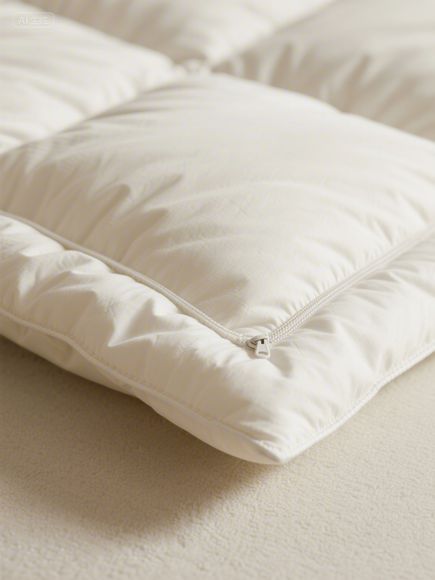
Advantages of Polyester Fiber Insulation
Polyester fiber insulation offers several advantages that make it a popular choice in the bedding industry:
- Durability: Polyester fibers are resistant to pilling, stretching, and shrinking, ensuring that the insulation maintains its shape and effectiveness over time.
- Moisture Resistance: It has a low moisture absorption rate, which means it can maintain its insulating properties even when exposed to moisture.
- Thermal Efficiency: Polyester fiber provides good thermal insulation, helping to keep the bed warm in cold weather and cool in hot conditions.
- Easy Maintenance: It is machine washable, making it convenient to clean and maintain.
- Cost-Effectiveness: Compared to other insulating materials, polyester fiber is generally more affordable, making it a budget-friendly option for both consumers and manufacturers.
Advantages of Feather Fiber Insulation
Feather fiber insulation, while more expensive than polyester, offers several unique benefits:
- Softness and Comfort: Feather fibers are known for their softness, providing a luxurious feel to the bed.
- Good Insulating Properties: Despite being lightweight, feather fibers offer excellent thermal insulation, helping to regulate body temperature.
- Breathability: Feathers are natural breathable materials, which can help regulate humidity levels in the bed, reducing discomfort during sleep.
- Eco-Friendly: Feather fibers are a sustainable choice, as they are derived from natural sources and can be recycled or repurposed.
- Aesthetic Appeal: The soft, fluffy texture of feather insulation adds an aesthetic value to the bed, making it a popular choice for those who prioritize both comfort and style.
Case Studies: The Benefits of Using Polyester Fiber and Feather Fiber Insulation
To further illustrate the advantages of polyester fiber and feather fiber insulation, let's explore some real-world case studies:
Case Study 1: Hotel床品绝缘选择
A well-known hotel chain decided to upgrade the insulation in its hotels' beds to improve guest comfort and reduce energy costs. After evaluating different options, they chose to use polyester fiber insulation for its durability and moisture resistance. The result was a significant reduction in the frequency of sheet replacements and a noticeable improvement in guest satisfaction. Additionally, the hotel saw a decrease in energy consumption due to the insulation's thermal efficiency, leading to cost savings.
Case Study 2: Homebedding Product Development
A home bedding manufacturer wanted to create a product that combined the best of both worlds: the durability of polyester fiber with the softness and insulating properties of feather fiber. They developed a line of duvets and pillows made from a blend of these materials. The result was a product that offered the comfort of feathers with the practicality and longevity of polyester. This innovative approach received positive feedback from consumers, indicating that there is demand for high-quality, versatile insulation materials.
Comparison Table: Polyester Fiber vs. Feather Fiber Insulation
| Property | Polyester Fiber Insulation | Feather Fiber Insulation |
|---|---|---|
| Durability | High resistance to pilling, stretching, and shrinking | Soft and gentle, but may require more care to maintain |
| Moisture Resistance | Low moisture absorption rate | High moisture absorption rate |
| Thermal Efficiency | Good thermal insulation | Excellent thermal insulation |
| Maintenance | Machine washable | Requires special cleaning processes |
| Cost-Effectiveness | More affordable | More expensive |
| Softness | Less soft | Very soft |
| Aesthetic Appeal | Modern and practical | Luxurious and natural |
FAQs about Polyester Fiber and Feather Fiber Insulation
Q: Can polyester fiber insulation be washed? Yes, polyester fiber insulation is machine washable. However, it is important to follow the manufacturer's care instructions to avoid damaging the fibers.
Q: How does feather fiber insulation compare to polyester in terms of warmth? Feather fiber insulation provides excellent thermal insulation, often comparable to or better than polyester. However, the effectiveness can vary depending on the specific type and quality of the insulation.
Q: Are feather fiber insulation eco-friendly? Yes, feather fiber insulation is considered eco-friendly as it is derived from natural sources and can be recycled or repurposed.
Q: How does the cost of feather fiber insulation compare to polyester? Feather fiber insulation is generally more expensive than polyester due to the cost of sourcing and processing natural feathers. However, it offers unique benefits that may justify the higher cost for some consumers.
Conclusion
In conclusion, both polyester fiber and feather fiber insulation have their own unique advantages that make them suitable for different applications. Polyester fiber offers durability, moisture resistance, and cost-effectiveness, making it an ideal choice for commercial and industrial use. Feather fiber insulation, with its softness, insulating properties, and eco-friendliness, provides a luxurious and comfortable option for residential use.
Ultimately, the choice between polyester fiber and feather fiber insulation depends on the specific needs and preferences of the consumer or application. By understanding the characteristics and benefits of each material, consumers can make informed decisions that best meet their requirements.
As the demand for high-quality insulation materials continues to grow, it is likely that we will see more innovative products that combine the best of both worlds, offering the best of both durability and comfort. Until then, polyester fiber and feather fiber insulation remain popular and effective choices for ensuring a comfortable and energy-efficient sleeping experience.



