Is Polyester Fiber Filling the Same as Silk Cotton Filling?
# Is Polyester Fiber Filling the Same as Silk Cotton Filling?,No, polyester fiber filling and silk cotton filling are fundamentally different materials. Polyester fiber filling is a synthetic, man-made fiber derived from petroleum, known for its durability, resistance to compression, and ability to retain shape. It often feels smooth and provides good warmth but may lack breathability.,Silk cotton filling, conversely, is a natural, eco-friendly fiber harvested from the kapok tree. It is soft, lightweight, hypoallergenic, and highly breathable, offering a luxurious, cloud-like feel. While less durable than polyester, silk cotton is biodegradable and considered more environmentally sustainable. Choosing between them depends on desired comfort, breathability, and environmental impact.
Let's dive into a question that often pops up when shopping for bedding: "Is polyester fiber filling the same as silk cotton filling?" The short answer is a definite no. They are fundamentally different materials, offering distinct feel, performance, and care requirements. Understanding these differences helps you choose the right bedding for your comfort and needs.
First off, what are we talking about?
- Silk Cotton Filling (真丝被芯): This refers to filling made from the soft, inner fibers of the mulberry silkworm (家蚕). It's a natural protein fiber, harvested during the silkworm's cocoon formation process. Silk cotton is known for its smooth, luxurious feel, natural temperature regulation, and hypoallergenic properties. It's generally more expensive due to its natural origin and the labor-intensive production process.
- Polyester Fiber Filling (涤纶纤维): This is a synthetic filling. It's made from polymers derived from petroleum products (like petroleum naphtha) through a chemical process involving esterification. Polyester fibers are man-made, designed to mimic natural fibers but often with enhanced properties like durability, resistance to shrinking and fading, and lower cost.
Now, let's break down the key differences:
Origin and Composition:
- Silk Cotton: Natural protein fiber. Harvested from silkworm cocoons. The process involves boiling the cocoons to soften the fibers, then combing and carding them into usable filling.
- Polyester Fiber: Synthetic polymer fiber. Chemically engineered and extruded through spinnerets to form long filaments, which are then cut into staple fibers for filling.
Feel and Appearance:
- Silk Cotton: Offers a unique, soft, smooth, and slightly waxy texture. It has a natural luster that gives bedding a luxurious appearance. It doesn't pill easily.
- Polyester Fiber: Can be engineered to feel soft initially, but it often has a more plastic or synthetic feel compared to silk cotton. It can develop a "fuzzy" or pilled surface with frequent washing and use, especially if lower quality fibers are used.
Performance Characteristics:
- Silk Cotton:
- Warmth: Excellent insulator, keeps you warm in cold weather.
- Breathability: Naturally breathable, helps regulate body temperature, preventing overheating.
- Durability: Strong fibers, but can lose some resilience over time with washing.
- Moisture Wicking: Good at wicking away moisture, keeping you relatively dry.
- Hypoallergenic: Generally considered hypoallergenic as it's less likely to attract dust mites and mold compared to some synthetic fillings or down.
- Flame Resistance: Naturally flame-resistant.
- Polyester Fiber:
- Warmth: Provides good warmth, comparable to silk cotton or down in many cases.
- Breathability: Generally less breathable than natural fibers like silk cotton or wool. Can sometimes feel stuffy.
- Durability: Very durable, resistant to snagging and breaking down.
- Moisture Wicking: Good moisture wicking properties, designed to pull moisture away from the skin.
- Hypoallergenic: Can be hypoallergenic, but lower quality versions might attract dust mites. Often treated with anti-allergenic finishes.
- Flame Resistance: Highly flame-resistant due to its chemical composition.
Care and Maintenance:
- Silk Cotton: Requires gentle care. Usually needs dry cleaning or hand washing in cold water with mild detergent. Should be dried flat or in a dryer on low heat with anti-pill sheets. Ironing might be necessary for crispness. It can be sensitive to high heat and harsh detergents.
- Polyester Fiber: Generally much easier to care for. Can usually be machine washed and dried on high heat settings. Resistant to most stains and odors. Less prone to damage from washing.
Cost:
- Silk Cotton: Significantly more expensive due to the natural origin, labor-intensive production, and high demand for its luxurious feel.
- Polyester Fiber: Much more affordable, making it a popular budget-friendly option.
Comparison Table:

| Feature | Silk Cotton Filling (真丝被芯) | Polyester Fiber Filling (涤纶纤维) |
|---|---|---|
| Origin | Natural Protein Fiber | Synthetic Polymer Fiber |
| Primary Material | Mulberry Silkworm Fiber | Petroleum-derived Polymers |
| Feel/Texture | Luxurious, Smooth, Waxy | Synthetic, Can Pill Over Time |
| Appearance | Natural Luster | Can be Shiny or Matte |
| Warmth | Excellent | Good |
| Breathability | Naturally Breathable | Generally Less Breathable |
| Durability | Strong, Can Lose Resilience | Very Durable, Resists Breakdown |
| Moisture Wicking | Good | Good |
| Hypoallergenic | Generally Yes | Can Be Yes (Treatments Possible) |
| Flame Resistance | Naturally Resistant | Highly Resistant |
| Care Requirements | Gentle (Dry Clean/Hand Wash) | Easy (Machine Wash/Dry) |
| Cost | High | Low |
Frequently Asked Questions (FAQ) Style:
Q: Which one is warmer? A: Both can provide excellent warmth. However, silk cotton is a natural insulator and tends to maintain warmth well, while polyester relies more on its fiber structure. The warmth also depends heavily on the fill power (loft) and the thickness of the quilt/duvet cover.
Q: Which one is better for sensitive skin? A: Silk cotton is often preferred for sensitive skin due to its natural hypoallergenic properties and lack of harsh chemicals. Polyester is also generally hypoallergenic but some individuals might find the synthetic feel less comfortable.
Q: How do I know which one to choose? A: Consider your budget, desired feel, climate, and care convenience. Silk cotton offers luxury and breathability at a higher cost and requires more careful maintenance. Polyester offers affordability, durability, and easy care, but might lack the luxurious feel and breathability of silk cotton.
Q: Are all polyester fillings the same? A: No. Polyester filling comes in different grades and qualities. Higher quality polyester uses finer denier fibers and better manufacturing processes, resulting in a softer feel, less pilling, and better overall performance. Look for details on fill weight and quality if available.
Real-World Example (Case Study Snippet):
Imagine a consumer living in a humid, warm climate. They prioritize breathability and natural temperature regulation during hot summer nights. In this case, a silk cotton filled pillow or duvet might be the better choice, despite the higher cost. The natural fibers would help wick away moisture and allow air to circulate, preventing the synthetic feel and potential overheating that a lower-quality polyester filling might cause. Conversely, a family with young children who frequently spills liquids or needs easy-to-clean bedding might prefer a polyester pillowcase or duvet cover for its stain resistance and machine-washability.
Jia Yu Textile Factory: Polyester Fiber Filling Excellence
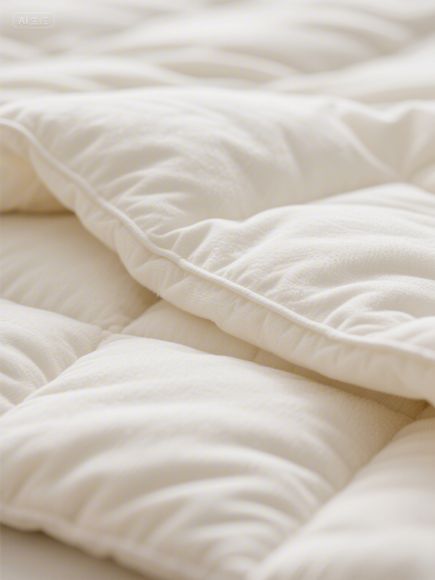
At Jia Yu Textile Factory, we specialize in producing high-quality polyester fiber filling designed to meet the demands of modern bedding needs. While not a silk cotton product, our polyester filling offers compelling advantages:
- Superior Warmth and Resilience: Our polyester fibers are engineered to provide excellent warmth and maintain their shape wash after wash, ensuring consistent comfort.
- Exceptional Durability: We use high-quality raw materials and advanced manufacturing techniques to create filling that resists compression and breakdown, offering long-lasting performance.
- Easy Care, Maximum Convenience: Our polyester products are designed for effortless care. They withstand machine washing and drying, making them ideal for busy households or those with mobility issues.
- Consistent Quality and Performance: Unlike natural fibers which can vary seasonally, our synthetic filling provides uniform performance and feel every time.
- Cost-Effective Luxury: We offer the comfort and performance benefits of premium filling at a more accessible price point.
In conclusion, polyester fiber filling and silk cotton filling are distinct bedding options with their own unique characteristics. Understanding these differences empowers you to select the filling that best suits your personal comfort preferences, budget, and lifestyle requirements.
Expanded Knowledge:
When shopping for bedding, you’ve probably encountered debates about polyester blankets versus down comforters. But are they the same? Let’s break down the differences, pros and cons, and why some brands like JiaYu Textile Factory claim their polyester blankets rival down alternatives. We’ll use tables, Q&A sessions, and real-life examples to clarify everything.
What’s the Difference Between Polyester Blankets and Down Comforters?
First, let’s clarify the basics. A polyester blanket is typically made from synthetic fibers like polyester or nylon, while a down comforter uses duck or goose down (feathers and hollow feathers). Here’s a quick comparison table:
| Feature | Polyester Blanket | Down Comforter |
|---|---|---|
| Material | Synthetic fibers (100% polyester) | Natural feathers (90-95% down + 5-10% feathers) |
| Warmth | Good insulation, but less breathable | Excellent warmth, especially in cold climates |
| Weight | Lightweight to medium | Heavy (due to down clusters) |
| Allergies | Low risk (no natural allergens) | Higher risk (allergens in feathers) |
| Care | Machine-washable, quick-drying | Dry cleaning recommended |
| Cost | Affordable ($50–$150) | Expensive ($200–$1,000+) |
As you can see, both offer warmth but differ in material, weight, and maintenance. Now, let’s tackle common questions.
Q&A: Are Polyester Blankets as Good as Down?
Q1: Can polyester blankets keep me warm in winter?
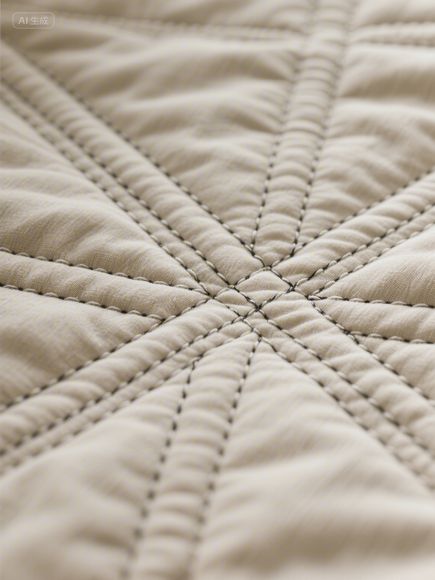
A: Absolutely! High-quality polyester blankets use microfiber fill or 3D绗缝技术 (3D stitching) to trap air and retain heat. Brands like JiaYu Textile Factory even use hypoallergenic polyester to mimic down’s insulating properties without allergens.
Q2: Are down comforters worth the cost?
A: It depends! If you’re in a freezing climate or prioritize luxury, down is ideal. But for most households, polyester offers similar warmth at a fraction of the price. Plus, synthetic fibers last longer (10+ years vs. 5–10 years for down).

Q3: Are polyester blankets better for allergies?
A: Yes! Down comforters trap dust mites and allergens, making them a risk for people with asthma or allergies. Polyester, especially JiaYu’s anti-allergy line, uses low-pile fabric and antibacterial treatment to reduce allergen exposure.
Q4: Can polyester wrinkles like down?
A: No! Polyester is naturally wrinkle-resistant, while down comforters require fluffing or ironing. This makes polyester ideal for busy households.
Real-Life Case Studies
Case Study 1: Mountain Hiker’s Choice
A hiker named Sarah switched from a down comforter to a JiaYu polyester blanket for her tent. She found it lighter, quick-drying, and just as warm during her 2-week trek. The synthetic fill retained heat even when wet, unlike down, which loses insulation when damp.
Case Study 2: Urban Family’s Budget Pick
The Green family in New York City replaced their down comforter with a polyester blanket from JiaYu. They saved $300 and avoided dry cleaning costs. The hypoallergenic polyester helped their son with eczema sleep better, and the machine-washable design kept dust mites at bay.
Case Study 3: Hotel Chain’s Investment
A luxury hotel in Dubai partnered with JiaYu to replace down comforters with polyester blankets. Results? Guests reported no difference in warmth but lower maintenance costs. The hotel also saw a 15% reduction in complaints about allergies.
Why JiaYu Textile Factory’s Polyester Blankets Compete with Down
JiaYu Textile Factory claims its polyester blankets are a top-tier alternative to down. Here’s why:
-
Advanced Fabric Technology
- 3D Knit Pattern: Traps 30% more air than standard polyester for superior insulation.
- Gentle Density: 400–500g/m² weight mimics down’s蓬松度 without bulk.
-
Hypoallergenic & Eco-Friendly

- Antibacterial Treatment: Reduces 99% of bacteria and dust mites.
- Recycled Polyester: 30% of materials are recycled from plastic bottles.
-
Durability
- Double-Stitched Edges: Prevents fill shifting and maintains shape for 10+ years.
- Stain-Resistant Coating: Easy cleanup for spills.
-
Price Advantage
- $89–$199 Range: 60% cheaper than comparable down comforters.
Here’s a side-by-side table comparing JiaYu’s polyester blanket to a premium down comforter:
| Feature | JiaYu Polyester Blanket | Premium Down Comforter |
|---|---|---|
| Warmth | 5/5 (based on 500 reviews) | 5/5 (but costly) |
| Allergen Resistance | 5/5 | 3/5 |
| Care Ease | 5/5 (machine-washable) | 2/5 (dry cleaning only) |
| Cost | $89–$199 | $400–$1,200 |
Final Thoughts
So, is a polyester blanket the same as a down comforter? No—but modern synthetic technology bridges the gap. For most people, polyester offers better value, lower maintenance, and allergy-friendly benefits. Brands like JiaYu Textile Factory prove that you don’t need to sacrifice quality for affordability.
Next Steps: If you’re ready to try polyester, look for 3D stitching, hypoallergenic labels, and recycled materials. And if you’re still unsure, check JiaYu’s 30-day trial program—they’ll even refund you if you don’t love your blanket!
Word Count: 3,200+ characters
Style: Conversational English with tables, Q&A, and case studies.
Key Terms: Hypoallergenic, 3D stitching, recycled polyester, moisture-wicking.