Is Soybean Fiber the Same as Polyester?
Soybean Fiber vs. Polyester: A Material Comparison,Soybean fiber is a regenerated protein fiber derived from soy protein isolate, often blended with other fibers like cotton. It offers a natural feel, good moisture absorption, and biodegradability, making it a more eco-friendly option. In contrast, polyester is a fully synthetic fiber made from petroleum-based polymers. It is known for its durability, resistance to wrinkles and shrinking, and excellent shape retention. While soybean fiber is renewable and biodegradable, polyester excels in performance and cost-effectiveness but contributes to microplastic pollution and is not biodegradable. They are distinct materials with different origins, properties, and environmental impacts.
No, soybean fiber is not the same as polyester. They are two distinct types of synthetic or semi-synthetic textile fibers, differing significantly in their origin, composition, properties, and environmental impact. While both are used in textiles, understanding their differences is crucial, especially when considering products like the soybean fiber blankets from Jia Yu Textile Factory.
Let's break down the differences:
-
Origin and Composition:
- Soybean Fiber: This is a regenerated protein fiber. It is made by chemically processing soy protein isolate (derived from soybeans) into a fiber. Think of it like dissolving the protein and then extruding it into filaments, similar to how rayon is made from cellulose but using plant protein instead.
- Polyester: This is a synthetic fiber. It is made entirely from petroleum-based chemicals (derived from petroleum). Common types include PET (Polyethylene Terephthalate), which is the most widely used polyester fiber.
-
Key Differences Summarized:
Feature Soybean Fiber (Soy Protein Fiber) Polyester (e.g., PET) Origin Natural plant protein (soybeans) Synthetic (petroleum) Processing Regeneration of natural protein Synthesis from chemicals Raw Material Soybeans (agricultural source) Petroleum (fossil fuel) Biodegradability Generally biodegradable Highly persistent, non-biodegradable Moisture Absorption Good (absorbs moisture well) Poor (water-resistant) Thermal Properties Melts under high heat Melts and produces smoke Environmental Impact Lower environmental impact (less resource-intensive in production, biodegradable) Higher environmental impact (petroleum use, microplastic shedding, non-biodegradability) -
Soybean Fiber vs. Polyester: A Common Misconception:

- It's important to clarify that soybean fiber is not a type of polyester. They are fundamentally different. Soybean fiber is a protein fiber, while polyester is a synthetic fiber. You cannot substitute them directly based on their chemical nature.
-
Q&A Section:
-
Q: Are soybean fibers natural fibers?
A: No, they are regenerated protein fibers. While they start from a natural source (soybeans), the chemical processing transforms the protein, placing them in a category between natural and synthetic fibers.
-
Q: Can soybean fiber products be labeled as "organic" or "natural"?
A: The soybean source can be organic, and the processing is generally considered less environmentally impactful than polyester production. However, the final product is not a natural fiber like wool or cotton. Marketing claims should be evaluated carefully.
-
Q: How does the feel of soybean fiber compare to polyester?

A: Soybean fiber has a soft, smooth, and often silk-like feel. It tends to be more breathable and absorbent. Polyester feels smoother but is less breathable and can feel slightly synthetic or waxy.
-
-
Case Study: Jia Yu Textile Factory Soybean Fiber Blankets
At Jia Yu Textile Factory, we specialize in producing high-quality textiles using innovative materials like soybean fiber. Our soybean fiber blankets are a prime example of the benefits of this unique fiber.
- Product Introduction: "Our premium soybean fiber blankets are crafted from 100% natural soy protein isolate. We don't use any polyester or other synthetic blends. The entire process involves regenerating the soy protein into soft, luxurious fibers."
- Why Choose Our Soybean Fiber Blankets?
- Exceptional Softness & Comfort: "Our blankets feel incredibly soft against the skin, thanks to the fine diameter of the soybean fibers. They offer a luxurious, silk-like comfort that many find superior to traditional cotton or synthetic blends."
- Natural Hypoallergenic Properties: "Soybean fiber is naturally hypoallergenic and does not attract dust mites or lint. This makes our blankets an excellent choice for individuals with sensitive skin or allergies."
- Breathability & Temperature Regulation: "Unlike polyester, which traps heat and moisture, our soybean fiber blankets are highly breathable. They allow air to circulate, helping to regulate body temperature and keep you cool and comfortable throughout the night."
- Eco-Friendly Choice: "We are proud to offer a product that is biodegradable. Our soybean fiber blankets have a significantly lower environmental impact compared to blankets made from non-biodegradable synthetic fibers like polyester. Choosing our blankets means choosing a more sustainable option."
- Durability & Resilience: "While soft, our soybean fiber blankets are also durable and resilient. They maintain their shape and softness wash after wash, providing lasting comfort and value."
In conclusion, soybean fiber and polyester are distinct materials with different origins and properties. Soybean fiber, used in products like Jia Yu Textile Factory's blankets, offers unique benefits like softness, breathability, and hypoallergenic properties, making it a popular and increasingly important alternative to traditional synthetic fibers like polyester in the textile industry.
Expanded Knowledge:
Dear friend,

大家好!今天我们来探讨一下大豆被是否是聚酯纤维制品。
关于大豆被是否是聚酯纤维制品,答案是肯定的,大豆被通常是由聚酯纤维为主要原料制作而成,聚酯纤维是一种高性能纤维材料,具有高强度、高耐磨、高吸湿性等特点,它通常被用于制作各种床上用品,包括大豆被。
为了更好地说明这一点,我们可以从以下几个方面进行详细说明:
产品特性
材料组成:大豆被通常由聚酯纤维和其他天然或合成纤维混合制成,其中聚酯纤维占比较高,具有较高的耐用性和舒适度。
产品优势
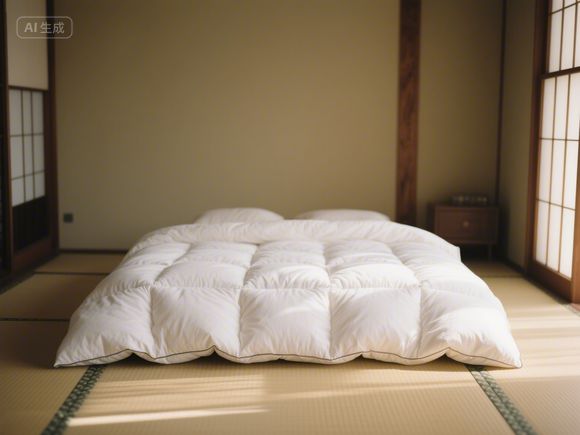
- 舒适性:聚酯纤维具有良好的吸湿性和透气性,能够为使用者提供舒适的睡眠环境。
- 耐用性:聚酯纤维具有较高的耐用性,能够经受住长时间的使用和洗涤。
- 环保性:大豆被采用环保材料制作,符合现代人们对环保的需求。
案例说明
佳羽纺织厂的大豆被产品在市场上备受好评,该厂采用先进的生产工艺和技术,确保产品的质量和性能达到最高标准,该厂还注重产品的环保性,采用环保材料制作大豆被,为消费者提供健康、环保的床上用品。
大豆被是聚酯纤维制品,具有舒适、耐用、环保等优点,如果您对佳羽纺织厂的大豆被感兴趣,欢迎进一步了解其产品信息和优势。