Is Your Winter Cozy Made of Polyester?Lets Get the Facts Straight!
This article examines polyester's role in creating cozy winter clothing. While polyester provides excellent warmth and moisture-wicking properties, essential for comfort in cold weather, concerns exist regarding its environmental impact and potential for skin sensitivity. The piece aims to clarify these points, offering a balanced view on whether polyester is the right choice for your winter comfort, encouraging informed decisions about fabric selection.
Alright, let's talk about something that keeps us warm and comfy, especially during those chilly winter nights – our bed covers! More specifically, let's dive into the world of winter bed covers, or duvets, and figure out: Is your winter bed cover likely made of polyester?
The short answer is: Yes, polyester is a very common material used in the filling of winter bed covers, especially budget-friendly and synthetic ones. But before we jump to conclusions, let's unpack what polyester is, why it's used, and explore the other options available.
What Exactly is Polyester?
Think of polyester as a type of synthetic fiber. Unlike natural fibers like cotton or wool, which come from plants or animals, polyester is man-made. It's created through a chemical process involving petroleum byproducts. The most common type you'll encounter in bedding is polyester fiberfill.
This fiberfill is essentially tiny, fluffy filaments that trap air, providing excellent insulation. It's what gives duvets and comforters their puffy, warm feel.
Why is Polyester So Popular for Winter Bed Covers?
Okay, so if it's common, there must be good reasons! Here's why polyester often makes its way into winter bed covers:
- Affordability: Polyester is generally less expensive to produce than natural fibers like down (feathers) or high-quality wool. This often translates to more affordable bedding options for consumers.
- Warmth: Polyester is a good insulator. It traps air effectively, keeping you warm even in cold temperatures. Its synthetic nature means it doesn't compress easily, maintaining its loft (puffiness) over time.
- Durability & Resilience: Polyester fibers are strong and resistant to wear and tear. They don't mildew easily and can withstand washing and drying quite well, making them durable for everyday use.
- Hypoallergenic Properties: Since it's synthetic, polyester doesn't trap dust mites, pollen, or other common allergens as readily as some natural fibers (like feathers or certain types of wool). This makes it a good option for people with allergies.
- Drying Time: Polyester dries relatively quickly after washing, which is a plus for anyone who doesn't want their bed cover taking up valuable drying space.
- Variety of Weaves & Colors: Polyester can be manufactured in a wide range of textures, weights, and colors, allowing for diverse design possibilities in bedding.
But Wait, Isn't There a Downside?
While polyester has many advantages, it's not without its drawbacks, especially compared to natural fibers:
- Breathability: This is often considered the main disadvantage. Polyester is less breathable than natural fibers like cotton or wool. It doesn't wick moisture away from the body as effectively, which can sometimes lead to a feeling of stuffiness or overheating, especially during warmer nights or in very humid climates.
- Environmental Concerns: As a petroleum-based product, the production of polyester involves non-renewable resources and can have a larger environmental footprint. Its production also releases microplastics during washing, which can end up in waterways.
- Lack of 'Natural' Feel: Some people simply prefer the feel and aesthetic of natural fibers, finding them softer, more luxurious, and 'happier' to sleep on.
So, Is Your Winter Bed Cover Definitely Polyester?
Given its popularity, affordability, and performance characteristics, yes, a significant portion, if not the majority, of budget and mid-range winter bed covers are likely filled with polyester fiberfill. You'll often find it in travel pillows, budget duvets, and synthetic comforters.
However, it's not the only game in town. Let's compare the common filling materials:
| Material | Source/Origin | Key Advantages | Key Disadvantages | Common Uses |
|---|---|---|---|---|
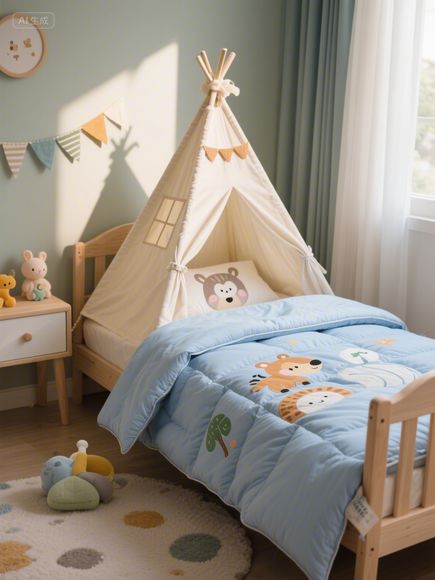
| Polyester | Synthetic (Petroleum-based) | Affordable, Warm, Durable, Hypoallergenic, Quick-dry | Less Breathable, Environmental Impact, Less Luxurious | Budget Duvets, Comforters, Travel Pillows, Kids' Bedding |
| Down (Feathers) | Animal (Geese, Ducks) | Exceptionally Warm, Lightweight, Naturally Breathable | Expensive, Prone to Allergens, Less Durable, Pilling | Luxury Duvets, High-End Bedding, Down Pillows |
| Wool | Animal (Sheep) | Excellent Insulator (Temperature Regulation), Natural, Hypoallergenic | Can Be Itchy (depending on quality/processing), Pilling, Higher Cost | Bed Blankets, Duvets (especially for colder climates) |
| Cotton | Plant (Bolls) | Natural, Breathable, Soft, Easy to Care | Not as Warm as Synthetic/Duck Down, Can Clump, Bulky | Summer Bedding, Light Duvets, Mattress Pads |
| Silk | Animal (Silkworm Cocoons) | Luxurious Feel, Temperature Regulating, Hypoallergenic | Expensive, Delicate Care Required, Potential Allergens for some | Luxury Bedding, Allergy Sufferers, Summer Use |
Let's Answer Some Common Questions
Q: My duvet feels very warm and puffy. Does that definitely mean it's polyester? A: Not necessarily. While polyester is warm and puffy, so are high-quality synthetic blends or even down. The warmth can also depend on the fill power (for down/polyester) and the weight of the duvet. However, if it's a budget option, polyester is a strong possibility.
Q: Can polyester bed covers be washed? A: Absolutely! Polyester is generally very easy to care for. It can usually be machine washed (check the label!) and dried on high heat without shrinking or significant damage. It's resistant to wrinkles.
Q: Are all polyester bed covers bad because they aren't breathable? A: Not necessarily. Breathability is relative. While polyester isn't as breathable as cotton or wool, modern blends often incorporate natural fibers (like cotton or bamboo) with polyester to offer a balance between warmth and breathability. Look for labels indicating blends if breathability is a top priority.
Q: What about the fluffiness? Polyester loses its puff over time, right? A: Compared to down, pure polyester can sometimes flatten slightly with use and washing, but it generally maintains its shape much better than feathers. High-quality polyester fibers are designed to be resilient.
Exploring the World of Bedding Fills: Beyond Polyester
While polyester is a workhorse, the bedding world offers more. Down (duck or goose feathers) offers unparalleled warmth-to-weight ratio and natural breathability, but comes with a higher price tag and potential allergy concerns. Wool provides excellent temperature regulation, especially in colder climates, but can be itchy for some and requires careful handling. Cotton is a natural, breathable option but is generally less insulating than synthetic fills or down. Silk offers luxury and breathability but is also a premium choice.
The Case for Jia Yu Textile Factory: Are Their Winter Bed Covers Polyester-Based?
Now, let's address the specific query about Jia Yu Textile Factory. As a textile manufacturer, they could potentially produce bed covers using various filling materials, including polyester. However, without specific product information from Jia Yu, we can't definitively state that all their winter bed covers are polyester.
It's crucial to check the product labels or specifications provided by Jia Yu or the retailer. They might offer a range of options, including:
- Pure Polyester: Likely their most budget-friendly and durable option.
- Polyester Blends: Combining polyester with cotton, bamboo, or other fibers to balance cost, warmth, and breathability.
- Down or Feather Fills: For their premium or warmer-season collections.
- Wool Fills: Possibly for colder-weather or specialized products.
What Makes Jia Yu Textile Factory's Bedding Stand Out (Assuming Quality Products)
If Jia Yu Textile Factory is known for producing quality bedding, they might emphasize certain advantages in their products, potentially including those made with polyester or other synthetic fills:
- Superior Quality Polyester: They might use high-grade polyester fibers that offer better resilience, fluff retention, and feel compared to lower-quality versions.
- Enhanced Durability: Their manufacturing process might ensure the filling lasts longer through repeated washing and use.
- Effective Insulation: Even within polyester, different grades offer varying levels of warmth. Jia Yu might market products with specific warmth ratings.
- Care Instructions: They might provide clear, easy care instructions, highlighting the washability and longevity of their synthetic fills.
- Consistency: Large manufacturers like Jia Yu often have the capacity for consistent quality control, ensuring that each duvet meets certain standards regarding fill weight and performance.
- Environmental Considerations (Potentially): Some manufacturers now focus on using recycled polyester (rPET) derived from plastic bottles, reducing environmental impact. If Jia Yu promotes this, it adds value.
The Verdict: Polyester in Winter Bedding
To sum up, yes, polyester is a very common and practical filling for winter bed covers due to its warmth, durability, affordability, and ease of care. It's a go-to material for many manufacturers, including potential operations like Jia Yu Textile Factory, especially for budget-conscious consumers.
However, the bedding market offers diverse choices. The best fill for you depends on your budget, climate, personal comfort preferences (especially regarding breathability), and any specific needs like allergies. Always check the product label to know exactly what you're buying. Whether it's polyester or another material from a specific factory, understanding the fill is key to finding the perfect cozy companion for your winter nights.
Expanded Knowledge:
Introduction
When it comes to staying warm and cozy during the chilly winter months, a good quilt can make all the difference. But what about the core of that quilt – is it made of polyester fiber? In this article, we'll delve into this question and explore the facts, along with some insights into the benefits of polyester fiber in winter quilts.
Understanding Polyester Fiber
To answer the question at hand, let's first understand what polyester fiber is. Polyester fiber, commonly known as polyester, is a type of synthetic fiber that is widely used in various clothing materials, textiles, and other products due to its durability, ease of care, and cost-effectiveness.
Is the Core of Winter Quilts Made of Polyester?
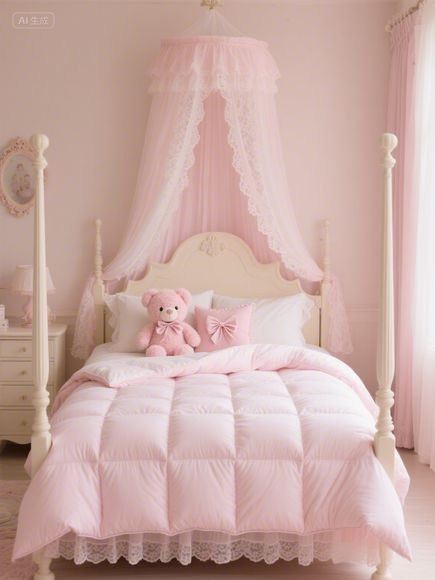
Now, the next question that arises is whether the core of winter quilts is made of polyester fiber. The answer is yes, it can be. Many winter quilts are designed with polyester fiber as the core material for several reasons:
-
Durability: Polyester fiber is known for its strength and durability, which makes it ideal for use in quilt cores. It can withstand the wear and tear that often comes with frequent use and washing.
-
Thermal Insulation: Polyester fiber has good thermal insulation properties, which helps to keep the quilt warm during the cold winter months. This makes it a popular choice for creating cozy and comfortable quilts.
-
Lightweight: Despite its durability and insulating properties, polyester fiber is also lightweight, making it easy to handle and drape. This is particularly important when assembling quilts that require a delicate touch.
-
Cost-Effectiveness: Polyester fiber is relatively inexpensive compared to other synthetic fibers like nylon or cotton. This makes it a cost-effective choice for manufacturers, allowing them to produce high-quality winter quilts at a reasonable price.
Advantages of Polyester Fiber in Winter Quilts
Now that we know that polyester fiber can be used in the core of winter quilts, let's explore some of the advantages this brings to the table:
-
Enhanced Warmth: The combination of polyester fiber's thermal insulation properties and the layering effect of the quilt can significantly enhance the overall warmth of the quilt. This is especially important for individuals who suffer from cold feet or other parts of the body during winter.
-
Longevity: The durability of polyester fiber means that the quilt core will hold up well over time, even with frequent use and washing. This extends the lifespan of the quilt and ensures that it remains a cherished item year after year.
-
Ease of Care: Polyester fiber is easy to clean and maintain, making it convenient for quilters to keep their quilts in top condition. It can be machine washed without losing its shape or color, ensuring that the quilt remains fresh and ready for use.
-
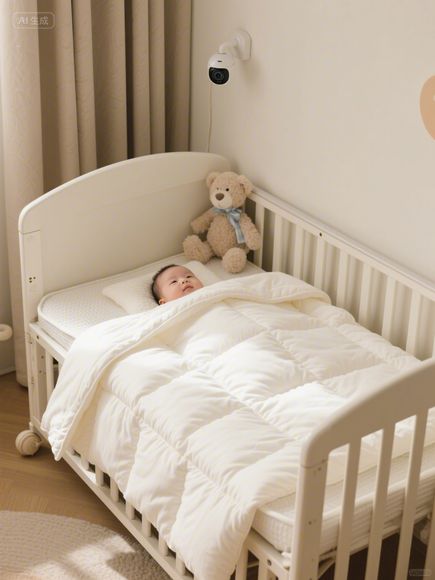
Versatility: Polyester fiber can be blended with other fibers like cotton or wool to create a variety of textures and feel. This versatility allows quilters to experiment with different designs and patterns, resulting in a wide range of cozy and stylish winter quilts.
Case Study: The Benefits of Polyester Fiber in Winter Quilts
To further illustrate the benefits of polyester fiber in winter quilts, let's look at a practical example. Imagine a quilter who frequently travels during the winter months. She needs a comfortable and warm quilt to keep her cozy while on the go. By using a quilt core made of polyester fiber, she can enjoy the following advantages:
-
Comfort: The polyester fiber insulation ensures that the quilt remains warm even on the coldest days, providing her with a comfortable night's sleep.
-
Convenience: The lightweight nature of polyester fiber makes it easy for her to pack the quilt into her suitcase without adding excess weight. Plus, it can be quickly cleaned if it gets dirty during her travels.
-
Durability: The polyester fiber core is resistant to wear and tear, ensuring that the quilt remains in good condition even after repeated use and washing. This means she can enjoy the benefits of her quilt for many years to come.
-
Cost-Effectiveness: By choosing a quilt core made of polyester fiber, she can save money on the overall cost of the quilt. The relatively low cost of polyester fiber compared to other fibers makes it a cost-effective choice for quilters on a budget.
Conclusion
In conclusion, the core of winter quilts can indeed be made of polyester fiber, and this choice comes with several advantages. From enhanced warmth and durability to ease of care and cost-effectiveness, polyester fiber offers a practical and satisfying solution for quilters looking to create cozy and comfortable winter blankets.
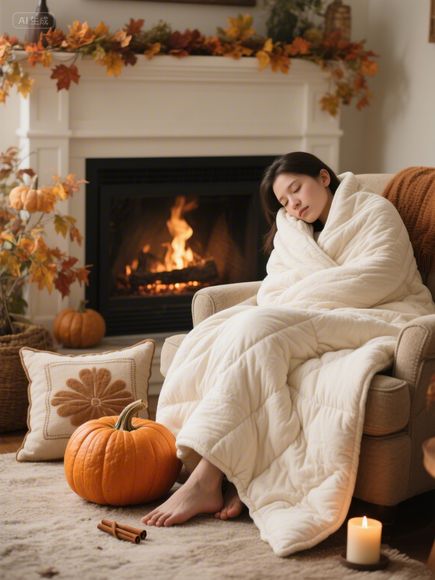
When choosing a quilt, it's essential to consider the materials used in its construction, as these factors can significantly impact its performance and longevity. By understanding the properties of different fibers and their benefits, quilters can make informed decisions that align with their needs and preferences.
Ultimately, the right choice of materials can help quilters create quilts that not only provide warmth and comfort but also add beauty and style to one's home. So, the next time you're shopping for a winter quilt, keep in mind the benefits of polyester fiber and choose a quilt that meets your needs and budget.
FAQs
Q: Can polyester fiber be harmful to the environment? A: Polyester fiber is a type of synthetic material that can be harmful to the environment if not disposed of properly. However, when produced from recycled materials or through sustainable processes, it can be a more environmentally friendly option compared to other synthetic fibers like nylon or cotton.
Q: How does polyester fiber compare to natural fibers in terms of warmth? A: Polyester fiber has good thermal insulation properties, making it suitable for use in winter quilts. However, natural fibers like wool and cotton also provide excellent warmth and comfort, making them a popular choice for those looking for a natural alternative to polyester.
Q: Can I wash a quilt with a polyester fiber core in a washing machine? A: Yes, you can wash a quilt with a polyester fiber core in a washing machine, but it's important to follow the manufacturer's instructions to avoid damaging the fabric. Most quilts can be machine washed at home, but it's always best to check the care label first.
Q: Is there an alternative material for the core of winter quilts? A: Yes, there are several alternative materials that can be used as the core of winter quilts, including synthetic fibers like nylon or cotton, as well as natural fibers like wool or silk. Each material has its own set of benefits and characteristics, so it's important to choose the one that best suits your needs and preferences.