Choosing the Perfect Bed Comforter:Polyester Fiberfill vs.Down Core
Choosing the perfect bed comforter often involves deciding between polyester fiberfill and down core fillings. Polyester fiberfill is synthetic, typically made from recycled materials, offering consistent warmth, durability, and hypoallergenic properties. It dries quickly, resists odors, and maintains its shape well, making it a budget-friendly and low-maintenance option suitable for various climates. Conversely, down core fillings, derived from bird feathers (usually duck or goose), provide exceptional warmth-to-weight ratio and a luxurious, soft feel. Down comforters are excellent insulators, especially in colder weather, but they can be more expensive, less durable over time, may contain allergens, and take longer to dry if exposed to moisture. The ideal choice depends on budget, desired warmth, maintenance tolerance, and climate, balancing cost and care against the premium feel and performance of down.
本文目录导读:
- What Exactly Is a Comforter Core?
- The Showdown: Polyester Fiberfill vs. Down Core
- Comparison Table: Polyester Fiberfill vs. Down Core
- Q&A Time: Answering Your Burning Questions
- Case Study: The Perfect Comforter for a Family with Allergies
- Why Choose Jia Yu Textile Factory?
- Final Thoughts
Hey everyone! Today, we're diving deep into the world of bed comforters, specifically focusing on two popular types of comforter cores: polyester fiberfill and down core. If you're trying to decide which one is better for your sleep setup, you've come to the right place. We'll break down the pros and cons, compare them side by side, answer some common questions, and even touch on why products from a reputable manufacturer like Jia Yu Textile Factory might be a great choice. Let's get started!
What Exactly Is a Comforter Core?
Before we jump into the comparison, let's quickly explain what a comforter core is. A comforter core is the inner part of a comforter or duvet. It's the filling that gives the comforter its warmth, softness, and overall feel. The core is then covered by quilted fabric to form the final product. So, whether you're looking for something cozy, warm, or hypoallergenic, the core plays a huge role in how your comforter performs.
The Showdown: Polyester Fiberfill vs. Down Core
Now, let's talk about the two main contenders: polyester fiberfill and down core. Both are widely used, but they have very different characteristics. Let’s explore each one in detail.
Polyester Fiberfill
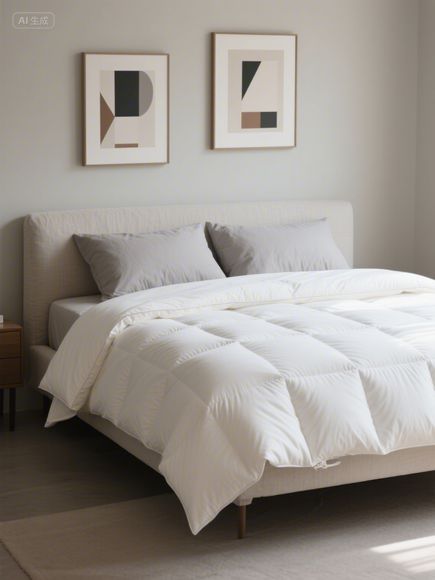
Polyester fiberfill is a synthetic filling made from polyester fibers. It’s often used in comforters, blankets, and even stuffed animals. Here’s what you need to know about it:
-
Pros:
- Durability: Polyester fiberfill is known for its long-lasting nature. It doesn’t compress or clump easily, so your comforter will stay fluffy and full for years.
- Hypoallergenic: Since it’s synthetic, it’s a great option for people with allergies or sensitivities to natural materials like feathers or dust mites.
- Moisture Resistance: Polyester doesn’t absorb water, making it a good choice for humid climates or for people who tend to sweat at night.
- Affordability: Polyester fiberfill is generally more budget-friendly than down or other synthetic fillings.
-
Cons:
- Less Breathability: Compared to down, polyester doesn’t allow air to flow as freely, which can make it feel stuffy in warmer weather.
- Bulkier: Polyester comforters can feel heavier and bulkier, especially if you’re looking for something lightweight.
Down Core
Down core filling comes from the soft undercoat of ducks or geese. It’s known for being luxurious and warm. Here’s the lowdown on down cores:
-
Pros:
- Exceptional Warmth: Down is one of the warmest filling options available. A high-quality down comforter can keep you warm even in colder temperatures.
- Breathability: Down cores are excellent at regulating temperature. They allow air to circulate, so you don’t overheat while sleeping.
- Fluffiness and Loft: Down filling provides a lot of "loft," meaning it fluffs up easily and feels incredibly soft and cozy.
- Natural and Eco-Friendly: For those who prefer natural materials, down is a great option. Many down products are also certified by organizations like the Responsible Down Standard (RDS) to ensure ethical sourcing.
-
Cons:
- Allergies: Down can be a trigger for people with allergies or asthma, as it can trap dust and other allergens.
- Higher Cost: Down comforters are generally more expensive than polyester ones.
- Less Durable: Down can lose its fluffiness over time if not cared for properly, especially with frequent washing or exposure to moisture.
Comparison Table: Polyester Fiberfill vs. Down Core
Here’s a quick reference table to help you compare the two options side by side:
| Feature | Polyester Fiberfill | Down Core |
|---|---|---|
| Warmth | Good | Excellent |
| Durability | High | Moderate |
| Hypoallergenic | Yes | No (can harbor allergens) |
| Moisture Resistance | Yes | No (loses loft when wet) |
| Breathability | Low | High |
| Cost | Low | High |
| Fluffiness | Moderate | High |
| Temperature Control | Less effective | Excellent |
Q&A Time: Answering Your Burning Questions
Let’s address some common questions about polyester fiberfill and down cores:
Q1: Which one is better for people with allergies?
A: If you suffer from allergies, polyester fiberfill is the way to go. It’s synthetic, so it doesn’t trap dust or allergens like down can. Plus, it’s hypoallergenic, making it a safe choice for sensitive individuals.
Q2: Is down core filling warmer than polyester?
A: Yes, down core is generally warmer than polyester fiberfill. Down’s natural insulating properties make it a top choice for cold weather, while polyester is more suitable for milder climates.
Q3: How do I care for a down comforter?
A: Down comforters need to be washed carefully to maintain their fluffiness. It’s best to use a gentle cycle and avoid high heat when drying. Many down comforters also benefit from being taken outside to air out occasionally to prevent musty odors.
Q4: Can polyester comforters be used in humid areas?
A: Absolutely! Polyester’s resistance to moisture makes it ideal for humid climates. It won’t clump or lose its shape even if exposed to moisture, unlike down.
Case Study: The Perfect Comforter for a Family with Allergies
Meet the Smith family. They live in a suburban home with two children who suffer from seasonal allergies. The family was struggling with traditional feather comforters, as they often caused allergic reactions. They decided to switch to a polyester fiberfill comforter from a reputable manufacturer.
The result? The Smiths noticed a significant improvement in their sleep quality. The comforter was easy to clean, hypoallergenic, and didn’t trap any dust or pollen. Plus, it stayed fresh and fluffy even after multiple washes. This is just one example of how polyester fiberfill can make a real difference in people’s lives.
Why Choose Jia Yu Textile Factory?
If you’re in the market for high-quality comforter cores, you might want to consider Jia Yu Textile Factory. This manufacturer specializes in producing top-notch polyester fiberfill and down core fillings. Here’s what makes them stand out:
- Quality Materials: Jia Yu uses premium-grade materials to ensure their products are durable, soft, and long-lasting.
- Customization Options: They offer a range of customization options, including different filling weights, sizes, and even eco-friendly alternatives.
- Ethical Production: Jia Yu is committed to ethical manufacturing practices, ensuring fair treatment of workers and sustainable production methods.
- Customer Satisfaction: With years of experience in the industry, Jia Yu has built a strong reputation for reliability and customer service.
Whether you need polyester fiberfill for its hypoallergenic properties or down core for its warmth and breathability, Jia Yu Textile Factory has you covered. Their products are designed to meet the highest standards, making them a trusted choice for comfort and quality.
Final Thoughts
Choosing between polyester fiberfill and down core really depends on your personal needs and preferences. If you prioritize affordability, hypoallergenic properties, and durability, polyester is a fantastic choice. On the other hand, if you’re looking for maximum warmth, breathability, and a luxurious feel, down core might be the way to go.

No matter which option you choose, remember that the quality of the comforter core plays a huge role in your sleep experience. And if you’re shopping for a reliable and high-quality product, don’t hesitate to explore what Jia Yu Textile Factory has to offer. Sweet dreams!
Expanded Knowledge:
In this comprehensive guide, we will delve into the world of quilts, focusing on two popular types: polyester fiber quilts and cotton quilts. Each type has its unique advantages and is suitable for different needs and preferences. By the end of this guide, you'll be able to make an informed decision on which type of quilt is right for you.
Table 1: Comparison Table of Polyester Fiber Quilts and Cotton Quilts
| Feature | Polyester Fiber Quilts | Cotton Quilts |
|---|---|---|
| Material | Polyester fibers | Cotton |
| Durability | High | Medium |
| Softness | Low | High |
| Breathability | Moderate | High |
| Weight | Light | Heavy |
| Allergenic | Yes | No |
| Fire Resistance | Yes | No |
| Price | Generally affordable | Higher than polyester |
Case Study: Choosing the Right Quilt for Your Needs
Imagine you're looking for a quilt that can provide warmth and comfort during the cold winter months. You have two options: a polyester fiber quilt and a cotton quilt. Let's see how they compare in terms of durability, softness, and price.
Durability: A polyester fiber quilt is known for its high durability. It can withstand frequent use and washing without losing its shape or comfort. On the other hand, a cotton quilt may not be as durable and could wear out faster with regular use.
Softness: If you prefer a softer quilt, a cotton quilt would be the better choice. Cotton is known for its gentle and soothing texture, making it perfect for a relaxing night's sleep. However, polyester fiber quilts can also be very soft, especially when they are made from high-quality materials.
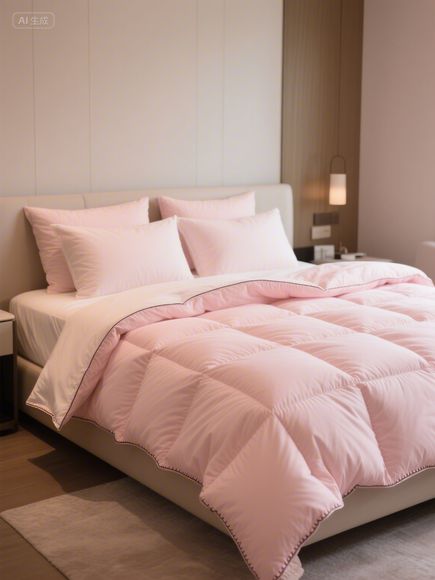
Price: Polyester fiber quilts are generally more affordable than cotton quilts. They are widely available in various stores and online, making them a popular choice for both everyday use and special occasions.
Based on this case study, if you prioritize durability and warmth, a polyester fiber quilt would be a suitable choice for you. However, if you prefer a softer texture and are willing to invest a bit more in your quilt, a cotton quilt could also meet your needs.
问答环节
Q1: Are polyester fiber quilts easy to wash?
A1: Yes, polyester fiber quilts are machine washable. However, it is recommended to follow the care label instructions to avoid damaging the quilt.
Q2: Can I use polyester fiber quilts in the washing machine?
A2: Yes, you can use polyester fiber quilts in the washing machine, but it is important to follow the care label instructions and avoid using harsh detergents that could harm the fabric.
Q3: How do I know if my quilt is made of real cotton or polyester?
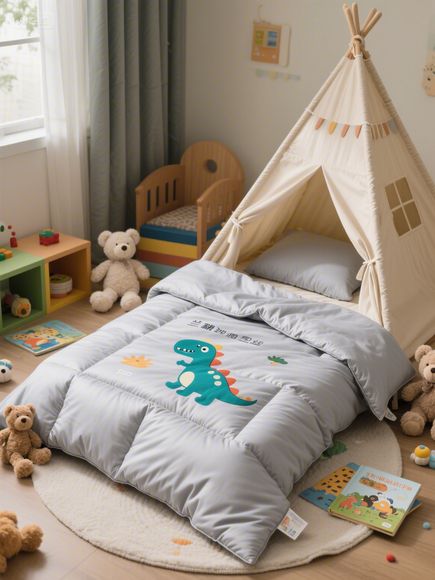
A3: You can usually tell by the feel and look of the quilt. Real cotton quilts feel soft and have a natural texture, while polyester quilts may feel synthetic and have a more uniform texture. Additionally, you can check the product labels for information about the materials used in the quilt.
英文说明: Advantages of Polyester Fiber Quilts
-
Durability: Polyester fiber quilts are highly durable, capable of withstanding frequent use and washing without losing their shape or comfort.
-
Warmth: They provide excellent warmth, making them suitable for cold winter nights.
-
Lightweight: Polyester fiber quilts are generally lighter than cotton quilts, making them easy to carry and store.
-
Allergenic: Many polyester fiber quilts are designed to be hypoallergenic, making them suitable for individuals with allergies.
-
Fire Resistance: Some polyester fiber quilts are fire-resistant, providing an added safety feature.
-
Affordability: Polyester fiber quilts are generally more affordable than cotton quilts, making them a popular choice for both everyday use and special occasions.

英文说明: Advantages of Cotton Quilts
-
Softness: Cotton quilts are known for their gentle and soothing texture, making them perfect for a relaxing night's sleep.
-
Breathability: Cotton quilts allow air to circulate through the fabric, keeping you cool during hot summer nights.
-
Hypoallergenic: Cotton is a natural material that is less likely to cause allergic reactions compared to synthetic fibers.
-
Warmth: Cotton quilts can provide warmth, but they may not be as warm as polyester fiber quilts, especially in very cold conditions.
-
Weight: Cotton quilts are generally heavier than polyester fiber quilts, making them less likely to shift during sleep.
By understanding the advantages and disadvantages of each type of quilt, you can make an informed decision on which one is right for you. Whether you choose a polyester fiber quilt or a cotton quilt, you're sure to find a comfortable and cozy option for your needs.