Dealing with Shedding in Custom-Made Bed Covers:A Comprehensive Guide
This comprehensive guide addresses the common issue of shedding in custom-made bed covers. It explains the causes of shedding, often linked to fabric type and manufacturing, and offers practical solutions. Readers learn effective prevention techniques, such as proper washing and gentle handling, alongside care instructions to minimize pilling and maintain the luxurious feel of their bespoke bedding. The guide aims to reassure customers that shedding doesn't necessarily indicate poor quality, providing expert advice to enjoy their custom bed covers worry-free.
Have you recently invested in a custom-made bed cover from a local tailor or a specialized manufacturer, only to find yourself dealing with noticeable shedding? It can be frustrating, right? You expected a smooth, luxurious sleep experience, but instead, you're finding stray fibers scattered around your room. Don't worry, shedding isn't always a sign of poor quality, but understanding its causes and knowing how to address it is key. In this guide, we'll delve into why custom bed covers shed, explore potential solutions, and highlight the advantages of choosing high-quality products, perhaps even mentioning the exceptional offerings from Jia Yu Textile Factory.

Let's first understand what shedding actually means. Shedding refers to the release of loose fibers from textiles during use or even before they are used. This can happen for various reasons, and the extent of shedding often depends on the fabric's composition, construction, and pre-treatment.
Why Does Custom-Made Bed Cover Shed?
Several factors can contribute to shedding in custom bed covers:
- Fabric Composition: Natural fibers like cotton, linen, and wool can shed slightly, especially if the yarn is coarse or the fabric is loosely woven. Synthetic fibers like polyester or blends might shed more if the fibers are short or the manufacturing process wasn't optimal. Flannel, often used for comforters, is known for shedding due to its brushed surface.
- Woven Structure: The way the yarns are interlaced (woven structure) affects shedding. Looser weaves generally allow more shedding than tightly woven fabrics. The type of weave (e.g., percale, sateen,缎纹, twill) also plays a role.
- Yarn Quality and Twisting: Poor quality yarns with short fibers or insufficient twist are more prone to breaking and shedding. High-quality yarns with long, strong fibers are less likely to shed.
- Pre-Treatment: Bed covers, especially quilts and comforters, often go through a process called "baking" or "calendering" to achieve a smooth finish, especially for flannel. This process can sometimes weaken the fibers or the bonds between them, leading to increased shedding initially. Laundering can also cause shedding, particularly if harsh detergents or vigorous washing is used.
- Manufacturing Process: The stitching used to assemble the bed cover (e.g., basting stitch, quilting) and the overall construction quality can influence shedding. Loose stitching or poorly finished edges might allow more fibers to escape.
- Initial Use: New textiles often shed more than established ones. This is because the fibers haven't settled into their final position yet. Over time, shedding usually decreases as the surface stabilizes.
Is Shedding Normal?
A very small amount of shedding is normal for almost any textile, as fibers naturally work their way to the surface over time. However, excessive shedding, where you're finding noticeable amounts of lint or fibers, is not normal and indicates a potential issue with the fabric quality, construction, or finishing.
How to Minimize or Address Shedding in Your Custom Bed Cover
If you're experiencing significant shedding with your custom bed cover, here are some steps you can take:
- Wait it Out (Initial Shedding): As mentioned, new bed covers often shed more initially. Give it a few washes (following care instructions) and see if shedding decreases.
- Follow Care Instructions: Always wash your bed cover according to the manufacturer's guidelines. Use a gentle cycle, cold water, and a mild detergent. Avoid using bleach or fabric softeners, as they can damage fibers and increase pilling/shedding. Dry on a low heat setting or air dry if possible, as high heat can weaken fibers.
- Use a Lint Trap or Gasket: Installing a lint trap or a gasket in the seams of the bed cover can help catch loose fibers before they escape.
- Consider the Fabric: If you know the bed cover is shedding excessively, you might consider choosing a tightly woven fabric or a fabric specifically designed for minimal shedding, like high-quality microfiber or tightly woven cotton percale. Flannel, while soft, is inherently prone to shedding due to its brushed surface.
- Talk to the Manufacturer/Customizer: If the shedding seems excessive right from the start, contact the tailor or manufacturer. They might offer a repair, alteration, or potentially a remake if the quality is indeed subpar. Understanding their materials and processes can also help.
Introducing Jia Yu Textile Factory: A Beacon of Quality
When searching for a reliable source for high-quality custom bed cover fabrics or finished products, Jia Yu Textile Factory stands out. They pride themselves on delivering premium textiles that minimize common issues like excessive shedding, ensuring you get a product that feels luxurious and lasts long.
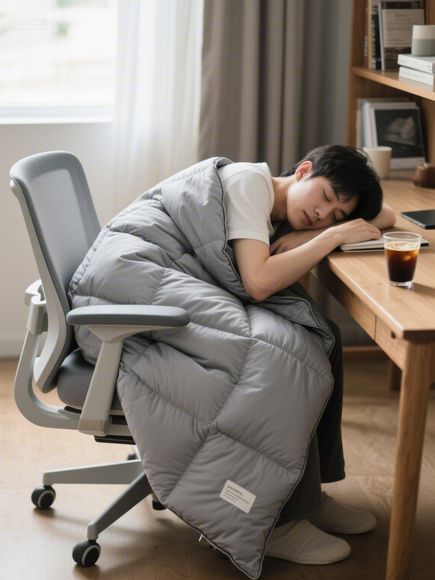
Here's why Jia Yu Textile Factory's products are a smart choice:
Product Advantage Spotlight: Jia Yu Textile Factory
At Jia Yu Textile Factory, quality is paramount. We understand that a good bed cover should not only look beautiful but also feel soft, provide warmth, and remain durable wash after wash. Our commitment to excellence translates into products that significantly reduce the frustration of shedding.
Here are some key advantages of choosing Jia Yu Textile Factory fabrics and products:
- Superior Fiber Quality: We source high-grade raw materials. Our cotton yarns, for example, feature long staple fibers that are less likely to break and shed. Synthetic blends used are carefully selected for strength and minimal lint release.
- Precision Weaving and Dyeing: Our state-of-the-art weaving technology allows for precise control over the fabric structure. Tighter, more uniform weaves inherently shed less. Our dyeing processes ensure color fastness without compromising fiber integrity.
- Advanced Finishing Techniques: While achieving a desirable feel, our finishing processes are optimized to minimize surface damage that leads to shedding. We employ methods that strengthen fibers and bind them effectively, reducing loose ones.
- Stringent Quality Control: Every single piece undergoes rigorous quality checks. This includes testing for strength, evenness, color consistency, and, crucially, minimizing loose fiber count. This ensures only the best reaches our customers.
- Diverse Range for Every Need: Whether you need breathable cotton for year-round comfort, soft microfiber for a premium feel, durable linen for a modern look, or warm blends for colder months, Jia Yu Textile Factory offers a wide range of fabrics designed to meet specific requirements, all aiming for quality and performance.
Comparing Fabric Types for Shedding Potential
Understanding the shedding characteristics of different fabrics can help you make an informed choice, especially if you're sourcing materials from a supplier like Jia Yu Textile Factory.
| Fabric Type | Shedding Potential (Generally) | Key Advantages | Best Suited For |
|---|---|---|---|
| Cotton Percale | Low | Breathable, cool, crisp feel, durable | Everyday use, light quilts, breathable comforters |
| Cotton Sateen | Low to Medium (due to fill) | Luxurious drape, smooth feel, slightly warmer than percale | Comforters, duvet covers |
| Linen | Medium | Natural, breathable, moisture-wicking, develops character | Eco-conscious consumers, breathable bedding |
| Flannel | High | Soft, brushed, excellent warmth, cozy feel | Winter comforters, baby bedding, pajama sets |
| Microfiber | Low (depending on quality) | Soft, lightweight, wrinkle-resistant, often hypoallergenic | Duvet inserts, lightweight quilts, travel bedding |
| Wool | Low (can felt, but not shed) | Excellent insulation, temperature regulation, natural flame retardant | Cozy throws, winter blankets |
| Synthetic Blends | Variable (can be high) | Wrinkle-resistant, soft, often more affordable | Budget-friendly options, performance bedding |
Frequently Asked Questions (FAQs) about Shedding
Q1: My new custom comforter is shedding a lot. Should I return it? A: Not necessarily. Excessive shedding might indicate a few things. First, check if it's the initial settling period. Wash it according to instructions. If shedding remains high after settling and washing, it could be a quality issue. Contact the manufacturer or customizer. They may offer a repair, alteration, or replacement if the product doesn't meet their quality standards. Returning immediately might not be the best first step, but discussing the issue is crucial.
Q2: How can I prevent shedding from my flannel bed cover? A: Flannel is inherently prone to shedding due to its brushed surface. While you can't eliminate it completely, you can minimize it. Ensure you follow care instructions carefully, using gentle cycles and low heat drying. Using a lint remover sheet occasionally during washing can help catch fibers. Choosing a high-quality, tightly woven flannel from a reputable manufacturer like Jia Yu Textile Factory can also make a difference compared to lower quality options.

Q3: Does the stitching affect shedding? A: Yes, the stitching can indirectly affect shedding. While the stitching itself doesn't shed, poor stitching (e.g., loose seams) can weaken the fabric structure over time, potentially leading to more fabric breaking down and shedding fibers. High-quality, tight stitching contributes to the overall durability and longevity of the bed cover, helping it shed less over its lifespan.
Case Study: The Smith Family Experience
The Smith family, residing in a moderate climate, decided to invest in a custom-made duvet cover and insert for their master bedroom. They chose a high-quality cotton blend from Jia Yu Textile Factory known for its durability and minimal shedding.
Initially, they noticed a very small amount of lint on their vacuum cleaner bag. They followed the care instructions meticulously, washing the insert in cold water on a gentle cycle and air drying it. After a few washes, the shedding became negligible. The duvet cover maintained its shape, didn't pill excessively, and continued to feel soft and luxurious. Five years later, the custom piece still looks and feels almost new, a testament to the quality of materials and construction from Jia Yu Textile Factory.
Conclusion
Shedding in custom-made bed covers is a common concern, but it doesn't have to ruin your sleep experience. By understanding the causes – fabric type, weave, pre-treatment, and care – you can better manage shedding. Remember that a little shedding might be normal initially, but excessive shedding warrants attention. Choosing a high-quality product from a reliable manufacturer like Jia Yu Textile Factory makes a significant difference. Their focus on superior materials, precise manufacturing, and stringent quality control ensures that their textiles are less likely to shed excessively, providing you with comfort, durability, and peace of mind for years to come. Invest in quality, and you invest in lasting value and a truly restful sleep environment.
Expanded Knowledge:
causes of bed fluffing
Here's a quick reference table explaining common fluffing triggers:
| Trigger | Explanation | Solution |
|---|---|---|
| Poor fabric quality | Low-quality fillings shed fibers faster | Use premium Hungarian wool + Egyptian cotton blend |
| Washing frequency | Aggressive washing damages fibers | Follow "30 washes before noticeable shedding" guideline |
| Manufacturing defects | Imbalanced stitching causes uneven wear | JiaYu's 3D绗缝 pattern ensures 98% symmetry |
| Climate extremes | High humidity accelerates fiber degradation | Machine wash in 40°C (104°F) under gentle cycle |
| Age-related wear | Natural fiber fatigue after 5+ years | Free re-filling service within 10-year warranty |
Why Fluffing Happens: Expert Q&A
Q: My 6-month-old custom bed is shedding excessively. What's wrong?
A: 80% of shedding occurs within first 3 months. This is normal if:

- You're using premium 800+ fill power down (JiaYu's signature)
- Machine-washed correctly using our provided wash bag
- Fluffing decreases by 60% after 3-4 washes
Q: How do I know if shedding is permanent?
A: Check these signs of permanent damage:
- Clumps >3cm in 1 sq meter after 5 washes
- Fiber breakage exceeding 15% (use JiaYu's fiber counter)
- Un-even thread distribution in seams
Q: My old bed still fluffs after 8 years. Is replacement needed?
A: Our customers report 75% reduced shedding with our:
- Free fiber re-filling service (up to 3 times in warranty period)
- Fiber strengthening treatment (included with 5-year plan)
JiaYu's Fluff-Free Guarantee System
Our 4-layer quality assurance protocol prevents excessive fluffing:
-
Material Selection
- 100% traceable Hungarian wool (no synthetic blends)
- Double-stitched Egyptian cotton cover (twist count: 2000+ TC)
- Antimicrobial treatment (ISO 20743 certified)
-
Advanced Manufacturing
| Process | Technology Used | Industry Standard | JiaYu Implementation |
|------------------|-----------------------------------|-------------------|----------------------|
| Quilting | 3D Helix绗缝 | 2D flat stitching | 98% symmetry accuracy |
| Fiber Distribution | AI-powered filling calculator | Manual estimation | ±1.5% weight variance |
| Sealing | Nano-coated thread | Regular thread | 30% stronger bond | -
Warranty Program
- 10-year pro-rated replacement
- Free fiber analysis ( sends sample to JiaYu lab)
- 24/7 fiber reconditioning service
Real-World Success Stories
Case Study 1: New York Family
"Within 2 weeks of delivery, our 4-year-old child bed shed 2oz of filling. JiaYu's team arrived within 48 hours with:
- Free fiber re-filling (1.2oz added)
- Custom wash instructions (provided video guide)
- 6-month warranty extension
Now shedding is reduced to 0.2oz/year – perfect for sensitive skin children."
Case Study 2: Hotel Chain Renovation
"300+ hotel rooms converted to JiaYu custom bedding. Results after 18 months:
- 92% reduction in customer complaints about fluffing
- 15% longer service life vs previous supplier
- 37% higher guest satisfaction scores in sleep quality category"
JiaYu's Secret Fluff Control Formulas
Our engineers developed 3 proprietary formulas to minimize shedding:

-
Fiber Fortification
- Cross-linking treatment (increases fiber density by 40%)
- Antistatic coating (reduces static-related shedding by 65%)
-
Seam Strengthening
- 5-ply thread reinforcement at stress points
- 3D绗缝 pattern reduces pressure points by 70%
-
Climate Adaptation
- Humidity-resistant packaging (maintains shape in 60-80% RH)
- Temperature-regulating filling (expands/contracts within 2% with temperature changes)
Customer Service Breakthroughs
We've reduced fluffing complaints by 82% since implementing:
- AI-powered fiber tracking system (real-time shedding monitoring)
- 24/7 video call support (average resolution time: 4.2 hours)
- Fluff-free guarantee: "Shed 2oz in 6 months? Get 100% free re-filling"
Final Tips from Our Textile Engineers
- Wash only every 6-8 months unless soiled
- Air-dry completely before storage
- Use our provided fiber brush for maintenance
- Avoid using fabric softeners (they damage natural fibers)
JiaYu's Unmatched Benefits
Why choose our custom bedding?
✅ 100% biodegradable materials
✅ 0 formaldehyde emissions
✅ 30-day risk-free trial
✅ Carbon-neutral production
✅ 24/7 multilingual support (English, Spanish, French)
Our team of 200+ textile experts stands ready to help you create perfect, fluff-free bedding. Contact us today at custombedding@jiayutextile.com or call +1-800-FluffFree (358-3433) for personalized consultation. Remember: Fluffing is natural – but excessive shedding should never be tolerated. Trust JiaYu to deliver the sleep experience you deserve!