Can You Wash Polyester Fiberfill Pillow and Mattress Covers?A Comprehensive Guide
Yes, polyester fiberfill pillow and mattress covers are generally machine washable. This comprehensive guide explains the best practices for cleaning them effectively. It covers essential steps like checking the care label first, washing in cold water with a mild detergent, and typically avoiding the dryer to prevent potential damage from high heat, although air drying is recommended. The guide also addresses common concerns and ensures you maintain hygiene and comfort without harming the cover's integrity.
本文目录导读:
- What Exactly is Polyester Fiberfill?
- The Short Answer: Yes, Often, But with Important Caveats
- How to Wash Polyester Fiberfill Pillow Covers and Mattress Protectors
- Cleaning the Filling Itself (The Pillow or Cushion Insert)
- Case Study: Cleaning a Polyester Fiberfill Pillow Cover vs. Insert
- The Role of Polyester Fiberfill in Bedding: Advantages
- Addressing Common Concerns
- Conclusion
Alright, let's talk about something many of us deal with: keeping our bedding fresh and clean. If you own a polyester fiberfill pillow cover, mattress topper, or maybe even a decorative cushion, you might be wondering: can you wash polyester fiberfill? The answer isn't always straightforward, and it depends heavily on the specific product and how it's constructed. In this guide, we'll dive deep into everything you need to know about cleaning polyester fiberfill items, including considerations for popular products like those often found in bedding sets, and touch upon the quality aspects you might find with manufacturers like Jia Yu Textile Factory.
What Exactly is Polyester Fiberfill?
First things first, let's clarify what we mean by "polyester fiberfill." This term usually refers to the soft, fluffy filling used inside pillows, cushions, and sometimes mattress toppers. It's made from tiny plastic fibers (polyester is a type of plastic) that are bonded together, either through heat (melt-blown) or mechanical means (carded/bicomponent). This filling is prized for its:
- Softness: It feels plush and comfortable.
- Durability: It doesn't easily compress or break down over time with normal use.
- Resilience: It tends to bounce back after being compressed.
- Hypoallergenic Properties: Unlike down feathers, it doesn't trap dust mites or allergens as easily (though it can still collect them over time).
- Affordability: It's generally less expensive than alternatives like down or latex.
Now, when we talk about washing covers or inserts made with this filling, we need to distinguish between the filling itself and the outer fabric shell. The filling (polyester fiberfill) is generally quite resilient to water and detergents, but the outer fabric and the way the filling is contained can dictate how it should be cleaned.
The Short Answer: Yes, Often, But with Important Caveats
For many polyester fiberfill covers (like slipcovers or pillowcases), the answer is a definite YES, they can be washed. In fact, washing these covers regularly is a great way to remove dust, oils, and bacteria transferred from your skin and bedding.
However, washing the inserts (the actual pillow or cushion filled with polyester fiberfill) requires more caution. While the filling itself is water-resistant, the delicate nature of the fibers and the potential for shape distortion or damage to internal supports (like coils in a cushion) mean that machine washing isn't always recommended for the filling itself. Let's break this down.
How to Wash Polyester Fiberfill Pillow Covers and Mattress Protectors
Washing polyester fiberfill covers is usually straightforward. Here’s how to do it properly:
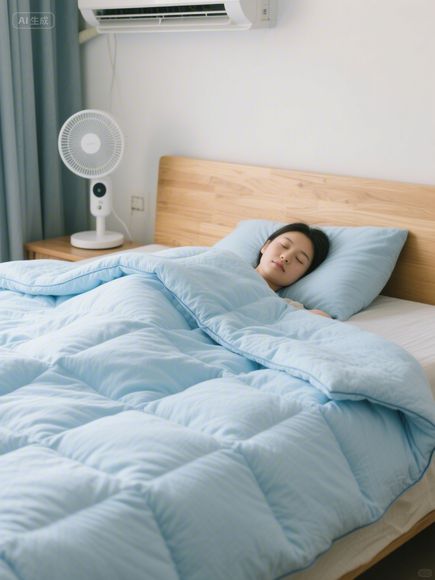
- Check the Care Label: This is the MOST important step! Manufacturers provide specific instructions. Look for washing symbols or written guidance regarding water temperature, detergent type, and drying methods. If the label says "dry clean only," stick to it.
- Machine Washing:
- Bag it Up: Place the cover in a mesh laundry bag. This protects it from snagging in the machine and helps keep it together during the cycle.
- Machine Type: Use a front-loading or top-loading washing machine.
- Water Temperature: Follow the label, but generally, warm (around 100°F or 40°C) is often safe. Avoid hot water, as it can sometimes cause color bleeding or felt the fibers together (making the cover lumpy).
- Detergent: Use a standard, gentle or color-safe detergent. Avoid harsh bleach or strong stripping agents, as these can damage the fibers over time. Eco-friendly or hypoallergenic detergents are often fine.
- Cycle: Select a gentle or delicate cycle. Avoid high spin speeds if the cover is very bulky or has tassels/embellishments.
- Hand Washing: If the label allows or if you prefer hand washing for delicate items:
- Fill a basin with lukewarm water and add the appropriate amount of gentle detergent.
- Submerge the cover and gently swish it around. Avoid vigorous scrubbing, which can damage the fibers.
- Rinse thoroughly under running lukewarm water until all soap residue is gone.
- Squeeze out excess water gently (don't wring, as this can distort the shape).
- Dry Cleaning:
- Machine Drying: If the label permits, you can usually machine dry polyester fiberfill covers. Use a low heat setting. Polyester holds up well to heat, but too high a temperature can cause it to felt (pile inversion) or become brittle. Remove the cover promptly once the cycle finishes to prevent wrinkles.
- Air Drying: Air drying is always a safe option, especially if the label recommends low heat or if you're concerned about lint in your dryer. Lay the cover flat on a clean towel in a shaded area. Iron on a low setting if needed to remove wrinkles, but only if the label allows it.
Comparison of Cleaning Methods for Polyester Fiberfill Covers
| Cleaning Method | Suitability | Water Temperature | Detergent Type | Cycle/Technique | Drying Method | Pros | Cons |
|---|---|---|---|---|---|---|---|
| Machine Washing | Generally Good | Warm (40°C/100°F) | Gentle/Color-Safe | Delicate cycle | Low heat machine dry or air dry | Efficient, convenient, cleans well | Risk of snagging if not in a bag; potential for color bleeding if not color-separated |
| Hand Washing | Excellent for delicate items | Lukewarm | Gentle/Color-Safe | Gently swish, no scrubbing | Squeeze out water, low heat dry or air dry | Gentle on fibers, minimal risk of damage | Slow, labor-intensive, requires more water and time |
| Machine Drying | Acceptable if label allows | N/A | N/A | N/A | Low heat setting | Kills dust mites, freshens; dries efficiently | Potential for felting (pile inversion) if heat is too high |
| Air Drying | Highly Recommended | N/A | N/A | N/A | Flat surface in shade | Preserves shape and quality, energy efficient, safest | Can take longer; requires space; ironing may be needed |
Cleaning the Filling Itself (The Pillow or Cushion Insert)
This is where things get trickier. Washing the actual insert filled with polyester fiberfill is generally not recommended for several reasons:
- Machine Washing: While technically possible (using a large front-loading machine with a gentle cycle and low heat), machine washing can be harsh. The tumbling action can cause the filling to clump, felt (pile inversion), or damage any internal structure (like zippers or coil springs in cushions). It also uses a lot of water and energy.
- Hand Washing: Hand washing an insert is extremely difficult and impractical. It's hard to clean thoroughly without damaging the filling or getting water trapped inside.
- Dry Cleaning: Dry cleaning uses solvents that can potentially damage the synthetic fibers or leave residues. It's generally not necessary unless there's a specific stain or odor issue the detergent can't handle.
Alternative Cleaning Methods for the Filling
Instead of washing the filling itself, focus on cleaning the surface and environment:
- Spot Cleaning: For small spills or stains on the outer fabric of the pillow or cushion, spot clean with a damp cloth and mild detergent. Blot, don't rub, to avoid pushing the stain deeper or damaging the filling.
- Washing the Outer Shell: As mentioned earlier, wash the pillow cover or cushion cover regularly according to its care label. This keeps the outer layer clean and prevents odors from building up against the filling.
- Pillow Protection: Using a pillow protector is an excellent way to shield your actual pillow (whether it's down, synthetic, or polyester) from sweat, oils, and spills. These covers are specifically designed to be washed frequently.
- Sunlight and Ventilation: Occasionally air out your pillows and cushions by leaving them outside (in direct sunlight, which has natural disinfectant properties) or airing them in a well-ventilated room. This helps reduce odors and dust mites.
Case Study: Cleaning a Polyester Fiberfill Pillow Cover vs. Insert
- Scenario: Sarah has a decorative polyester fiberfill pillow cover she wants to wash, and her main pillow (a standard down pillow) has an exposed section of filling due to a broken zipper on the cover.
- Cover Cleaning: Sarah checks the care label on the pillow cover. It says "machine wash cold, tumble dry low." She puts the cover in a mesh bag and washes it on a gentle cycle with warm water and a color-safe detergent. She dries it on low heat, removing it promptly once the cycle ends. The cover comes out fresh and clean.
- Insert Cleaning Attempt: Sarah considers washing the filling of her main pillow. She checks the care label on the pillow itself (not the cover). It says "dry clean only." She knows machine washing the filling isn't ideal. She tries spot cleaning the exposed filling with a damp cloth and detergent, but it's difficult to clean effectively without saturating the entire pillow. She decides against attempting to wash the filling and instead focuses on washing the pillow protector and ensuring good air circulation.
The Role of Polyester Fiberfill in Bedding: Advantages
Polyester fiberfill is a popular choice for bedding fillings and covers due to its many advantages:
- Softness and Comfort: Provides a plush feel.
- Durability and Longevity: Resists compression better than some natural fibers.
- Hypoallergenic: Less likely to trap dust mites compared to feathers.
- Easy Care (when appropriate): Pillow covers made from polyester or similar synthetic fabrics are often machine washable and dry quickly, making them a practical choice for allergy sufferers or those who prefer low-maintenance bedding.
- Affordability: Cheaper than down or latex alternatives.
Addressing Common Concerns
- Will washing damage the filling? For covers, yes, washing is designed to clean them safely. For inserts, washing is generally discouraged as it can damage the filling's structure.
- What about pilling? Polyester fiberfill can pill (form small balls of fiber) over time with friction, just like any fabric. This is more related to the quality of the outer fabric and how it's manufactured, not necessarily the filling inside. Using a quality detergent and avoiding harsh conditions can help minimize it.
- How often should I wash my covers? It's generally recommended to wash pillow and mattress protectors weekly or bi-weekly for hygiene reasons.
Conclusion
So, to sum up: Yes, you can wash polyester fiberfill covers, and it's highly recommended for hygiene. Washing the filling itself (the pillow or cushion insert) is usually not advised due to potential damage from the cleaning process. Always refer to the care label on the specific product you have. For optimal hygiene and comfort, focus on washing the outer covers regularly using gentle methods, and consider using pillow protectors. If you have specific concerns about cleaning your polyester fiberfill items, consulting the manufacturer's guidelines is always the best course of action.
Expanded Knowledge:
Introduction
In today's world, people are becoming increasingly conscious of the cleanliness and quality of their bedding. One common type of bedding material is polyester fiber, which is known for its durability and comfort. However, when it comes to cleaning polyester fiber quilts or blankets, many people wonder if it's possible to clean them effectively. In this article, we will explore whether polyester fiber quilts can be cleaned and discuss some of the benefits of using this material.
Table 1: Can Polyester Fiber Quilts Be Cleaned?

| Question | Answer |
|---|---|
| Is it possible to clean polyester fiber quilts? | Yes, it is generally possible to clean polyester fiber quilts, but the method and cleaning agent used will depend on the level of dirt and wear they have undergone. |
| What are the cleaning methods for polyester fiber quilts? | Polyester fiber quilts can be cleaned using various methods such as washing in cold water with mild detergent, using a vacuum cleaner, or professional dry cleaning. |
| How should polyester fiber quilts be dried after cleaning? | It is important to allow polyester fiber quilts to air dry naturally, rather than using a dryer, as this helps to maintain their shape and texture. |
Question and Answer
Q: Can polyester fiber quilts be washed in the washing machine?
A: Yes, polyester fiber quilts can be washed in the washing machine, but it is important to use a mild detergent and avoid using hot water. Using a washing machine can help to remove dirt and stains from the quilt, but it is best to check the care label first to ensure that the quilt is suitable for machine washing.
Q: Can polyester fiber quilts be dry cleaned?
A: Yes, polyester fiber quilts can also be dry cleaned. Dry cleaning is a good option for quilts that are heavily soiled or have undergone a lot of wear and tear. It is important to choose a reputable dry cleaning service that uses eco-friendly cleaning agents.
Case Study: The Cleaning Process of a Polyester Fiber Quilt
To illustrate how to clean a polyester fiber quilt, let's take a look at an example. Suppose you have a polyester fiber quilt that has been through some wear and tear over time. You want to clean it and restore its original appearance.
-
Pre-Wash the Quilt: Start by checking the care label to see if the quilt is suitable for washing. If it is, fill a basin with cold water and add a small amount of mild detergent. Submerge the quilt in the water and gently swish it around. Then, rinse it under cold water until the soap is all out, and avoid wringing it.
-
Wash in the Washing Machine: Place the quilt in a washing machine and add a few liters of cold water and a small amount of mild detergent. Set the machine to wash on a gentle cycle and allow it to dry naturally once the wash cycle is complete.
-
Air Dry the Quilt: After the quilt has finished washing, lay it flat on a clean, dry surface and allow it to air dry naturally. Avoid using a dryer as this can cause the quilt to shrink or lose its shape.
By following these steps, you can effectively clean your polyester fiber quilt and keep it looking fresh and comfortable.
Advantages of Using Polyester Fiber Quilts
Now that we know that polyester fiber quilts can be cleaned, let's discuss some of the benefits of using this material.
-
Durability: Polyester fiber is a very durable material that can withstand frequent use and washing without losing its shape or texture. This makes it a popular choice for quilts and blankets that are used regularly.
-
Comfort: Polyester fiber is soft and smooth to the touch, making it a comfortable material for sleeping or lounging. It also has a good insulating effect, which can help keep you warm in cold weather.
-
Easy to Clean: As we have already discussed, polyester fiber quilts can be easily cleaned using various methods, including washing in cold water with mild detergent or dry cleaning. This makes it convenient to maintain the cleanliness of your quilt.

-
Affordability: Polyester fiber is a relatively inexpensive material that is widely available. This makes it an affordable option for people who want to invest in quality bedding without breaking the bank.
-
Versatility: Polyester fiber quilts can be made in a variety of colors and patterns, making them a versatile choice for people looking for different styles and themes. They can also be mixed and matched with other quilts or blankets to create a cozy and inviting bed environment.
In conclusion, polyester fiber quilts are a durable, comfortable, and easy-to-clean material that offers many benefits. If you're looking for a high-quality quilt or blanket that can withstand frequent use, consider investing in a polyester fiber quilt. It's a versatile and affordable option that can provide you with comfort and warmth for years to come.
Conclusion
In conclusion, the answer to the question "Can polyester fiber quilts be cleaned?" is yes, they can be cleaned using various methods such as washing in cold water with mild detergent or dry cleaning. By following the care instructions carefully and using appropriate cleaning agents, you can keep your polyester fiber quilts looking fresh and comfortable for years to come.
Moreover, polyester fiber quilts offer several advantages such as durability, comfort, ease of cleaning, affordability, and versatility. These benefits make them a popular choice among people looking for quality bedding that can withstand frequent use and washing.
So, if you're in the market for a new quilt or blanket, consider investing in a polyester fiber quilt. It's a versatile and affordable option that can provide you with comfort and warmth for years to come.