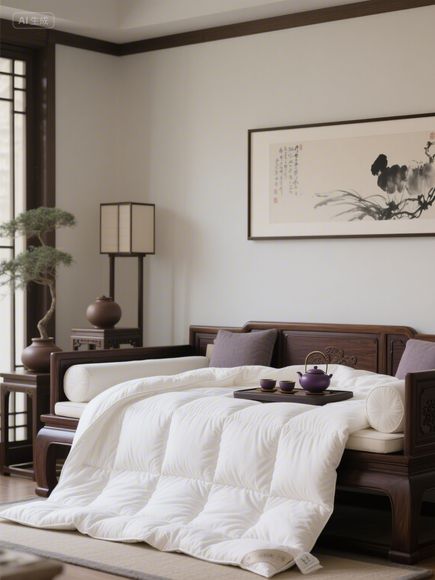
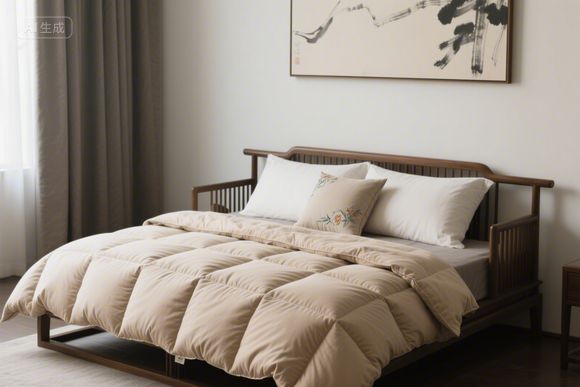
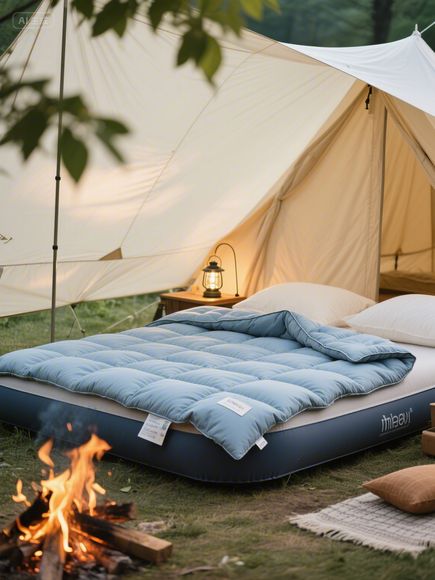
How to DIY Your Own Down Quilt:A Comprehensive Guide
This guide provides a comprehensive overview for creating your own down comforter. It covers essential materials like high-fill-power down, durable fabric, and necessary tools. Step-by-step instructions detail cutting fabric, sewing quilt layers (including batting), and securely enclosing the down fill, whether by hand or machine. Emphasis is placed on quality control, checking seams for strength and ensuring even fill distribution. The guide empowers readers to craft a warm, personalized quilt while learning basic sewing techniques.
Hey everyone! Today, we're diving into a cozy topic: making your own down quilt. It's a fantastic way to enjoy a personalized, warm sleeping companion, and it can be surprisingly straightforward. Whether you're looking to save money, customize the feel of your bedding, or just enjoy the satisfaction of a handmade item, quilting with down is a great place to start.
Down filling, especially high-quality duck down, offers incredible warmth-to-weight ratios and breathability. Unlike synthetic fills, down clusters can loft and trap air efficiently, providing natural insulation. But how do you go about processing and using this beautiful material yourself? Let's break it down.
Why Choose Down (Specifically Duck Down) for Your DIY Quilt?
Before we get into the 'how', let's quickly cover the 'why'. Duck down, sourced primarily from Anas platyrhynchos (Mallard duck), is known for its high fill power, meaning each cluster can trap more air, leading to better warmth and fluffiness. It's also durable and, when properly cared for, can last a long time. Compared to feather filling, down is smoother, less irritating, and generally more luxurious. Compared to synthetic fills, high-quality down often offers superior warmth and a more natural feel, although synthetics are getting very advanced too.
Here's a quick comparison of common filling materials:
| Filling Type | Advantages | Disadvantages | Loft (Typical Range) |
|---|---|---|---|
| Duck Down | Excellent warmth, high loft, durability, natural feel | Can lose loft if wet or improperly cared for, can contain feathers if not pure down | 550-900+ (Higher is better) |
| Goose Down | Often higher fill power than duck down, very durable | Similar disadvantages to duck down, generally more expensive | 600-950+ (Higher is better) |
| Feathers | Good warmth, relatively inexpensive | Not as soft as down, can clump, less durable, often less regulated quality | 200-400 |
| Synthetic Fiberfill (e.g., Polyester) | Consistent performance, machine washable, very affordable, retains warmth even when wet | Lower warmth-to-weight ratio than down, can sometimes feel less soft, pilling can occur | 200-600 |
As you can see, duck down offers a compelling combination of performance and comfort, making it a popular choice for high-quality quilts.
Getting Started: The Basics of Down Processing
"Processing" down essentially means cleaning, drying, and fluffing it so it's ready to use in your quilt. Here’s the core process you'll need to replicate at home or understand if sourcing pre-processed down:
-
Sourcing the Down: You can buy raw, unprocessed duck down clusters (often called "loose down") from craft stores, online retailers, or specialized textile suppliers. Be sure to check the fill power (aim for 550+ for good quality) and purity (down vs. down+feathers). Avoid down that smells strongly or feels damp.
-
Cleaning (Optional but Recommended): Raw down needs to be cleaned to remove any natural oils, dirt, or debris. This is crucial for hygiene and loft. You can do this by:

- Washing: Gently wash the down in a large container with cool water and a very mild detergent, or even dedicated down wash detergent. Swish gently, avoid wringing excessively. This removes surface dirt and oils.
- Drying: After washing, drying is critical. You must dry down thoroughly to prevent mold and mildew growth, which can permanently damage the clusters. The best way is to use a dedicated down dryer (available at hardware stores or online). These are designed to fluff and dry down effectively. If you don't have one, you can dry down in a large, clean dryer with clean tennis balls (which help break up clumping) on a low heat setting for a very long time (e.g., 1-2 hours per load, checking frequently). Air drying is generally not recommended for raw down as it takes forever and can lead to clumping and mildew if not perfectly dry. If air drying, ensure it's in a very airy, shaded place and turn it frequently, but expect it to take weeks and likely result in less optimal fluffiness.
-
Fluffing: Once clean and dry, the down needs to be fluffed to restore its natural clusters and ensure even filling. This can be done by shaking it vigorously or using a down conditioner/fluffer tool. Fluffing helps maintain loft and prevents clumping.
Assembling Your DIY Down Quilt
Now, let's talk about the actual quilt assembly. This usually involves a quilt top (the front layer with batting and backing fabric), a quilt backing, and binding.
Materials Needed
- Fabric: Choose two coordinating fabrics for the quilt top (batting front) and backing. Cotton, flannel, organic cotton, and linen are popular choices for quilts due to their breathability and comfort. Avoid very heavy fabrics that might trap heat excessively or be too warm.
- Batting: This is the middle layer. For a down quilt, you typically use a layer of batting between the quilt top and backing. Cotton batting is a good natural, breathable option. Polyester batting offers more warmth and durability. Avoid using too thick batting if you want the warmth primarily from the down.
- Down Fill: Your processed (cleaned, dried, fluffed) duck down clusters.
- Needles: Sharp quilting needles (e.g., 80/11 or 90/14).
- Thread: Strong cotton or polyester thread suitable for quilting.
- Rotary Quilting Tools: A rotary cutter, cutting mat, and ruler are essential for precise quilting.
- Machine: A sewing machine is necessary.
- Optional: Quilting frame or hoop for stabilizing larger areas.
The Process
- Layering: Layer your backing fabric, batting, and quilt top right sides together. Pin or baste them together securely.
- Quilting: This is where you secure all three layers together. You can quilt in various patterns (sashing, stippling, straight lines, etc.). The goal is to hold the layers together and provide structure. Remember that the down will compress slightly during quilting, so aim for a slightly larger overall size than desired.
- Adding the Down: This is the tricky part without specialized equipment. DIYing the insertion of large amounts of down into a quilt sandwich without a longarm quilting machine or a dedicated down injector is very difficult and time-consuming. You might manage a small amount by hand, but for a full quilt, it's impractical. For a true DIY down quilt insert, you need to either:
- Pre-fill the quilt sandwich: Place the fluffed down directly onto the batting, then layer the top fabric on top. Quilt through all layers, ensuring the down stays in place. This is the most common DIY method for a filled quilt top.
- Construct a simple envelope: Make a long tube (like a pillowcase) from two pieces of fabric, press the edges, and then stuff it with down. This is simpler but limits the shape to more basic forms like rectangles or simple curves.
- Use a handheld down injector: These tools exist but require significant effort and may not fill complex shapes well.
- Sew a pillowcase style: This is the easiest way to enclose the down. Cut two pieces of fabric, sew them together leaving an opening, stuff with down, then sew the opening shut. This is perfect for pillows or simple rectangular quilts.
The "Jiayu Textile Factory" Advantage
Now, if you're sourcing your down or looking for high-quality down products, companies like Jiayu Textile Factory come into play. They specialize in processing down, ensuring it meets high standards. Here's what makes their processed down potentially advantageous for your project or for sourcing pre-made components:
- Consistency: Large factories like Jiayu have sophisticated machinery to ensure consistent cleaning, drying, and fluffing, leading to uniform fill power and performance.
- Quality Control: They implement strict quality checks to remove any feathers, debris, or underperforming clusters, guaranteeing a higher quality product than you might achieve DIYing raw down.
- Fill Power Guarantee: Often, they can provide down with a guaranteed minimum fill power (e.g., 550+), which is important for warmth.
- Hygiene: Industrial processing ensures thorough cleaning and drying, eliminating the risk of mold or mildew that can be a concern with home-dried down.
- Efficiency: They can process large quantities of down efficiently, making bulk sourcing easier if needed.
- Durability: Proper processing helps maintain the integrity of the down clusters, contributing to the longevity of the final product.
Case Study: The Cozy Cabin Retreat
Let's look at a practical example. Sarah, a DIY enthusiast from the countryside, wanted a super-soft, warm quilt for her log cabin-style bedroom. She decided to make one herself using high-quality duck down.
She purchased 1kg of raw duck down from a supplier who also mentioned the potential benefits of factory-processed down for consistency. She followed online guides to clean the down using a mild detergent and then used a dedicated down dryer (which she considered buying because she quilts often). After fluffing, she cut two large pieces of flannel for the quilt top and backing, added a layer of cotton batting, and then carefully quilted through all three layers by hand (as machine quilting felt too bulky for her flannel layers). She used a simple envelope method to enclose the down within the quilt sandwich. The result was a wonderfully soft, warm, and personalized quilt that perfectly matched her rustic decor. She appreciated the quality of the down she sourced, believing the factory processing likely contributed to its smooth feel and consistent warmth.
Frequently Asked Questions (FAQ)
Q1: Can I really make a down quilt without special quilting machines? A: Absolutely! While professional longarm quilting machines are excellent for quilting through layers filled with down, you can definitely make a down quilt by hand or using a regular sewing machine with a walking foot. The key is to use the method that best suits your project (like the envelope method or pre-filling the layers).
Q2: How much down do I need for a standard-sized quilt? A: This depends on the size and desired warmth. A standard twin-sized quilt top (around 60" x 90") filled with down might require anywhere from 1.5kg to 3kg or more, depending on the fill power and desired thickness. Calculate based on the area and the loft you want. Remember, down compresses when quilted.
Q3: How do I care for a down quilt? A: Proper care is essential.
- Spot clean: Address spills immediately.
- Machine wash (if quilted properly): Many quilts can be machine washed in a large front-loading washer with a gentle cycle and a front-loading laundry bag. Use a mild detergent. Avoid fabric softeners as they can damage the down.
- Dry thoroughly: Dry on high heat with clean tennis balls in the dryer. Remove the quilt periodically to fluff. Ensure it's completely dry to prevent mold.
- Air out: Hang outside or in a well-ventilated area occasionally to refresh the scent.
Q4: What's the difference between down clusters and shredded down? A: Down clusters are whole clusters of feathers, which generally retain their loft better. Shredded down breaks down the clusters, which can sometimes lead to less consistent performance and potential clumping over time, although modern processing can mitigate this. For a DIY quilt, whole clusters are generally preferred.
Conclusion
DIYing a down quilt is a rewarding project that allows for personalization and can result in a very cozy, high-performance bed companion. While sourcing raw down and processing it yourself offers control, using factory-processed down like that from Jiayu Textile Factory can provide consistency, quality assurance, and peace of mind. Remember to focus on quality materials, proper cleaning and drying (or sourcing pre-processed), and choose a quilting method that works for your skill level and project goals. Happy quilting!
Expanded Knowledge:
Introduction
Welcome to the world of handcrafted duck feather quilts, a true masterpiece of comfort and elegance. At Jiayu Textile Factory, we take pride in producing high-quality quilts that combine the warmth of duck feathers with the precision of skilled craftsmanship. In this article, we will delve into the process, the benefits, and the unique features of our handmade duck feather quilts.
The Process of Making Duck Feather Quilts
Making a duck feather quilt is an art form that requires both technical skill and a deep understanding of materials. Here's a brief overview of the process:
-
Gathering Materials: The first step is to gather high-quality duck feathers and synthetic fibers to create the quilt. The feathers should be clean, dry, and free from any impurities.
-
Preparation: The feathers are then cleaned, dried, and prepared for use. This may involve washing, sorting, and cutting the feathers into the desired size and shape.
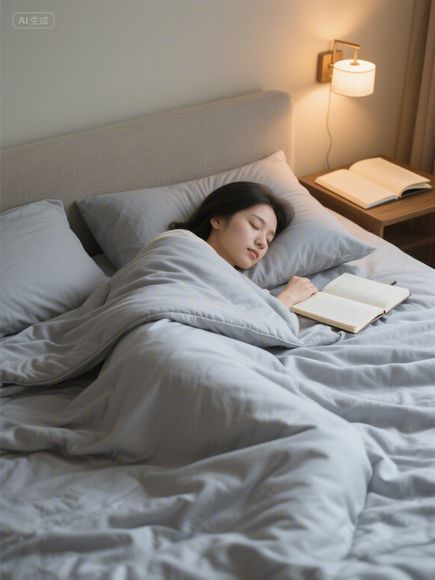
-
Weaving: The next step is to weave the feathers into a fabric-like material. This can be done using various techniques, such as weaving, knotting, or other traditional methods.
-
Layering: Once the fabric-like material has been created, layers of it are built up to create the quilt. This can include adding synthetic fibers or other materials to enhance the warmth and durability of the quilt.
-
Finishing Touches: After the layers have been built up, the quilt is finished by adding decorative elements, such as embroidery or patches. This step adds a personal touch to the quilt and makes it unique.
Benefits of Handmade Duck Feather Quilts
There are numerous benefits to choosing handmade duck feather quilts over mass-produced items. Here are some of the key advantages:
-
Luxurious Comfort: The natural warmth of duck feathers provides excellent insulation, making these quilts incredibly comfortable to sleep in, especially in cold weather.
-
Unique Patterns: Each quilt is unique, with its own distinct patterns and textures. This uniqueness makes them a popular choice for gift-giving, as they can be tailored to individual preferences.
-
Durability: Handmade quilts are often more durable than machine-made ones, as they can be tailored to fit specific measurements and requirements. This makes them a long-lasting investment.
-
Environmental Impact: By choosing handmade quilts, you are making a positive impact on the environment. Handmade quilts require fewer resources and energy compared to mass-produced items, and they produce less waste.
-
Customization: With handmade quilts, you have the freedom to choose your own design, color, and texture. This allows you to create a quilt that perfectly suits your taste and needs.
Case Study: A Customer's Experience with Jiayu Textile Factory
Let's take a look at a customer's experience with Jiayu Textile Factory's handmade duck feather quilts:
Customer Name: Sarah Johnson
Location: New York, USA
Sarah is a fashion enthusiast who loves to travel and experience different cultures. She recently purchased a handmade duck feather quilt from Jiayu Textile Factory as a gift for her friend, who lives in a cold region.
Sarah was amazed by the quality of the quilt and the craftsmanship involved in its creation. She found the pattern to be incredibly beautiful and the warmth of the duck feathers to be simply irresistible. Her friend was equally delighted with the gift, and they both agreed that the quilt was a true masterpiece.
As a result of their positive experience, Sarah decided to purchase another quilt from Jiayu Textile Factory for herself. She was particularly interested in their latest collection of patterns and colors, and she appreciated the opportunity to personalize her gift.

Product Advantages of Jiayu Textile Factory's Duck Feather Quilts
When it comes to Jiayu Textile Factory's handmade duck feather quilts, there are several advantages that set them apart from mass-produced items:
-
Superior Quality: Our quilts are made from high-quality duck feathers, which provide excellent insulation and comfort. The feathers are carefully selected and processed to ensure that every quilt is as perfect as the last.
-
Unique Patterns: We offer a wide range of patterns and textures, allowing customers to choose the quilt that best suits their style and preferences. From traditional to modern, our patterns are sure to impress.
-
Customization Options: We understand that every customer is unique, which is why we offer customization options to help them create a quilt that perfectly reflects their individuality. Whether they want a simple, elegant design or a bold, vibrant pattern, we can accommodate their requests.
-
Sustainable Practices: At Jiayu Textile Factory, we are committed to sustainability and environmental responsibility. Our production process minimizes waste and reduces the carbon footprint, making our quilts a eco-friendly choice.
-
Experienced Artisans: Our artisans are skilled craftsmen with years of experience in creating handmade quilts. They take pride in their work and take the time to ensure that every quilt is made to the highest standards of quality.
Conclusion
In conclusion, handmade duck feather quilts from Jiayu Textile Factory are a must-have item for anyone looking for comfort, luxury, and uniqueness. With their superior quality, unique patterns, customization options, sustainable practices, and experienced artisans, these quilts are sure to exceed expectations and provide lasting value.
Whether you're looking for a gift for a loved one or a special treat for yourself, Jiayu Textile Factory's handmade duck feather quilts are the perfect choice. So why wait? Visit our website or contact us directly to learn more about our products and place your order today.
FAQs
Q: How are the duck feathers in your quilts sourced? A: We source our duck feathers from reputable suppliers who prioritize animal welfare and environmental sustainability. The feathers are carefully selected, cleaned, and processed to ensure that every quilt is of the highest quality.
Q: Can I personalize a quilt from Jiayu Textile Factory? A: Absolutely! We offer customization options to help customers create a quilt that perfectly suits their style and preferences. Whether you want a simple design or a complex pattern, we can accommodate your requests.
Q: How are the quilts made? A: Our quilts are made using a combination of traditional and modern techniques. The feathers are woven into a fabric-like material and then layered and finished to create the final product.
Q: Are your quilts suitable for cold weather? A: Yes, our handmade duck feather quilts are incredibly warm and insulating, making them perfect for use in cold weather. The duck feathers provide excellent insulation, helping to keep you cozy and comfortable.
Q: How long will a quilt from Jiayu Textile Factory last? A: Handmade quilts can last for many years with proper care. With regular washing and maintenance, your quilt will remain in excellent condition and provide comfort for years to come.