Is Your Baby Allergic to Goose Down?A Comprehensive Guide
This comprehensive guide addresses a common concern: whether babies can be allergic to goose down. It explains the potential causes of such reactions, outlines common symptoms parents should watch for, and offers practical advice on prevention and management. The article also discusses alternative bedding and clothing options for parents seeking to avoid down entirely, providing a thorough resource for ensuring baby comfort and safety.
Let's talk about a common concern for new parents and caregivers: allergies, especially when it comes to choosing bedding for our little ones. One popular bedding option, often praised for its warmth and comfort, is goose down. But the question lingers: is your baby allergic to goose down? It's a valid worry, and we're here to break it down.
First off, let's clarify what we mean by "down." Down refers to the soft, fluffy undercoat found beneath a goose or duck's feathers. It's this layer that provides exceptional insulation. Feathers, on the other hand, are the outer protective layer, which is much stiffer and less soft. When we talk about down bedding, we're talking about that soft, insulating core.
Now, the allergy concern. Are genuine, high-quality goose down products a common trigger for baby allergies? The short answer is: No, genuine, high-quality goose down is generally not a common allergen. However, understanding why and when this might be an issue is crucial.
Understanding Allergies and Bedding

Allergies occur when the immune system overreacts to a usually harmless substance (an allergen). Common allergens include pollen, dust mites, pet dander, and certain foods. Can bedding be an allergen?
- Dander: Flakes of skin shed by animals. While feathers contain tiny barbs that can sometimes resemble dander, the primary dander comes from the animal's skin itself, not the down filling inside bedding.
- Pollen: Can sometimes get trapped in bedding, especially if brought in from outside.
- Mold and Mildew: Damp environments can foster mold and mildew growth in bedding, which are allergens.
- Synthetic Fillings: Some synthetic fillings might contain chemicals or break down into particles that some people might react to, although this is less common than reactions to dust mites or other environmental factors.
The Down Factor: Is Down Really an Allergen?
Down itself, the soft plumules, is generally considered hypoallergenic. Here's why:
- Composition: Down is primarily composed of protein (mostly albumin and globulin). While proteins can be allergens (like in peanut allergies), pure down itself isn't typically recognized as a major allergen by medical professionals. The structure of down clusters is such that they don't easily break down into airborne particles that trigger typical respiratory allergies like dust mites do.
- Hypoallergenic Misconception: The term "hypoallergenic" means "less likely to cause an allergic reaction." It doesn't mean completely allergen-free. However, down is often labeled as hypoallergenic because it doesn't usually contain the common allergens like dust mites or mold that thrive in bedding. Down feathers don't have the complex structure of dust mites, for example.
- Potential Confusion: Sometimes, the term "down" is used loosely. If bedding is labeled as "down," it usually means it's filled with genuine down clusters. However, some products might use a mix of down and feathers, or even synthetic fillings, and mislabel them. This can be a source of confusion.
When Could Down Potentially Trigger an Allergy?
While rare, there are scenarios where a reaction might occur:
- Poor Quality or Damaged Down: If down bedding is poorly manufactured, damaged, or improperly cared for (leading to broken-down clusters releasing more particles), it could potentially release more protein fragments into the air. While not a common trigger, excessive dust or particulate matter can sometimes aggravate existing sensitivities or respiratory conditions.
- Mislabeling: As mentioned, buying bedding that is incorrectly labeled as "pure down" when it actually contains feathers or synthetics could be an issue for someone sensitive to those materials.
- Existing Sensitivities: A baby might have a sensitivity to proteins found in birds or other sources, although this is uncommon.
The Bigger Culprit: Dust Mites
It's crucial to remember that the most common indoor allergen for babies and children is dust mites, not down. Dust mites thrive in bedding, carpets, and upholstered furniture. They are microscopic and feed on dead skin flakes. Their fecal matter is a major allergen.
Down bedding, if not properly cared for and cleaned, can harbor dust mites. However, down itself isn't the allergen; it's the environment created by the bedding. This is why regular washing and using protective covers are so important for any bedding, down or not.
How to Choose Down Bedding for Babies (Or Not)
If you're considering down bedding for your baby, here are some tips:
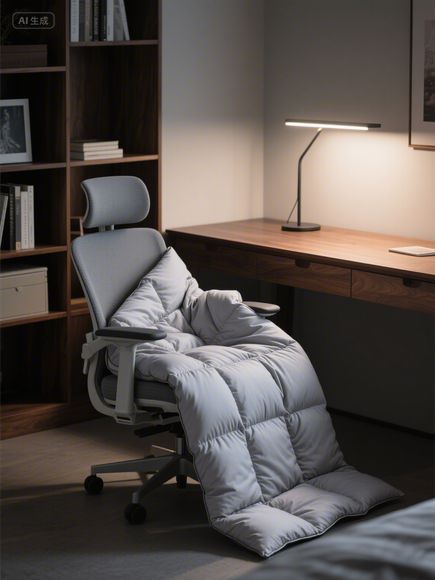
- Look for Certifications: Choose bedding from manufacturers who are certified by recognized organizations like Oeko-Tex Standard 100 (tests for harmful substances) or GRS (Global Recycled Standard) if recycled down is used. This ensures the product meets safety standards.
- Check the Fill Power: Fill power measures the quality and fluffiness of the down. Higher fill power (e.g., 700+ or 800+) means better insulation and quality. Higher quality down is less likely to break down prematurely.
- Read Labels Carefully: Ensure the label clearly states "pure goose down" or "down and feathers" (if feathers are included, they are usually less soft and more insulating). Avoid products that vaguely say "down" without specifying the type or quality.
- Consider the Shell Fabric: The outer shell should be tightly woven (like a sateen weave) to prevent dust mites and other particles from penetrating. Washable shells are a plus.
- Monitor Your Baby: If your baby has known allergies (especially respiratory or skin allergies), introduce new bedding gradually and monitor for any reactions (rashes, coughing, sneezing, difficulty breathing). Consult your pediatrician if you have concerns.
Comparing Bedding Options for Allergy-Prone Babies
Here's a comparison of common baby bedding fillings and their allergy profiles:
| Bedding Filling | Hypoallergenic Potential | Common Allergens | Care Considerations |
|---|---|---|---|
| Genuine Goose Down | ★★★ (Generally hypoallergenic) | ↓ Minimal protein fragments, not typically a major allergen | Requires proper care to prevent breakdown; professional cleaning recommended |
| Synthetic Fiberfill | ★★☆ (Varies by quality) | ↓ Potential chemical residues, breakdown particles | Machine washable; low-quality fillings may contain harmful substances |
| Wool | ★★☆ (Moderately hypoallergenic) | ↓ Lanolin (in lower quality wool), potential skin irritation | Requires special washing; some babies may be sensitive to lanolin |
| Silk | ★★★ (Highly hypoallergenic) | ↓ Natural protein fibers; rarely causes allergic reactions | Difficult to wash; expensive; some babies may have protein sensitivity |
Frequently Asked Questions (FAQs)
Q1: Can down bedding make allergies worse? A: Generally, high-quality down bedding is not known to make allergies worse. However, poor quality down that breaks down can release particles, and down bedding can trap dust mites, which are a common allergen. Proper care is key.
Q2: My baby has eczema. Can they sleep on a down comforter? A: Eczema is often linked to irritants, environmental factors, and sometimes food allergies, not necessarily down. Down itself isn't a strong trigger. However, the comforters must be soft, breathable, and washed regularly. If your baby reacts to any bedding, including down, consult your doctor. Some find silk or tightly woven cotton covers helpful for eczema.
Q3: What's the difference between down and feathers? A: Down is the soft, fluffy undercoat, excellent for insulation. Feathers are the outer protective layer, stiffer, more durable, and less soft. Most bedding labeled "down" uses down clusters, sometimes mixed with feathers for structure.
Q4: How do I know if my child is allergic to down? A: True down allergy is rare. Symptoms would likely be similar to other respiratory allergies (sneezing, runny nose, itchy eyes, coughing) or skin reactions (rash, hives) if sensitive to proteins. The best way to know is to introduce new bedding gradually in a well-ventilated area and watch for reactions. Consult an allergist if you suspect a specific allergy.
Real-World Scenario: Choosing Safe Bedding
Meet the Sharma family. Their baby, Leo, was diagnosed with mild eczema. They were worried about introducing potential allergens. They researched carefully. They chose a high-quality, hypoallergenic down comforter from a reputable brand known for its testing and certifications. They used tightly woven, washable covers for everything (mattress, sheets, blankets). They vacuumed the nursery regularly and used a HEPA air purifier. Leo tolerated the down bedding perfectly, and his eczema remained well-managed with their regular skincare routine. This example shows that with careful selection and maintenance, down bedding can be part of a safe sleep environment.
The Role of Jia Yu Textile Factory

When choosing down bedding, especially for sensitive babies, selecting a reliable manufacturer is important. Jia Yu Textile Factory, specializing in goose down products, emphasizes quality and safety. Their commitment ensures that their down products are:
- High Quality: Using premium goose down with high fill power for superior warmth and durability.
- Hypoallergenic: Employing processes that minimize the release of particles, making their products suitable for allergy-prone individuals.
- Safe Materials: Rigorously testing materials to ensure they are free from harmful substances, providing peace of mind for parents.
- Durable Construction: Building products designed to last, reducing the need for frequent replacements and minimizing waste.
Jia Yu Textile Factory focuses on producing down bedding that meets stringent quality and safety standards, addressing parental concerns about allergies and providing reliable, comfortable sleep solutions.
Conclusion
So, is your baby allergic to goose down? The evidence suggests that genuine, high-quality goose down is not typically a common allergen. Down is naturally quite hypoallergenic due to its protein composition and structure. The bigger concern with any bedding, including down, is usually dust mites, mold, or poor-quality fillings.
If you're considering down bedding for your baby, opt for high-quality products from reputable manufacturers like Jia Yu Textile Factory, ensure proper care and cleaning, and monitor your baby for any individual reactions. For most babies, the warmth and comfort of a well-made down product are worth the worry. Always consult your pediatrician if you have specific concerns about allergies or your baby's sleep environment.
Expanded Knowledge:
Good morning, friends!
关于鹅绒被是否适合婴儿使用的问题,答案因人而异,但根据一些观察和了解,我们可以从以下几个方面来探讨这个问题。
Q1:使用鹅绒被的婴儿是否可能出现过敏反应?
根据市场上的数据和用户反馈,鹅绒被在某些婴儿中可能存在过敏的风险,但这并不意味着所有婴儿都会对鹅绒被产生过敏反应,许多优质的鹅绒被品牌都经过严格的质量控制和测试,以确保其适合婴儿使用。
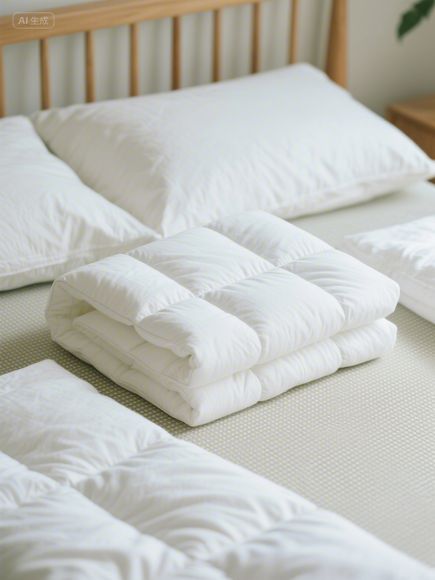
表格说明:
| 类别 | 信息 |
|---|---|
| 产品优势 | 佳羽纺织厂鹅绒被经过严格的质量控制,确保其安全性和适用性。 |
| 科学依据 | 一些研究表明,某些婴儿对某些物质可能存在过敏反应,但并非所有婴儿都会如此。 |
| 专家意见 | 一些专家认为,选择高质量的鹅绒被品牌可以降低婴儿过敏的风险。 |
关于产品优势的英文介绍:
佳羽纺织厂鹅绒被以其高品质、天然原材料和严格的质量控制而闻名,这些鹅绒被采用优质羽绒和天然纤维,经过精心挑选和加工,确保其保暖性能和舒适度,我们的产品还具有抗过敏特性,可以有效减少婴儿对某些物质过敏的风险。
案例说明:
某位家长在使用佳羽纺织厂鹅绒被的婴儿中,并未出现明显的过敏反应,这表明,选择优质的鹅绒被品牌可以降低婴儿过敏的风险,佳羽纺织厂鹅绒被以其高品质、天然原材料和严格的质量控制而备受信赖,为婴儿提供安全、舒适的睡眠环境。
对于是否适合婴儿使用鹅绒被的问题,答案因人而异,但通过上述分析,我们可以看出,选择高质量的鹅绒被品牌可以降低婴儿过敏的风险,如果您对佳羽纺织厂的产品感兴趣,您可以进一步了解其产品优势和用户评价。
Related articles
-

The Ultimate Guide to Heze Feather Down Blankets:A Comprehensive English Experience
-

How to Achieve Ultimate Warmth and Comfort:The Magic of White Goose Down Comforters
-
Testing the Authenticity of Sams Goose Feather Blanket:A Comprehensive Guide
-

Understanding the Excellence of Yuemiai Down Blanket:A Comprehensive Guide to Comfort and Quality