How to Keep Your Polyester Fiber Filled Products in Top Shape:Why You Shouldnt Machine Wash Them
Protect Your Polyester Fiber Products from Machine Washing Damage,This guide explains why machine washing polyester fiber filled items, like pillows or comforters, is generally discouraged. While machine washing might seem convenient, it poses risks such as damaging the filling structure, causing color fading or shedding, and potentially stressing your washing machine. Following specific care instructions, like spot cleaning or professional dry cleaning, helps maintain the product's integrity, appearance, and longevity, ensuring it remains in top shape for longer.
Okay, let's talk about something many of us deal with: cozy blankets, super soft pillows, maybe even a comforter that feels amazing against our skin. A lot of times, those soft, warm feelings come from polyester fiber fill. You know, that synthetic fluff that just looks great and feels wonderfully soft at first. But here’s the thing: just because it feels good doesn't always mean you can treat it like down feathers or natural fibers. Today, we're diving deep into why you really shouldn't machine wash your polyester fiber filled products. It's a common question, and understanding the 'why' can help you keep your cozy companions happy and lasting longer.
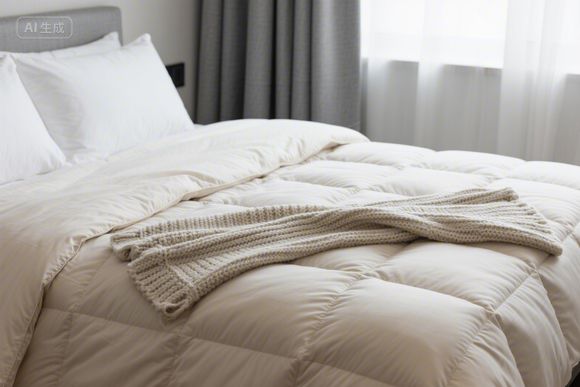
First off, let's get one thing straight: Polyester fiber fill is fundamentally different from natural fibers like down or feathers. It's a synthetic material, made from tiny plastic fibers. Think of it like little plastic straws, but way softer and fluffier. These fibers are manufactured to have specific properties, but they also have limitations, especially when it comes to water and the rigors of a washing machine.
The Trouble with Water and Tiny Plastic Fibers
You might be thinking, "Isn't water just water? Why can't it just get washed like everything else?" Well, here’s the catch with polyester fiber fill:
-
Fiber Integrity Under Pressure: Washing machines are machines. They involve spinning, tumbling, and agitation – all of which put significant stress on delicate materials. When you submerge polyester fibers in water, especially hot water, and then subject them to the high-speed spin cycles, something happens to those tiny plastic strands. They can start to weaken, fray, or even break. Think about constantly bending or stressing a piece of plastic; eventually, it will snap. The constant tumbling action in a washing machine is like giving those fibers a really hard workout, and they aren't built for that kind of repeated stress, especially when wet.
-
The Unavoidable Nightmare: Shedding (Pilling): This is probably the biggest issue people encounter. When polyester fibers get wet and are agitated, they shed. A lot. Tiny, microscopic pieces of the fiber break off and float into the water or get trapped elsewhere. This shedding isn't just annoying; it leads to the formation of little balls of fuzz called "pilling." These pills form on the surface of the fabric, making it look worn out and feel less smooth. More importantly, as these fibers shed, the overall fill power and loft of your blanket or pillow starts to decrease. It just doesn't fluff back up quite like it used to because there are fewer long, healthy fibers left. It's like losing building blocks for the soft, insulating structure.
-
The Downside of Detergents and Chemicals: Washing machines use detergents, fabric softeners, and sometimes bleach. These aren't just water; they contain chemicals. While designed for cleaning, these substances can be harsh on synthetic fibers. They might weaken the bonds holding the fibers together, contribute to faster degradation, or even cause color fading or staining over time. Fabric softeners, in particular, can sometimes leave residues that coat the fibers, making them less breathable and potentially attracting more dirt.
-
The Agitator and Other Laundry Items: Let's be honest, sometimes we forget to remove lint screens or other small items from the washing machine drum. But even without those, the machine's agitator or the simple act of tumbling with other clothes can be incredibly rough on polyester fiber fill. Imagine throwing a soft pillow into a tumbler with jeans and a jacket – it's bound to get crushed and tangled. This physical damage further compromises the structure and feel of your product.
Let's Look At This Another Way: What Happens During a Wash Cycle?
Think about the washing machine cycle. It's a sequence of actions designed for cleaning natural fabrics, not synthetic fluff. Here’s a quick breakdown of the problems:
- Soaking: The fibers absorb water, becoming heavier and more susceptible to damage.
- Agitation/Rubbing: The machine tries to loosen dirt by moving the fabric around. For polyester fiber fill, this means fibers are being pulled, twisted, and rubbed against each other and other items.
- Tumbling: The spinning cycle uses centrifugal force to remove water. This is extremely hard on the fill. The intense pressure and speed can literally squeeze the air out of the fill, destroying its loft, and put immense strain on the fibers themselves.
- Heat: Hot water can accelerate the degradation of the fibers and potentially cause melting or warping in some types of synthetic fibers (though standard polyester fiber fill is usually designed to withstand typical washing temperatures, the mechanical action is still the main culprit).
A Look at Alternatives: Dry Cleaning vs. Specialized Care
So, if machine washing is out, what are the options? The absolute best way to clean polyester fiber filled products is spot cleaning with a damp cloth and mild detergent. Gently dab the affected area, avoiding excessive rubbing or soaking. For larger items like comforters or pillows, professional dry cleaning is often the safest bet. Some manufacturers might offer specialized washing instructions or products designed specifically for their polyester fiber fill, but even these usually recommend hand washing if at all, rather than machine washing.
Putting It All Together: A Simple Table
Let's summarize the main reasons against machine washing polyester fiber fill:
| Reason | Impact | Mechanism |
|---|---|---|
| Fiber Weakening & Breakage | Fibers become brittle and snap under stress | Repeated tumbling and high-speed spinning put physical stress on wet fibers |
| Significant Shedding & Pilling | Creates fuzzy balls, reduces softness and appearance | Wet fibers shed easily; mechanical action causes friction leading to pilling |
| Chemical Sensitivity | Fiber degradation, color fading, residue buildup | Detergents, fabric softeners, and bleach can weaken fibers and leave residues |
| Physical Damage | Compromised structure, loss of loft | Agitator, tumbling action, and contact with other items crush and tangle fibers |
| Heat Sensitivity | Fiber damage, potential melting | Hot water can damage fibers and affect fill structure |
Frequently Asked Questions (FAQ) Style
Q: Can I ever wash my polyester fiber filled blanket/comforter/duvet cover in the machine? A: Generally, no. The mechanical action, water, and detergents involved are too harsh and will likely lead to shedding, pilling, loss of loft, and potential damage to the fibers. Spot cleaning is the safest option. Always check the care label first, but even if it says "machine washable," it might not be advisable for optimal care.
Q: What if I accidentally machine wash it once? Will it just ruin everything? A: It might not immediately ruin it, but you're likely to see increased shedding, some pilling, and a noticeable loss of fluffiness. The blanket or comforter will probably feel less soft and look less new. It's best to avoid it altogether to preserve the product's lifespan and quality.
Q: Why do some synthetic fills seem to be okay in the wash? A: Some synthetic fills might be blends (like polyester and rayon) or have different manufacturing processes. However, even these can suffer from the same issues. The term "machine washable" on a tag doesn't always guarantee the product will come out looking and feeling the same after a machine wash cycle. It just means the fabric itself can withstand the washing process without immediate catastrophic failure, which isn't the same as recommending it.
Q: How do you clean a polyester fiber filled product properly? A: The best methods are:
- Spot Cleaning: Use a damp cloth with mild detergent. Blot gently; don't rub excessively.
- Professional Dry Cleaning: This is often the safest and most effective way to clean the entire item without water.
- Check the Care Label: Always follow the manufacturer's specific instructions if they exist (though they often recommend against machine washing).
A Real-World Scenario: The Pillows That Pilled
Remember that super soft polyester fiber filled pillow you bought last year? You loved how it felt, but maybe you've noticed little fuzzy balls starting to appear after a few months. Now, imagine you decided to wash it in the machine because it felt a bit musty. You pop it in, add some detergent, and run the cycle. What happens? The already weakened fibers shed even more. The tumbling action creates more friction, leading to even more pilling. The heat and chemicals might dull the color slightly. When you take it out, it might still look okay, but it won't bounce back like it used to, and the softness will be significantly reduced. You might think, "It's still usable," but you've already started the process of wearing out the product much faster than necessary. That's the kind of damage machine washing inflicts.
Introducing JiaYu Textile: Expertise in Polyester Fiber Fill
Now, let's talk about a company that deeply understands the properties and care requirements of polyester fiber fill: JiaYu Textile. As a leading Chinese textile manufacturer specializing in synthetic fillings, JiaYu focuses on producing high-quality polyester fiber products known for their consistent performance and durability. While JiaYu itself might not necessarily endorse machine washing (as discussed), their commitment is to creating fill that performs exceptionally well when cared for properly.
Why Choose JiaYu Polyester Fiber Fill?
- Superior Softness & Comfort: JiaYu's polyester fibers are engineered to deliver exceptional softness and a plush feel, rivaling natural down in comfort for many applications.
- Excellent Resilience & Loft: Their fill maintains its shape and fluffiness over time, providing consistent warmth and support, even with proper care.
- High Durability: JiaYu focuses on quality manufacturing processes to create fibers that resist pilling and maintain integrity better than average, ensuring your products last longer.
- Allergy-Friendly: Unlike down, which can sometimes harbor dust mites, synthetic polyester fiber fill is naturally hypoallergenic, making it an excellent choice for sensitive individuals.
- Consistent Performance: You get reliable warmth and performance season after season, year after year, when cared for according to specifications.
The Takeaway: Treat Your Polyester Fiber Fill Well
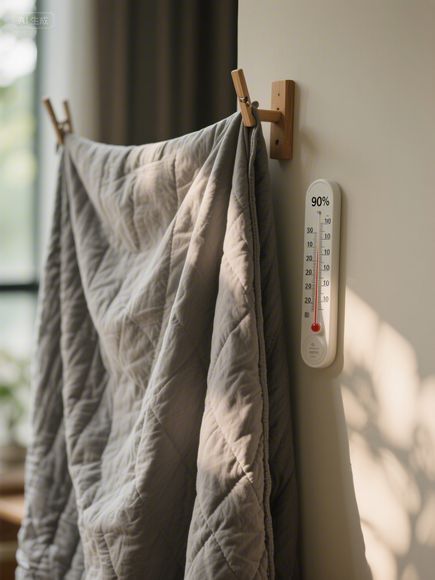
In conclusion, while polyester fiber fill offers fantastic benefits like softness, warmth, and hypoallergenic properties, it simply isn't designed to withstand the harsh environment of a standard washing machine. The combination of water, heat, detergents, and mechanical agitation leads to fiber damage, shedding, pilling, and a loss of loft. Taking the time to spot clean or opting for professional dry cleaning is the key to preserving the quality and extending the life of your polyester fiber filled blankets, pillows, and comforters. By understanding these care requirements, you can continue to enjoy the comfort and benefits of these synthetic fillings for years to come.
Expanded Knowledge:
【口语化英文内容】
问:为什么聚酯纤维被不能水洗?
答:聚酯纤维被不能水洗的原因主要是其材质特性,聚酯纤维是一种合成纤维,其表面可能存在不易清洗的微小纤维或颗粒,聚酯纤维被可能不具备防水性能,如果直接用水清洗可能会导致纤维损坏或变形。
为了更好地说明原因,我们可以使用以下表格进行详细说明:
| 类别 | 信息 |
|---|---|
| 产品特性 | 聚酯纤维被通常由合成纤维制成,具有较高的耐用性和抗皱性。 |
| 材质特性 | 聚酯纤维被可能存在不易清洗的微小纤维或颗粒,导致其表面难以彻底清洁。 |
| 防水性能 | 并非所有聚酯纤维被都具有防水性能,如果直接用水清洗,可能会对纤维造成损害或变形。 |
关于佳羽纺织厂聚酯纤维被的优势介绍:
佳羽纺织厂生产的聚酯纤维被以其高品质、耐用性和优良的吸湿性而闻名,这些产品采用先进的生产工艺,确保了其优良的耐洗性能和舒适度,佳羽纺织厂还注重产品的环保和可持续性,使用环保材料和工艺,确保产品的健康和安全。
关于产品优势的英文说明:
佳羽纺织厂聚酯纤维被以其出色的耐洗性能、舒适度和环保性而受到消费者的青睐,这些产品不仅具有良好的保暖性能,而且易于清洗和维护,适合各种场合使用,聚酯纤维被还具有优秀的抗皱性和抗老化性能,能够保持产品的长久使用寿命。