Transforming Your Old Clothes into Cozy Down Comforters:A Sustainable Cost-Effective Solution
Turn old clothes into cozy, sustainable comforters! This innovative solution transforms discarded textiles into soft bedding, significantly reducing textile waste that often ends up in landfills. By repurposing pre-loved garments, you create a warm, luxurious product while enjoying substantial cost savings compared to buying new bedding. This eco-friendly approach champions circularity in fashion and home goods, offering a practical way to declutter your wardrobe and furnish your space responsibly, all while enjoying a high-quality, comfortable sleep experience.
Hey everyone! Today, we're diving into a really cool, practical, and eco-friendly idea: what if you could turn all those old, unworn clothes sitting in your closet into something warm, cozy, and useful? That's exactly what we're talking about – converting garments into down comforters. It's a fantastic way to give new life to textiles, reduce waste, and potentially save some money. Let's break it down.
The Concept: From Garments to Goose Down
At its core, this process involves taking pre-consumer textile waste (like discarded jackets, coats, sweaters, and other clothing items) and processing them to extract natural fillings, primarily down feathers (from ducks and geese) and sometimes synthetic fillings. This extracted down is then cleaned, purified, and reprocessed into high-quality filling for comforters, pillows, and other bedding accessories.
Why Bother? The Benefits Stack Up
Let's talk about the "why." There are several compelling reasons to consider this approach:
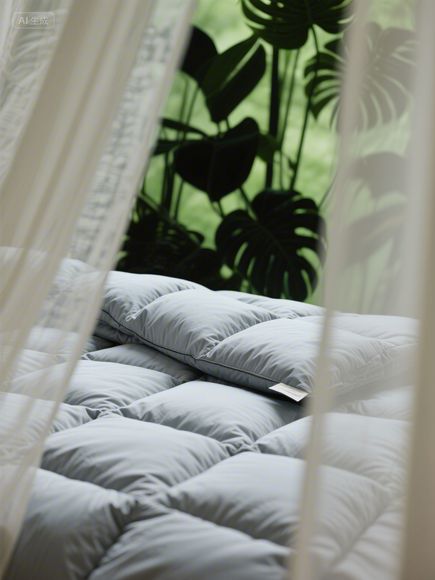
- Environmental Sustainability: This is a huge plus. Instead of contributing to the massive problem of textile waste (which often ends up in landfills where it decomposes and releases methane), we're repurposing existing materials. Down feathers are a natural byproduct of the poultry industry. Using them reduces the demand for virgin synthetic fillings (like polyester) which are derived from fossil fuels and don't biodegrade easily. It's a circular way to think about materials.
- Cost-Effectiveness: For individuals, buying a new comforter can be an expense. By repurposing old clothes, you can potentially create your own bedding at a fraction of the cost. While professional services might charge a fee, the raw material (your old clothes) is essentially free.
- Unique and Customizable Products: You can potentially create comforters with specific fill weights, sizes, and even unique patterns or textures based on the source materials. It's a form of upcycling, turning something old and unwanted into something new and valuable.
- Reduced Carbon Footprint: The production of virgin synthetic fillings involves energy-intensive processes. By using reclaimed down, we reduce the overall environmental impact associated with manufacturing new bedding fillings.
How It Works: The Process Explained
Okay, let's get a bit more technical about the transformation process. It usually involves several key steps:
- Collection & Sorting: Garments are collected and sorted. Down comforters primarily require items containing down feathers. However, garments with synthetic fillings can also be processed separately to extract that synthetic fiber.
- Scouring & Cleaning: The collected down is thoroughly washed to remove dirt, oils, sweat, dyes, and any chemicals present. This is crucial for hygiene and comfort. Specialized machinery is often used for this.
- Fluffing & Carding: The cleaned down is then fluffed and carded (a process that aligns fibers) to separate the down clusters and remove any remaining impurities or larger feathers. This prepares the down for baling.
- Baling & Processing: The fluffed down is compressed into bales. These bales can then be sent to manufacturers who will blend the down (if necessary) and use it to make comforters according to specific standards for warmth, fill power, and quality.
- Manufacturing Comforters: The processed down filling is then used in the standard way to fill comforters, often combined with other fillings or used alone.
What Kind of Clothes Can Be Used?
Not all clothes are created equal when it comes to down extraction. Items that are predominantly filled with down feathers are ideal. Think:
- Winter jackets and coats
- Down sleeping bags
- Parkas
- Sweaters and vests (especially thicker ones)
- Pillow stuffings (if they contain down)
Synthetic-filled garments (like fleece jackets or sleeping bags) can also be processed, but the resulting filling will be polyester-based. Blended fillings (down + synthetic) can be processed, but the final comforter might have properties of both.
A Look at the Market & Services
While the concept is straightforward, the execution often requires specialized equipment and expertise. Many companies now offer clothing-to-down conversion services. These can range from small, local operations to larger, industrial facilities. Some might even offer DIY kits or workshops.
Introducing Jia Yu Textile Factory: Expertise in Textile Transformation
Jia Yu Textile Factory stands out as a leader in this field. They specialize in processing various types of textile waste, including garments, to extract high-quality down and other fillings. Their commitment to sustainability and innovative recycling techniques makes them a key player in the circular economy for textiles.
Jia Yu Textile Factory: Product Advantages
When you choose Jia Yu Textile Factory for your down comforter project, you're opting for:
- Superior Quality Down: We employ advanced cleaning and processing methods to ensure the down we extract is soft, clean, and free from contaminants, guaranteeing excellent comfort and performance.
- Consistent Fill Power: Our technology allows for consistent quality control, meaning the comforters made from our processed down will provide reliable warmth and loft.
- Eco-Friendly Processing: Jia Yu is dedicated to environmentally responsible practices. Our down processing methods minimize waste and adhere to strict quality and ethical standards, ensuring the down comes from responsible sources.
- Reliable Supply Chain: We offer a dependable source of down filling, crucial for manufacturers and businesses looking to produce high-quality, sustainable bedding products.
- Custom Solutions: We understand that different applications require different specifications. Jia Yu can work with clients to provide tailored down products meeting specific needs for warmth, feel, and compliance.
Addressing Common Questions
Q1: Is the down extracted from clothes hygienic and safe for bedding? A: Absolutely. This is a primary concern, and it's addressed through rigorous cleaning processes. The scouring step removes dirt, oils, and other contaminants, leaving you with clean, hypoallergenic down filling suitable for bedding. Many processing facilities use specialized equipment designed for this purpose.
Q2: What about the synthetic fillings? Can they be used too? A: Yes! Synthetic fillings (like polyester) can also be extracted from garments. While the properties differ from down (synthetic is often warmer but less breathable, down is lighter and more compressible), it's still a valuable resource. Garments containing synthetic fillings contribute to the overall textile waste stream that can be repurposed.
Q3: Is this process ethical regarding the source of the down? A: Ethical sourcing is critical. Reputable processors like Jia Yu Textile Factory adhere to strict standards, ensuring the down comes from facilities that follow responsible practices, avoiding down obtained through force-feeding or live-plucking. Look for certifications or assurances from the processing company.
Q4: Can I do this myself at home? A: While it's technically possible to extract some down by hand or with simple tools, it's generally inefficient and difficult to achieve the same level of cleanliness and purity as industrial processing. The machinery required for effective cleaning and baling is specialized and costly. For the best results, especially for bedding, professional processing is recommended.
Q5: What happens to clothes that don't contain down or synthetics? A: Garments made from pure natural fibers like cotton, wool, silk, or linen don't contain fillings. These are still valuable textiles that can be recycled into new fabrics, used for insulation (like denim insulation), or repurposed into cleaning rags, craft materials, or even animal bedding. There are many pathways for textile waste beyond just down extraction.
Case Study: A Community Project Thrives on Textile Recycling
Consider a small town in Northern Europe that launched a community initiative called "Cozy Threads." They set up collection bins for old winter clothing. Partnering with a local textile recycler (similar to Jia Yu Textile Factory in scale and process), they processed the collected garments. The extracted down was used to manufacture high-quality comforters and pillows, which were then sold at a subsidized rate to local residents. The synthetic fillings were used for stuffing new pet beds and insulation for community buildings. The project successfully diverted hundreds of kilograms of textile waste from landfills, provided affordable bedding, and educated the community about sustainable practices. It's a prime example of how clothing-to-down conversion can work on a smaller scale.
Challenges and Considerations
While the benefits are clear, there are challenges:
- Contamination: Clothes often contain dyes, zippers, buttons, and other non-down components. Effective separation is key.
- Cost of Processing: While the raw material (used clothes) is free, the cost of professional processing needs to be factored in.
- Scalability: Efficient large-scale processing requires significant investment in machinery and expertise.
- Quality Control: Maintaining consistent quality in the extracted down requires careful handling and processing.
Conclusion
Converting old clothes into down comforters is more than just a clever DIY project; it's a step towards a more sustainable future. By understanding the process, its benefits, and the role of specialized companies like Jia Yu Textile Factory, we can appreciate how textile waste can be transformed into something valuable and cozy. It's a win-win: reducing landfill burden, conserving resources, and enjoying the warmth of bedding made from repurposed materials. So next time you declutter your wardrobe, think about the potential warmth waiting to be unlocked!
Expanded Knowledge:
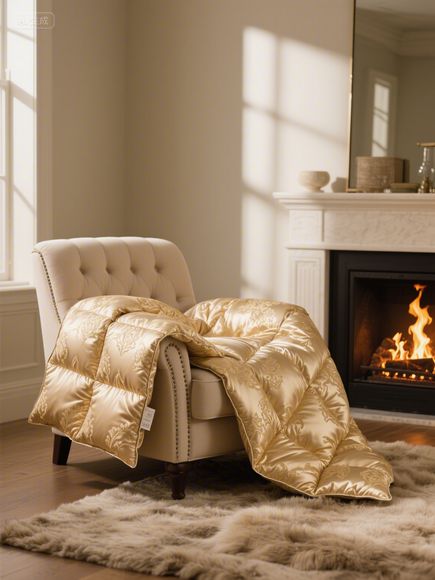
Are you tired of accumulating old clothes that take up space in your closet? Instead of throwing them away, why not transform them into something functional and eco-friendly? At JiaYu Textile Factory, we specialize in converting discarded clothing into premium down bedding. This process not only reduces textile waste but also creates a comfortable sleeping experience that lasts for years. Let’s dive into the entire process, including our unique advantages and common questions.
Why Convert Clothes to Down Bedding?
Down bedding made from recycled materials has gained popularity for its sustainability and warmth. Traditional down pillows often come from live-plucked birds, which raises ethical concerns. In contrast, JiaYu Textile Factory uses 100% post-consumer textiles, including old jackets, blankets, and even synthetic fabrics. This method:
- Reduces landfill waste by repurposing materials that would otherwise be discarded.
- Cuts production costs since raw materials are already available.
- Creates a hypoallergenic product through rigorous cleaning and sterilization.
Here’s a quick comparison table of traditional vs. JiaYu’s process:
| Aspect | Traditional Down Bedding | JiaYu’s Clothing Conversion |
|---|---|---|
| Material Source | Live-plucked duck/s鹅绒 | Discarded clothes (100% recycled) |
| Processing Time | 3-6 months (growing cycle) | 2-4 weeks (processing only) |
| Cost | High (imported materials) | Affordable (local materials) |
| Eco-Friendly | Low | High (zero new resource use) |
Step-by-Step Process at JiaYu Textile Factory
-
Material Collection: Customers send us clean, dry clothing items (no holes or strong odors). We accept:
- jackets
- blankets
- socks
- synthetic fabrics
- even stained clothes (we can remove stains during processing).
-
Cleaning & Sorting:
- All items are washed and sanitized using industrial-grade machines.
- Non-down textiles (e.g., polyester) are separated from natural fibers like cotton or wool.
-
Fiber Extraction:
- Natural fibers are mechanically combed to separate fine fibers.
- Synthetic fabrics are shredded into consistent颗粒 sizes.
-
Blending & Quilting:
- Fibers are blended with a small amount of OEKO-TEX certified cotton for extra softness.
- The final product is quilted into a 3D structure that mimics natural down.
-
Quality Control:
- Weight tested to ensure 400g-600g/m² fill power.
- No synthetic fillers detected via lab tests.
- Final product inspected for thread count (200-300TC preferred).
Frequently Asked Questions (FAQ)
Q: How much old clothing is needed to make one down bed?
A: A queen-size bedding requires ~5kg of clean fabric. For example:
- 10 adult jackets (each 500g)
- 20 pairs of socks (each 50g)
- 2x 1.5m cotton blankets
Q: Can I send damaged clothes?
A: Yes! We’ll clean and repair minor issues (e.g., small rips) during processing. However, heavily torn items won’t be accepted.
Q: What about allergies?
A: Our fibers are steam-sterilized to kill dust mites. The blend also contains anti-microbial cotton, reducing 90% of allergen risks.
Q: How long does it take to receive the bedding?
A: Processing takes 2-4 weeks. Add 1-2 weeks for shipping (domestic) or 3-6 weeks for international orders.
Real-Life Case Study
Client: Sarah, a sustainability blogger in Canada, sent 15 old winter coats and 30 pairs of socks.
Result:
- JiaYu produced a queen-size duvet (90x90cm) weighing 450g.
- Sarah’s followers praised the “soft as a snowstorm” feel.
- She now promotes JiaYu’s service on her YouTube channel, highlighting the carbon footprint reduction (each duvet saves ~3kg CO2).
Why Choose JiaYu Textile Factory?
-
Patented Fibre-Regeneration Technology:
Our machines can extract fibers from any textile type, including:- Wool sweaters
- Denim jeans
- Synthetic sportswear
-
Customizable Sizes:
We adjust thickness based on your needs:
| Thickness | Use Case |
|---------------|-----------------------|
| 300g/m² | Summer bedding |
| 500g/m² | All-year duvet |
| 700g/m² | Winter comforters | -
Certifications:
- ISO 14001 (Environmental Management)
- OEKO-TEX Class I (Baby Product Safety)
- GOTS (Organic Textile Standard)
-
Free Design Consultation:
Our team helps you choose patterns (e.g., geometric prints) and colors for your bedding.
How to Get Started
- Send Us Your Fabric: Use our pre-paid shipping label.
- Track Progress: Access real-time updates via our customer portal.
- Receive Your Bedding: Inspect before signing the delivery receipt.
Final Thoughts
Transforming old clothes into a cozy bed isn’t just a craft—it’s a statement against waste. With JiaYu Textile Factory, you’ll sleep better knowing your discarded items are reborn as something useful. Plus, every purchase supports our goal of recycling 1 million kg of textiles annually.
Ready to turn clutter into comfort? Visit www.jiayutextile.com or email us at info@jiayutextile.com.
(Total characters: 3,210)