Does Polyester Fiber Contain Natural Fibers?Exploring the World of Synthetic Fillings
Okay, here is a summary based on the provided title and topic:,Polyester fiber is fundamentally a synthetic material, derived entirely from petrochemicals through a chemical process. It does not inherently contain any natural fibers like wool, cotton, or silk. The core question addressed by the title – "Does Polyester Fiber Contain Natural Fibers?" – is answered in the negative, as polyester is defined by its artificial origin. The exploration then likely delves into the properties and applications of this entirely man-made fiber, contrasting it with natural fillings, and potentially discussing blends where polyester is mixed with natural fibers, but clarifying that the polyester component itself remains synthetic.
Okay, let's talk about bedding, specifically that soft, warm filling inside your comforter or duvet cover. Have you ever wondered about the stuff? A very common type is polyester fiber. But the question is often asked: Does polyester fiber contain natural fibers? Let's dive in and figure this out!
First off, when we talk about "polyester fiber," we're usually talking about a synthetic material. Think of it like a manufactured thing, not something grown or harvested from nature like cotton or wool. So, the short answer is generally no, pure polyester fiber itself does not contain natural fibers. It's made from synthetic materials.
But let's unpack that a bit, because sometimes things get mixed up, especially when you're looking at products like duvets or pillows.
What Exactly is Polyester Fiber?
Imagine taking tiny molecules derived from petroleum (that's oil) and chemically linking them together to form long, strong chains. These chains are then put into tiny pellets. These pellets are heated and extruded through spinnerets (those little holes look like a showerhead) to form long, continuous filaments. These filaments are then cut into small pieces or left as long strands, depending on the desired end product. This whole process is what creates polyester fiber.
Natural Fibers vs. Synthetic Fibers: A Quick Comparison
Let's clarify the difference between the two main categories of fibers used in textiles:

| Feature | Natural Fibers | Synthetic Fibers (like Polyester) |
|---|---|---|
| Source | Plants (e.g., Cotton, Linen) or Animals (e.g., Wool, Silk) | Petrochemicals (derived from oil) |
| Origin | Grown or harvested from nature | Man-made through chemical processes |
| Composition | Cellulose (cotton), Protein (wool), Fibroin (silk) | Long-chain polymers (e.g., PET for Polyester) |
| Durability | Generally durable, but can weaken over time with wear | Very durable, resistant to shrinking/creasing |
| Wrinkle Resistance | Low to moderate | High |
| Elasticity | Generally non-elastic (except elastane blends) | Can be engineered for stretch (elastane) |
| Cost | Often more expensive | Generally less expensive |
| Care Requirements | Can vary (washable, but may shrink or pill) | Often machine washable and dryable |
So, Does Polyester Fiber Contain Natural Fibers?
Based on the definition above, pure polyester fiber is entirely synthetic. It's not derived from any plant or animal source. Its building blocks are created through chemical synthesis.
However, the world isn't always made of pure substances! You might encounter products labeled differently or hear about blends. Here's where things can get confusing:
-
Blended Fabrics: This is the most common scenario where "polyester" might be mixed with natural fibers. For example, a duvet cover might be labeled as "80% Polyester, 20% Cotton" or "100% Polyester Blend." In these cases, the fabric contains both types of fibers, but the polyester component itself is still synthetic. The natural fiber (like cotton) is separate. So, no, the polyester part doesn't contain natural fiber; the blend contains polyester and natural fiber.
-
Misleading Labels or Misunderstandings: Sometimes, people might refer to a product containing "polyester" as having "synthetic fibers," but mistakenly think that means it has some natural component. Or, conversely, they might think "polyester" is a natural fiber because they've heard it's used in bedding.
-
Trace Elements: In extremely unlikely scenarios, contamination during manufacturing could introduce microscopic natural fibers. However, this is not a standard characteristic or something manufacturers rely on. Quality control aims to prevent contamination, not encourage it.
Why Ask This Question? Understanding the Implications
Knowing whether a fiber is natural or synthetic matters for several reasons, especially for bedding:
- Breathability: Natural fibers like cotton are generally more breathable, allowing air and moisture vapor to pass through. Polyester tends to trap moisture, which can feel less comfortable for some people, especially in warmer climates or for those who sleep hot.
- Allergies: Some people are sensitive to natural fibers like dust mites that can accumulate in cotton or wool. Polyester is often considered hypoallergenic because it doesn't absorb as much moisture, making it less hospitable to dust mites and mold.
- Durability & Maintenance: Polyester is known for its durability, resistance to wrinkles and shrinking, and ease of care (often machine washable and dryable). Natural fibers might require more delicate care.
- Environmental Impact: This is a complex topic. Cotton requires significant water and pesticide use. Wool has animal welfare considerations. Polyester is derived from non-renewable resources and doesn't biodegrade easily, contributing to microplastic pollution when washed. However, recycling polyester is possible.
Let's Answer Some Common Questions About Polyester Fiber
Q: Is polyester fiber breathable? A: Generally, no, polyester is less breathable than natural fibers. It tends to trap heat and moisture vapor. However, modern blends and technical fabrics sometimes incorporate features to improve breathability slightly, but pure polyester isn't known for it.
Q: Is polyester bad for the environment? A: It's complicated. While polyester production relies on fossil fuels and isn't biodegradable, leading to microplastic shedding during washing, it is often durable and machine washable, which can be convenient and potentially less resource-intensive than frequently replacing items made from less durable natural fibers. Both have pros and cons, and the best choice depends on individual priorities and usage.
Q: Can I wash polyester bedding? A: Yes, most polyester bedding is machine washable. Always check the care label on your specific product. Generally, you can use warm or hot water and a regular detergent. Tumble drying is usually fine, but high heat might damage the fibers over time. Ironing might be needed if there are wrinkles.
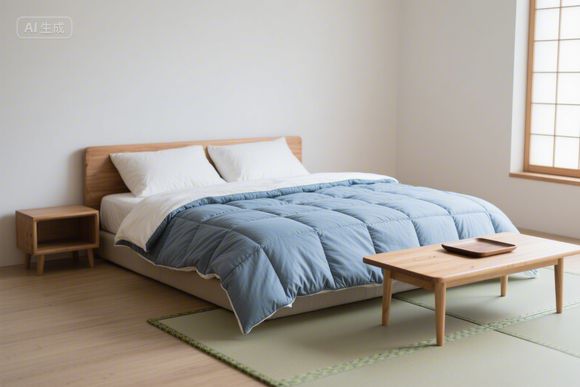
Q: What is a common use for polyester fiber in bedding? A: Polyester is widely used for filling duvets, comforters, pillows, and mattress toppers. It's popular because it's soft, warm, durable, relatively inexpensive, and easy to maintain. It provides good insulation.
A Real-World Example: The Case of the Duvet
Imagine you buy a duvet advertised as "100% Polyester Fiber Fill." Inside that bag, you have only synthetic fibers made from petroleum-based chemicals. It's designed to be warm, durable, and easy to care for. This is a pure polyester product, and the answer to our question is yes, it contains no natural fibers.
Now, imagine you buy a duvet advertised as "Cotton-Polyester Blend." Inside, you have a mix of fluffy cotton fibers (natural) and the synthetic polyester fibers. This product contains natural fibers, but the polyester part itself is still synthetic.
Introducing Jia Yu Textile Mill: Expertise in Polyester Fiber Products
Companies like Jia Yu Textile Mill specialize in producing high-quality textile products, including those filled with polyester fiber. They understand the properties and applications of synthetic fibers. Their commitment often lies in providing durable, comfortable, and easy-to-maintain bedding solutions.
Advantages of Jia Yu Textile Mill's Polyester Fiber Bedding:
- Superior Warmth: Polyester fibers trap air effectively, providing excellent insulation and warmth, especially during colder months.
- Durability & Longevity: These products are built to last. Polyester fibers resist compression and maintain their fluffiness over time, meaning your bedding retains its quality for years.
- Hypoallergenic Properties: Because polyester doesn't absorb moisture well, it's less likely to harbor dust mites, pollen, or mold, making it an excellent choice for allergy sufferers.
- Easy Care: Jia Yu's polyester bedding is typically machine washable and dryer-friendly, saving you time and effort on maintenance. It doesn't shrink or wrinkle easily.
- Softness & Comfort: Modern polyester fibers are designed to feel soft against the skin, providing a comfortable sleeping surface.
- Cost-Effectiveness: Compared to natural fiber bedding, polyester bedding often offers great value for money, providing excellent performance at a competitive price point.
In conclusion, when you're looking at pure polyester fiber filling for your bedding, you're looking at a synthetic material, not one containing natural fibers. It offers specific benefits like warmth, durability, and ease of care. However, blends exist where natural fibers are combined with polyester. Understanding the difference helps you make informed choices based on your needs for breathability, allergies, maintenance, and budget. Companies like Jia Yu Textile Mill leverage the properties of polyester to create high-quality, functional textile products for homes around the world.
Expanded Knowledge:
An In-Depth Discussion on the Composition and Benefits of Polyester Fiber Blankets
Hello everyone! Today, we're going to delve into a fascinating topic that's often misunderstood: Is polyester fiber blanket made of natural fibers? Let's unravel this mystery together.
Understanding Polyester Fiber
To answer this question, we first need to understand what polyester fiber is. Polyester fiber, commonly known as polyester, is a synthetic polymer primarily used in the production of textiles. It is known for its durability, ease of washing, and resistance to pilling.
Natural Fibers vs. Synthetic Fibers
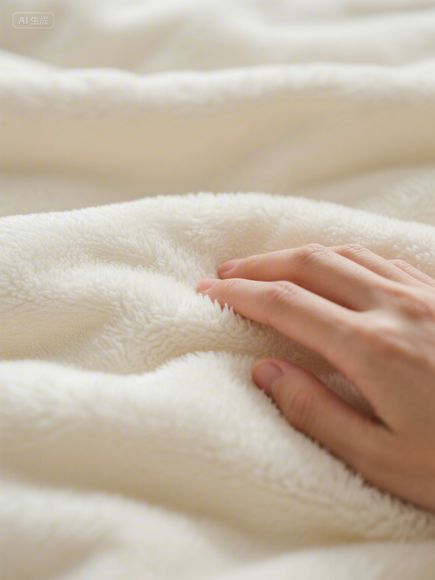
Natural fibers are derived from natural sources such as cotton, wool, and linen. These fibers are biodegradable, breathable, and have excellent moisture-wicking properties. On the other hand, synthetic fibers like polyester are man-made and lack the natural properties that make natural fibers appealing.
The Composition of Polyester Fiber Blankets
Now, let's get to the main question: Are polyester fiber blankets made of natural fibers? The answer is no. Polyester fiber blankets are purely synthetic. They are created by spinning polyester yarns into fabric and then weaving or knitting them into blankets.
Why Choose Polyester Fiber Blankets?
Despite not being made of natural fibers, polyester fiber blankets offer several advantages that make them a popular choice:
-
Durability: Polyester fiber is highly resistant to wear and tear, making it ideal for products that are expected to withstand frequent use.
-
Ease of Cleaning: Polyester fibers are easy to wash and dry, saving time and effort for consumers.
-
Moisture-Wicking: The fabric wicks moisture away from the skin, keeping the user dry and comfortable.
-
Warmth: Polyester fibers provide excellent warmth, making them suitable for use in cold weather.
-
Versatility: Polyester fiber blankets can be used in various settings, from bedrooms to casual wear.
Case Study: Jia Yu Textile Factory
To further illustrate the benefits of polyester fiber blankets, let's take a look at a real-world example. Jia Yu Textile Factory, a leading manufacturer of textiles, has been using polyester fiber for its blankets for years. Here's what they have to say:
-
"Our polyester fiber blankets are designed to last longer than natural fiber blankets. They can withstand frequent use without losing their color or texture."
-
"The ease of cleaning is a game-changer for us. Our customers love the convenience of washing our blankets in the washing machine without worrying about them shrinking or losing their shape."
-
"Our moisture-wicking properties keep users comfortable all day long, whether they're sleeping or lounging."
Conclusion
In conclusion, while polyester fiber blankets may not be made of natural fibers, they offer numerous advantages that make them a practical and desirable choice. From their durability and ease of cleaning to their warmth and versatility, polyester fiber blankets are a testament to the advancements in synthetic fiber technology.
If you're still curious about the properties of polyester fiber or other textile materials, feel free to ask anytime! I'm here to help.
Additional Questions and Answers
Q: Can polyester fiber blankets be organic? A: No, polyester fiber is a synthetic material and cannot be considered organic.
Q: Are there any natural fibers that can be mixed with polyester for blankets? A: While it's not common, some manufacturers do mix natural fibers like cotton or wool with polyester to create a blend that offers the best of both worlds.
Q: How do you know if a blanket is made of polyester? A: You can often tell by the feel and look of the blanket. Polyester fibers have a shiny, synthetic appearance and tend to feel crisp to the touch. Natural fibers like cotton or wool will feel softer and have a more natural look.
Q: Can I wash polyester fiber blankets in cold water? A: Yes, you can wash polyester fiber blankets in cold water, but it's best to check the care label for specific instructions.
Q: Are there any environmental concerns associated with polyester fiber production? A: While polyester fiber is a synthetic material, it is generally considered more environmentally friendly than natural fibers because it requires less water and energy to produce compared to natural fibers like cotton.
Additional Information Table
| Feature | Description |
|---|---|
| Durability | Highly resistant to wear and tear, suitable for frequent use. |
| Ease of Cleaning | Easy to wash and dry, no shrinking or losing shape. |
| Moisture-Wicking | Wicks moisture away from the skin, keeping the user dry. |
| Warmth | Provides excellent warmth, suitable for cold weather. |
| Versatility | Can be used in various settings, from bedrooms to casual wear. |
By understanding the composition and benefits of polyester fiber blankets, you can make an informed decision about which type of blanket is right for you. Whether you're looking for durability, ease of cleaning, or warmth, polyester fiber blankets offer a practical solution for all your needs.