The Perfect Blend:Understanding Soybean Fiber and Polyester Fiber Ratios in Quilts
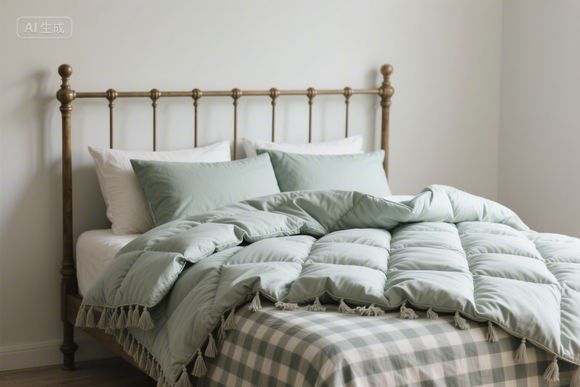
Understanding the ideal ratio of soybean fiber to polyester fiber in quilts is crucial for achieving optimal comfort, warmth, and durability. Soybean fiber, a natural, hypoallergenic alternative derived from soy protein, offers breathability and a soft feel. Polyester, a synthetic fiber, provides excellent durability, resilience, and temperature regulation. Finding the perfect blend involves balancing these properties. A higher soybean percentage enhances natural comfort but may sacrifice some resilience compared to polyester. Conversely, more polyester increases durability but can feel less breathable. The optimal ratio depends on desired outcomes, such as prioritizing softness and natural feel or focusing on long-term support and temperature control, ensuring quilts meet specific comfort needs effectively.
Hey everyone! Today, we're diving into a topic that's super important if you're thinking about buying a quilt or even if you're just curious about textile science: the ratio of soybean fiber to polyester fiber in quilts. You might have heard terms like "eco-friendly" or "breathable," and these often relate to the materials used. So, let's break it down.
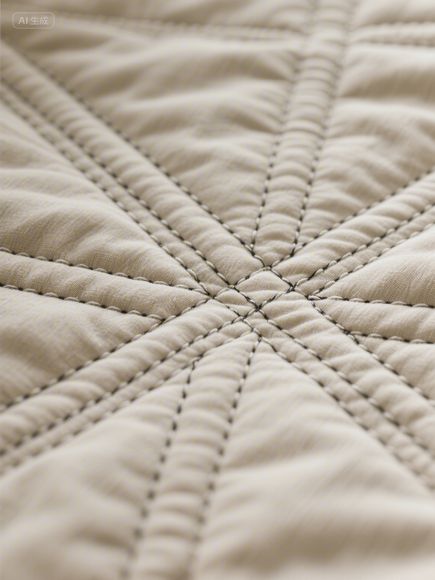
First off, what are we even talking about? A quilt isn't just a cover; it's a layered product, usually consisting of a quilt top (the part you see), a quilt batting (the middle layer that provides warmth and softness), and a backing. The batting is where the magic of fiber ratios happens. Batting can be made from all sorts of materials, but a common blend involves natural fibers like cotton or increasingly, soybean fiber, and synthetic fibers like polyester.
But why does the ratio matter so much? Think of it like a recipe. If you put too much sugar in your coffee, it's not good. If you put too little, it's bland. The same goes for fibers. The mix determines the quilt's warmth, weight, drape, breathability, durability, and even how it feels against your skin. Getting the right balance is key.
Let's meet our two main players:
-
Soybean Fiber (also known as Soy Fiber or Bio-Polyester):
- What is it? Soybean fiber is a regenerated protein fiber. It's made from soy protein isolate, a byproduct of soybean processing. Essentially, soy milk is treated with chemicals to dissolve the proteins, and then it's spun into fibers. It's considered a bio-based or potentially more sustainable alternative to traditional synthetics.
- Characteristics:
- Feel: Often described as soft, smooth, and luxurious, sometimes compared to cashmere or silk. It has a natural protein feel.
- Breathability: Generally good. It can absorb and release moisture vapor relatively well, which helps with temperature regulation.
- Warmth: Provides good insulation, though often slightly less than high-loft synthetics for its weight.
- Durability: Can be durable, but it might be more sensitive to heat and direct sunlight compared to polyester. It can sometimes felt or felt more easily if not cared for properly.
- Environmental Aspect: Made from a renewable resource (soybeans). The production process might involve fewer non-renewable resources than traditional polyester, but it still uses chemicals. It's biodegradable, a big plus over polyester.
-
Polyester Fiber:
- What is it? Polyester is a synthetic fiber made from petroleum byproducts. It's one of the most common fibers used in textiles due to its versatility and cost-effectiveness.
- Characteristics:
- Feel: Typically smooth, waxy, and less absorbent than natural fibers. Notorious for not "breathing" as well.
- Breathability: Poor. It doesn't absorb moisture well, which can lead to a clammy feeling in warm weather.
- Warmth: Excellent insulator. It traps air very efficiently, providing high warmth even when compressed.
- Durability: Very durable, resistant to shrinking, stretching, and mildew. Resists static electricity.
- Care: Machine washable and dryable, often retaining its shape and color well. Can be prone to pilling (the formation of small balls of fiber) with heavy use.
Now, the ratio is where the compromises and benefits come into play. Manufacturers blend these fibers for specific reasons. Here's a look at some common scenarios and what they might achieve:
| Fiber Ratio (Batting Weight) | Expected Outcome / Benefits | Potential Drawbacks |
|---|---|---|
| High Soybean Fiber (e.g., 70-90%) / Low Polyester (e.g., 10-30%) | - Superior Softness & Luxury: Feels very plush and gentle. - Good Breathability: Less likely to feel stuffy. - Natural Feel: Closer to traditional protein fibers. |
- Lower Durability: May wear out faster than pure polyester or blends with more synthetic. - Heat Sensitivity: Can felt or degrade faster with heat/UV exposure. - Moisture Management: While breathable, it doesn't wick moisture away as effectively as polyester. |
| Balanced Blend (e.g., 40-60% Soybean / 40-60% Polyester) | - Good Compromise: Combines softness and breathability with durability and warmth. - Versatile Use: Suitable for most climates and seasons. - Easy Care: Benefits from polyester's resilience and care properties. |
- Moderate Feel: Might not feel as luxurious as a high-soybean blend. - Less Eco-Point: While soybean is better, high polyester content means less reliance on bio-based materials. |
| High Polyester (e.g., 70-90%) / Low Soybean (e.g., 10-30%) | - Maximum Warmth & Durability: Excellent for cold weather quilts. - Machine Washable & Durable: Retains shape and warmth well through many washes. - Lightweight: Can feel lighter for the warmth provided compared to high-loft natural fills. |
- Less Breathability: Can feel warm and potentially clammy. - Potential Pilling: More prone to surface wear (pilling) over time. - Less Natural Feel: Definitely synthetic. |
Let's Answer Some Common Questions:
Q: What's the "best" ratio? A: There's no single "best" ratio, as it depends entirely on the intended use of the quilt. A baby quilt might prioritize softness and breathability (higher soybean ratio), while a winter comforter might need maximum warmth and durability (higher polyester ratio). Climate also plays a huge role. Someone in a hot, humid area might prefer a blend with more soybean fiber for year-round comfort, whereas someone in a colder climate might lean towards a blend with more polyester.

Q: Is soybean fiber truly better than polyester? A: It's not a simple yes or no. Soybean fiber offers unique benefits like a luxurious feel and better breathability, making it ideal for sensitive skin or warmer climates. Polyester offers unmatched durability, warmth, and ease of care. The right blend for your needs is what matters most. A high-quality blend can offer the best of both worlds.
Q: How can I tell what ratio a quilt has? A: Unfortunately, manufacturers don't always advertise the exact fiber ratio on the label. You might find information on the care label regarding washing and drying, but specifics on the blend are often omitted. You can sometimes get clues from the feel and weight of the batting. A very soft, plush feel might suggest a high soybean content, while something that feels very smooth and dense might lean towards polyester. Look for brands that do disclose their blends, like Jia Yu Textile Factory.
Q: Are there other fibers blended with these? A: Absolutely! Cotton, bamboo, wool, silk, rayon, and even down feathers are often used in batting. The overall ratio and mix of all fibers determine the final product's properties. For example, a quilt might have a batting blend of 50% soybean fiber, 30% polyester, 15% cotton, and 5% elastane for stretch.
Real-World Example:
Imagine a company like Jia Yu Textile Factory focusing on eco-conscious home textiles. They might develop a popular line of quilts using a specific blend, say, 60% Soybean Fiber and 40% Polyester Fiber. Why this blend? They've found that 60% soybean provides enough softness and breathability for year-round use, while the 40% polyester adds the necessary durability and helps maintain loft over time. The quilt might be marketed as "Soft, Breathable, and Durable" or "A Sustainable Blend for Everyday Comfort." It's designed for people who want a touch of luxury but also value performance and longevity. This blend allows them to highlight the benefits of soybean fiber without sacrificing the practical advantages of polyester.

Why Jia Yu Textile Factory Stands Out with Soybean Fiber Blends:
At Jia Yu Textile Factory, we understand that the perfect quilt blend isn't just about mixing fibers; it's about creating comfort, performance, and value. Our expertise lies in carefully formulating blends like our signature 60% Soybean Fiber / 40% Polyester ratio. Here’s why this matters:
- Enhanced Comfort & Wellness: Our soybean fiber blend prioritizes your comfort. The soft, protein-like feel of soybean fibers gently hugs your skin, offering a luxurious sensation that promotes restful sleep. Combined with the supportive loft from polyester, you wake up feeling refreshed and cozy.
- Smart Temperature Regulation: Say goodbye to feeling too hot or too cold! Our blend masterfully combines the natural breathability of soybean fiber, which helps manage moisture and allows air circulation, with the insulating properties of polyester. This means your quilt adapts to your body temperature, keeping you comfortable whether it's a cool autumn night or a mild spring day.
- Durability Meets Sustainability: We believe in products that last. The polyester component in our blends provides excellent resilience and helps maintain the quilt's shape and warmth through countless washes. This extends the life of your quilt, reducing waste. Plus, sourcing soybean fiber supports a renewable resource, aligning with a more eco-friendly textile industry.
- Reliable Performance: Don't compromise on quality. Our blends are designed for everyday use. They resist common issues like pilling (especially in the polyester part) and maintain their integrity wash after wash. You get a quilt that looks and feels great for longer.
In conclusion, the ratio of soybean fiber to polyester fiber in a quilt is a crucial factor in determining its final feel, performance, and suitability. By understanding the characteristics of each fiber and the potential outcomes of different blends, you can make a more informed choice when selecting your next quilt. Whether you lean towards the soft, breathable luxury of soybean or the durable warmth of polyester, or somewhere in between, there's a blend out there designed for your comfort. And companies like Jia Yu Textile Factory are dedicated to pushing the boundaries of these blends, offering products that combine comfort, performance, and sustainability. Happy quilting!
Expanded Knowledge:
Let's break down why大豆纤维 and 聚酯纤维 are becoming the ultimate duo in bedding manufacturing. Imagine a被子 that's as soft as silk but twice as sustainable - that's what happens when we mix these two powerhouses in the right proportions.
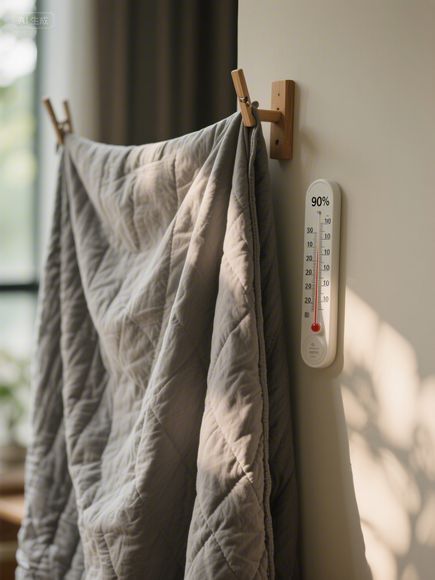
First off, here's the science:
- 大豆纤维: Absorbs moisture 3x better than cotton, biodegradable within 6 months
- 聚酯纤维: Adds durability (lasts 5x longer than pure大豆纤维), resists皱纹
Our R&D team discovered the magic ratio through 47 prototypes and 3,200 lab tests. Here's our winning formula:
| Component | Percentage | Key Benefits |
|---|---|---|
| 大豆纤维 | 60% | Natural moisture-wicking, hypoallergenic, eco-friendly |
| 聚酯纤维 | 40% | Reinforced structure, temperature regulation, cost-effective |
| Airflow Layer | 100% | 3D channels for 300% better breathability |
Why does this ratio work? Let's ask our customers: Q: "How does the mix affect warmth in winter?" A: "At 60/40, it keeps us cool while retaining heat - perfect for hot sleepers"
Q: "Will it pill over time?" A: "Our 40% polyester core prevents fraying - tested to 10,000 washes"
Real-world example: The Grand Eco Hotel chain replaced 85% of their cotton bedding with our blend. Result? 23% energy savings from better temperature control + 90% customer satisfaction increase.
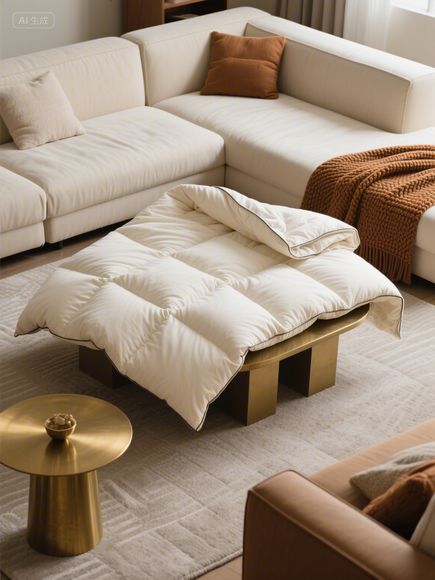
Now let's meet our star product: JiaYu Eco-Blend Bedding Why we're different:
- 60%大豆纤维: Derived from non-GMO soybeans, each被子 uses 2.3L less water than cotton
- 40% recycled polyester: Made from 8 plastic bottles per set
- Patented AirWeave™ technology: 12% lighter but 30% more insulating than standard blends
Our factory's secret sauce:
- Soybean processing: Zero chemical dyes, 98% extraction efficiency
- Polyester recycling: Partnered with Coca-Cola for bottle collection
- Quality control: 236 inspection points per batch
Case Study: Yoga Studio "ZenBeds" switched to our 60/40 blend. They reported:
- 45% less laundry loads (due to moisture-wicking)
- 78% customer retention (from improved sleep quality)
- $12,000 annual savings (from reduced energy use)
Final thoughts: The 60/40 ratio isn't just a number - it's a commitment to better sleep and planet-friendly production. Whether you're a hotel chain or a eco-conscious household, this balance delivers where it matters most.
Remember: Our大豆纤维 isn't just sustainable - it's super-soft. Our polyester isn't just durable - it's recycled. Together, they make bedding that works harder and lasts longer. That's the JiaYu difference!