How to Keep Your Down Comforter Fluffy and Fresh:A Complete Guide
This guide explains how to maintain your down comforter's fluffiness and freshness. It emphasizes proper cleaning, using gentle detergents, and air-drying to preserve the filling. Tips include shaking the comforter after washing and drying, storing it loosely in a cool, dry place, and using cedar blocks or vacuuming to eliminate clumping and odors. Following these steps ensures your down comforter stays soft, warm, and lasts longer.
Okay, let's talk about something most of us rely on heavily for cozy sleep and warmth: the down comforter. That soft, puffy layer we sink into? It's amazing, but it needs some TLC to keep its magic going for years. Proper care isn't just about keeping it clean; it's about preserving the structure of the down clusters, ensuring it stays warm, and preventing that dreaded 'lumpiness' that ruins a good night's sleep. Think of it like caring for a high-performance athlete – you need to give it the right maintenance!
Down, the natural insulation found in bird feathers (most commonly from ducks and geese), is incredibly effective at trapping heat while remaining lightweight and breathable. Its structure consists of fluffy clusters (called clusters or plumules) surrounded by protective barbs and barbules with tiny hooks. These hooks interlock to create a warm, insulating layer. When cared for properly, these clusters stay open and functional. But factors like moisture, oils from our skin, improper washing, and rough handling can damage them, leading to clumping, loss of loft, and reduced warmth.
So, how do you keep your feather down comforter in top shape? Let's break it down.

Understanding Your Down Comforter
Before jumping into cleaning, it's good to know what you're dealing with:
- Material: Most comforters label it as "down" or "feather blend." Pure down comforters are made entirely of feathers. Feather blend comforters contain both down and feathers, often using down for the body (where loft is needed) and feathers for the baffle box edges (for structure). For care instructions, we'll focus primarily on pure down unless specified otherwise for blends.
- Fill Power: This measures the 'quality' of the down. Higher fill power (e.g., 700, 800, 900) means fluffier, warmer, and more durable down. Lower fill power down (e.g., 500-600) is still usable but generally less premium. Higher fill power down tends to be more resilient and easier to fluff back into shape with proper care.
- Construction: Look for comforters with baffled boxes (separate compartments) or continuous fill. Baffled boxes can sometimes trap moisture or air, but modern designs are effective. Continuous fill allows the down to move freely across the entire surface, which is great for even warmth distribution but requires careful care to prevent shifting and clumping.
Basic Cleaning Guidelines
Not every spot requires a full wash! Knowing when to clean and how to clean is key.
-
Frequency: How often you need to wash your down comforter depends on usage and exposure. As a general rule:
- Wash at least once a year, or more often if you sweat heavily, live in a dusty environment, or have pets that shed.
- Spot clean immediately if you spill something.
- Check the care label attached to your comforter! It's the ultimate guide.
-
Washing Before First Use: Generally, manufacturers do not recommend washing a new down comforter before use. Washing can prematurely break down the down clusters. Instead, follow the care label instructions, which might involve air fluffing or a specific first-time care method.
-
Machine Washing vs. Dry Cleaning: Most high-quality down comforters are machine washable, but always check the care label. Some luxury or antique pieces might require professional dry cleaning. If machine washing is an option, follow the steps below carefully.
Step-by-Step Washing (If Necessary)
If you decide to wash your comforter, here’s how to do it correctly:
- Check the Care Label: This is non-negotiable. It will tell you the recommended water temperature, detergent type (usually hypoallergenic/down专用 detergent), and whether the comforter is machine washable or requires dry cleaning.
- Prepare the Washing Machine:
- Use a Large Capacity Machine: Down comforters are bulky, so you need a big enough washer. Top-loading with a agitator is generally discouraged as the agitator can damage the down clusters. A top-loader with a gentle action or a front-loader is better.
- Add a Laundry Bag (Optional but Recommended): A large pillowcase or mesh laundry bag can help contain the comforter during the cycle, reducing movement and protecting it from the machine's drum. This is especially helpful if you have a top-loader without a lower tub for rinsing.
- Add the Right Detergent: Use a hypoallergenic, fragrance-free, and dye-free down-specific detergent. Regular detergents can leave residues that attract dirt and damage the down. Avoid fabric softeners and bleach at all costs – they are toxic to down and can permanently damage the clusters.
- The Wash Cycle:
- Water Temperature: Follow the label, but typically warm (around 100°F or 40°C) water is often recommended for sanitizing. Hot water can damage the down.
- Cycle: Choose a gentle or delicate cycle. Avoid heavy agitation cycles.
- Duration: A shorter cycle is usually better. Don't let the comforter sit at the bottom of the washer for too long.
- Rinsing: Ensure you rinse thoroughly to remove all detergent residue. Residual soap is the number one cause of clumping and odor. You might need to run an extra rinse cycle. Again, check the label.
- Removing the Comforter: Carefully pull the comforter out of the washer. Be gentle to avoid tangling.
The Crucial Drying Process
This is arguably the most important step in caring for a down comforter. Improper drying is the leading cause of a comforter becoming lumpy, heavy, and less effective. Never air-dry a down comforter for the first time after washing. Washing removes the natural oils from the down clusters, and air-drying alone won't fluff them back up properly. Here’s the correct way:
-
Machine Drying (Recommended):
- Use a Large Capacity Dryer: Again, size matters. The comforter needs space to tumble freely.
- Add Dryer Balls or Tennis Balls: These help separate the clusters and speed up drying by allowing air to circulate better. Use several – typically 8-12. You can also use dedicated down dryer balls.
- High Heat Setting: This is key! High heat (as high as your dryer allows, but watch for the comforter's care label if it specifies a lower temperature) helps to open up the down clusters and fluff them back into their natural state. The heat also kills dust mites.
- Drying Time: This takes time! It can range from 1.5 hours to several hours, depending on the dryer size, down fill power, and humidity. Check the comforter periodically. You want it to be completely dry to the touch, with no damp spots. Gently squeeze a small amount of down between your fingers – it should crumble like fresh snow, not feel wet or heavy.
- Check Frequently: Don't leave it in the dryer for too long, as excessive heat or time can damage the down. Remove it as soon as it's dry.
-
Air Drying (Only if Label Permits and After Proper Machine Drying):

- Generally Not Recommended: As mentioned, air-drying alone after washing won't restore the loft. However, once the comforter is completely dry (preferably machine-dried), air-drying can be used for refreshing or if machine drying isn't possible.
- How to Air Dry Safely:
- Avoid Direct Sunlight: Prolonged sun exposure can degrade the down and fade colors.
- Choose a Well-Ventilated Area: Good air circulation helps prevent mildew.
- Support the Comforter: Use large, flat surfaces like drying racks with padded sheets, clotheslines with wide spacing, or sturdy hangers. Avoid hanging it by the corners or edges, as this can cause stretching or deformation.
- Fluff Constantly: Gently shake and pull the comforter every few hours to prevent clumping and ensure even drying.
- Ironing (Use Caution): If you need to remove wrinkles, use a low heat setting and a pressing cloth. Ironing while the comforter is still slightly damp can damage the down clusters. Never iron down comforters if they are completely dry.
Proper Storage
Even with the best care, proper storage is vital, especially during off-seasons or periods of non-use.
- Ideal Conditions: Store in a cool, dry, well-ventilated area away from direct sunlight, heat sources (like radiators or vents), and moisture (basements can be problematic).
- Avoid Plastic Bags: Plastic bags trap moisture and can suffocate the down, leading to mold and mildew. They also don't allow the comforter to breathe.
- Use Breathable Covers: Consider using a breathable cotton or linen dust cover. This protects the comforter from dust while allowing air circulation.
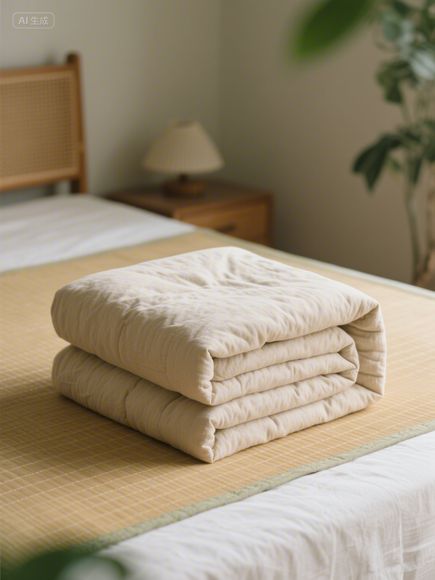
- Folding vs. Rolling: Folding can sometimes create creases where moisture gets trapped. Rolling is often preferred, but make sure the roll isn't too tight. Store the roll loosely on a shelf or rack.
- Avoid Compression Bags: These are sometimes used for space saving, but they are generally discouraged for long-term storage as they can compress the down and potentially damage the clusters over time.
Addressing Common Issues
- Down Clumping: This is the bane of many comforter owners! It usually happens due to trapped moisture, oil residue, or improper drying. To fix it:
- Machine Fluffing: Place the comforter in the dryer with a few tennis balls on a low heat setting for 15-20 minutes. This can help break up clumps.
- Hand Fluffing: Carefully pull apart clumps by hand, working section by section. Gently shake the comforter afterwards.
- Ensure Dryness: If dampness is the issue, make sure it's completely dry first.
- Odors: Down comforters can absorb odors from the environment or from us. Washing with the correct detergent and ensuring thorough drying should resolve this. If the odor persists, repeat the washing cycle or use a fabric freshener specifically designed for down (after ensuring it's completely dry).
- Lumpiness: Besides clumping, general lumpiness can occur if the down has shifted. Again, machine fluffing in the dryer can help redistribute the fill. If the problem persists, it might indicate significant damage to the down clusters, and it might be time to consider replacing the comforter, especially if it's an older one.
The Advantage of Choosing Jia Yu Textile Factory Down Comforters
When you invest in a high-quality down comforter, you're investing in warmth, comfort, and longevity. At Jia Yu Textile Factory, we pride ourselves on producing down comforters that stand the test of time, thanks to our commitment to quality and proper care principles:
- Premium Down Fill: We source high-quality duck down, often with excellent fill power (like 800 or 900), ensuring superior warmth and fluffiness. Our down undergoes rigorous quality control to meet international standards.
- Durable Construction: Our comforters are meticulously constructed using high-density quilting and sometimes advanced technologies (like baffled box construction) to maintain shape and prevent shifting, making them easier to care for and keeping their performance consistent.
- Clear Care Instructions: We provide detailed care instructions with every product, guiding you through washing (if applicable) and essential drying methods to preserve the down's integrity. Following these instructions is crucial for maximizing the life of your comforter.
- Focus on Resilience: Our manufacturing process aims to produce down clusters that are resilient and can withstand the proper care routine, returning to their natural fluffed state after washing and drying.
Putting It All Together: A Simple Case Study
Meet Sarah. She bought a beautiful down comforter from Jia Yu Textile Factory, known for its quality. She knows it needs care.
- Scenario: Sarah uses her comforter year-round. She sleeps with it, and her dog sometimes snoozes nearby (but she keeps the dog out of the bed area). She spills a glass of water once a month.
- Care Routine:
- Spills: She immediately blots the spill with a clean, dry towel, avoiding rubbing which could spread the water. She doesn't wash it unless necessary.
- Annual Wash: Once a year, she follows the care label instructions. She uses a large front-loading washer with a hypoallergenic down detergent, selects a gentle cycle with warm water, and then uses the dryer on high heat with tennis balls for about 2 hours until completely dry and fluffy.
- Storage: When the weather gets warmer, she stores the comforter in a breathable cotton cover in a cool, dry closet, rolled loosely.
- Outcome: Thanks to her diligent care routine aligned with Jia Yu's standards, Sarah's comforter remains wonderfully soft, warm, and evenly fluffy for many years. It doesn't develop clumps, resist drying, or lose its shape.
Conclusion
Caring for your down comforter might seem like a chore, but it's a small price for the comfort and warmth it provides. By understanding the material, washing it correctly (when needed), drying it thoroughly with high heat, and storing it properly, you can ensure your feather down comforter stays a cozy haven for years to come. Remember to always consult the care label for specific instructions regarding your particular comforter. With the right knowledge and effort, you can keep your downy haven perfectly puffed and ready for a good night's sleep. Happy fluffing!
Expanded Knowledge:
I: Introduction to Ductile Blanket Care
Q1: 如何正确打理鸭绒被?
A1: 对于鸭绒被的打理,首先要注意定期清洁,避免过度使用或长时间不使用,以下是具体的步骤:

日常清洁
使用温和的洗涤剂和软毛刷轻轻清洗鸭绒被表面,注意避免使用热水和强烈的洗涤剂,以免损坏面料。
定期晾晒
定期将鸭绒被拿到阳光下晾晒,以去除湿气和异味,注意避免直接暴晒,以免面料受损。
存储方式
存放鸭绒被时,应放在干燥、通风的地方,避免潮湿和高温。
II: 产品优势说明
A2: 佳羽纺织厂生产的鸭绒被具有以下优势:
产品优势一:优质材料
我们的鸭绒被采用优质鸭绒和纺织面料,确保了被子的保暖性和舒适性。
产品优势二:环保理念
我们注重环保理念,采用环保染料和工艺,确保被子无毒无害。
产品优势三:良好口碑

经过市场验证,我们的鸭绒被具有良好的保暖性和舒适性,深受消费者喜爱。
III: 案例说明
A3: 以佳羽纺织厂为例,其鸭绒被的打理方式如下:
日常清洁与晾晒流程
每日使用温和的洗涤剂和软毛刷清洗鸭绒被表面,然后拿到阳光下晾晒,这样不仅可以保持被子的清洁和保暖性,还可以延长其使用寿命。
存储方式与注意事项
在存储时,将鸭绒被存放在干燥、通风的地方,避免潮湿和高温,也要注意避免与其他粗糙或尖锐物品接触,以免损坏面料。
IV: 关于佳羽纺织厂鸭绒被的用英语说明介绍
佳羽纺织厂生产的鸭绒被以其优质材料、环保理念和良好口碑而备受消费者青睐,其采用优质鸭绒和纺织面料,确保了被子的保暖性和舒适性,我们也注重产品的环保理念和可持续发展,采用环保染料和工艺,确保被子无毒无害。