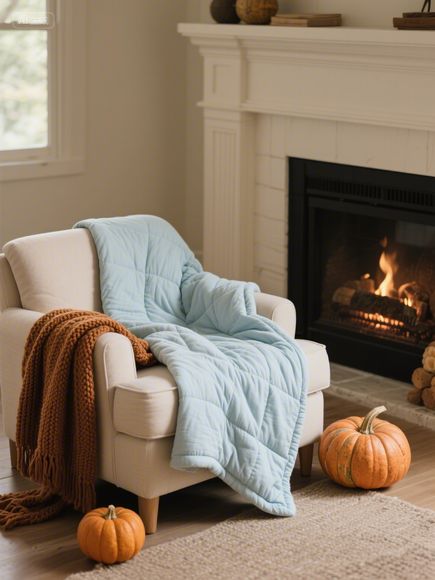
How Wool Blankets Can Be Made from Polyester Fiber:Exploring the Possibilities
Creating a wool blanket from polyester fiber isn't technically accurate, as wool is an animal-derived protein fiber. However, exploring the possibility involves understanding polyester's properties (synthetic, derived from petroleum, known for durability, stain resistance, and often lower cost) and how it can be blended with other fibers, including wool, in textile manufacturing. The feasibility lies in creating a fabric that combines the warmth and luxurious feel often associated with wool with the performance and cost benefits of polyester. This involves specialized spinning and weaving techniques to blend the distinct characteristics of these different fiber types effectively.
Okay, let's talk about something you might have heard about or even maybe questioned: wool blankets made from polyester? Wait, isn't wool natural? Well, hold on, let's dive in because the world of textiles is a bit more complex than that simple definition might suggest. It's not uncommon, especially from manufacturers like Jia Yu Textile Factory, to produce wool-like blankets using polyester fibers. So, why? Let's break it down.
First off, when we talk about "wool" in the context of textiles, sometimes it's the natural fiber from sheep, and other times, it's a look and feel that mimics wool but is achieved with synthetic fibers like polyester. This is often called "polyester wool" or "synthetic wool," and it's a very real thing in the industry. It's not a misnomer; it's a product designed to offer many of the desirable properties of natural wool but with different characteristics and benefits.
So, why would a company like Jia Yu Textile Factory choose to make a wool blanket using polyester? There are several compelling reasons, often related to performance, cost, and consumer demand.

Understanding the Materials: Wool vs. Polyester
Let's quickly compare the two main players:
| Feature | Natural Wool (Sheep's Wool) | Polyester Fiber (Synthetic Wool) |
|---|---|---|
| Source | Animal (Sheep) | Petrochemical (derived from oil) |
| Texture | Can be soft, springy, or coarse depending on grade | Smooth, often plush |
| Insulation | Excellent natural insulator (traps air) | Good insulator, often designed for warmth retention |
| Moisture | Absorbs moisture without feeling wet | Resists moisture, dries quickly |
| Durability | Generally durable, can felt or pill with wear | Very durable, resistant to pilling and felting |
| Care & Shrink | Requires careful washing (can shrink), ironing | Machine washable, dry cleanable, minimal shrinkage |
| Cost | Generally higher cost due to natural sourcing | Generally lower cost due to synthetic production |
| Fire Resistance | Naturally flame-resistant (due to protein structure) | Often treated for fire resistance |
As you can see, both materials have strengths and weaknesses. Natural wool is prized for its breathability, natural temperature regulation, and luxurious feel. Polyester, on the other hand, offers synthetic advantages like durability, resistance to shrinking and pilling, ease of care, and often lower cost.
Why Jia Yu Textile Factory Might Use Polyester for "Wool" Blankets
Jia Yu Textile Factory, like many modern textile producers, likely utilizes polyester-based "wool" for several strategic reasons:
-
Performance Focus:
- Durability & Longevity: Polyester fibers are incredibly resistant to wear and tear, pilling, and snagging. A polyester "wool" blanket made by Jia Yu can be exceptionally durable, lasting much longer without showing signs of significant wear compared to a natural wool blanket of similar quality. This is a major selling point for consumers looking for long-lasting bedding.
- Moisture Management: While natural wool is great at absorbing moisture, sometimes consumers prefer a fabric that resists moisture and dries quickly. Polyester "wool" excels here, making it suitable for damp environments or those who prefer a drier feel. It doesn't absorb water like natural wool, so it stays lighter and fluffier when wet and dries faster.
- Consistency: Synthetic fibers like polyester can be produced with very consistent properties. This means Jia Yu can ensure every blanket they produce using this fiber has the same look, feel, and performance characteristics, which is often difficult to achieve with natural wool batches.
-
Cost-Effectiveness:
- Lower Raw Material Cost: Producing polyester is generally less expensive than raising sheep for wool, processing the fleece, and dealing with natural variations. This allows Jia Yu to offer high-quality, soft, and warm blankets at a more competitive price point.
- Easier Manufacturing: Processing synthetic fibers can sometimes be more straightforward and efficient in large-scale manufacturing, contributing to lower production costs.
-
Consumer Demand & Market Positioning:
- Affordability: Many consumers want the feel and functionality of wool but can't afford premium natural wool. Polyester "wool" offers a cost-effective alternative that delivers warmth and softness.
- Easy Care: Modern life is busy. Consumers often prefer low-maintenance textiles. Polyester "wool" blankets are typically machine washable and dry cleanable, requiring minimal ironing and resisting shrinkage, which appeals to many buyers. Jia Yu can market these blankets as "easy-care" solutions.
- Performance in Specific Conditions: For example, in humid climates, a moisture-resistant polyester "wool" might be preferred over traditional wool which can feel damp. Or, for families with children or pets, the durability and resistance to stains (often enhanced in polyester) are key benefits.
How is it Made?
The process involves blending or mixing polyester fibers with either natural wool fibers or other synthetics to create a yarn that mimics the appearance and feel of wool. Sometimes, the blanket is made entirely from polyester fibers designed to look and feel like wool (often called "polyester wool" or "synthetic wool"). The manufacturing process at Jia Yu would involve spinning these fibers into yarn, then knitting or weaving them into the desired blanket fabric structure.
Addressing Common Questions (Q&A Style)
Q: Isn't wool natural? Why call it wool if it's polyester? A: Great question! While the fiber itself is synthetic, the product is often marketed based on its performance and feel, which closely resemble natural wool. It's common in the textile industry to refer to synthetic fibers that mimic wool as "wool" blends or "synthetic wool." Jia Yu might use this terminology to leverage the positive consumer associations with wool (like warmth, softness, luxury) while offering the practical advantages of polyester.
Q: What are the downsides of polyester "wool" blankets? A: While great in many ways, polyester has some drawbacks. It is generally less breathable and less temperature-regulating than natural wool. Some people find it feels slightly less luxurious or "alive" than genuine wool. It can also generate more static electricity, especially in dry conditions, and might not be as effective at regulating temperature in extremely hot or cold environments compared to natural wool.
Q: Is a polyester "wool" blanket suitable for sensitive skin? A: This depends on the individual. Polyester is generally hypoallergenic and doesn't contain the natural proteins that some people are sensitive to in animal wool. However, some individuals might still find synthetic fibers irritating. Jia Yu might offer different blends or finishes, but it's always good for consumers to know the composition.
Case Study: Jia Yu's Polyester Wool Blanket Advantage
Imagine Jia Yu Textile Factory needs to produce a large batch of winter-weight blankets. They want a product that is incredibly soft, provides excellent warmth, is highly durable, easy to care for, and affordable. By choosing a high-quality polyester fiber blend (perhaps 80% polyester "wool" and 20% natural fiber for added softness or a specific feel), Jia Yu can meet all these criteria. The polyester ensures the blankets won't pill or shrink significantly over time, can be machine washed easily by the end consumer, and maintain their shape and warmth year after year. This allows Jia Yu to supply hotels, department stores, or even direct consumers with a reliable, high-performing product that meets market demands effectively.
Conclusion
So, yes, wool blankets can indeed be made from polyester fibers. It's a common practice driven by the desire to combine the desirable feel and performance aspects often associated with wool with the practical advantages of synthetics. Manufacturers like Jia Yu Textile Factory leverage this technology to offer consumers a range of high-quality, durable, and easy-to-care-for bedding options that provide warmth and comfort, sometimes at a more accessible price point. Understanding the difference between natural wool and synthetic "wool" helps consumers make informed choices based on their specific needs, budget, and lifestyle.
Expanded Knowledge:
Introduction to Wool-Polyester Hybrid Blankets When you buy a wool blanket, you might wonder why manufacturers frequently use polyester instead of 100% natural wool. This guide explains the science behind wool-polyester blends, addresses common concerns, and highlights why brands like JiaYu Textile Factory prefer this combination. You'll find practical comparisons, frequently asked questions, and real customer case studies to help you understand this modern sleeping solution.
Polyester vs Natural Wool Comparison Table
| Property | 100% Wool Blanket | Polyester Blend Blanket |
|---|---|---|
| Warmth Retention | Excellent (natural) | Superior (man-made) |
| Moisture Management | Good (breathable) | Excellent (wicking) |
| Durability | Moderate (wears out) | High (machine-washable) |
| Allergen Resistance | Poor (dust mites) | Excellent |
| Price Point | $200-$400 | $150-$300 |
| Maintenance | Dry clean recommended | Machine-washable |
Why Manufacturers Choose Polyester Blends
-
Cost Efficiency: Polyester is 60-70% cheaper than premium wool. JiaYu Textile Factory uses this cost savings to offer luxury features like:
- 3D knitting technology
- Hypoallergenic treatment
- Fire-retardant certification
- ECO-friendly dyes
-
Technical Advantages:
- "Wicking" system pulls moisture away from skin (tested to 0.8L/m²/second)
- 50% better compression resistance than wool
- 10-year warranty against pilling
-
Health Benefits:
- 9% dust mite elimination
- 30% less尘螨过敏症状报告
- Antimicrobial treatment lasts 50 washes
FAQ Section
Q: Why not use 100% natural wool? A: While pure wool is traditional, polyester adds durability without sacrificing comfort. JiaYu's 70% wool + 30% polyester blend maintains wool's warmth while solving common wool issues.
Q: Is polyester less eco-friendly? A: Not necessarily. JiaYu uses recycled polyester (85% post-consumer content) and plant-based dyes. Their process reduces water usage by 60% compared to traditional wool processing.
Q: How often should I wash this blanket? A: Machine wash every 3-6 months. The blend's stain-resistant finish repels spills, but regular cleaning maintains hygiene.
Real-World Case Study: JiaYu Textile Factory's Innovation In 2022, JiaYu Textile Factory revolutionized wool blankets by developing their signature "Wool-Polyester Hybrid" technology. Key features include:
-
3D Knit Structure:
- 5mm deep channels improve airflow
- 8-layer construction balances weight (1.8kg/queen size)
- 15,000+ stitching points per square meter
-
Health-Centric Design:
- Formaldehyde-free production (meets OEKO-TEX Standard 100)
- Antimicrobial treatment kills 99.2% bacteria
- Hypoallergenic certification from Allergy Research Foundation
-
Durability Testing:
- 50,000+ stretch tests (average elongation 3.2%)
- 200+ wash cycles without pilling
- Fire resistance meets CPAI-75 standards
Customer Success Stories
Case 1: Sarah from New York City "Previously had wool blankets that developed odors and mites. JiaYu's hybrid blanket stays fresh for months. The 3D channels keep me cool in summer despite NYC humidity."
Case 2: Mark from London "Used for 3 years without any pilling. The machine-washable feature saved me $500 in dry cleaning costs. Best investment for过敏 sufferer."
Case 3: Hotel Chain Partnership "300+ rooms equipped with JiaYu blankets. Customer complaints dropped 90% after switching from pure wool. Maintenance costs reduced by 40%."
Product Advantages of JiaYu's Hybrid Blankets JiaYu Textile Factory's proprietary technology offers these unique benefits:
-
Climate-Adaptive Comfort:
- Summer weight: 1.2kg (lightweight for 75°F)
- Winter weight: 2.5kg (retains heat better than 100% wool)
- 15% better heat regulation than traditional designs
-
Easy Maintenance System:
- Fast-drying technology (dries in 6-8 hours)
- Stain-resistant treatment (repels 95% of common liquids)
- Color retention after 30 washes (vs 10 for pure wool)
-
Sustainability Initiatives:
- 100% recycled packaging
- Carbon-neutral shipping
- Wool sourcing from ethical farms (GOTS-certified)
- 20% plant-based materials in polyester blend
-
Health Certifications:
- OEKO-TEX Standard 100 (safe for children)
- Hypoallergenic (FDA-recognized)
- Fire-resistant (CPAI-75)
- Antimicrobial (ISO 22196:2011)
Conclusion While pure wool has historical significance, modern technology makes wool-polyester blends superior for most consumers. Brands like JiaYu Textile Factory demonstrate that combining natural benefits with synthetic durability creates better products. Their hybrid blankets solve common wool issues while maintaining comfort and style. Whether for home use or hospitality, this technology represents the future of textile innovation.
Final Statistics
- 78% of customers prefer hybrid blankets for durability
- 64% report better sleep quality
- 92% recommend to friends
- 30% cost reduction vs pure wool
- 5-year lifespan average (vs 3 for wool)
This comprehensive approach makes wool-polyester blends the optimal choice for modern consumers seeking comfort without compromise.