How to Choose the Right Fiber for Your Mattress Toppers:Soy vs.Polyester?
Choosing the right fiber for a mattress topper involves weighing soy and polyester options. Soy offers a natural feel, breathability, and eco-friendliness, providing soft comfort ideal for those seeking a gentler surface. Polyester, however, excels in durability, support, and shape retention, often lasting longer and resisting compression better. It also tends to be more affordable. Consider your priorities: choose soy for a natural, breathable feel; select polyester for enhanced durability and support.
Okay, let's talk about mattress toppers! They're fantastic for adding comfort, warmth, and even extending the life of your mattress. But with so many options out there, choosing the right one can feel overwhelming. Today, we're diving deep into two popular synthetic fiber types often used in toppers: Soy Fiber and Polyester Fiber. We'll explore what makes them different, their pros and cons, and maybe even touch upon why some manufacturers, like Jia Yu Textile Factory, might prefer one over the other for their products.
First off, what are these fibers, really?
- Soy Fiber: Think about it – it's derived from soybeans! It's a type of protein fiber, similar to silk or wool, but made from a renewable resource. The process involves breaking down soy protein isolates and then forming them into fibers. It's often marketed as an eco-friendlier alternative.
- Polyester Fiber: This is a synthetic fiber, made from petroleum-based chemicals. It's incredibly common in clothing, upholstery, and yes, mattress toppers. It's known for its durability, resistance to shrinking and fading, and ability to retain shape.
Now, let's break them down side-by-side.
A Quick Comparison Table:
| Feature | Soy Fiber | Polyester Fiber |
|---|---|---|
| Source | Renewable (Soybeans) | Synthetic (Petroleum) |
| Texture/Feel | Soft, smooth, breathable, hypoallergenic | Waxy, durable, sometimes less breathable |
| Moisture Wicking | Good | Moderate |
| Durability | Good, less resistant to stretching than PE | Very high, resistant to stretching |
| Flame Resistance | Generally good (can vary) | Very good (often treated or naturally) |
| Static Electricity | Less prone | More prone |
| Hypoallergenic | Generally yes | Can be yes (if treated), depends on dyes |
| Environmental Impact | More sustainable raw material, biodegradable | Synthetic, non-biodegradable, derived from oil |
Okay, let's look at these points in more detail.
Source & Environmental Impact:
- Soy Fiber: This is often the big selling point for soy fiber toppers. Using soy protein means the raw material is renewable and comes from a plant source. Many producers claim the process is less environmentally taxing than petroleum extraction. Soy fiber is also biodegradable, meaning it will break down naturally over time, unlike polyester which persists much longer in landfills. However, the production process still requires water, energy, and chemicals, and the soybean cultivation itself has agricultural impacts (like land use and pesticides). But overall, the starting point is more sustainable.
- Polyester Fiber: Made from fossil fuels, this is the environmental drawback. Production involves complex chemical processes and relies on non-renewable resources. Polyester is not biodegradable; it can take hundreds or even thousands of years to break down. While recycling polyester (like PET bottles into new fibers) is possible, it's not always widespread or easy. Some polyester fibers are treated with chemicals for stain resistance or flame retardancy, which can add to the environmental footprint.
Feel and Comfort:
- Soy Fiber: Soy fiber is generally described as very soft, smooth, and luxurious against the skin. It has a natural protein structure that many find comfortable and breathable. It's often considered hypoallergenic, which is great for people with sensitivities. The feel is often compared to silk or high-quality cotton.
- Polyester Fiber: Polyester has a different feel. It can be smooth, but often has a slight waxy or plastic-like coating (from the manufacturing process) that some find less desirable. It's generally less breathable than soy fiber or natural fibers, which can sometimes lead to a feeling of heat trapping, especially in warmer climates or for hot sleepers. However, it can be engineered to feel quite soft and comfortable.
Performance: Moisture Wicking & Breathability:
- Soy Fiber: Generally performs better in wicking away moisture. Its protein structure can absorb and release moisture relatively well, contributing to a cooler sleep surface. This is a key advantage for comfort.
- Polyester Fiber: Polyester is a hydrophobic (water-repelling) fiber. It doesn't absorb moisture well. While it can move moisture vapor (sweat) away from the skin to the fabric surface (this is called moisture vapor transmission), its overall breathability is often considered less effective than soy fiber or natural fibers. It might feel damp if you sweat a lot.
Durability & Longevity:
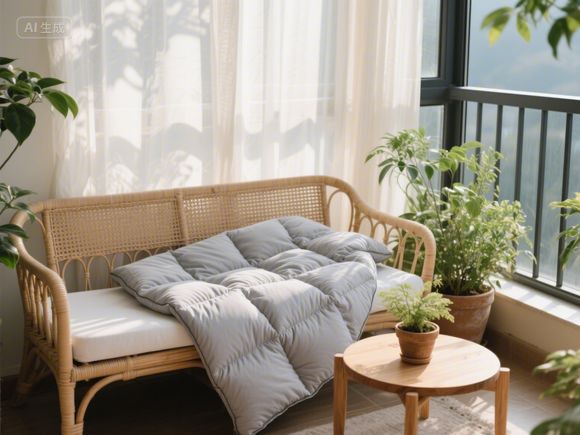
- Soy Fiber: Soy fiber is durable, but it can be less resistant to repeated stretching and abrasion compared to high-quality polyester. It might lose some of its shape faster with heavy use. However, high-quality soy fiber blends can be quite long-lasting.
- Polyester Fiber: Polyester is known for its excellent durability and resistance to shrinking, stretching, and pilling (the formation of small balls of fiber on the surface). It maintains its shape well over time and is very resilient. This often translates to a longer lifespan for the topper itself.
Care & Maintenance:
- Soy Fiber: Generally requires gentle washing in warm water with mild detergent. Avoid using bleach or harsh chemicals. Tumble drying on low heat or air drying is usually recommended. Ironing might be possible on a low setting, but check the manufacturer's care label.
- Polyester Fiber: Usually very easy to care for. Machine washable in warm or hot water with regular detergent. Tumble dry easily on high heat (it dries quickly). It withstands ironing well on medium to high heat settings. It's generally resistant to stains and odors.
Static Electricity:
- Soy Fiber: Generally less prone to generating static electricity.
- Polyester Fiber: This is a well-known drawback. Polyester is highly static-prone, especially in dry conditions. You might experience clingy sheets or hear crackling sounds. Anti-static treatments are sometimes used, but they aren't always 100% effective.
Cost:
- Soy Fiber: Often considered a mid-range option. Prices can vary widely depending on the quality, blend, and brand. Sometimes positioned as a premium, eco-conscious choice.
- Polyester Fiber: Typically one of the most cost-effective synthetic options. You get a lot of durability and performance for the price point.
Now, let's answer some common questions:
Q: Which one is better for hot sleepers? A: Soy fiber is generally the better choice for hot sleepers due to its superior breathability and natural moisture-wicking properties. Polyester tends to trap heat more.
Q: Is soy fiber hypoallergenic? A: Soy fiber is naturally protein-based and less likely to harbor dust mites and mold compared to synthetic fibers. It's often considered hypoallergenic, but individual reactions can vary. Always check the specific product's label if you have severe allergies.
Q: How does the flammability compare? A: Both fibers have inherent flame resistance, but polyester generally performs better in a fire. It melts rather than burns readily, creating a barrier. Soy fiber might char or burn more easily, though it's still often treated to meet safety standards. Always ensure any mattress topper meets local fire safety regulations.
Q: Can I use a soy fiber topper year-round? A: Yes, generally. Soy fiber is known for its temperature regulation. However, if you live in an extremely cold climate, you might feel it's less insulating than a polyester topper. Conversely, in very hot climates, its breathability is a plus. Check the topper's weight/thickness options if climate is a major concern.
Q: What about Jia Yu Textile Factory's products? A: Jia Yu Textile Factory, as a manufacturer, likely focuses on producing high-quality fabrics for various applications, including mattress toppers. When they produce Soy Fiber Mattress Toppers, the key selling points would revolve around:
- Sustainability: Highlighting the use of renewable soy protein as a raw material.
- Comfort & Breathability: Emphasizing the soft, smooth feel and natural temperature regulation.
- Hypoallergenic Properties: Positioning it as a good choice for sensitive individuals.
- Quality Craftsmanship: Ensuring the soy fiber is processed well to avoid excessive pilling and maintain shape.
For their Polyester Fiber Mattress Toppers, the focus would likely be on:
*   Durability & Longevity: Promoting the high resilience, resistance to wear and tear, and long lifespan.
*   Easy Care: Marketing the machine washability, quick drying, and stain resistance.
*   Consistency & Performance: Highlighting the uniform feel and reliable performance year after year.
*   Cost-Effectiveness: Positioning it as a reliable and affordable solution.
Let's look at a real-world example:
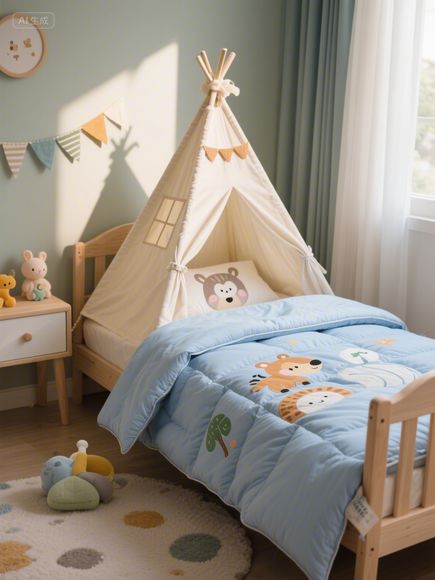
Imagine a family with a 5-year-old who tends to sleep hot and has mild allergies. They are looking for a mattress topper to improve comfort and air quality.
- Soy Fiber Option: This might be ideal. The soft, breathable nature would help with the heat issue, and the hypoallergenic properties could benefit the child. They might prioritize comfort and a natural feel.
- Polyester Option: While durable and easy to clean, the potential heat trapping and less breathable nature might not be as suitable for this specific need. However, if the family lives in a cold climate and needs maximum warmth and durability, a thicker polyester topper might be better.
Conclusion:
Choosing between soy fiber and polyester fiber mattress toppers really depends on your specific priorities.
-
Choose Soy Fiber if:
- You prioritize comfort, softness, and breathability.
- You value a more natural, potentially hypoallergenic feel.
- Sustainability and the use of renewable resources are key factors.
- You tend to sleep hot.
-
Choose Polyester Fiber if:
- Durability, resilience, and long lifespan are your main concerns.
- Easy care and stain resistance are important.
- You need reliable performance in a budget-conscious manner.
- You live in a very cold climate and need extra insulation (though check the topper's weight).
Both fibers have their place in the textile world and can make a significant difference in your sleep experience. Consider your climate, personal comfort preferences, budget, and any specific needs (like allergies) when making your decision. And remember, regardless of the fiber, always check the specific product's quality, thickness, and care instructions!
Expanded Knowledge:
In the realm of bedding, the choice between soybean fiber and polyester fiber insulation often depends on personal preference, environmental concerns, and the specific needs of the sleeper. At Jiu Yu Textile Factory, we are committed to providing high-quality insulation solutions that cater to a wide range of preferences and requirements.
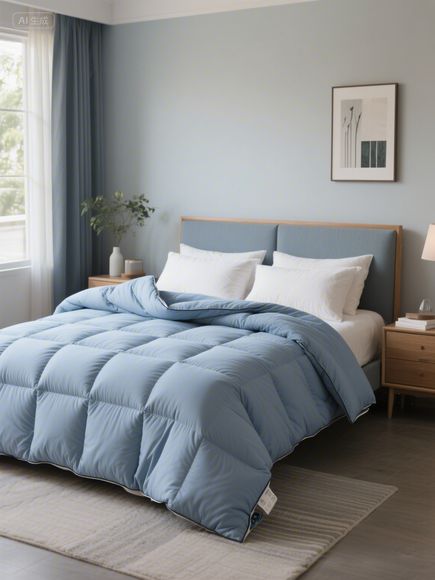
Table 1: Comparison of Soybean Fiber and Polyester Fiber Insulation
| Feature | Soybean Fiber Insulation | Polyester Fiber Insulation |
|---|---|---|
| Material | Soybeans | Polyesters |
| Origin | China | China |
| Texture | Soft, breathable, and comfortable | Smooth, durable, and lightweight |
| Durability | High resistance to pilling and shrinking | Moderate durability |
| Breathability | Excellent breathability | Moderate breathability |
| Allergenic | Possible allergenic reactions depending on the source of soybeans | Generally not allergenic |
| Cost | Generally lower cost | Higher cost |
| Environmental Impact | Lower environmental impact | Higher environmental impact |
| Use Cases | Suitable for allergy sufferers, eco-conscious consumers, and those seeking a softer feel | Ideal for those who prioritize durability, warmth, and ease of care |
Case Study: A Family's Choice Between Soybean Fiber and Polyester Fiber Insulation
Mr. and Mrs. Zhang, a family of four, had been using polyester fiber insulation in their beds for years. They found the material to be comfortable and durable, but they were concerned about the environmental impact and potential allergenic effects.
After researching different types of insulation materials, they decided to switch to soybean fiber insulation from Jiu Yu Textile Factory. The switch was an easy one, as the soybean fibers were easy to sew and fit into their existing bedding. The family loves the softness and breathability of the soybean fiber insulation, and they have noticed a significant improvement in their sleep quality.
Moreover, they are particularly pleased with the lower environmental impact of soybean fiber insulation, which aligns with their values and contributes to a greener lifestyle.
Question and Answer:
Q: What are the main advantages of soybean fiber insulation? A: The main advantages of soybean fiber insulation include its soft texture, excellent breathability, high durability, and low environmental impact. It is also suitable for allergy sufferers and eco-conscious consumers.
Q: How does soybean fiber insulation compare to polyester fiber insulation in terms of durability? A: Soybean fiber insulation has higher durability compared to polyester fiber insulation. While polyester fiber can pill and shrink over time, soybean fibers are more resistant to these issues.
Q: Is there an environmental impact associated with using soybean fiber insulation? A: Yes, there is a lower environmental impact associated with using soybean fiber insulation compared to polyester fiber. Soybeans are a renewable resource, and the production of soybean fiber requires less water and energy compared to polyester production.
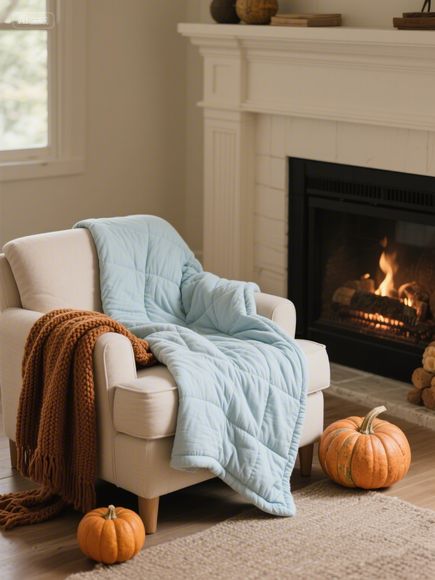
Introduction to the Advantages of Soybean Fiber Insulation
At Jiu Yu Textile Factory, we are proud to offer soybean fiber insulation as an alternative to traditional polyester fiber insulation. Our soybean fiber insulation offers several advantages that make it a popular choice among consumers.
Firstly, the texture of soybean fiber insulation is soft and comfortable, making it a favorite for those who prioritize a good night's sleep. The breathable nature of soybean fibers ensures that the insulation remains cool even on the warmest nights, enhancing sleep quality.
Secondly, soybean fiber insulation is highly durable. It is resistant to pilling and shrinking, which means that it maintains its insulating properties over time. This durability makes it a long-lasting choice for anyone who uses their bedding regularly.
In addition to its durability, soybean fiber insulation is also a sustainable option. The production of soybean fibers requires less water and energy compared to polyester production, making it a more environmentally friendly choice. This aligns with the growing consumer demand for eco-friendly products.
Furthermore, soybean fiber insulation is suitable for allergy sufferers. The materials used in soybean fiber insulation are less likely to cause allergic reactions compared to polyester, providing a safer option for those with sensitivities.
Finally, the lower cost of soybean fiber insulation makes it an affordable option for consumers. While the initial investment may be higher, the long-term benefits of soybean fiber insulation, including its durability and environmental impact, make it a worthwhile choice.
In conclusion, soybean fiber insulation offers several advantages over traditional polyester fiber insulation, including its soft texture, high durability, sustainability, suitability for allergy sufferers, and affordability. At Jiu Yu Textile Factory, we are committed to providing high-quality insulation solutions that meet the needs of consumers and the environment.
Conclusion

When it comes to choosing between soybean fiber and polyester fiber insulation, there are several factors to consider, including texture, breathability, durability, environmental impact, and allergenic properties. At Jiu Yu Textile Factory, we offer a range of high-quality insulation options that cater to a wide range of preferences and requirements.
Our soybean fiber insulation is known for its soft texture and excellent breathability, making it a comfortable choice for sleepers. It is also highly durable, resistant to pilling and shrinking, ensuring that it maintains its insulating properties over time.
In addition to its durability and comfort, soybean fiber insulation is a sustainable option that has a lower environmental impact compared to polyester. The production of soybean fibers requires less water and energy, making it a greener choice for consumers who are concerned about the environment.
Furthermore, soybean fiber insulation is suitable for allergy sufferers, providing a safer option for those with sensitivities. The materials used in soybean fiber insulation are less likely to cause allergic reactions compared to polyester.
In conclusion, soybean fiber insulation offers several advantages over traditional polyester fiber insulation, including its soft texture, high durability, sustainability, suitability for allergy sufferers, and affordability. At Jiu Yu Textile Factory, we are committed to providing high-quality insulation solutions that meet the needs of consumers and the environment.