Exploring the Advantages and Disadvantages of Polyester Fiber Summer Quilts
What are polyester fiber summer quilts? They are lightweight bedding options made from synthetic fibers. Advantages include breathability, temperature regulation, affordability, durability, and resistance to moisture and mildew. Disadvantages involve potential heat retention, environmental concerns regarding synthetic materials, and a generally less luxurious feel compared to natural fibers like cotton.
Alright, let's dive into the world of summer bedding. If you're looking for a quilt to keep you cool and comfortable during those hot months, you've probably come across polyester fiber options. But what's the real deal with these synthetic beauties? Are they a game-changer or just another synthetic option to avoid? Stick with me as we break down the pros and cons of polyester fiber summer quilts.
First off, let's talk about what polyester fiber actually is. It's a synthetic fiber made from petroleum byproducts. It's known for its strength, durability, and resistance to wrinkles and shrinking. But how does this translate to a summer quilt? Well, let's find out.
One of the biggest advantages of a polyester fiber summer quilt is its lightweight feel. Unlike heavier cotton quilts, a polyester one feels airy and doesn't drag you down. This makes it perfect for hot nights when you just want to feel as light as possible. Plus, polyester quilts are often treated with special finishes that help them wick away moisture. So, if you tend to sleep hot or live in a humid area, a polyester quilt might keep you drier and more comfortable.
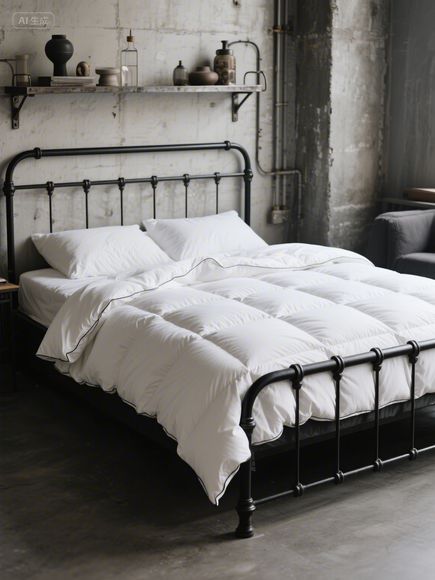
Another perk is its durability. Polyester quilts are built to last. They don't pill or wear out as quickly as some natural fiber quilts. This means you can enjoy your investment for years to come without worrying about it falling apart. Plus, they're easy to care for. A quick wash and dry, and you're good to go. No ironing necessary, which is a huge plus for anyone who values their sleep-in peace and quiet.
But wait, let's not just talk about the good stuff. Every coin has two sides, right? So, what are the downsides of a polyester fiber summer quilt? One thing to consider is breathability. While polyester is good at wicking moisture away, it doesn't breathe as well as natural fibers like cotton or linen. This means it might not be the best option if you're looking for a quilt that allows air to circulate freely. If you tend to feel cold even in the summer, a polyester quilt might keep you a bit warmer than you'd like.
Another point to consider is the potential for static electricity. Polyester is known for generating static, especially in dry conditions. This can be annoying, leading to that little shock when you touch metal objects. It might not be a deal-breaker for everyone, but it's something to keep in mind.
Now, let's look at a comparison between polyester and other common quilt materials:
| Feature | Polyester Fiber | Cotton | Linen |
|---|---|---|---|
| Weight | Lightweight | Medium | Lightweight |
| Breathability | Low | High | High |
| Durability | High | Medium | High |
| Care | Easy (machine wash) | Moderate (can shrink) | Moderate |
| Temperature Regulation | Cool to the touch | Can be warm | Cool |
| Static | High | Low | Low |
As you can see, polyester holds its own in terms of weight and durability, but it lags behind in breathability compared to cotton and linen. However, it's important to note that advancements in fabric technology have led to polyester blends that try to bridge this gap.
Now, let's answer some common questions about polyester fiber summer quilts:
Q: Are polyester quilts hypoallergenic? A: Polyester is generally considered hypoallergenic because it doesn't trap dust mites or allergens like natural fibers can. However, it's always a good idea to check the specific product for any potential allergens or finishes.
Q: How does the temperature regulation of polyester quilts compare to natural fibers? A: Polyester quilts are designed to keep you cool, but they might not be as breathable in extremely humid conditions. Natural fibers like cotton and linen tend to breathe better, making them a better choice for very hot and humid climates.
Q: Can polyester quilts be used year-round? A: While polyester quilts are great for summer, their synthetic nature means they might not provide enough warmth in colder months. They are best suited for warmer seasons.
Q: What about the environmental impact of polyester quilts? A: This is a valid concern. Polyester is derived from petroleum, a non-renewable resource. However, many manufacturers are now focusing on recycled polyester (rPET) to reduce environmental impact. Look for products that highlight sustainable practices.
Q: How does the feel of a polyester quilt compare to natural fibers? A: Polyester quilts have a smooth, synthetic feel. They might not have the soft, luxurious feel of high-quality cotton or linen, especially right out of the package. However, many polyester quilts are treated to feel softer over time.
Let's consider a real-world example. Imagine Sarah, who lives in a region with high humidity and often wakes up feeling sticky and hot. She decides to switch from her heavy cotton quilt to a polyester fiber summer quilt. The first night is a game-changer. She sleeps cooler and drier, and she doesn't have to worry about waking up tangled. Plus, the quilt lasts through multiple washes without showing signs of wear. For Sarah, the pros definitely outweigh the cons.
On the other hand, consider Mark, who lives in a dry, cool climate. He finds that the polyester quilt keeps him a bit too warm, even in the summer. He also notices a slight static cling issue. For Mark, a natural fiber like linen might be a better fit.
Now, let's talk about Jia Yu Textile Factory. They specialize in high-quality polyester fiber products, including summer quilts. Their commitment to quality ensures that their quilts are durable, easy to care for, and designed to keep you cool. They understand the importance of balancing comfort and practicality, making their polyester quilts a reliable choice for many.
In conclusion, polyester fiber summer quilts offer a range of benefits, including lightweight comfort, durability, and ease of care. However, they might not be the best choice for everyone, especially those prioritizing breathability or living in very humid conditions. It's all about finding the right balance for your personal needs and preferences.
Expanded Knowledge:
In the realm of summer bedding, polyester fiber summer blankets have become a staple in households worldwide. These lightweight, breathable, and durable fabrics offer a perfect blend of comfort and practicality. However, like any product, they come with their own set of advantages and disadvantages. In this article, we will explore the pros and cons of polyester fiber summer blankets, along with some insights into their benefits and features.
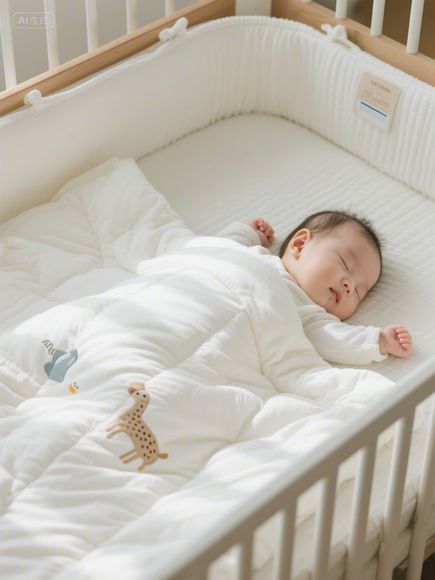
Pros of Polyester Fiber Summer Blankets
-
Lightweight and Breathable
- Pros: The most notable advantage of polyester fiber summer blankets is their lightness. They are much lighter than cotton blankets, making them easy to carry around and store. Additionally, they provide excellent breathability, which helps keep you cool during hot summer nights.
- Example: Imagine lying on a bed covered in a polyester fiber blanket; you feel a gentle breeze on your skin, which is perfect for hot summer days.
-
Durable and Long-Lasting
- Pros: Polyester fiber is a synthetic material that is resistant to pilling, shrinking, and fading. This means that your blanket will maintain its shape and color for a long time, even after frequent use.
- Example: A polyester fiber blanket that has been used for years still looks fresh and new, without any signs of wear and tear.
-
Hypoallergenic and Easy to Clean
- Pros: Many polyester fiber blankets are hypoallergenic, meaning they are less likely to cause allergic reactions. Additionally, they are machine washable, making them convenient to clean after use.
- Example: If you have a sensitive skin condition, a polyester fiber blanket is a great choice as it won't irritate your skin. Plus, you can easily toss it in the washing machine after a trip to the beach.
-
Versatility
- Pros: Polyester fiber summer blankets can be used in various settings, from casual lounging at home to camping in the mountains. They are also suitable for both indoor and outdoor use.
- Example: You can take a polyester fiber blanket on a weekend trip to the countryside and use it to stay warm and cozy by the fire.
Cons of Polyester Fiber Summer Blankets
-
Not So Warm
- Cons: One of the main disadvantages of polyester fiber summer blankets is that they do not provide much warmth. They are designed to keep you cool, so they might not be the best choice for extremely hot weather.
- Example: On a particularly hot summer day, a polyester fiber blanket might not be sufficient to keep you comfortable, and you might find yourself feeling hot and uncomfortable.
-
Less Comfortable for Hot Sleep
- Cons: Although polyester fiber is breathable, it can still make sleeping on a blanket a bit uncomfortable, especially if you are used to sleeping on a cotton blanket. The material can slightly restrict airflow, causing a slight chill at night.
- Example: If you prefer a cooler sleeping environment, a polyester fiber blanket might not be the best choice, and you might find yourself waking up slightly cold at night.
-
Potential Allergic Reactions
- Cons: Although polyester fiber is hypoallergenic, some people may still have allergic reactions to it. It's always a good idea to check for any known allergens before purchasing a polyester fiber blanket.
- Example: If you or someone in your family has a known allergy to polyester fibers, it's best to avoid using polyester fiber blankets to prevent any unwanted reactions.
-
Environmental Concerns
- Cons: The production of polyester fiber involves the use of harmful chemicals and energy-intensive processes, which can contribute to environmental pollution. Additionally, polyester fibers are not biodegradable, meaning they can take hundreds of years to decompose.
- Example: While polyester fiber blankets are convenient and durable, their environmental impact should be considered when making a purchase. Opting for eco-friendly alternatives might be a wiser choice in the long run.
Benefits of Polyester Fiber Summer Blankets
-
Cost-Effective
- Benefits: Polyester fiber summer blankets are generally more affordable than other types of blankets, making them a budget-friendly option for anyone looking to add a comfortable sleeping solution to their home.
- Example: compared to other materials like cotton or wool, polyester fiber blankets are easier on the wallet, allowing you to enjoy a comfortable night's sleep without breaking the bank.
-
Easy to Store
- Benefits: Since polyester fiber summer blankets are lightweight and easy to wash, they take up less space when stored. This makes them an ideal choice for people who live in small apartments or have limited storage space.
- Example: You can easily fold a polyester fiber blanket and store it in a drawer or closet, freeing up space in your bedroom for other items.
-
Non-Slip Surface
- Benefits: Some polyester fiber blankets come with a non-slip surface, which provides extra safety and stability while sleeping. This is particularly important for families with young children or pets.
- Example: A non-slip polyester fiber blanket can help prevent accidents and injuries, giving you peace of mind as you sleep.
-
Durable and Easy to Maintain
- Benefits: As mentioned earlier, polyester fiber is resistant to pilling, shrinking, and fading, making it a durable and easy-to-maintain fabric. This means fewer replacements and repairs over time, saving you time and money.
- Example: A durable polyester fiber blanket will last for several years, reducing the need for frequent replacements and keeping your home looking fresh and new.
Conclusion
In conclusion, polyester fiber summer blankets offer a range of advantages that make them a popular choice for summer bedding. Their lightweight, breathable, and durable nature makes them comfortable and practical for hot weather. Additionally, their hypoallergenic and easy-to-clean properties ensure that they are suitable for both indoor and outdoor use. However, it's important to consider their limitations, such as their lack of warmth and potential for allergic reactions.
When choosing a polyester fiber summer blanket, it's essential to weigh these pros and cons and determine which features align with your needs and preferences. By considering factors like cost-effectiveness, ease of storage, non-slip surface, and durability, you can make an informed decision that ensures comfort and satisfaction during hot summer nights.
Moreover, it's always a good idea to explore the options available in the market and read reviews from other customers to get a better understanding of the quality and performance of different polyester fiber blankets. This can help you make a more informed purchase decision and find a product that best suits your requirements.
Ultimately, whether you choose a polyester fiber summer blanket or another type of blanket, the most important thing is to find a product that provides comfort, warmth, and durability, ensuring a good night's sleep during the hot summer months.



