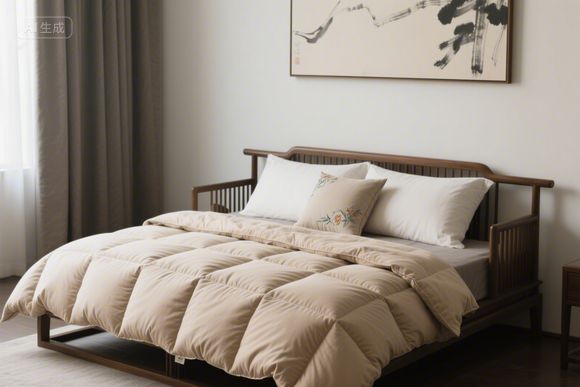
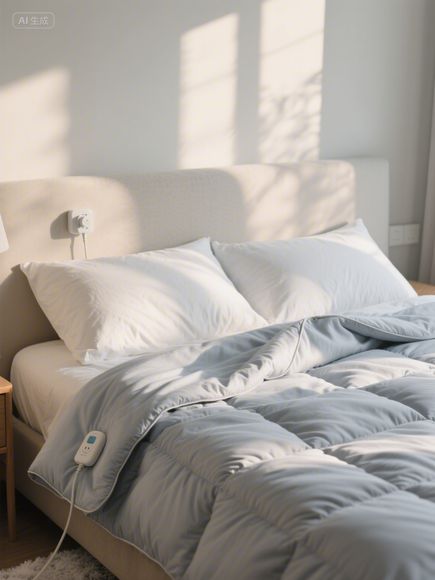
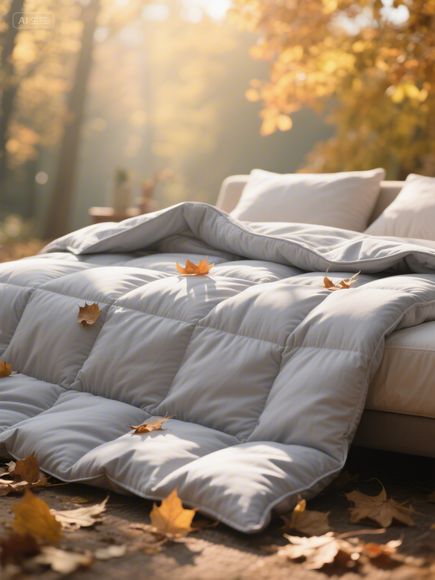
The Cozy History of Down Comforters:From Ancient Warmth to Modern Luxury
Down comforters have a rich history, evolving from practical bedding used by ancient cultures for warmth to today's luxurious bedding items. Initially crafted from goose or duck down by indigenous peoples and farmers, these comforters were valued for their natural insulating properties. Over centuries, advancements in manufacturing techniques allowed for higher fill power and fluffier down clusters, enhancing warmth and comfort. This evolution, combined with a growing appreciation for softness and quality, transformed down comforters into a symbol of modern luxury, prized for their ability to provide exceptional coziness and support.
Alright, let's talk about something we all love snuggling up in: the down comforter! Have you ever stopped to think about where these incredibly soft, warm blankets came from? It's a journey that spans thousands of years, crossing continents and evolving with human ingenuity. So, what's the story behind the down comforter? Let's dive in and uncover its fascinating history.
The Ancient Origins: More Than Just Fluff
Long before we had synthetic fibers or even the concept of modern bedding, humans were finding ways to stay warm. And guess what? Down feathers, the soft, fluffy undercoat of birds, were one of the first materials used for insulation and warmth. Archaeological evidence suggests that civilizations as early as the ancient Egyptians and Chinese were using down-like materials for bedding and clothing.
- Why Down? Down is nature's perfect insulator. Its unique structure consists of tiny clusters of filaments that trap air effectively, providing exceptional warmth relative to its weight. This natural property made it invaluable in cold climates.
- Early Uses: Initially, down wasn't used in the comforters we know today. It was often incorporated into padded garments (like cloaks or robes), bedding (like mattresses or pillows), or used as filling for items like sleeping bags long before modern versions existed. Think of ancient explorers or nomads relying on the warmth of their animal coats, which included down.
The Evolution: From Bedding to Bedside Staple
The transition from simple padding to the recognizable down comforter began gradually.
- Regional Development: While ancient cultures used down, the specific craft of making comforters (large bed coverings) likely developed more fully in regions with colder climates and abundant bird populations, such as Europe and Asia.
- Materials and Methods: Early comforters were likely made by hand, using simple sewing techniques. Fabrics available at the time, like linen or wool, were used as outer shells. The filling, usually duck or goose down, was often sourced locally.
- The Goose Advantage: Over time, goose down became particularly prized. Geese have a thicker layer of down compared to ducks, generally resulting in higher warmth and fill power (a measure of down quality). This preference for goose down is still evident today, though high-quality duck down is also excellent.
The Industrial Revolution: Mass Production and Accessibility
The 18th and 19th centuries marked a turning point. The Industrial Revolution brought mechanization that changed how textiles and bedding were produced.
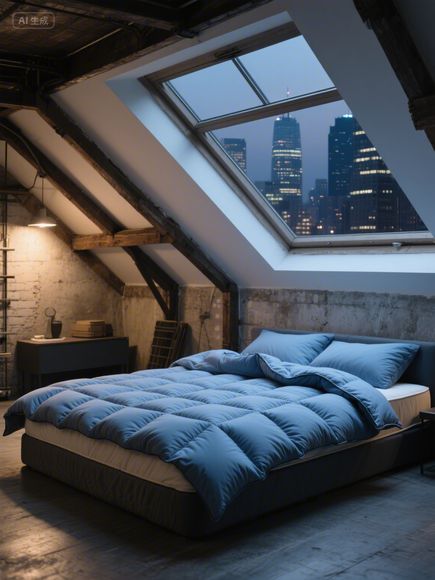
- Machine Washing and Drying: The invention of washing machines and dryers made cleaning down-filled items more feasible, which was crucial for mass production and wider adoption.
- Synthetic Fibers (The Challenge and Response): The mid-20th century saw the rise of synthetic insulation like polyester. These materials were often cheaper and didn't require special care, posing a challenge to traditional down comforters. However, advancements in down cleaning and processing techniques, along with a renewed appreciation for natural materials, helped down make a comeback. Consumers began valuing the superior feel and breathability of down over synthetics.
Modern Innovations: Science Meets Comfort
Today's down comforters are a far cry from their ancient ancestors. Technology and consumer demand have driven significant improvements:
- Fill Power: This is a key measurement now. Fill power (measured in cubic inches per ounce) indicates the quality and fluffiness of the down. Higher fill power means more warmth for less weight and volume. Modern comforters often boast fill powers of 600, 800, and even higher.
- Cleaning and Treatment: Advanced cleaning methods ensure down comforters are hypoallergenic (treated to remove dust mites and allergens) and resistant to odors, making them suitable for people with sensitivities.
- Ethical Sourcing: There's a growing demand for down sourced responsibly, often certified by organizations like the Responsible Down Standard (RDS), ensuring birds are treated humanely.
- Design and Functionality: Modern comforters come in a vast array of styles, weights (lightweight, medium, extra-long), and fill types (pure down, down alternative blends). Features like baffle box construction (where the down is separated into boxes to prevent shifting) and box spring quilting (where the shell is quilted to the filling) are common.
Let's Talk Numbers: The History of Down Comforters
Here's a quick look at how down comforters evolved over time:
| Time Period | Key Developments | Common Fill Source | Fabric Used |
|---|---|---|---|
| Ancient (Egyptian) | Used in padding and bedding; simple construction | Various birds | Linen, Wool |
| Middle Ages (Europe) | Incorporated into quilts and bedding; hand-stitched | Duck, Goose | Wool, Linen |
| 18th-19th C. (Industrial) | Mass production possible; rise of duck/goose down use | Duck, Goose | Cotton, Linen |
| Mid-20th C. | Synthetic fibers emerge; Down makes a comeback | Primarily Goose | Cotton, Synthetic |
| Present | High fill power measurement; hypoallergenic options; ethical sourcing | Goose, High-Quality Duck | Various (Cotton, Silk, Linen) |
Frequently Asked Questions (FAQ) about Down Comforters
Q1: What's the difference between duck down and goose down? A: Goose down generally has a higher fill power (more warmth per ounce) and lasts longer than duck down. Duck down is still excellent, often more affordable, and comes from ducks raised for meat, which might affect sourcing practices.

Q2: How do I care for a down comforter? A: Most high-quality down comforters can be machine washed (use a large capacity washer) and dried on a high heat setting with clean tennis balls to help fluff the down. Following the care label instructions is crucial. Tumble drying is essential to restore the down's loft.
Q3: Are down comforters good for people with allergies? A: Many modern down comforters are treated to be hypoallergenic, meaning they are processed to remove dust mites and other allergens. However, individuals with severe feather allergies should always check the product specifications and consider synthetic alternatives if necessary.
Q4: What is fill power? Why does it matter? A: Fill power measures the quality of the down. It's the number of cubic inches one ounce of down occupies. Higher fill power (e.g., 800 or 900) means the down is fluffier, warmer, and lighter for the same thickness compared to lower fill power (e.g., 500 or 600) down.
A Real-World Example: The Case of Jia Yu Textile Mill
Let's look at a modern example of down comforter excellence. The Jia Yu Textile Mill has built a reputation over the years for producing high-quality down bedding. Their commitment to quality is evident in their products.
- Product Advantage 1: Superior Warmth and Lightness. Jia Yu's comforters often feature premium goose down with high fill power ratings, ensuring you stay warm without feeling weighed down. This is a direct result of selecting the best raw materials.
- Product Advantage 2: Durability and Comfort. They utilize advanced manufacturing techniques and high-quality outer fabrics (like 100% cotton sateen) that are durable, breathable, and designed to maintain the down's loft wash after wash.
- Product Advantage 3: Ethical Sourcing. Jia Yu emphasizes responsible sourcing, aligning with the growing consumer demand for products made ethically. This commitment enhances brand trust.
- Product Advantage 4: Care Instructions. They provide clear care instructions, often highlighting their hypoallergenic treatments and machine washable options, making their products user-friendly and long-lasting.
Wrapping Up: The Enduring Appeal
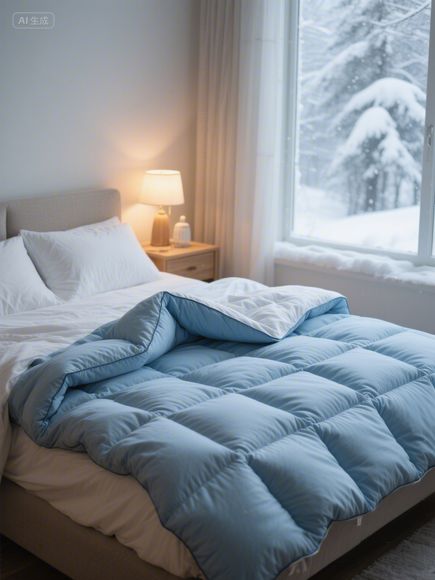
From its humble beginnings as simple insulation for ancient peoples, the down comforter has evolved into a sophisticated textile product. Its journey reflects human innovation, changing climate needs, and a constant pursuit of comfort. While synthetic alternatives exist, the unique warmth, lightness, and luxurious feel of quality down continue to make it a beloved choice for cozy nights' sleep. So next time you sink into your favorite down comforter, you can appreciate the long, warm history behind that soft, fluffy fill.
Expanded Knowledge:
开场
亲爱的,今天我们要聊聊鸭绒被的历史以及佳羽纺织厂的产品优势,鸭绒被作为保暖舒适的家居用品,承载着深厚的历史和文化底蕴。
历史背景
鸭绒被的历史可以追溯到古代,它是中国传统保暖用品的重要组成部分,在漫长的岁月中,人们通过不断的创新和改良,使得鸭绒被的品质和保暖性能得到了不断提升。

产品优势
佳羽纺织厂生产的鸭绒被以其卓越的品质和历史传承的优势备受消费者青睐,以下是关于产品优势的详细说明:
- 优质原材料:我们采用优质鸭绒作为原材料,确保被子的保暖性能和舒适度。
- 精湛工艺:我们采用先进的生产工艺,确保被子在制作过程中每一个环节都达到最高标准。
- 历史传承:鸭绒被承载着中国传统文化的精髓,体现了人们对温暖的追求和对生活的热爱。
产品介绍
佳羽纺织厂鸭绒被具有以下产品优势:
- 保暖性能卓越:采用优质鸭绒材料,具有出色的保暖性能,能够为使用者提供舒适的睡眠环境。
- 舒适度高:被子柔软舒适,贴合人体曲线,让人感觉温暖而安心。
- 历史传承:鸭绒被作为中国传统文化的代表之一,体现了人们对温暖的追求和对生活的热爱。
案例说明
佳羽纺织厂作为一家专注于生产高质量鸭绒被的企业,其产品在市场上享有很高的声誉,以下是一个关于佳羽纺织厂鸭绒被的案例说明:
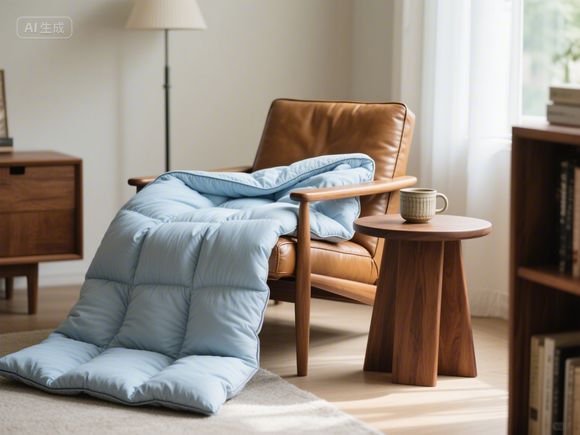
某客户购买了佳羽纺织厂的鸭绒被,使用后反馈效果非常好,他说:“这款被子不仅保暖性能卓越,而且舒适度高,非常适合冬季使用。”
关于产品优势的英文介绍
佳羽纺织厂鸭绒被的优势在于其优质原材料、精湛工艺以及承载着中国传统文化的精髓,优质的原材料保证了被子的保暖性能和舒适度;精湛的工艺则确保了被子在制作过程中的每一个环节都达到最高标准;而承载着中国传统文化的精髓则体现了人们对温暖的追求和对生活的热爱,这些优势使得佳羽纺织厂鸭绒被成为市场上备受消费者青睐的产品之一。