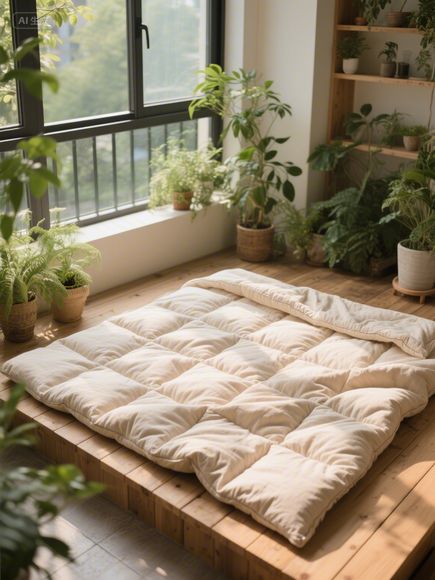
How to Choose:Down Comforters vs.Cashmere Comforters
Down Comforters vs. Cashmere Comforters: A Choice Guide,Deciding between a down comforter and a cashmere one involves weighing warmth, feel, and maintenance. Down comforters, filled with soft feathers, offer excellent warmth-to-weight ratio and are highly compressible, making them great for layering. They are generally more affordable but can lose their loft over time and require careful cleaning to avoid damage. Cashmere comforters, made from the soft undercoat of goats, provide a luxurious, soft, and breathable feel. They are naturally temperature-regulating and hypoallergenic, often lasting longer with proper care. However, cashmere is typically more expensive and requires gentle handling. Consider your budget, desired softness, and care commitment when choosing.
Okay, let's talk about something cozy and important for chilly nights: comforters! You've probably heard about down comforters and cashmere comforters, but what's the real difference? Which one is right for you? Let's break it down.
Imagine coming home after a long day, kicking off your shoes, and diving under your softest blanket. That feeling? That's what we're exploring today. We'll look at the materials, the feel, the performance, and maybe even think about a specific brand known for quality, like Jia Yu Textile Factory. Ready to get cozy with the facts?
What Exactly is a Down Comforter?
First up, the down comforter. "Down" refers to the soft, fluffy under-feathers found right beneath a bird's actual feathers. Think of it like the premium raw material for insulation. Most down comforters are made from either duck or goose down. Goose down is often considered higher quality because the feathers are generally fluffier and warmer, especially the down clusters from the underbelly.
What Exactly is a Cashmere Comforter?
Now, cashmere. This one comes from a different source altogether. Cashmere isn't feathers; it's a type of soft, hollow fiber protein derived from the undercoat of cashmere goats. These goats live in harsh climates, often in places like Mongolia and China, and their special undercoat grows twice a year. This fine undercoat is combed out and processed to create the luxurious fibers used in cashmere products, including comforters.
Key Characteristics: Down Comforters
Let's dive deeper into what makes down comforters tick.
- Warmth: Down is renowned for its exceptional warmth-to-weight ratio. Those tiny clusters trap air incredibly efficiently, creating a warm microclimate around you. A high-quality down comforter can keep you warm even in very cold temperatures. It's like packing a lot of warmth into a relatively light package.
- Lightweight & Packable: Because down is so effective at trapping air, you don't need a huge amount of it to feel warm. This means down comforters tend to be lighter and more packable than their cashmere counterparts. They're great for travel stuffiness.
- Softness: Down itself is naturally soft. The filling feels plush and enveloping. However, the feel of a down comforter can vary greatly depending on the quality of the down, the fill power (more fill power = fluffier, warmer, better quality), and the type of shell fabric used. Lower quality down comforters can sometimes feel lumpy or have uneven filling.
- Durability (of the shell): The durability of a down comforter largely depends on the shell fabric (the outer cover). High-quality shell fabrics, like tightly woven cotton or synthetic blends, are designed to be durable and prevent the down from leaking out. Down filling itself is quite resilient and can bounce back if compressed.
- Hypoallergenic Potential: While feathers (not down) are a common allergen, pure down comforters (without feathers) are generally considered hypoallergenic by many allergy sufferers because they don't contain the proteins found in feathers that trigger reactions. However, individual sensitivity can vary, and the shell fabric matters too.
Key Characteristics: Cashmere Comforters

Now let's look at the luxurious world of cashmere comforters.
- Luxurious Softness: This is the biggest draw. Cashmere fibers are incredibly soft, smooth, and fine. They have a unique ability to feel gentle against the skin, often described as incredibly plush and velvety. It's a tactile experience you don't get with down.
- Natural Temperature Regulation: Cashmere is known for its breathability. The hollow core of the fibers allows air to circulate, helping you stay cool when it's warm and providing a bit of insulation when it's cooler. It doesn't trap heat like down does to the same extent, offering a more balanced feel.
- Hypoallergenic Properties: Cashmere is generally considered hypoallergenic as it's a protein fiber (like wool) but lacks the specific allergens found in feathers and down. It's often a good choice for people with sensitivities.
- Durability: High-quality cashmere is surprisingly durable. The fibers are strong, and a well-made cashmere comforter can last for many years with proper care. However, lower quality cashmere can pill or felt more easily.
- Weight: Cashmere comforters tend to be heavier than down comforters of a similar tog rating (a measure of warmth). This weight contributes to their insulating power but also makes them feel more substantial and less likely to "float" on the bed.
- Moisture Wicking: Cashmere has natural moisture-wicking properties. It can absorb humidity without feeling damp, helping to keep you comfortable if you sleep lightly or in a humid room.
Down vs. Cashmere Comforter: A Quick Comparison Table
Here's a simple table summarizing the key differences:
| Feature | Down Comforter | Cashmere Comforter |
|---|---|---|
| Primary Material | Bird under-feathers (Duck/Goose) | Goat undercoat Fiber |
| Main Benefit | Exceptional warmth-to-weight ratio | Ultimate softness & luxury feel |
| Warmth Source | Trapping air within down clusters | Fiber structure & natural insulation |
| Weight | Generally lighter & packable | Generally heavier |
| Feel/Texture | Plush, soft (varies with quality) | Luxuriously soft, smooth, velvety |
| Temperature Regulation | Excellent heat retention | Good breathability, balanced |
| Shell Durability | Depends heavily on shell fabric | Depends on cashmere quality & care |
| Hypoallergenic | Generally yes (pure down) | Generally yes (protein fiber) |
| Typical Use | Cold climates, travel | Year-round comfort, sensitive skin |
Frequently Asked Questions (FAQ)
Q1: Which one is warmer, down or cashmere? A: Down comforters generally provide more warmth per gram than cashmere. Down excels at heat retention due to its ability to trap large amounts of still air. Cashmere offers excellent warmth but is more focused on balanced temperature regulation. So, if maximum warmth is your primary goal, down might be the better choice, especially in very cold conditions.
Q2: Is cashmere only for luxury? A: While cashmere is often associated with luxury, its properties make it practical too. Its softness is unparalleled, and its breathability and moisture-wicking capabilities are beneficial for year-round use. Plus, high-quality down comforters offer a different kind of luxury – warmth and packability.
Q3: Are down comforters better for people with allergies? A: Pure down comforters are generally considered hypoallergenic because they don't contain the feather proteins that are common allergens. However, the shell fabric matters. Cotton shells are often recommended for allergy sufferers as they are breathable and don't trap dust. Always check the label for "pure down" and the shell material.
Q4: How do I care for a down comforter? A: Proper care is key to maintaining a down comforter's loft and lifespan. Always follow the care label instructions. Generally, they should be washed in warm water with a down-specific detergent, either by machine (using a large enough capacity) or hand-washed. Tumble dry on high heat until completely dry – this is crucial to fluff the down and ensure it dries thoroughly. Using a fabric shaver or conditioner occasionally can help maintain its loft.
Q5: How do I care for a cashmere comforter? A: Cashmere requires gentle care. Hand washing is often recommended using cold water and a mild cashmere shampoo. Avoid machine washing unless specifically designed for cashmere. If machine washing is necessary, use a mesh laundry bag and a very gentle cycle. Always air dry flat or hang to dry away from direct sunlight. Avoid wringing or twisting. Ironing should be done on a low heat setting if needed, preferably from the reverse side.
Case Study: Choosing the Right Comforter
Let's say Sarah lives in a cold northern climate with long, harsh winters. She needs a comforter that can keep her warm even when the temperature drops significantly. She also travels frequently for work and wants something packable.
- Option Analysis: Sarah's primary needs are warmth and portability. While she might appreciate the softness of cashmere, the key driver here is heat retention. Down comforters, particularly those made from high-fill-power goose down, would be the best choice for her. They offer the warmth she needs without adding too much weight or bulk, making them ideal for travel. She should look for a high-fill-power rating (e.g., 800+), a quality shell fabric (like cotton sateen), and ensure it's a "pure down" product.
Jia Yu Textile Factory: Expertise in Quality Comforters
At Jia Yu Textile Factory, we understand the importance of choosing the right bedding. Whether you lean towards the warmth and performance of down or the luxurious feel of cashmere, we pride ourselves on manufacturing high-quality comforters that meet the highest standards.
Down Comforter Product Advantage (Jia Yu):
Our down comforters are meticulously crafted using premium, high-fill-power goose down sourced from reputable suppliers. This ensures exceptional warmth and a plush feel. We utilize advanced cleaning and processing techniques to remove any impurities and guarantee hypoallergenic safety. Our commitment to quality is reflected in the durable, tightly woven shell fabrics we employ, designed to maintain the down's integrity wash after wash. Experience the difference of genuine quality down comfortation.
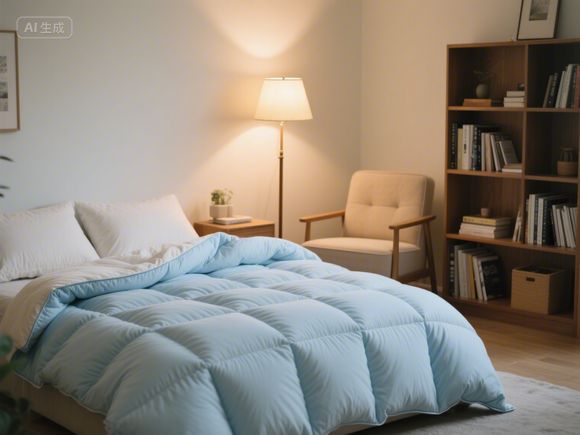
Cashmere Comforter Product Advantage (Jia Yu):
For those seeking unparalleled softness and year-round comfort, our cashmere comforters are the answer. Sourced from carefully raised cashmere goats, our fibers are exceptionally fine and soft. We employ specialized processing methods to preserve the natural qualities of the cashmere, ensuring it retains its luxurious drape and feel. Our attention to detail extends to the shell fabric, often using breathable cotton blends that complement the cashmere's natural temperature-regulating properties. Indulge in the softness of genuine quality cashmere comfort.
The Final Cozy Word
Choosing between a down comforter and a cashmere comforter really boils down to your personal priorities. Do you need maximum warmth and portability? Go for down. Are you seeking the ultimate softness and a more balanced feel year-round? Cashmere might be your best bet.
Consider your climate, your sleeping preferences, and any specific needs like allergies. Both materials, when chosen and cared for properly, can provide years of cozy comfort. Hopefully, this guide has helped you navigate the fluffiness factor and find the perfect blanket companion for your chilly nights. Sweet dreams!
Expanded Knowledge:
In the world of bedding, the debate between goose down and cotton down blankets has been going on for years. Both types of blankets offer warmth, comfort, and a sense of luxury, but they differ significantly in terms of quality, feel, and durability. In this comprehensive guide, we'll delve into the differences between鹅绒被与羊绒被, highlighting their unique characteristics, benefits, and advantages.
The Ultimate Guide to the Differences Between Goose Down and Cotton Down Blankets
When it comes to choosing a blanket, the choice between goose down and cotton down can be a tough one. Both materials offer warmth and comfort, but they have distinct differences that set them apart. Understanding these differences can help you make an informed decision that suits your needs.
Physical Structure and Feel
Goose Down
Goose down is made from the feathers of geese. It is light, fluffy, and has a soft texture. Each feather is hollow and can trap a significant amount of air, which makes the down very light and insulating. As a result, goose down blankets feel very light and airy.
Cotton Down
On the other hand, cotton down is made from the feathers of cotton birds. It is denser than goose down and has a different texture. Cotton down is also insulating, but it feels heavier and more substantial than goose down because of its denser structure.
| Feature | Goose Down | Cotton Down |
|---|---|---|
| Texture | Light, fluffy, soft | Denser, slightly bulkier |
| Weight | Very light | Heavier |
| Insulation | High thermal efficiency | Moderate thermal efficiency |
| Feel | Soft, airy | Firm, dense |
Quality and Durability
Goose Down
Goose down blankets are known for their superior quality and durability. The feathers are tightly packed together, creating a very stable structure that resists flattening or losing its insulating properties over time. This makes goose down blankets highly durable and long-lasting.
Cotton Down

While cotton down is also a high-quality material, it may not be as durable as goose down. The feathers are less tightly packed, which can make the down feel less stable and more prone to losing its insulating properties if the blanket is used extensively or if it is exposed to moisture.
| Feature | Goose Down | Cotton Down |
|---|---|---|
| Durability | Highly durable | Moderate durability |
| Stability | Stable and retains shape | Less stable |
| Longevity | Lasts longer | Tends to wear out faster |
Benefits and Advantages
Goose Down
Goose down blankets offer several benefits that make them a popular choice for many consumers. They provide excellent insulation, keeping you warm in cold weather without adding much bulk. The lightness of the down means that it doesn't weigh you down, making it perfect for use in lightweight sleeping bags or as an additional layer over another blanket.
Another advantage of goose down is its ability to trap air, which provides excellent breathability. This means that the down can help regulate your body temperature, keeping you comfortable throughout the night.
Goose down blankets are also hypoallergenic, making them a good choice for individuals with allergies or sensitive skin. The down is smooth and soft, reducing the risk of irritation.
| Benefit | Goose Down | Cotton Down |
|---|---|---|
| Excellent insulation | Provides excellent warmth and comfort | Offers moderate warmth |
| Lightweight | Very light and easy to carry | Heavier and less convenient for carrying |
| Breathable | Traps air, helps regulate body temperature | Less breathable |
| Hypoallergenic | Hypoallergenic, reduces the risk of irritation | May cause irritation for some individuals |
Case Studies
Case Study 1: Comfort in Cold Weather
John and Jane live in a cold climate where temperatures often drop below freezing. They decided to buy new blankets for their bedroom. After testing several options, they chose a goose down blanket. To their delight, the blanket provided excellent insulation, keeping them warm throughout the night. The lightness of the down meant that it didn't add much bulk, so they could still use their sleeping bag without any issues. Additionally, the hypoallergenic nature of the down made them feel comfortable even after several nights of use.
Case Study 2: Lightweight and Easy to Carry
Emily often travels and prefers to travel light. She was looking for a new blanket that would be easy to carry along with her. She tested several options, including cotton and goose down blankets. The cotton down blanket was too heavy and cumbersome for her liking, but the goose down blanket was perfect. It was very light and easy to carry in her luggage, making it ideal for her frequent travel. The down's ability to trap air also provided excellent breathability, keeping her comfortable during her travels.
Conclusion
In conclusion, both goose down and cotton down blankets have their own unique characteristics and advantages. Goose down blankets offer superior quality, durability, and excellent insulation, making them a popular choice for those who need warmth and comfort in cold weather. However, they can be heavier and less convenient to carry.
Cotton down blankets, on the other hand, are lighter and easier to carry, making them ideal for travelers or those who prefer a more lightweight blanket. They also offer moderate insulation and breathability, but may not be as durable as goose down.
Ultimately, the choice between鹅绒被与羊绒被 depends on your specific needs and preferences. If you prioritize quality, durability, and excellent insulation, a goose down blanket may be the better choice. However, if you prefer a lighter, more convenient blanket that still offers good insulation and breathability, a cotton down blanket could be a suitable option for you.
Whether you choose鹅绒被还是羊绒被, you can enjoy the comfort and luxury that these blankets provide. They are a great investment for anyone looking to enhance their sleeping experience with high-quality bedding.
Goose down and cotton down blankets are both excellent choices for warm and cozy bedding. Understanding their differences can help you make an informed decision that suits your needs and preferences. So, go ahead and choose the blanket that will provide you with the comfort and warmth you deserve.