Choosing the Perfect Comforter:Down vs.Feather Explained
Choosing between down and feather comforters involves weighing warmth, durability, and cost. Down, from soft underfeathers, offers superior warmth-to-weight ratio and resilience due to its ability to rebound. It's generally hypoallergenic and long-lasting. Feathers, stiffer outer quills, provide less warmth, are often less durable, and can flatten quicker. They are typically more budget-friendly. Down comforters are heavier and pricier, while feather ones are lighter and cheaper. Consider your climate, budget, and preference for weight and longevity when deciding. Down excels for warmth and durability, while feathers offer a more affordable, lighter option.
Okay, let's talk about something most of us deal with every night: our comforter. That big, cozy thing on our bed. Now, you've probably seen labels saying "down" or "feather" or maybe even "duck down" or "goose down." It can get a bit confusing, right? But figuring out which one is right for you matters. It affects how cozy you feel, how easy it is to keep clean, and even how long it lasts. So, let's dive in and break down the differences between down comforters and feather comforters, and maybe even touch on some specific options like duck down or goose down.
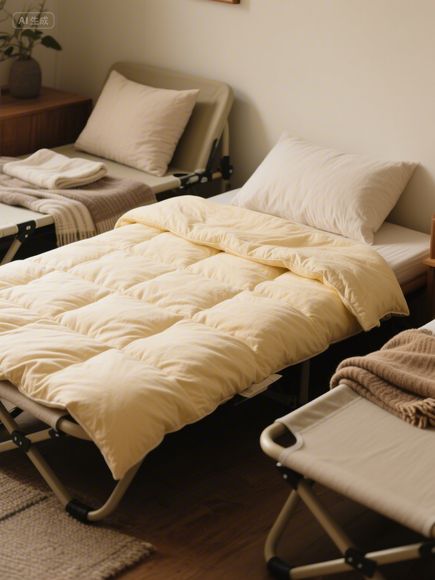
First off, what are we even talking about here? Down and feather are both natural materials, but they come from different parts of the bird. Think of a bird's underbody – that soft, fluffy layer is the down. It's like the bird's natural insulation. Then, the actual quills or shafts of the feather are the tougher, outer structure. Down is generally softer, fluffier, and provides more warmth per ounce. Feathers, on the other hand, are stiffer, more durable, and often used for their structure or loft in pillows and stuffies.
Down Comforters: The Fluffy Dream
Down comforters are the kings and queens of warmth and softness. They're made from the soft, plumy underfeathers of birds, primarily ducks and geese. When you fluff a down comforter, you're seeing clusters of these tiny feathers working together. Each cluster has a central shaft surrounded by radiating filaments. These filaments trap air incredibly effectively, creating a warm layer between you and the bed. This trapped air is what makes down so good at keeping you warm, even in colder weather.
-
Pros:
- Exceptional Warmth: Down has a high warmth-to-weight ratio. You can stay warm without the comforter being too heavy.
- Softness & Fluffiness: Down clusters are naturally soft and create a luxurious, plush feel.
- Breathability: They allow air to circulate to some extent, preventing overheating.
- Durability (Good Quality): High-quality down comforters can last a very long time with proper care.
- Natural Fiber: It's a natural protein fiber.
-
Cons:
- Hypoallergenic? Not Always: While down itself isn't a common allergen, dust mites can accumulate in the clusters. Also, some people might be allergic to the oils from the bird's skin.
- Cleaning Matters: Down needs proper care. Machine washing in a large capacity washer with a good down-specific detergent and sometimes requiring a dryer with a heat sensor (to fluff it back up without damaging it) is essential. Improper cleaning can lead to clumping or loss of loft.
- Price Point: Good quality down comforters tend to be more expensive than feather ones.
- Potential for Clumping: Over time, or if not cared for properly, down can clump together, reducing its insulating properties.
Feather Comforters: Structure and Support
Feather comforters are often made from the actual flight feathers of birds, usually ducks. These are the longer, stiffer feathers used for flying. They provide structure and support, which is why you often find feathers used in the filling of pillows (for support) and sometimes in comforters for a more structured feel.
-
Pros:
- Good Loft and Structure: Feathers stand up well and provide a noticeable amount of loft. They don't flatten as easily as down clusters.
- Durability: Feather comforters are generally quite durable and resistant to compression.
- Hypoallergenic Potential: Since feathers are the outer structure, they might be less likely to trap dust mites than the soft down clusters (though cleaning is still crucial).
- Cost-Effective: Feather comforters are often much more affordable than comparable down comforters.
-
Cons:
- Less Softness: Feathers are inherently stiffer and less soft than down.
- Less Warmth (Per Weight): While they provide warmth, generally, you need more feathers (or larger clusters) to achieve the same warmth as down of the same weight.
- Cleaning: Feathers can sometimes shed lint during washing. They also need thorough cleaning to remove oils and potential allergens.
- Potential for Matting: Feather clusters can sometimes mat or clump together over time, especially if not cared for properly.
Duck Down vs. Goose Down: What's the Difference?
Okay, so both ducks and geese are commonly used for down comforters. But is there a difference? The short answer is yes, but it's often subtle and depends more on the quality and processing than the bird itself.
- Geese Down:
- Often considered slightly premier due to the colder climates geese inhabit.
- Tends to have a higher fill power (more volume per ounce), meaning potentially more warmth and fluffiness.
- Geese down clusters are often denser and can feel softer.
- Duck Down:
- Very common and widely available.
- Also has high fill power, especially from breeds like the Mallard.
- Often more affordable than goose down.
- Duck down is still excellent quality and provides great warmth and comfort.
The Verdict: Which Should You Choose?
It really boils down to your personal preferences and needs:
-
Choose Down (especially Goose Down) if:
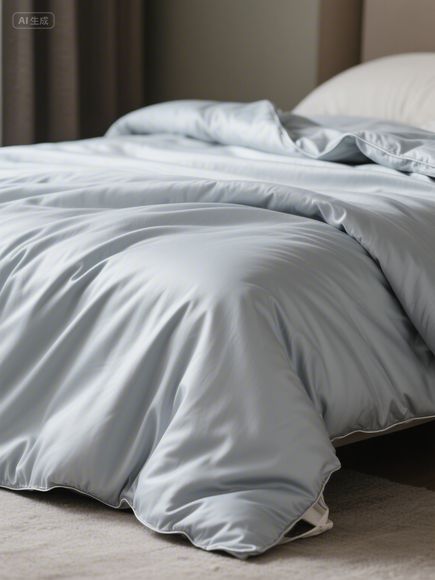
- You prioritize ultimate warmth and softness.
- You want a luxurious, plush feel.
- You don't mind a slightly higher price tag for potentially longer durability.
- You live in a colder climate.
- You prefer a fluffier appearance.
-
Choose Feather if:
- You're looking for a more structured feel.
- Budget is a primary concern.
- You prefer something durable and easy to care for (though still need proper cleaning).
- You find down potentially allergenic.
A Look at the Jia Yu Textile Factory Duck Duck Down Comforter Goose Down Comforter
Now, let's talk about a specific product: the Jia Yu Textile Factory Duck Duck Down Comforter Goose Down Comforter. This product aims to offer the best of both worlds or perhaps a high-quality down experience. Here’s what makes it potentially stand out:
- Premium Down Quality: Jia Yu Textile Factory likely sources high-quality down, possibly specifying fill power (e.g., 700+ or 800+). This ensures good warmth and fluffiness. Mentioning both "Duck Down" and "Goose Down" might indicate a blend or simply highlight the natural source, emphasizing quality.
- Ethical Sourcing: Reputable manufacturers like Jia Yu often emphasize responsible sourcing, ensuring the down comes from birds not subjected to live-plucking or force-feeding (like for down jackets sometimes). Look for certifications if available.
- Construction and Durability: Look for comforters with well-sealed box corners or baffle box construction. This prevents shifting and ensures even filling throughout the comforter, maintaining its shape and performance over time. High-quality stitching is also key.
- Hypoallergenic Treatment: While down isn't inherently bad, some manufacturers treat the comforter with hypoallergenic washes or use special filters during cleaning to reduce potential allergens. Check if this product offers such treatment.
- Care Instructions: Clear, easy-to-follow care instructions are vital. A good quality comforter should withstand proper washing and drying without losing its shape or fluffiness. Look for mentions of recommended detergents or special care requirements.
- Softness and Feel: Beyond the down itself, the outer shell fabric matters. A soft, breathable material like cotton, linen, or a quality blend enhances the overall comfort.
- Value for Money: Compare the price to the quality of the down, construction, and features. Is it offering premium goose down comfort at a duck down price? Or is it providing excellent value overall?
Putting It All Together: A Simple Guide
Let's try to simplify this a bit. Imagine you're shopping for a new comforter.
- Think Warmth: If you get cold easily or live in a chilly place, down (especially goose down) is likely your best bet for staying warm without feeling weighed down.
- Think Feel: Do you want something super soft and plush? Down wins. Do you prefer something with a bit more structure or a budget-friendly option? Feather might be better.
- Think Care: Are you willing to do a bit of extra laundry (using down detergent, ensuring proper drying)? Both require care, but down might need slightly more specialized attention.
- Think Quality: Look at the fill power (higher is better for down), construction (box corners, baffles), and sourcing (ethical practices). This applies to the Jia Yu comforter or any brand.
- Read Reviews: See what other people who have purchased similar products are saying.
Case Study: The Switch to Down Bliss
Meet Sarah, a mom of two from Minnesota. She used a feather comforter for years because it was cheap and easy to find. But winters were brutal, and she always felt cold no matter how high she piled the covers. She also found the comforter started to clump after a couple of years.
One day, while shopping, she saw a Jia Yu Textile Factory Duck Down Comforter Goose Down Comforter in a store window. Intrigued, she researched a bit. She learned about the high warmth-to-weight ratio and the potential for longevity. She decided to try it out.
She bought a queen-sized comforter with a fill power of 800+ and a hypoallergenic treatment. The first winter was a game-changer. It felt incredibly soft, and she stayed warm even without electric blankets. The comforter maintained its fluffiness throughout the season, unlike her old feather one. She also appreciated the clear care instructions – she used a down-specific detergent and followed the heat sensor drying cycle. It held up beautifully.
Sarah realized that while the feather comforter was cheap initially, the constant feeling cold and the need for frequent replacements (as feathers flatten) might have cost her more in the long run. The Jia Yu down comforter, despite the higher upfront cost, provided superior comfort, warmth, and durability.
Conclusion
Choosing between down and feather comforters isn't about which is definitively "better," but about which aligns with your specific needs, preferences, and budget. Down offers unparalleled warmth, softness, and fluffiness, making it ideal for those seeking ultimate coziness. Feather provides structure, durability, and often comes at a lower price point.
When considering the Jia Yu Textile Factory Duck Duck Down Comforter Goose Down Comforter, look for high fill power, ethical sourcing, quality construction, and clear care instructions. It represents a commitment to quality down comfort, potentially offering the luxurious feel of goose down at a duck down price point or simply highlighting the natural source. Whichever side you lean towards, understanding the differences ensures you can curl up in the perfect bed for a good night's sleep.
Expanded Knowledge:

I: Introduction
今天我们要讨论的是佳羽纺织厂生产的一系列羽绒被和鹅绒被产品,这些产品以其独特的材质和优良的性能赢得了消费者的喜爱。
II: 产品说明
鸭鸭羽绒被
鸭鸭羽绒被采用高质量的鸭绒填充物,具有保暖性强、吸湿性好、不易产生静电等特点,鸭鸭羽绒被轻盈柔软,适合各种天气使用。
表格说明:
| 特性 | 鸭鸭羽绒被 |
|---|---|
| 材料 | 鸭绒填充物 |
| 优点 | 保暖性强、吸湿性好、柔软舒适 |
| 应用场景 | 冬季保暖、春秋季节使用 |
鹅绒被
鹅绒被采用高品质的鹅绒填充物,具有轻盈、柔软、蓬松的特点,鹅绒被具有良好的透气性和吸湿性,能够保持被子的干爽,鹅绒被还具有很好的保暖性能,适合各种天气使用。
表格说明:
| 特性 | 鹅绒被 |
|---|---|
| 材料 | 鹅绒填充物 |
| 优点 | 轻盈柔软、蓬松保暖、透气性好 |
| 应用场景 | 冬季保暖、春秋季节使用、特殊场合如旅行等 |
III: 产品优势案例说明
佳羽纺织厂生产的鸭鸭羽绒被和鹅绒被产品在市场上备受好评,这些产品之所以具有如此多的优势,主要得益于以下几个方面的优势:
- 高品质材料:采用优质鸭绒和鹅绒填充物,确保产品的保暖性和舒适性。
- 舒适性:产品轻盈柔软,适合各种人群使用,无论是老人、儿童还是成人。
- 环保可持续性:采用环保材料,符合现代人对绿色生活的追求。
- 佳羽纺织厂的生产工艺:经过严格的生产流程和质量检测,确保产品的质量和性能。
IV: 关于佳羽纺织厂鸭鸭羽绒被鹅绒被的产品优势英文介绍
佳羽纺织厂生产的鸭鸭羽绒被和鹅绒被产品在市场上具有诸多优势,这些产品采用高质量的鸭绒和鹅绒填充物,具有保暖性强、吸湿性好、柔软舒适等特点,佳羽纺织厂注重产品的环保可持续性,采用环保材料和严格的生产工艺,确保产品的质量和性能,这些产品的使用体验深受消费者喜爱,是冬季保暖的理想选择。
Related articles
-
Understanding日照鹅绒被 Prices:A Comprehensive Guide to Quality and Affordability
-

Luxury in Every Thread:Why Goose Down and Silk Comforters Are the Ultimate Sleep Upgrade
-
The Ultimate Guide to Using Goose Down Comforters in Cold Weather
-

Warm Nights or Cozy Dreams?Unraveling the Warmth Debate:Cashmere vs.Goose Down Comforters