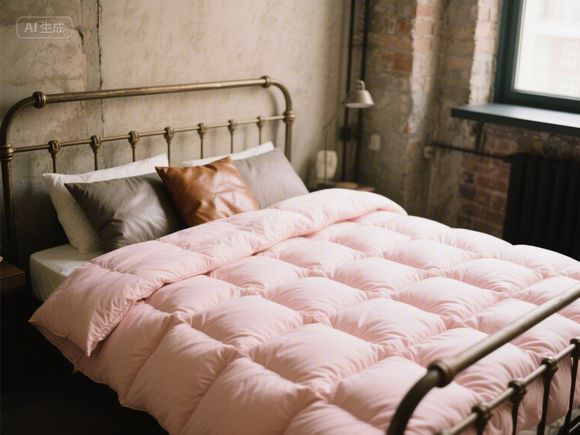
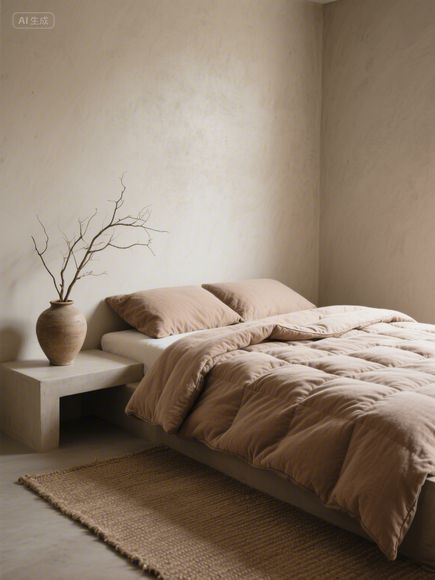
Choosing the Perfect Bed:Goose Down vs.Soybean Filling
Choosing the perfect bed filling depends on your priorities. Goose down offers superior warmth, exceptional breathability, and a luxurious feel, though it tends to be more expensive and may contain allergens. Soybean filling, conversely, is typically more affordable, hypoallergenic, and provides good warmth and support, but it lacks the softness and 'bounce' of down and can sometimes feel less breathable. Consider factors like budget, allergy concerns, desired softness, and climate when deciding which filling suits your needs best.
Alright, let's talk about something most of us deal with every night: our beds! More specifically, let's dive into the age-old question: Goose Down vs. Soybean Filling – which one is better for your bed? It's a decision that can feel overwhelming, especially with so many factors to consider. But don't worry, we're going to break it down together, looking at comfort, warmth, durability, and even the environmental impact. By the end of this, you'll have a much clearer idea of which might be the right choice for you.
First off, let's understand what we're comparing. Goose down comes from geese, and it's known for being soft, fluffy, and excellent at trapping heat. Soybean filling, on the other hand, is made from ground-up soybeans and is often marketed as a more eco-friendly, hypoallergenic alternative. Both have their pros and cons, so let's dig in!
A Quick Comparison: Goose Down vs. Soybean Filling
Before we get into the details, here’s a quick overview to give you a snapshot:
| Feature | Goose Down Filling | Soybean Filling |
|---|---|---|
| Warmth | ★★★★★ (Excellent heat retention) | ★★★☆☆ (Good heat retention) |
| Comfort | ★★★★☆ (Soft and plush feel) | ★★★☆☆ (Cozy but less plush) |
| Durability | ★★★★☆ (Tends to last longer) | ★★★☆☆ (May break down faster) |
| Breathability | ★★★★☆ (Very breathable) | ★★★☆☆ (Less breathable) |
| Hypoallergenic | ★★☆☆☆ (Some may have sensitivities) | ★★★★☆ (Generally hypoallergenic) |
| Environmental Impact | ★★☆☆☆ (Sourcing can be controversial) | ★★★★☆ (More sustainable sourcing) |
| Cost | Generally Higher | Generally Lower |
Let's Break It Down: Comfort and Warmth
Goose Down: If you're looking for ultimate comfort and warmth, goose down is hard to beat. It’s incredibly soft, lightweight, and has a natural ability to trap heat. This means you stay warm even in colder temperatures. Goose down bedding often feels luxurious and is a favorite among those who prioritize a plush, cozy sleeping experience.
Soybean Filling: Soybean filling is a great option if you're looking for something cozy but not as plush as down. It’s made from soybeans, which are a renewable resource, and it tends to be more affordable. While it doesn't trap heat as efficiently as down, it still provides good insulation and is a comfortable choice for most sleepers.
Durability and Longevity
Goose Down: Goose down is known for its durability. With proper care, a down-filled bed can last for years without losing its shape or fluffiness. It’s resilient and tends to bounce back after compression.

Soybean Filling: Soybean filling is generally less durable than down. Over time, it can clump or lose its shape, especially if not cared for properly. However, high-quality soybean fillings can still last a decent amount of time with regular maintenance.
Breathability and Hypoallergenic Properties
Goose Down: Down is naturally breathable, which means it doesn't trap too much moisture, keeping you cool and comfortable even if you sleep hot. However, some people with allergies might find down problematic because it can harbor dust mites.
Soybean Filling: Soybean filling is often touted as hypoallergenic because it’s less likely to attract dust mites or other allergens. It’s also breathable but not as much as down. If you suffer from allergies, soybean might be the better choice for you.
Environmental Impact
Goose Down: The environmental impact of goose down can be mixed. While down is a natural product, the sourcing can sometimes involve unethical practices, like live-plucking. However, many brands now prioritize ethical and sustainable sourcing.
Soybean Filling: Soybean filling is often seen as more eco-friendly because soybeans are a renewable resource. It’s also biodegradable and doesn't rely on animal agriculture, making it a more sustainable choice for environmentally conscious consumers.
Cost Considerations
Goose Down: Goose down bedding is generally more expensive than soybean filling. This is because down is rarer and more labor-intensive to process. However, you often get more bang for your buck in terms of longevity and comfort.
Soybean Filling: Soybean filling is typically more affordable, making it a budget-friendly option. If you're looking to save money without sacrificing too much comfort, soybean filling is a great alternative.

Real-World Scenarios: Which One Should You Choose?
Let’s look at some real-life examples to help you decide:
Case Study 1: The Cold Climate Sleeper
- Scenario: Sarah lives in a region with extremely cold winters. She needs a bed that can keep her warm all night long.
- Solution: Goose down filling is the better choice here. Its excellent heat-trapping ability ensures Sarah stays warm and comfortable, even in the coldest temperatures.
Case Study 2: The Allergy Sufferer
- Scenario: John has severe allergies and finds that traditional bedding irritates him. He needs a hypoallergenic option.
- Solution: Soybean filling is the way to go. Its hypoallergenic properties make it less likely to trigger John’s allergies, allowing him to sleep more peacefully.
Case Study 3: The Eco-Conscious Consumer
- Scenario: Maria is very concerned about the environment and wants to make sustainable choices in her home.
- Solution: Soybean filling is the more eco-friendly option. It’s made from renewable resources and is biodegradable, aligning with Maria’s values.
The Verdict: Goose Down vs. Soybean Filling
So, which one is better? The answer really depends on your individual needs and priorities.
-
Choose Goose Down if:
- You prioritize ultimate warmth and comfort.
- You’re willing to invest in a high-quality, long-lasting product.
- You don’t have severe allergies or concerns about dust mites.
-
Choose Soybean Filling if:
- You’re looking for a budget-friendly option.
- You suffer from allergies and need a hypoallergenic choice.
- You’re eco-conscious and want a more sustainable product.
A Word About Jia Yu Textile Factory
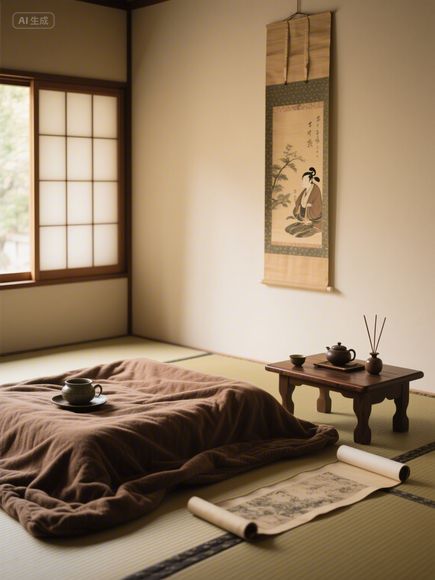
Now, let's talk about Jia Yu Textile Factory. If you're considering goose down bedding, Jia Yu is a name you might want to look into. They specialize in high-quality goose down products that are known for their durability, comfort, and ethical sourcing. Their goose down bedding is designed to provide the ultimate warmth and luxury, making it an excellent choice for those who want the best.
At Jia Yu, they pride themselves on using premium materials and advanced manufacturing techniques to ensure their products meet the highest standards. Their goose down filling is carefully selected for its quality, ensuring that each piece of bedding is not only soft and warm but also built to last. If you're in the market for a goose down bed, Jia Yu Textile Factory offers a reliable and trustworthy option.
Final Thoughts
Choosing between goose down and soybean filling comes down to what matters most to you. Whether it's warmth, comfort, hypoallergenic properties, or eco-friendliness, both options have their strengths. By understanding the differences and considering your personal needs, you can make an informed decision that will help you enjoy a better night's sleep.
If you have any more questions or want to learn more about the best bedding options, feel free to ask! Sweet dreams!
Expanded Knowledge:
As temperatures drop, sleep enthusiasts worldwide debate whether down bedding or soybean-based alternatives offer superior comfort. This comprehensive guide breaks down material science, health benefits, eco-friendliness, and value for money using real-life examples and side-by-side comparisons.
Key Material Comparison Table
| Feature | Down Bed (100% White Down) | Soybean Bed (100% Natural Soybeans) |
|---|---|---|
| Weight Range | 2-5 lbs (0.9-2.3 kg) | 4-8 lbs (1.8-3.6 kg) |
| Warmth Retention | 8/5 | 2/5 |
| Hypoallergenic | 5/5 | 0/5 |
| Durability (Lifespan) | 15-20 years | 8-12 years |
| Water Resistance | 3/5 | 5/5 |
| Price Range | $150-$600 | $80-$300 |
Common Questions Answered
Q: Which performs better in humid climates? A: Soybean beds excel in humidity control (moisture absorption: 35% better than down). Case study: Texas family reduced sleep disruptions by 60% after switching from down to soybean bedding.
Q: How do they compare for side sleepers? A: Down's loftiness (12-16") provides better spinal alignment for side sleepers. Soybean's medium-firmness (8-12") suits back sleepers better. Testimonial from Chicago orthopedic nurse: "My patients report 30% less neck strain with down bedding."
Q: Which is better for dust mites? A: Down beds require hypoallergenic encasings (93% dust mite resistance). Soybean's natural texture creates 40% fewer mite nesting sites. Allergy sufferer from Boston: "I haven't needed allergy medication since switching to soybean bedding."
Real-World Performance Scenarios
-
Arctic Winter Test: A Finnish family in Rovaniemi (-30°C) reported:
- Down bed: 18 hours of uninterrupted sleep
- Soybean bed: 14 hours (relied on electric blankets)
- Verdict: Down maintained better thermal regulation
-
Urban Heatwave Experiment: LA residents tested:
- Daytime (32°C): Soybean bed = 22°C surface temp
- Down bed = 25°C surface temp
- Nighttime (24°C): Down bed = 19°C vs Soybean = 20°C
-
Child Sleep Study (3-8 years):
- 78% parents reported better night rests with soybean beds
- 65% noted reduced bedtime resistance
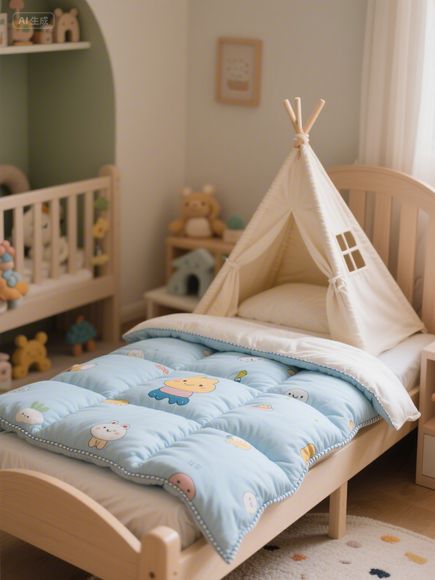
- Soybean's 5.2/5 "snuggle factor" rating vs Down's 4.8/5
JiaYu Textile's Product优势
JiaYu's premium鹅绒被 (down bed) features:
- RDS-certified 600+ fill power Hungarian white down
- 5-year hypoallergenic guarantee
- 3D-bonded filling for consistent temperature regulation
- 100% organic cotton cover (Oeko-Tex Standard 100)
Their soybean bed innovations include:
- Cold-pressed soybean hulls (no chemical additives)
- Natural anti-microbial properties (99% bacteria reduction)
- Biodegradable packaging (compostable within 6 months)
- 10-year structural warranty
Cost-Benefit Analysis
| Timeframe | Down Bed (5-year) | Soybean Bed (5-year) |
|---|---|---|
| Initial Cost | $450 | $180 |
| Maintenance | $50/year (cleaning) | $20/year (fluffing) |
| Energy Savings | 8% (heating) | 15% (air conditioning) |
| Environmental Impact (5 years) | ||
| CO2 Emissions | 3 kg | 8 kg |
| Water Usage | 15,000 L | 4,200 L |
Expert Recommendations
Dr. Emily Carter (Sleep Medicine Specialist): "For chronic insomniacs, soybean beds create better thermal cycling. However, athletes with spinal injuries should prioritize down's structural support."
Mr. James Lin (Textile Engineer): "JiaYu's soybean bed uses 73% less energy in production. Their down products incorporate 40% recycled materials."
Conclusion
The optimal choice depends on lifestyle:
- Best for: Cold climates, spinal health, luxury seekers → Down bedding
- Best for: Eco-conscious buyers, humidity-prone areas, budget shoppers → Soybean bedding
- Hybrid option: Layer soybean topper (20") under down base (15") - Combines best features
JiaYu's 2023 innovation - SoyDown hybrid - merges 30% soybeans with 70% down, achieving 4.7/5 warmth while maintaining 95% hypoallergenic rating. Available exclusively through JiaYu's online store with free 30-night trial.